What Are the Benefits of Monoï?

What Are the Benefits of Monoï?


By Hélène Betoux

Published on: Thursday, April 17, 2025, Updated on: Thursday, October 29, 2026

In summer, everyone's talking about it, but do you really know it? The benefits of monoï depend largely on its composition, which is why it's worth choosing a quality product with a minimalist formula that stays as close as possible to Tahitian tradition. A good monoï oil won't just give you a captivating sensory experience. It will also help keep your skin smooth, supple, and well hydrated, while revitalising damaged hair.

Contents

Related products

Monoï: The Beauty Secret from Polynesia

The Iconic Exotic Oil of the Islands

Monoï is a traditional product of French Polynesia – an overseas collectivity comprising five archipelagos made up of around a hundred islands and atolls, including Tahiti. Its name literally means ‘perfumed oil’ in Reo Maohi. It is a copra oil in which tiaré flowers, harvested from a shrub native to the Rubiaceae family, have been infused. Monoï’s many benefits make it a much-loved exotic treatment for the skin and hair. It is also one of the region’s best-known products internationally.

Good to Know:

Although both come from the coconut palm, copra oil and coconut oil are quite different. Copra oil comes from the dried coconut kernel, while coconut oil comes from the dried flesh of the fruit. Copra oil is hot-pressed, refined and deodorised, whereas coconut oil is generally cold-pressed and retains the fruit’s natural scent. The latter is more beneficial for its cosmetic properties.

The Benefits of Tahitian Monoï: What Makes It Different?

Not all Monoï products on the market are Monoï de Tahiti. To bear this strictly regulated designation, the product must be manufactured in French Polynesia, using copra oil from the coconut palm Cocos nucifera and Polynesian Gardenia tahitensis flowers. The manufacturing process must also comply with traditional local practices. For example, manufacturers must harvest the flowers just before they are fully open and infuse them no later than the day after picking. There are also standards regarding concentrations and maceration times - at least 10 tiaré flowers per litre of refined oil for at least 10 consecutive days.

What Is Monoï Oil Used For?

Monoï is deeply rooted in Tahitian rituals and Polynesian folk medicine and its origins are said to date back over 2,000 years! Its iconic, sun-kissed scent, evocative of summer and distant shores, makes it first and foremost a fragrance in its own right, also used in religious rituals. But the benefits of Monoï go beyond just a pleasant scent. In everyday life, locals use it to massage newborns, protect wounds, and soothe pain. They also rub it into their bodies and (wet) hair after a swim to protect themselves from external irritants. It is also one of the beauty secrets of the Tahitian women.

In the purest Tahitian tradition, monoï was made from grated coconut pulp, left in the sun for several days to draw out the coconut oil. They then infused this oil with tiare petals. It was a deeply penetrating, naturally regenerating oil, but difficult to preserve for more than ten days or so. With monoï's commercial success, the original recipe was altered from the 1970s onward to make it easier to preserve. In the process, it lost some of its cosmetic benefits, starting with its antioxidant properties. Still rich in saturated fatty acids, it remains highly nourishing and protective, and a pure delight to use during the warmer months!

What Are the Benefits of Monoï?

Its Effects on Skin

Thanks to its high content of saturated fatty acids, which are naturally emollient, Monoï is an excellent nourishing treatment. It forms an occlusive film that blocks the small water losses responsible for skin dehydration. It thus helps maintain the skin’s comfort in the face of environmental stressors. Its moisturising effects are said to be immediate, yet long-lasting.

In addition to these benefits of Monoï oil, there are the properties of the tiaré flower, which, during the enfleurage process, releases several active molecules into the coconut oil. It is said, to have antiseptic effects and it therefore helps to purify and repair damaged skin with superficial lesions. It also contains methyl salicylate, a compound known for its soothing properties. Monoï may therefore also be useful for relieving skin discomfort, such as tightness, redness, and tingling.

Did You Know?

A study from the 2000s suggests that Monoï may also smooth the skin’s micro-relief and firm the appearance of the skin.

Its Effects on Tanning

Monoï is sometimes marketed as a tanning oil. However, we strongly advise against applying it to your body while in the sun as it is an oil and you will risk getting sunburnt!

However, where Monoï’s benefits really come into their own is as an after-sun treatment. Coconut oil, just like the tiaré flower, has soothing properties. For example, it helps to calm the sensation of heat that sometimes follows a day at the beach. Monoï could therefore offer similar benefits, particularly if it’s made with coconut oil. You can also use it to give your skin a silky sheen and enhance your natural tan. However, it won’t have any effect on how long your tan lasts.

Its Effects on Hair

Our hair, too, can become even more beautiful thanks to Monoï! Both coconut and copra oils have the benefit of nourishing and smoothing the hair shaft. This beautifying effect gradually enhances the hair’s ability to reflect light – and thus its shine.  

As well as providing excellent protection for the lengths and split ends, Monoï is said to have restorative and regenerative properties. Used as a pre-shampoo treatment, it has been shown to be effective at smoothing the cuticle scales. The result is softer, more manageable hair that looks healthier and more vibrant overall.

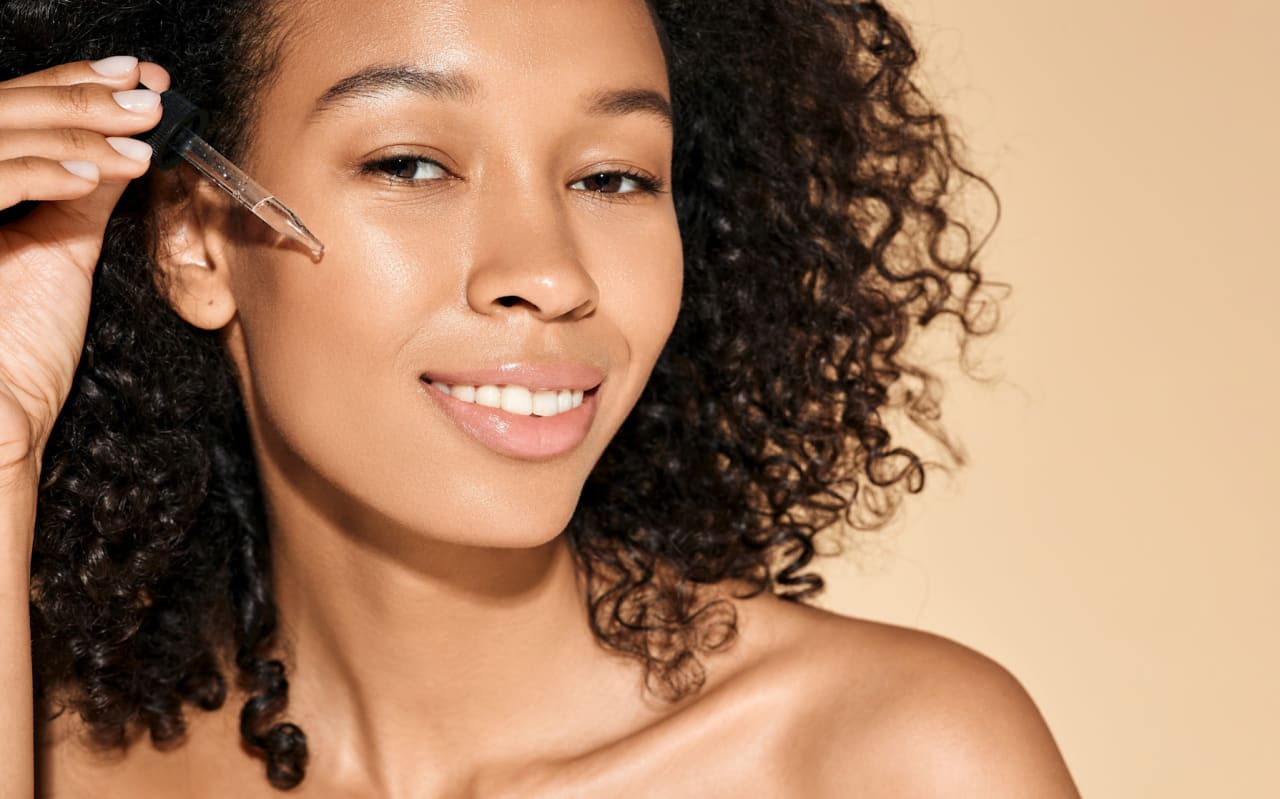
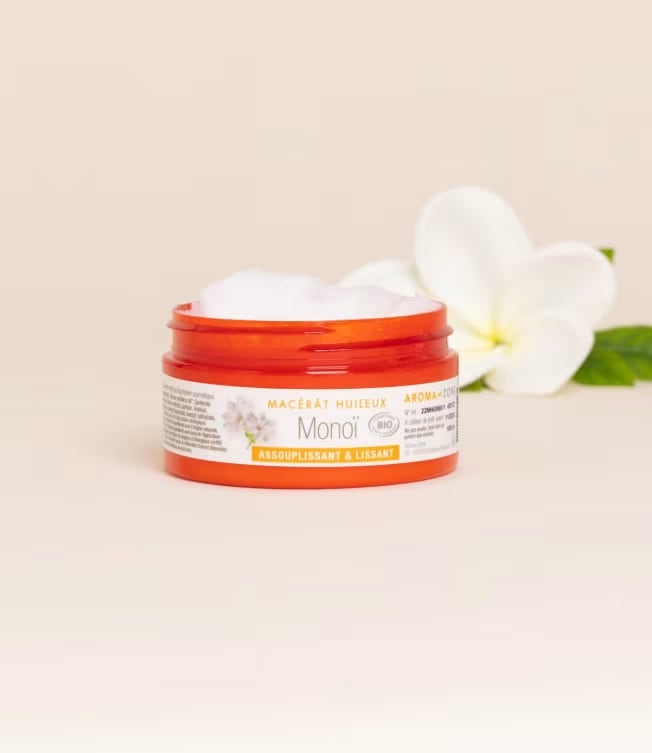
Spotlight on Our Organic Monoï Oil Macerate

Organic Monoï oil (oily macerate)

To maximise the benefits of Monoï, we have chosen to infuse Polynesian tiaré flowers in organic coconut oil. This 100% pure, virgin and natural plant oil has not undergone any chemical treatment that might alter its properties. We have also enhanced our oil infusion with a 100% natural tiaré fragrance to intensify its scent. With this certified organic Monoï, you’ll enjoy not only enhanced cosmetic benefits but also an even more sensorial experience, evoking the idyllic beaches of the islands.

Discover our organic Monoï oil

Storage conditions: store in a dry place, away from heat and light.

Precautions: Monoï contains natural compounds which may present a risk of allergy (in accordance with the 7th Amendment to the Cosmetics Directive (2003/15/EC)) in certain sensitive individuals: benzyl benzoate, benzyl salicylate, farnesol, limonene, linalool. Do not swallow; for external use only.

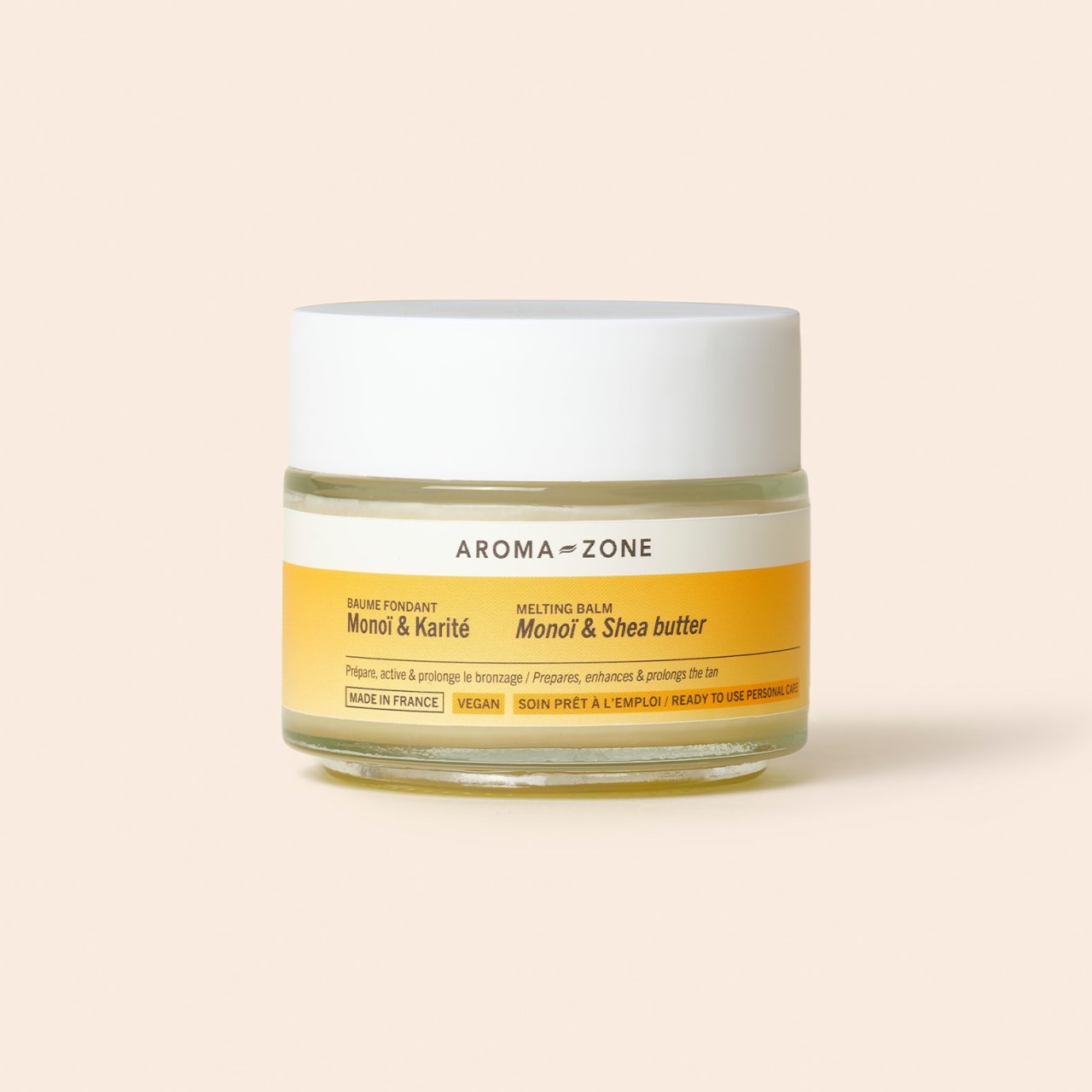
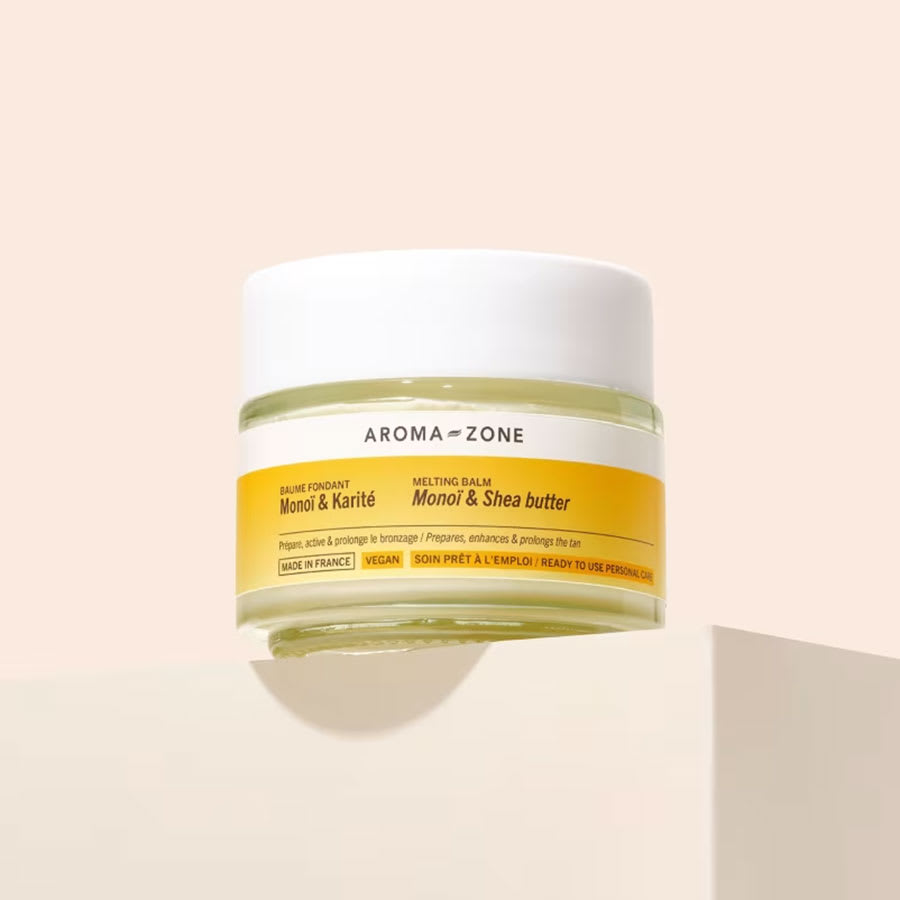
Spotlight on the Monoï & Shea Butter Melting Balm

monoi-and-shea-butter-melting-balm-mc

This balm combines a complex of tyrosine and microalgae extract, two active ingredients recognised for supporting the skin’s natural pigmentation process. They help stimulate melanin synthesis, to help reveal a gradual and more even tan. This result is part of a sunless tanning approach, designed to achieve visibly more golden skin without exposure to UV rays. At the same time, the skin remains moisturised, softened and more comfortable, thanks to the formula’s nourishing active ingredients. Please note: avoid contact with the eyes. In case of contact with the eyes, rinse immediately and thoroughly with clean water. This balm is not a sun protection product. It does not contain any sun filters.

Discover the Monoï & Shea Butter Melting Balm

Which Skin and Hair Types Suit Monoï Best?

  • Dry Skin: To optimise the skin’s ability to retain moisture and restore suppleness to parched skin

  • Sensitive Skin: To protect the skin from the main external factors causing discomfort, such as the cold, wind, or changes in weather

  • Damaged skin: To relieve discomfort and promote the healing of minor existing lesions (blackheads, minor burns, insect bites, etc.).

  • Mature Skin: To smooth out the appearance of signs of ageing, soften the skin’s texture and firm up tissues lacking in firmness

  • Dry Hair: To nourish and revitalise textured hair or hair damaged by environmental stressors

  • Damaged Hair: To restructure tired lengths and improve the appearance of split ends

  • Dull Hair: To enhance the hair’s shine and radiance

What Are the Three Ingredients in Monoï?

Organic Coconut Oil

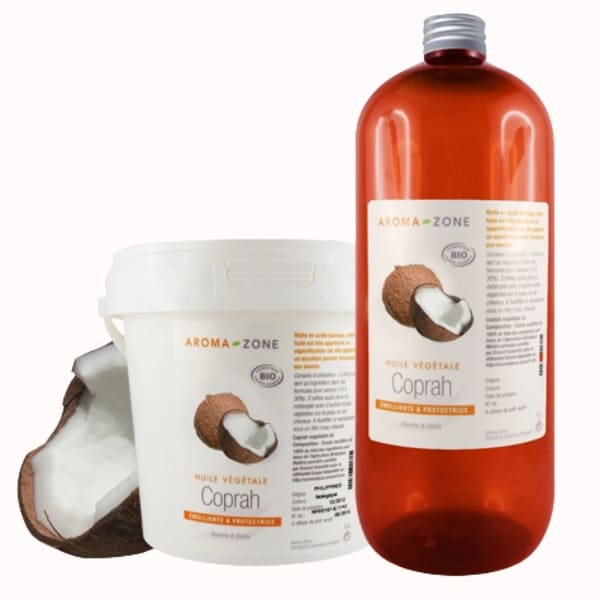
Organic Copra Oil. This is the key ingredient responsible for Monoï’s main benefits: the plant oil in which the tiaré flowers are infused. Highly nourishing and protective, it is ideal for preventing skin dehydration and restoring its elasticity. As for hair, it strengthens the hair fibre, smooths the hair and makes it shinier.

Discover Organic Copra Oil

Natural Monoï fragrance

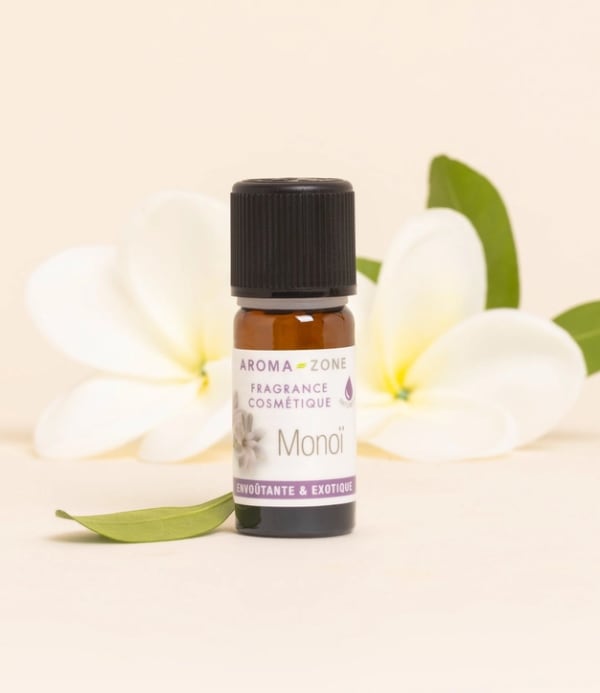
Natural Monoï Fragrance. The traditional recipe specifies that real tiare flowers must be infused in coconut oil. If you don’t have any to hand, you can recreate the characteristic scent of Monoï by adding a few drops of this fragrance to your mixture. It can also be used to enhance the scent of your Monoï. Recommended dosage in your body oils and balms: 0.3–2% of the total weight.

Discover the Natural Monoï Fragrance

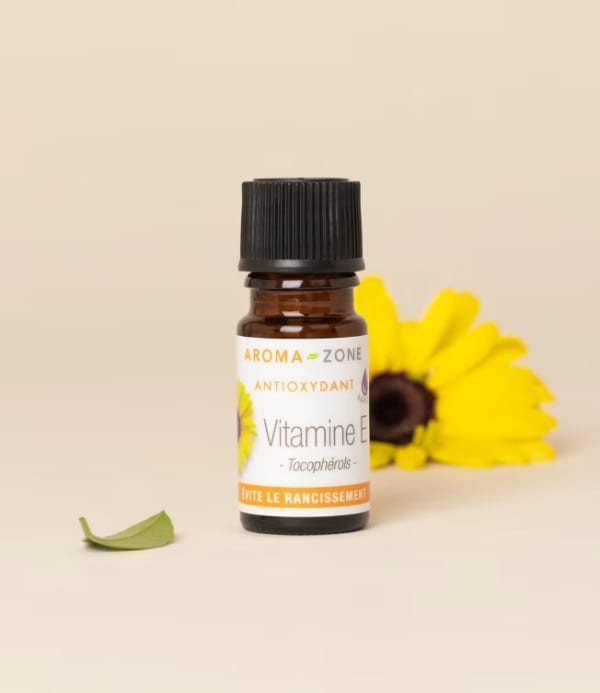
Natural Vitamin E. This 100% naturally derived ingredient acts as an antioxidant in some Monoï recipes. It is not essential, as coconut oil is known to be highly stable against oxidation. However, as we mainly use Monoï in summer, heat and UV rays can cause it to go off more quickly. Hence the need for an antioxidant to optimise its shelf life. Dosage: 0.02–0.2% of the total weight of oil to be preserved.

Discover Natural Vitamin E

The Right Steps to Enjoy All the Benefits of Monoï

  1. Monoï solidifies below 20°C, making it harder to apply. Before use, if necessary, run your bottle under warm water until the oil regains a fluid consistency

  2. As this is an oil-based product, it is naturally rich. There’s no need to overload your skin. A small amount is enough to enjoy all its benefits on your face

  3. For your skin, apply it preferably over your moisturiser if you have dry or dehydrated skin. An oil will never completely replace a moisturiser (water + oil)

  4. For your hair, as coconut oil is a little heavy, it’s best to use it as a pre-shampoo treatment. Leave it on your mid-lengths and ends for a few hours under a shower cap

Our Recipes for Making Your Own Monoï at Home

Precautions for Use

Monoï is a very gentle natural product, once used as a baby ointment, and is generally well tolerated by the skin. Nevertheless, as a precaution, do carry out a sensitivity test before using it for the first time. Also try to choose a formula that is as minimalist as possible, ideally certified organic, to minimise the risk of allergies.

Do not use Monoï to speed up your tanning while sunbathing.

Expert Advice

Monoï’s benefits are slightly less effective for combination to oily skin, which it may clog. If you’d like to get into the spirit of the summer holidays, choose a plant-based oil suited to your skin type with a fairly neutral scent (jojoba, grapeseed, macadamia, etc.) and personalise it with a few drops of our Monoï fragrance. Its benefits will be different, but you’ll still enjoy that addictive scent of tiaré flowers warmed by the sun.

Spotlight on Our Writer, Hélène Betoux

Hélène Betoux is a French beauty journalist specialising in digital media. She writes practical tips, advice and guides to help readers choose the right beauty products. Passionate about natural, organic and clean beauty, she explores the latest trends and innovations in the industry.

Bibliography

  1. A. Lancelot, ‘Monoï, emblem of Tahiti: a cosmetic raw material with ancestral properties’, Pharmaceutical Sciences, 2007.

  2. IEOM, The Monoï Industry in French Polynesia, issue 3, February 2008.

  3. IEOM, The Tahitian Monoï Industry: Promoting a Traditional Product, issue 178, 2015.

  4. F. Guillain, Beautiful Hair and Beautiful Skin, Litos, 2023.

Frequently Asked Questions

Frequently Asked Questions