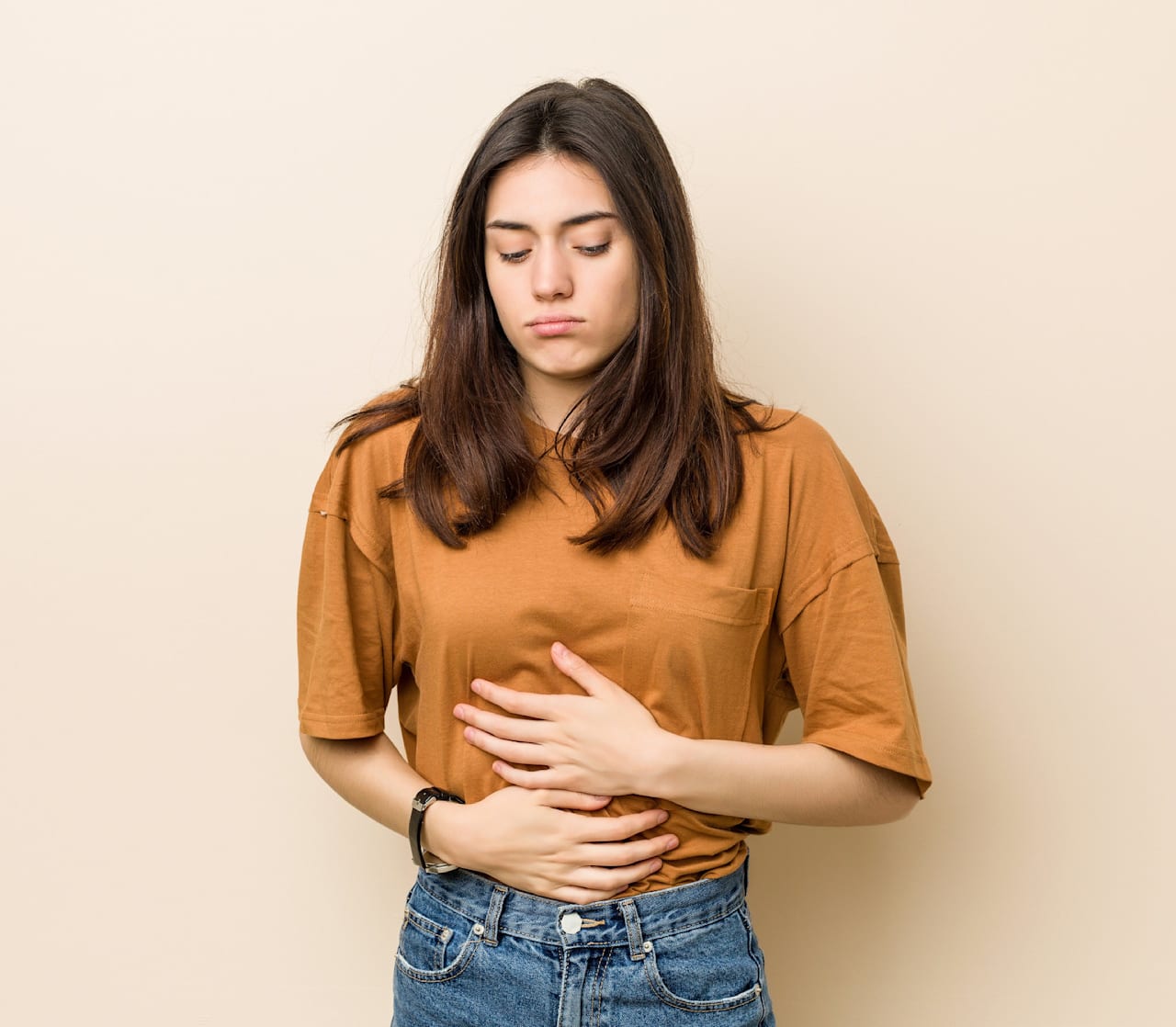
There are many causes of vomiting:
Excessive alcohol or food
Excessive alcohol consumption or a heavy meal can put strain on the digestive system and cause nausea or vomiting. Alcohol, in particular, irritates the stomach lining and affects the central nervous system, including the mechanisms involved in nausea and vomiting. It is primarily metabolised by the liver, and excessive consumption can contribute to digestive discomfort, nausea and the urge to vomit.
Similarly, eating excessively, particularly foods high in fat or sugar, can slow digestion and put strain on the digestive system. This can cause bloating and trigger nausea or even vomiting, particularly in sensitive individuals, those with underlying digestive disorders or those prone to heartburn.
Illnesses or conditions
Vomiting can be a symptom of various illnesses or conditions. Some of the most common causes are viral infections such as gastroenteritis, which can cause inflammation of the digestive system and trigger a wider response in the body. These infections can irritate the stomach lining, leading to nausea and vomiting, sometimes accompanied by diarrhoea, fever or abdominal pain. Similarly, certain bacterial infections can also cause vomiting, which may be more severe than with viral infections.
Certain medications, such as antibiotics, disrupt the intestinal flora and digestion, which can cause digestive side effects such as nausea, vomiting, or heartburn.
Motion sickness occurs when the brain receives conflicting signals from the eyes, inner ear and other parts of the body involved in balance. This sensory mismatch can cause a range of unpleasant symptoms, including nausea, which may sometimes lead to vomiting.
Pregnancy
Nausea and vomiting during pregnancy, often referred to as morning sickness, are common during the first trimester. They are thought to be linked largely to hormonal changes. In most cases, symptoms begin early in pregnancy and gradually subside towards the end of the first trimester or during the second trimester.
However, in some cases, nausea and vomiting can persist or become more severe. This is known as hyperemesis gravidarum, a severe form of nausea and vomiting during pregnancy that can lead to dehydration and weight loss and may require medical treatment. Finally, emotional stress or severe pain can also trigger or worsen episodes of vomiting in some pregnant women.
Note: It is important to consult a healthcare professional if vomiting is frequent or persistent, in order to identify the underlying cause and receive appropriate treatment. Below, you will also find some natural tips that may help relieve nausea and vomiting.