Avocado cultivation can be intensive and resource-intensive, particularly in terms of water, depending on the production area. As this fruit is often imported, its environmental impact can vary depending on growing conditions, transportation, and agricultural practices. To limit this impact, it is recommended to choose certified organic products from traceable sources and to favor sensible use: small, well-chosen quantities rather than excessive consumption.
The benefits of avocado
Creamy, nourishing and naturally packed with active ingredients, avocados are far more than a kitchen staple. This generous fruit hides real treasures for the skin, hair and overall well-being. So, what exactly are the benefits of avocados? In both cosmetics and food, their properties truly deserve your full attention. Let’s take a closer look at this multitasking ingredient, to be enjoyed and used according to your needs and desires.

Native to Central America, the avocado is the fruit of the avocado tree (Persea americana), a tree of the Lauraceae family. It grows naturally in tropical and subtropical areas, particularly in Mexico, Peru, Colombia, and Kenya. Cultivated for thousands of years, avocados were already prized by pre-Columbian civilizations for their rich and nutritious flesh.
The avocado tree can grow up to 20 meters tall and produces fruits of various shapes and sizes, depending on the variety. The most common variety on the market is Hass, recognizable by its thick, grainy skin, which protects the flesh well.
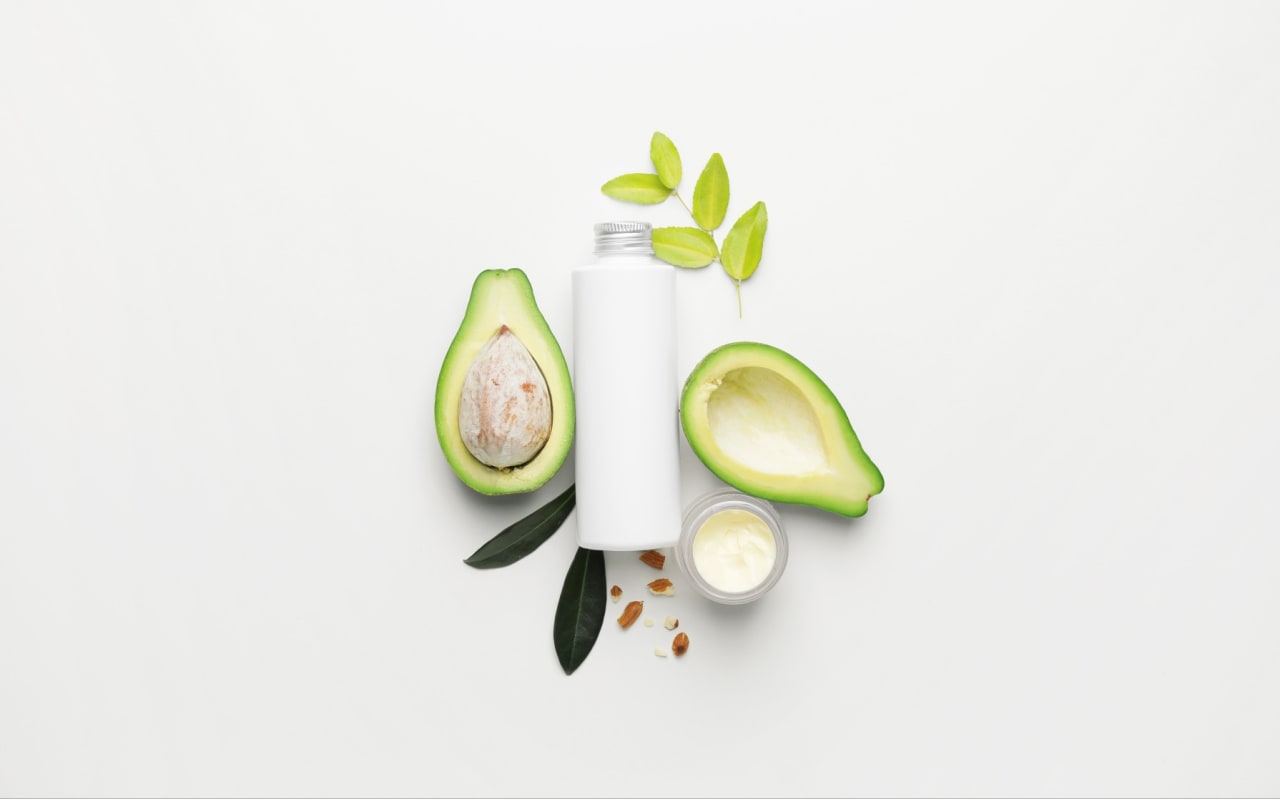
Harvesting takes place when the fruit has reached physiological maturity on the tree, but it only ripens completely once picked. This allows for control over its storage and transport, while ensuring a melt-in-the-mouth texture when eaten. Once ripe, the avocado reveals a pale green, soft, and creamy flesh, protected by a thick skin and a central pit.
In addition to its delicate flavor, avocados are also known for their exceptional composition of high-quality lipids, making them a sought-after ingredient in food, but also in natural skincare products thanks to their oil.
For health
Rich in unsaturated fatty acids, particularly omega-9, avocados contribute to a good nutritional balance. They also contain fiber, vitamin E, potassium, and antioxidants, which are beneficial for the body's proper functioning. As part of a varied diet, they help limit oxidative stress and maintain good vitality on a daily basis.
Their natural phytosterol content has also attracted the attention of researchers for their ability to modulate the absorption of dietary cholesterol. These plant compounds may also help maintain good cardiovascular health, support weight management as part of a balanced diet, and contribute to healthier aging thanks to their role in lipid regulation and oxidative stress [2, 3, 4, and 5].
For the skin
Used in skincare, avocado oil is known for its softening, nourishing, and protective properties. It restores elasticity and comfort to dry, mature, or delicate skin and supports skin regeneration thanks to its high content of phytosterols, carotenoids, and vitamin E. It can easily be incorporated into face, body, or eye contour care products, as well as into targeted preparations such as balms or protective creams.
Regular consumption of avocado may also help improve skin quality from within. A 2022 study conducted on healthy women showed that daily consumption of one avocado for eight weeks was associated with improved skin elasticity and firmness compared to a control group [5, Henning et al., 2022]. These results reinforce the benefits of complementary use, both topically and in the diet.
For hair
Known for its richness in lipids and protective active ingredients, avocado oil is a treatment suitable for dry, damaged, split-ended, or frizzy hair. It deeply nourishes, coats the hair fiber, and helps restore shine and suppleness. It is also known to stimulate growth and strengthen fragile hair.
It can be used as an oil treatment before shampooing, as a leave-in treatment on the ends, or incorporated into homemade preparations such as hair masks, balms, or creams. It combines well with other plant-based ingredients to create personalized treatments tailored to the nature of the hair.
On your plate
Avocados offer many benefits for everyday nutrition:
They contribute to nutritional balance, thanks to their high content of unsaturated fatty acids, mainly omega-9.
They support digestive comfort, thanks to their fiber content.
They contribute to the proper functioning of the body, as they provide vitamins E, K, C, and potassium.
It helps limit oxidative stress, thanks to its natural antioxidant compounds.
It can replace certain animal fats, thanks to its melt-in-the-mouth, creamy texture.
In cosmetics
Avocado is also known for its benefits in skin and hair care:
It nourishes and protects skin tissue, thanks to its fatty acid and vitamin E content.
They help preserve skin elasticity by supporting the barrier function.
It soothes dry or fragile skin, improving comfort.
It supports skin regeneration by helping to rebuild the lipid barrier.
It revitalizes dull or brittle hair, restoring softness, shine, and suppleness.
It is said to have an effect on hair growth, particularly in fortifying treatments.
It is suitable for the whole family, even as an after-sun treatment or to prevent winter dryness.
It coats, nourishes, and protects hair, even very dry, frizzy, or damaged hair.
In raw use
Versatile and accessible, avocados can be used in both cooking and homemade skincare products. In food, their melt-in-the-mouth flesh can be incorporated into savory or sweet dishes: sandwiches, salads, sauces, smoothies, or plant-based desserts. They can replace certain fats to add moisture, while providing a good content of unsaturated fatty acids, fiber, and vitamins.
In cosmetics, avocado pulp can be used as is, in an express mask for the face or hair. Mixed with a little honey or yogurt, it forms a nourishing paste that restores softness and suppleness. Easy to apply and 100% natural, this option is suitable for minimalist skincare, dry skin, or damaged hair.
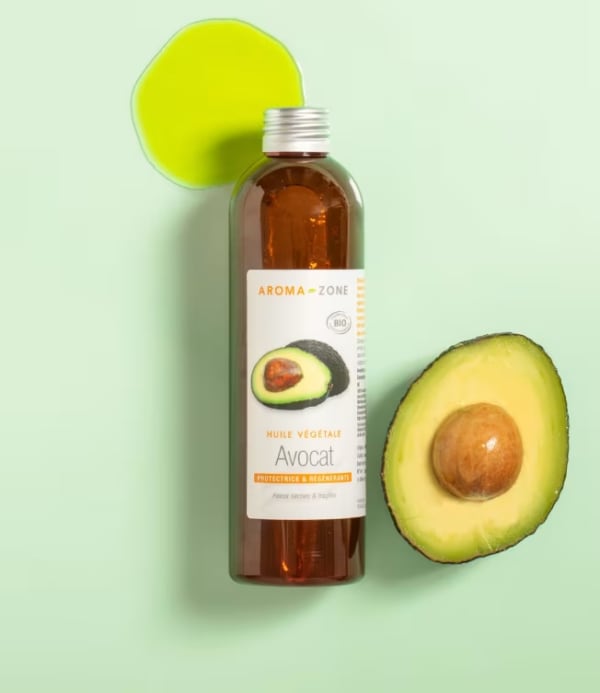
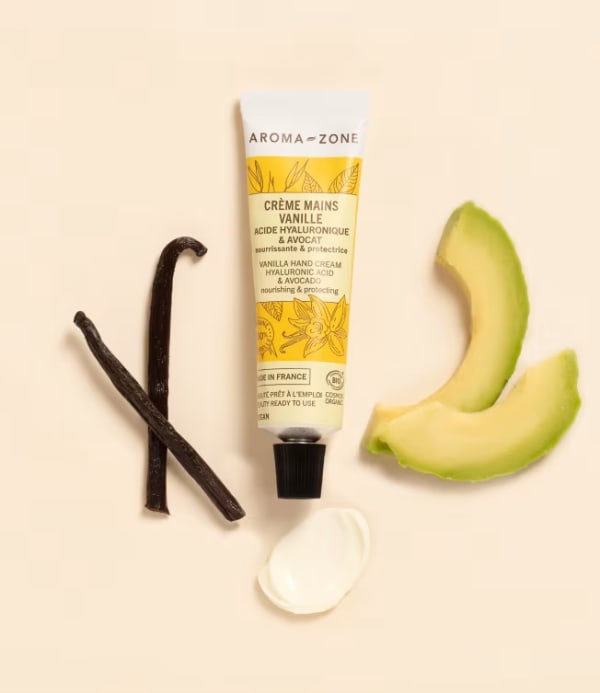
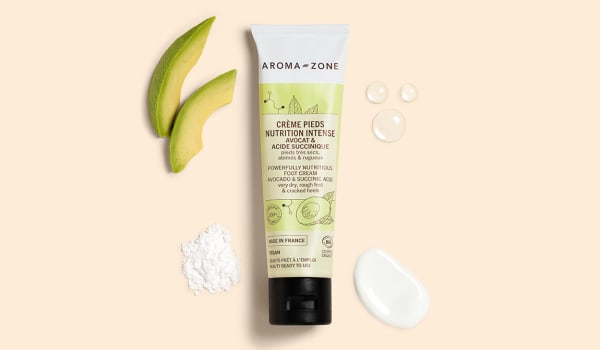
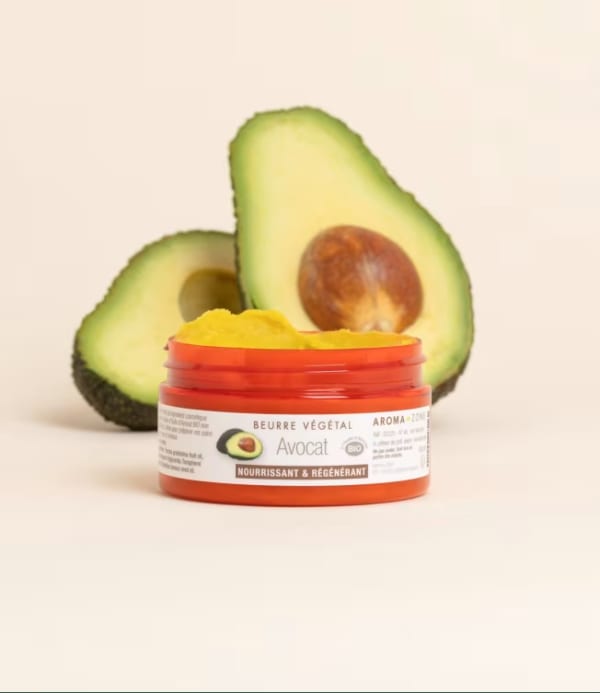
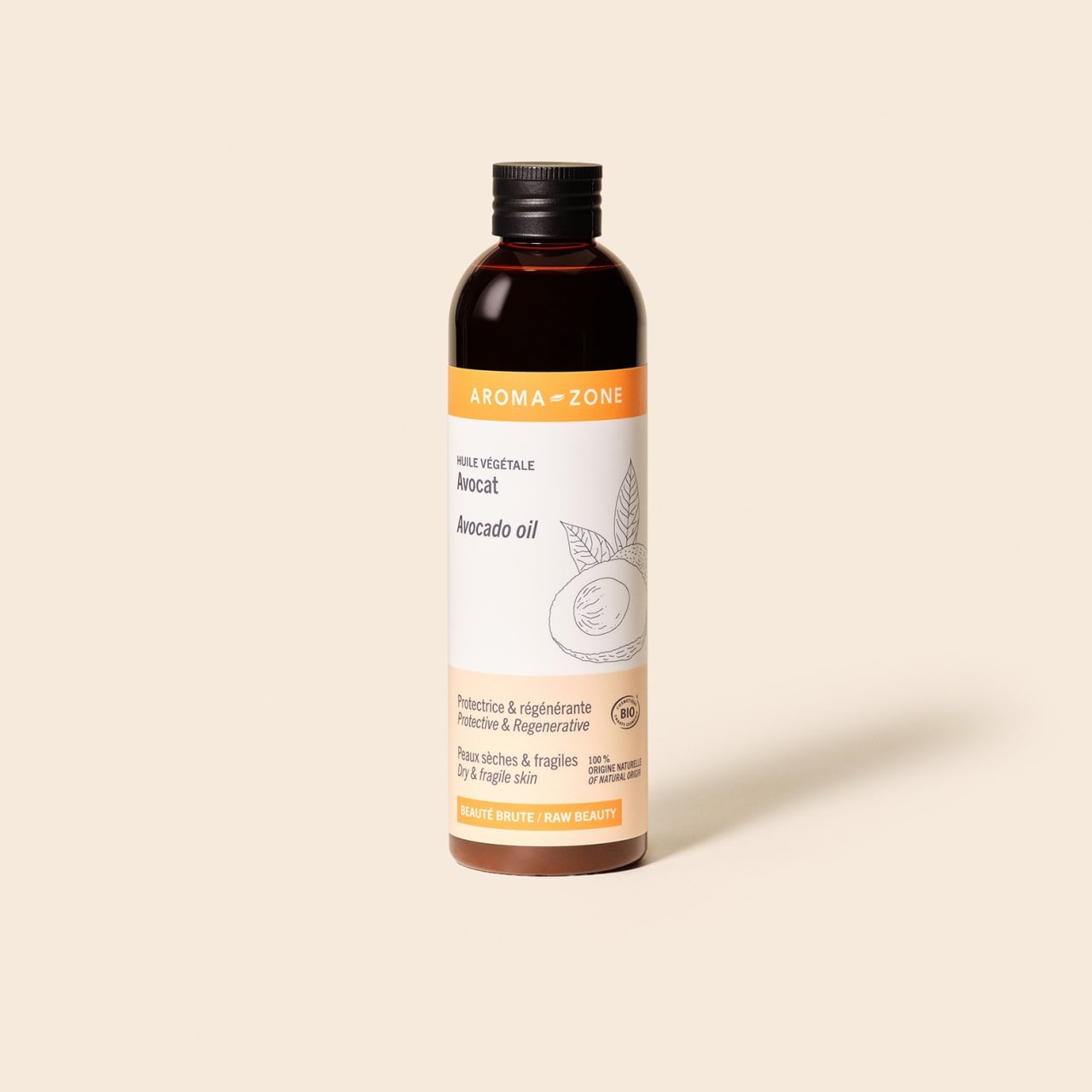
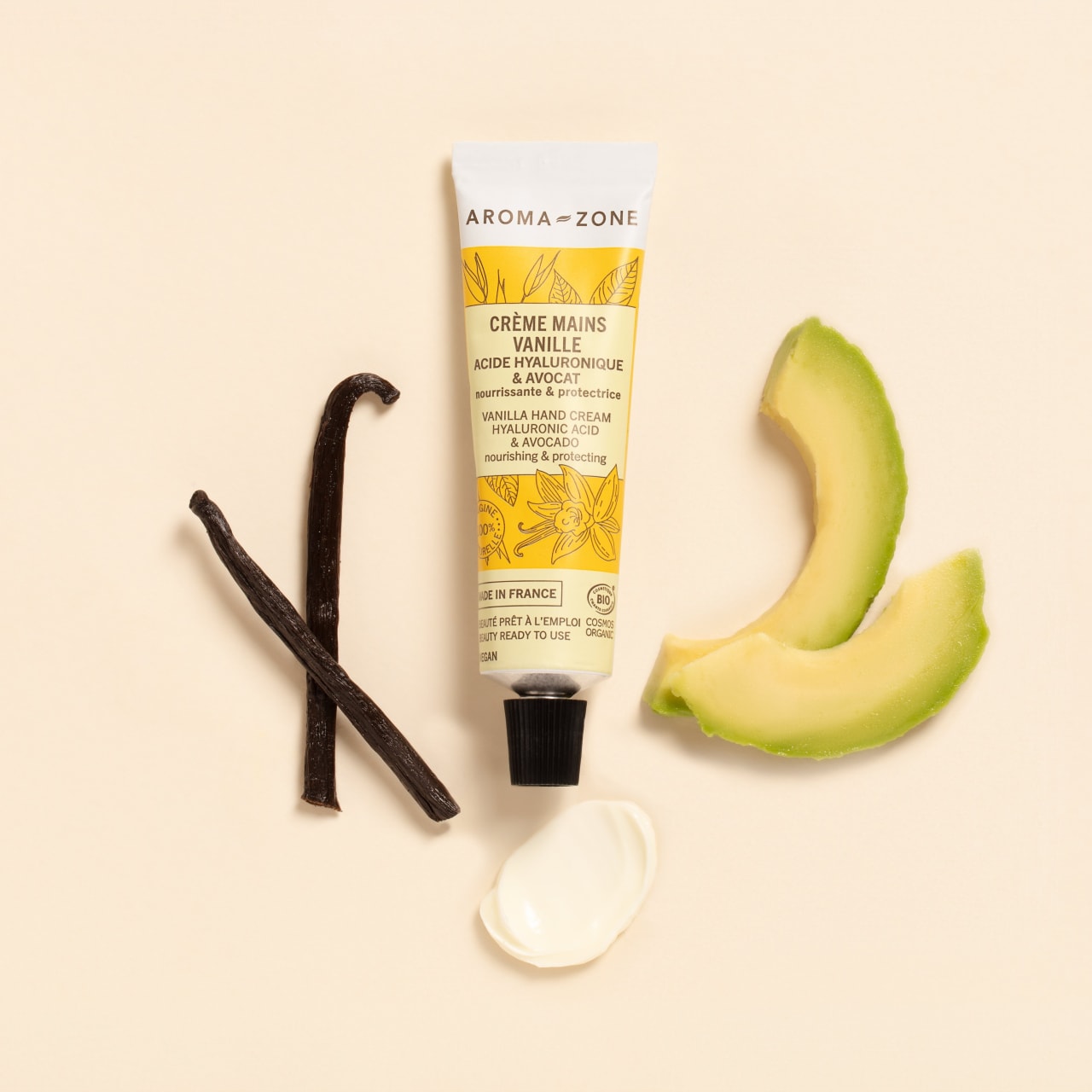
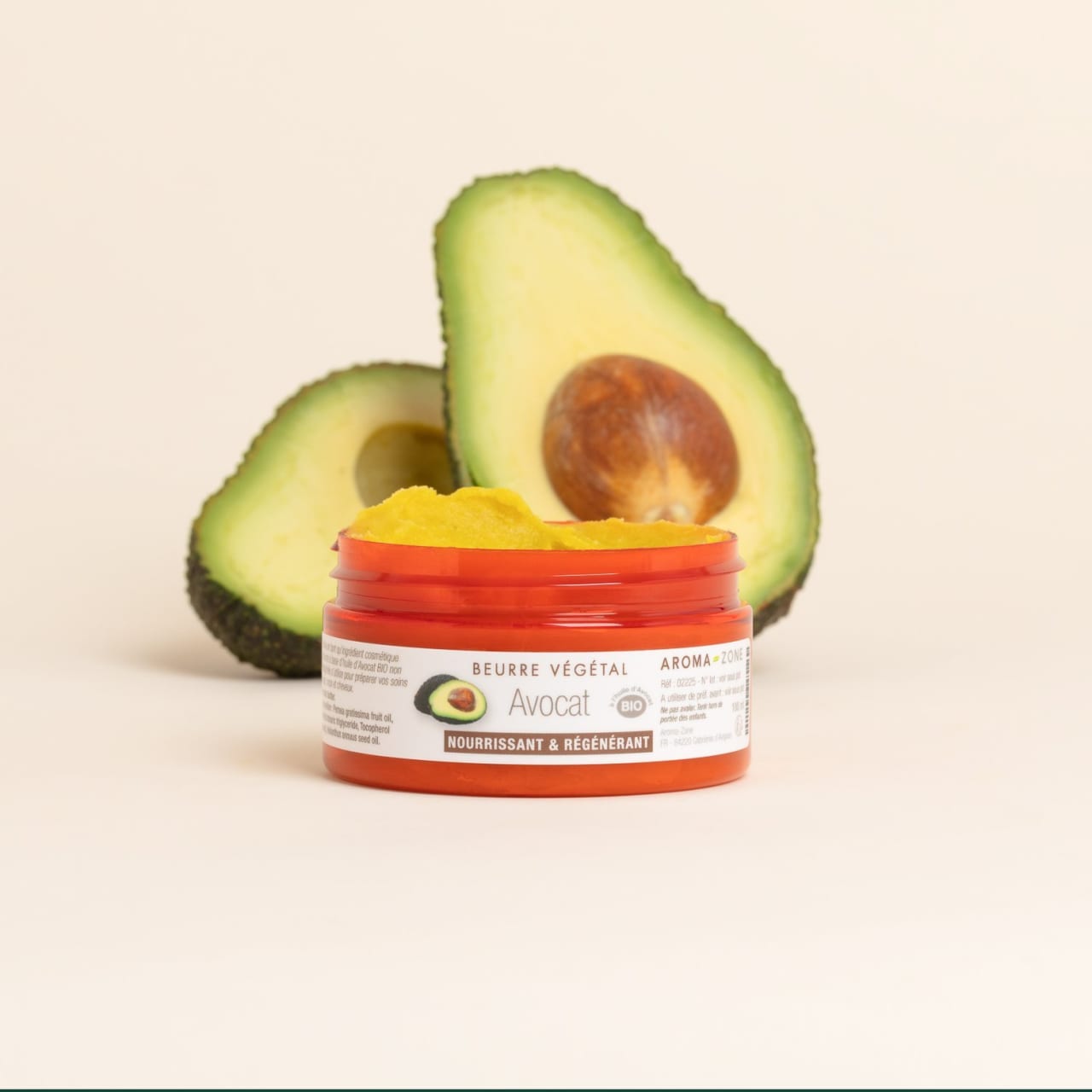
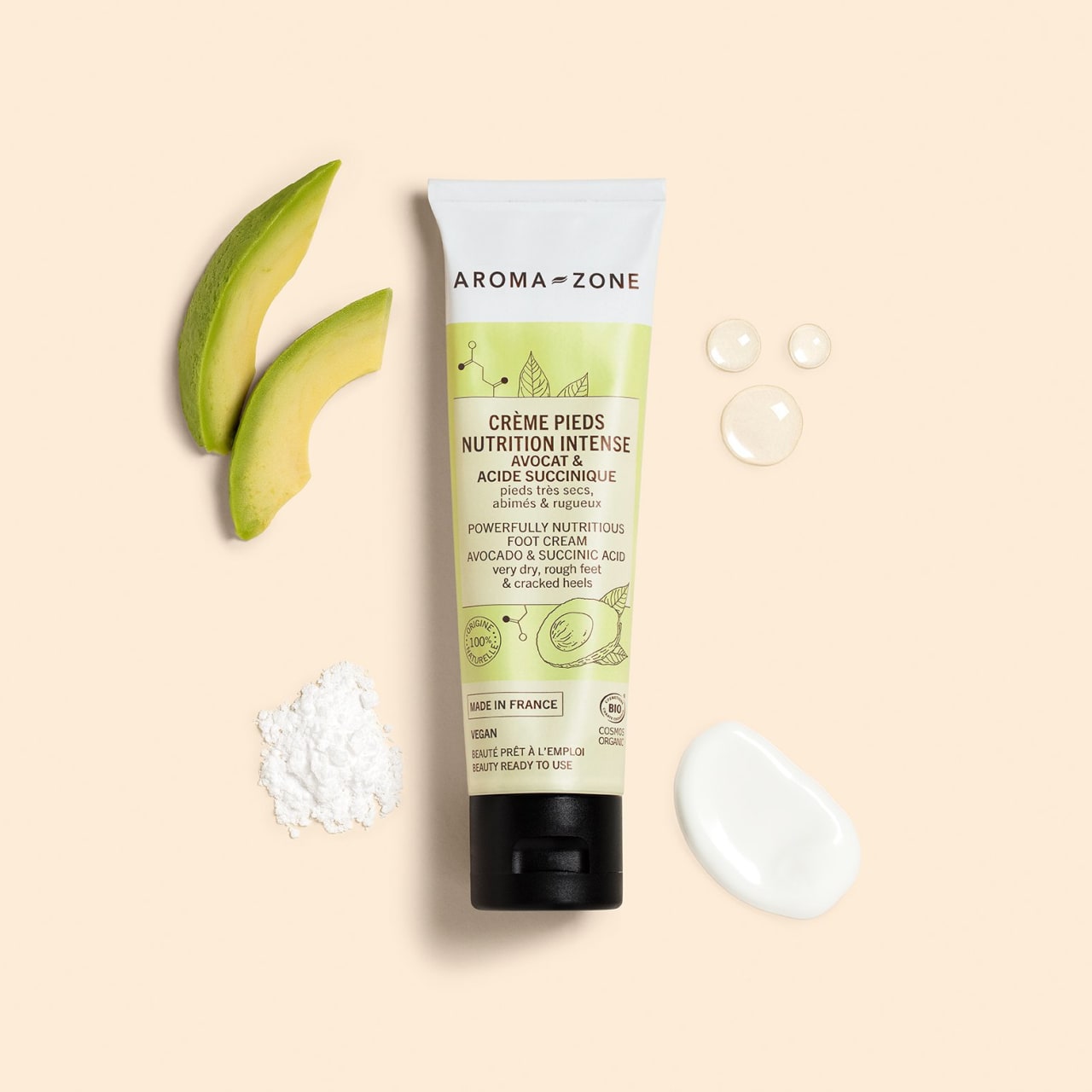
Zoom in on Aroma-Zone products made with avocado
Avocado is a fruit that is generally well tolerated, both in food and cosmetics. However, certain precautions are useful to ensure you can enjoy it safely.
When applied to the skin, whether in the form of oil, butter, or ready-to-use skincare products, it is recommended to test the product on the inside of your elbow 24 hours before first use, especially if you have very sensitive or reactive skin.
In cooking, avocado is naturally rich in lipids. It is therefore advisable to consume it in small quantities as part of a varied and balanced diet. In addition, it is one of the foods moderately rich in FODMAPs, fermentable sugars that can cause digestive discomfort in some people, particularly those with IBS (Irritable Bowel Syndrome) or an imbalance in their microbiota. A moderate portion (about 60 g) is often better tolerated. It is recommended not to consume the pit or skin, which are not edible.
Finally, whether used in cosmetics or cooking, it is best to store avocados and avocado products away from light and heat. Aroma-Zone products containing avocado are for external use only and should not be ingested.
Avocados are rich in unsaturated fatty acids and essential nutrients, but they are also naturally high in calories. To reap all the benefits without overdoing it, it is best to incorporate them into a varied and balanced diet, alternating with other plant sources such as oilseeds and legumes.
In terms of cosmetics, a small amount of oil or butter is enough to effectively nourish the skin or hair. It is best to choose high-quality products and adapt your consumption to your needs in order to combine effectiveness, simplicity, and self-respect.
Although rich in nutrients, avocados contain FODMAPs, fermentable sugars that are sometimes poorly tolerated by people with sensitive digestion. As part of a low-FODMAP diet, it is advisable to limit consumption to around 60 g. Their high fat content can also increase calorie intake if consumed in excess. It is therefore best to incorporate them in small quantities, alternating with other sources of good fats such as nuts, seeds, or vegetable oils.
Spotlight on our editor: Coralie Técher

Coralie has spent seven years working as a journalist and editor specialising in women’s issues. With a particular passion for beauty and wellbeing, she is committed to highlighting nature’s self-care solutions. Always staying up to date with the latest research and trends, she enjoys sharing the most relevant and trustworthy insights with her readers.