
Sarsaparilla (Smilax aspera): Definition, Properties and Benefits

Sarsaparilla (Smilax aspera): Definition, Properties and Benefits


By Catherine Gilette

Published on: Wednesday, November 27, 2024, Updated on: Wednesday, October 28, 2026

Sarsaparilla: Does the name ring a bell? It's the favourite food of the Smurfs, the little blue creatures drawn by Peyo! The Smurfs' sarsaparilla is usually identified as a related species from the Americas, but its Mediterranean cousin, Smilax aspera, is much more than a cartoon snack: it's a plant that has been valued since antiquity for its medicinal properties, traditionally said to bring many benefits, particularly for the skin. And what if the Smurfs were onto something? Let's discover this intriguing plant together.

Contents

Related products

What Is Sarsaparilla?

European Sarsaparilla: A Prickly Climber Native to the Mediterranean

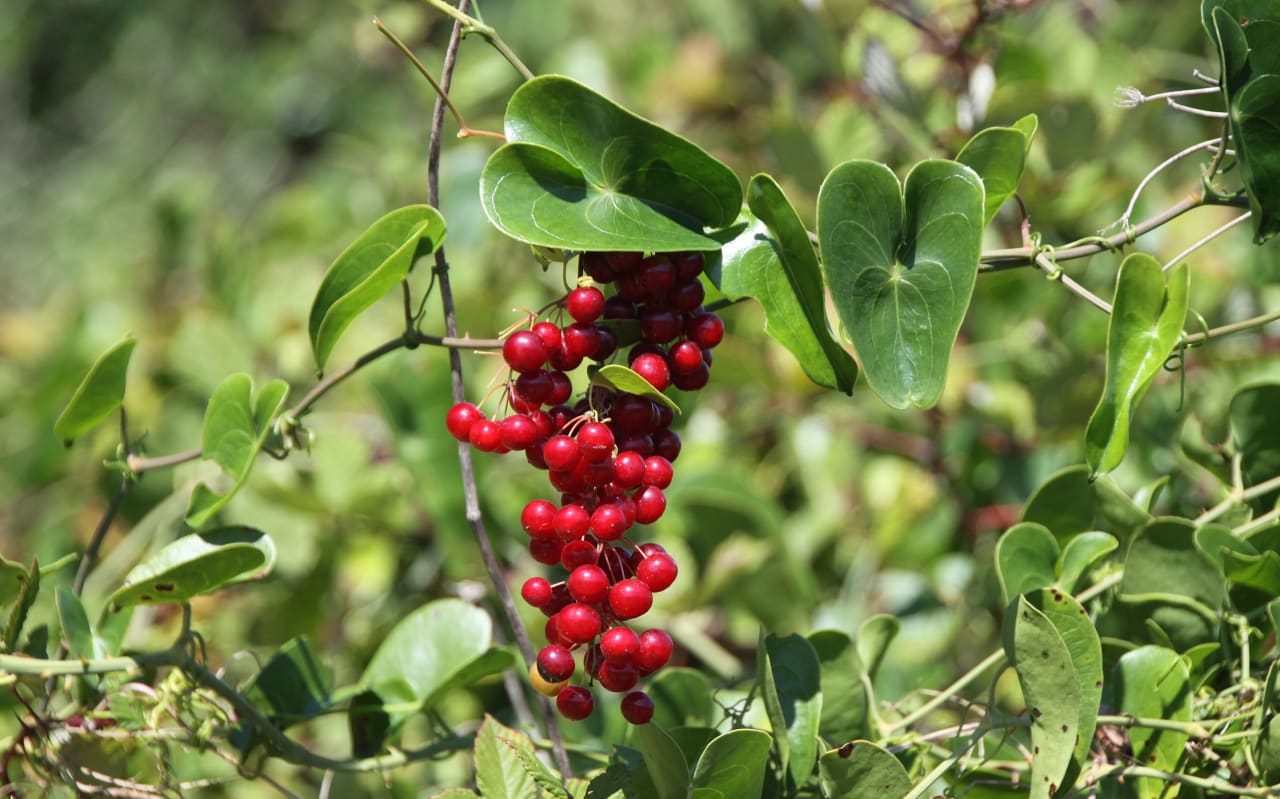
Sarsaparilla, or European sarsaparilla (Smilax aspera), is a perennial climbing subshrub of the Smilacaceae family. Smilax means "bindweed", and aspera refers to the prickles. The name sarsaparilla comes from the Spanish zarzaparrilla, made up of zarza ("bramble") and parrilla ("trellis"). Like many climbing plants, it has distant tropical origins, but European sarsaparilla is native to the Mediterranean region, where it grows in plant communities typical of the Corsican maquis. It occurs in calanques, garrigues, and maquis, as well as among holm oak woods and pine forests. Sarsaparilla prefers rich, well-drained soils, often in a shaded or partly shaded position. It can adapt to various soil types, though it prefers wooded areas.

The plant is about 1m tall. Its stems are woody and prickly, and can reach several metres in length. This is why it is also known as "rough bindweed". The stems also bear tendrils and hooks that allow them to climb and creep, clinging to surrounding supports. The leaves of European sarsaparilla are alternate and glossy green, with a distinctive elongated heart shape and a few prickles around the edge. It flowers from August to October, producing small, discreet, star-shaped flowers grouped in umbels. They are pale yellow and give off a very pleasant fragrance.

Sarsaparilla: What Plant Are We Talking About?

Another species of sarsaparilla, Smilax aristolochiifolia, grows in the wooded areas of Central America, where it uses its tendrils to climb up trees. European sarsaparilla could also be confused with the great sarsaparilla (Aralia racemosa), which belongs to a different botanical family. Finally, it resembles black bryony (Dioscorea communis), but this plant has no prickles on its stem, which makes the two easy to tell apart.

Sarsaparilla Berries: A Poisonous Red Fruit

Sarsaparilla produces red berries that grow in clusters and are said to turn bluish-black when ripe. The berries are poisonous to humans, but birds feed on them.

Sarsaparilla: A Root Traditionally Valued for Its Properties

The root is the part of sarsaparilla most commonly used. It is thought to contain most of the plant's active compounds, which are traditionally linked to its properties.

The Main Properties of Sarsaparilla

Purifying and Stimulating Properties

Sarsaparilla is traditionally valued for its purifying properties and is said to help the body eliminate waste. It has been used as a diuretic, which means it may increase urine production and so help the body get rid of excess water and metabolic waste. These properties are thought to be supported by its antifungal activity, attributed to the saponins found in the root, which may help with certain intestinal infections. It is also traditionally used for its anti-inflammatory action, thought to help ease joint pain and inflammation, including in rheumatism and arthritis. Sarsaparilla is also said to stimulate the immune system and help support the body's natural defences.

Dermatological Properties

Sarsaparilla is traditionally said to have anti-inflammatory, anti-itching, antioxidant and antiseptic properties. Zarzaponin, a steroidal compound found in the plant, is thought to help soothe the appearance of skin lesions, including those associated with psoriasis. Sarsaparilla extracts are also traditionally used to soothe irritation, itching or flaking associated with other skin conditions such as eczema or acne.

Cosmetic Properties

European sarsaparilla is traditionally valued for its purifying and toning properties, and it is used in cosmetic products to help improve the appearance of the skin. Taken internally, it is also traditionally said to support a more radiant-looking complexion.

The Benefits of Sarsaparilla

In short, sarsaparilla is a versatile plant with the following effects:

  • Purifying properties

  • Support for hormonal balance

  • Support for the immune system

  • Antioxidant properties, which may help support the skin

  • Digestive comfort

Natural Uses of Sarsaparilla

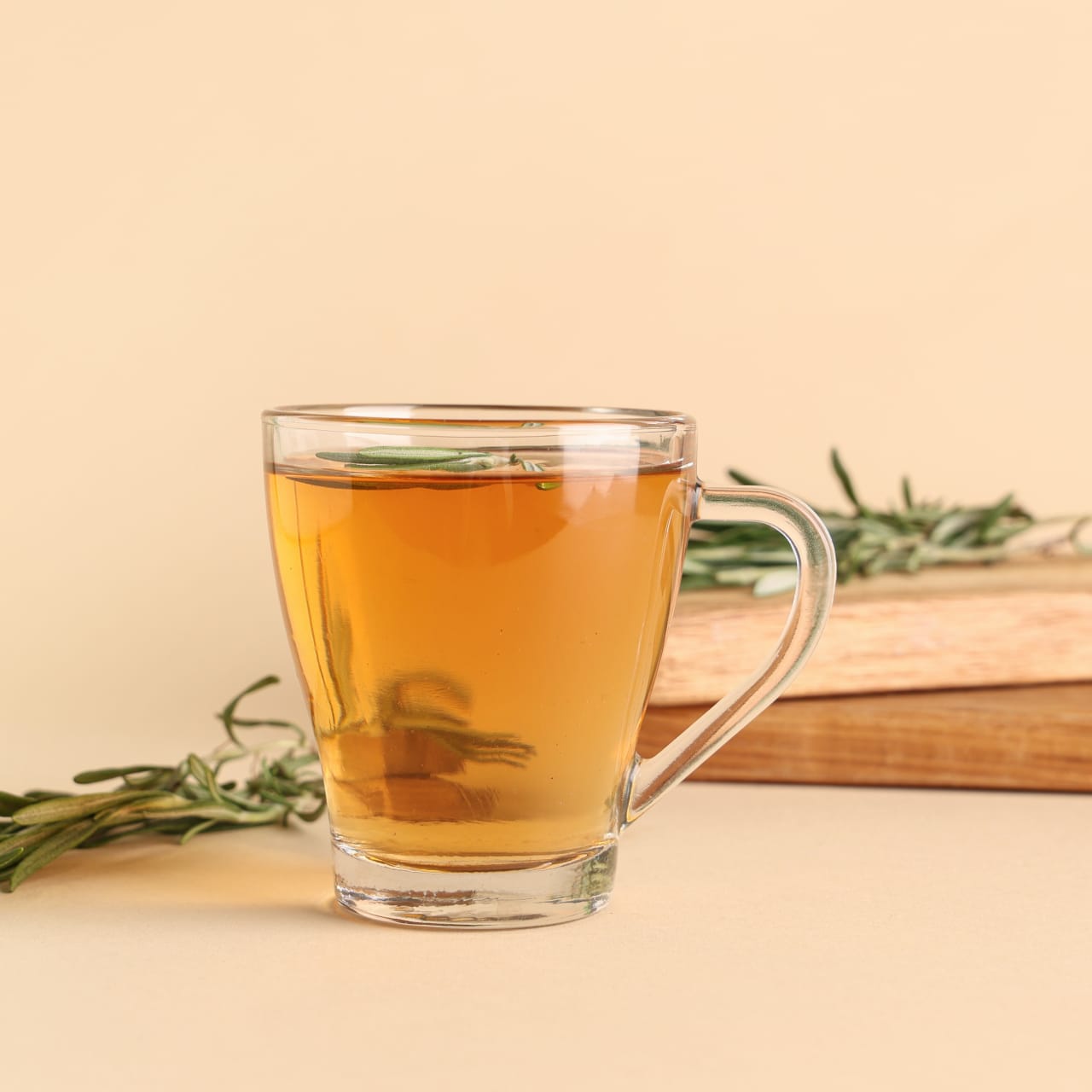
  1. As an infusion or decoction: Sarsaparilla root can be used as an infusion (30g of root per litre of water), traditionally for its diuretic and purifying properties. Drink 2 to 3 cups a day. For skin use, a decoction is traditionally preferred: boil the root for 2 minutes, then leave to stand before use.

  2. In cooking: Young sarsaparilla shoots can be eaten like wild asparagus, adding a distinctive touch to your dishes.

  3. As a dietary supplement: Sarsaparilla root is available as a dry or aqueous extract, mother tincture, capsules or tablets. Always follow the manufacturer’s dosage recommendations.

  4. In cosmetics: For external use, sarsaparilla is traditionally used as a toning lotion (a cooled decoction) or as an extract in creams, for its purifying and toning properties.

Precautions for use

Sarsaparilla is not recommended for pregnant or breastfeeding women, or for people with kidney problems. It is always best to speak to a healthcare professional before using it, especially if you are currently taking medication.

Expert Advice

Popularised by the Smurfs, sarsaparilla is still little known for its traditional uses. A plant with intriguing properties, it deserves to move beyond old spellbooks and legendary potions and find its place in a modern wellbeing routine.

Spotlight on Our Specialist Writer: Catherine Gilette

ada2d2_d8651e3eb63b4f06b1e322964cd90ca6-mv2.webp

Catherine is passionate about plants and their properties. She studied natural cosmetics at the École Lyonnaise des Plantes Médicinales in the early 2000s. Driven by curiosity, she has continued to explore the richness and potential of plants. This led her to train in aromatherapy at the École Française d’Aromathérapie Intégrative. She discovered an almost unexplored world in olfactotherapy, and valuable tools for getting to know herself better and practising what she calls inner ecology.

Bibliography

  1. Karuza, L., Petricic, J., Pitarevic, I., & Blekic, J. (1993).

    Tannins and flavonoid compounds in the plant Smilax aspera L. Farmaceutski Glasnik, 49, 99–99.

  2. Sautour, M., Miyamoto, T., & Lacaille-Dubois, M. A. (2005).

    Steroidal saponins from Smilax medica and their antifungal activity. Journal of Natural Products, 68(10), 1489–1493

  3. Amira, S., Dade, M., Schinella, G., & Ríos, J. L. (2012).

    Anti-inflammatory, antioxidant, and apoptotic activities of four plant species used in folk medicine in the Mediterranean basin. Pak J Pharm Sci, 25(1), 65–72

  4. Park, G., Kim, T. M., Kim, J. H., & Oh, M. S. (2014).

    Antioxidant effects of sarsaparilla via scavenging of reactive oxygen species and induction of antioxidant enzymes in human dermal fibroblasts. Environmental Toxicology and Pharmacology, 38(1), 305–315

Frequently Asked Questions

Frequently Asked Questions

Associated tip
