
According to the World Health Organisation (WHO), probiotics are “live microorganisms which, when administered in adequate amounts, confer a health benefit on the host”. They consist mainly of beneficial bacteria and yeasts, such as lactobacilli and bifidobacteria. These microorganisms help maintain the balance of the gut microbiota by colonising the digestive flora and competing with pathogens. In particular, they produce lactic acid, which creates an environment that is hostile to harmful bacteria.

Probiotics: What Are the Potential Side Effects?
Published on: Monday, October 21, 2024, Updated on: Friday, October 30, 2026
Probiotics are at the centre of many conversations about health and wellbeing. These live microorganisms, often referred to as "good bacteria," help maintain the balance of our gut flora. Their growing popularity stems from the many potential benefits they can offer. That said, like any active substance, they can also cause unwanted effects in some people. Fortunately, there are ways to use them wisely and help limit any side effects.
Contents
Related products

Optimised Curcumin - 30 Capsules
Joint comfort
£15.00
article
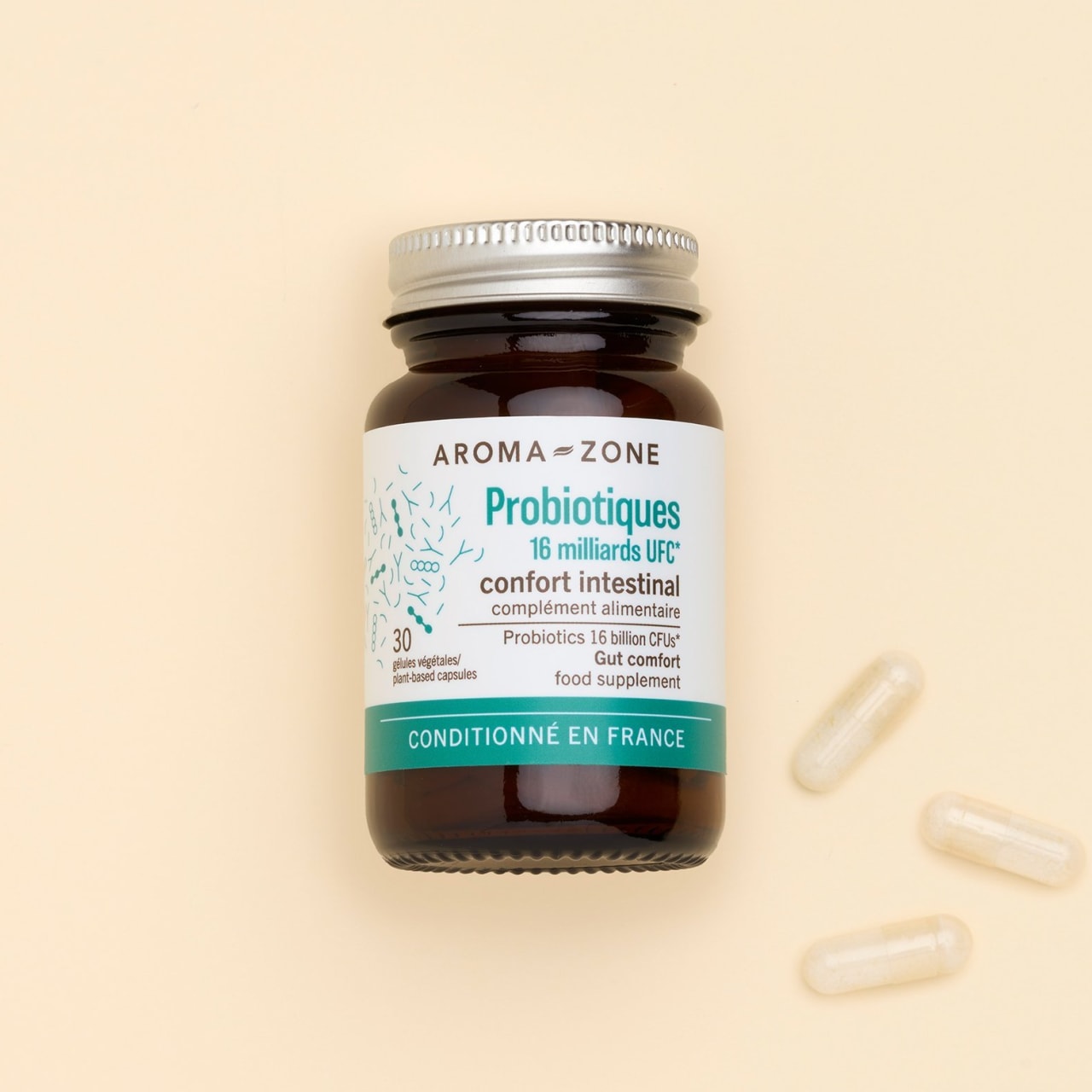
Gut Comfort Probiotics - 30 Capsules
Digestive comfort
£17.00
1 article

£16.00
article
What are probiotics?
What are the benefits of probiotics?
Probiotics offer numerous health benefits. Here is a list of the main recognised benefits:
Improved digestion: They aid the digestive process and promote better absorption of essential nutrients.
Strengthening the immune system: By stimulating the body’s natural defences, they help fight off infections and illnesses.
Balancing the gut flora: They restore and maintain the health of the microbiota, which is essential for general well-being.
Prevention of digestive disorders: They can reduce the symptoms of irritable bowel syndrome, such as bloating, abdominal pain and other digestive problems.
Protection against infections: By inhibiting the growth of pathogens, they reduce the risk of diarrhoea and other intestinal infections.
When should probiotics be used?
The use of probiotics can prove beneficial in many specific circumstances.
They can support the balance of the microbiota or help with sluggish bowel movements. Probiotics – and this is their primary role – can help restore normal bowel function. You can also take them after a period of imbalance. Discover our Gut Comfort Probiotics
When travelling to countries where water and food may be contaminated, probiotics can help prevent traveller’s diarrhoea. By boosting beneficial bacteria in the digestive system, they increase resistance to local pathogens. Probiotics create a protective barrier against harmful microorganisms, reducing the risk of digestive problems linked to consuming contaminated food or water. Discover our Gut Comfort Probiotics
Their use is particularly recommended following a course of antibiotics. This is because antibiotics destroy not only the pathogens responsible for the infection, but also the beneficial bacteria in the gut flora. This disruption can lead to digestive problems and reduced nutrient absorption. Probiotics therefore help restore the balance of the gut microbiota by reintroducing beneficial live microorganisms, promoting faster recovery of the gut flora.
Furthermore, in cases of digestive problems such as constipation, diarrhoea, bloating or irritable bowel syndrome, probiotics can provide significant relief. They help to restore the balance of the gut flora, improving digestion and reducing uncomfortable symptoms. For example, in irritable bowel syndrome, certain strains of probiotics have been shown to be effective.
Finally, probiotics can boost the immune system, especially during periods of stress or seasonal changes. The gut microbiota plays a vital role in modulating immune responses. By maintaining a balanced gut flora, probiotics support the immune system, helping the body to defend itself more effectively against infections. This preventative action is particularly beneficial for people prone to recurrent infections or seasonal illnesses.
What are the potential side effects of probiotics?
Although probiotics are generally considered safe, taking them can lead to side effects in some people. The most commonly reported symptoms include:
Gas and bloating: Increased gas production may occur whilst the gut microbiota adapts to the new bacterial strains.
Loose stools or diarrhoea: Faster bowel movements can lead to looser stools.
Abdominal pain: Cramps or discomfort may occur temporarily.
Allergic reactions: Although rare, some people may be sensitive to certain strains or components of dietary supplements.
It is important to note that these side effects of probiotics are generally temporary and subside as the course of probiotic treatment continues.
How can you use probiotics to minimise side effects?
To maximise the beneficial effects of probiotics whilst minimising any discomfort, it is essential to follow certain recommendations.
When should you take probiotics?
The timing of probiotic intake can greatly influence their effectiveness. It is generally advisable to take them on an empty stomach, i.e. 15 to 30 minutes before a meal, to improve their survival as they pass through the stomach. This is because an empty stomach reduces the microorganisms’ exposure to gastric acids, thereby increasing their chances of reaching the gut flora.
However, taking them during a meal is also beneficial, as food—particularly fats—can protect the probiotics from gastric acids by coating them and slowing gastric emptying.
Taking probiotics in the morning can help establish a daily routine and promote better digestion throughout the day. This morning routine can also optimise nutrient absorption and support the immune system right from the start of the day. It also makes it easier to stick to the treatment plan.
How much should you take? And for how long?
The optimal amount of probiotics varies depending on the product used and the specific needs of each individual. Generally, the recommended doses range from 1 billion to 10 billion colony-forming units (CFU) per day. This dosage range ensures a sufficient quantity of live microorganisms to effectively colonise the gut flora and produce the desired beneficial effects.
The duration of a course of probiotics can range from two weeks to several months, depending on the objectives. Restoring the gut flora after a course of antibiotics, managing chronic digestive disorders or strengthening the immune system in the long term may sometimes require a course lasting several weeks.
It is advisable to consult a healthcare professional to tailor the dose and duration of treatment to your specific symptoms and the results achieved. Medical supervision allows the treatment to be adjusted on an individual basis.
How can you avoid gas and bloating when taking probiotics?
To reduce side effects such as gas and bloating when taking probiotics, consider these strategies.
Firstly, starting with a low dose and gradually increasing it allows the gut microbiota to adapt gently to the new strains of microorganisms. This gradual increase minimises digestive disturbances and helps prevent uncomfortable symptoms.
The choice of strains is also important. Some are better tolerated by the body than others. Probiotics based on Lactobacillus are often recommended for their gentleness and their ability to integrate harmoniously with the existing gut flora. These beneficial bacteria produce lactic acid, which promotes a healthy gut environment and limits the proliferation of pathogens.
Incorporating fermented foods such as yoghurt, kefir or sauerkraut into your daily diet can help the digestive system adapt. These foods are naturally rich in live microorganisms and can prepare the digestive system for the consumption of probiotics in the form of dietary supplements. They help to strengthen the immune system and improve nutrient absorption.
Finally, staying properly hydrated is essential. Drinking enough water helps to promote bowel movements and reduce the uncomfortable symptoms associated with digestive problems. Water aids digestion and helps to relieve abdominal pain, loose stools and bloating. Good hydration also supports general wellbeing and the effectiveness of probiotics in maintaining a balanced gut flora.
By combining these approaches, you can minimise probiotic side effects and maximise their benefits for digestive health.

Probiotics: Balance & Beautiful Skin
Ideal for skin concerns, this natural dietary supplement combines six patented probiotic strains with clinically proven efficacy for blemish-prone and redness-prone skin, plus naturally sourced vitamin B2 to help maintain healthy skin. With 10 billion CFU per capsule for optimal effectiveness and enteric-coated capsules for targeted release into the gut microbiota, it helps rebalance skin from within by acting on the gut-skin axis.
Probiotics: precautions to take
To consume probiotics safely, it is essential to take certain precautions.
First, consult a healthcare professional for advice on the product best suited to your specific needs.
Choose high-quality probiotics from reputable brands, with clearly identified strains and a valid use-by date.
Follow the manufacturer’s instructions regarding dosage, when to take them and storage conditions to ensure they are effective.
Be aware of any symptoms you may experience whilst taking probiotics. If side effects such as wind, bloating or abdominal pain persist, consult a healthcare professional again.
A varied and balanced diet and a healthy lifestyle are essential for the treatment to work effectively.
By following these precautions, you will be able to enjoy the beneficial effects of probiotics on your gut flora and your general well-being, whilst minimising any potential side effects.
Expert advice
Probiotics are valuable allies for our health, offering a host of benefits ranging from improved digestion to a stronger immune system. However, like any active product, they can cause side effects and are not suitable for everyone, all the time. Informed use, based on each individual’s specific needs and guided by a healthcare professional, is essential to reap the full benefits while minimising adverse effects.
Meet Our Expert Writer: Stéphanie Le Guillou

Stéphanie is a pharmacist (since 2010) and holds a PhD in molecular biology (since 2012). Passionate about writing, she has produced medical content for nearly 15 years. Her goal is to make information accessible and easy to understand, without ever sacrificing scientific accuracy.
Bibliography
INSERM. ReflOrir or faire flOrir: What are probiotics and prebiotics? August 2020.
Mezzasalma et al. 2016. A randomised, double-blind, placebo-controlled trial: the efficacy of multispecies probiotic supplementation in alleviating symptoms of irritable bowel syndrome associated with constipation. BioMed Research International.
Saggioro et al. 2004. Probiotics in the treatment of Irritable Bowel Syndrome. Journal of Clinical Gastroenterology. 38(8): 104–106.



