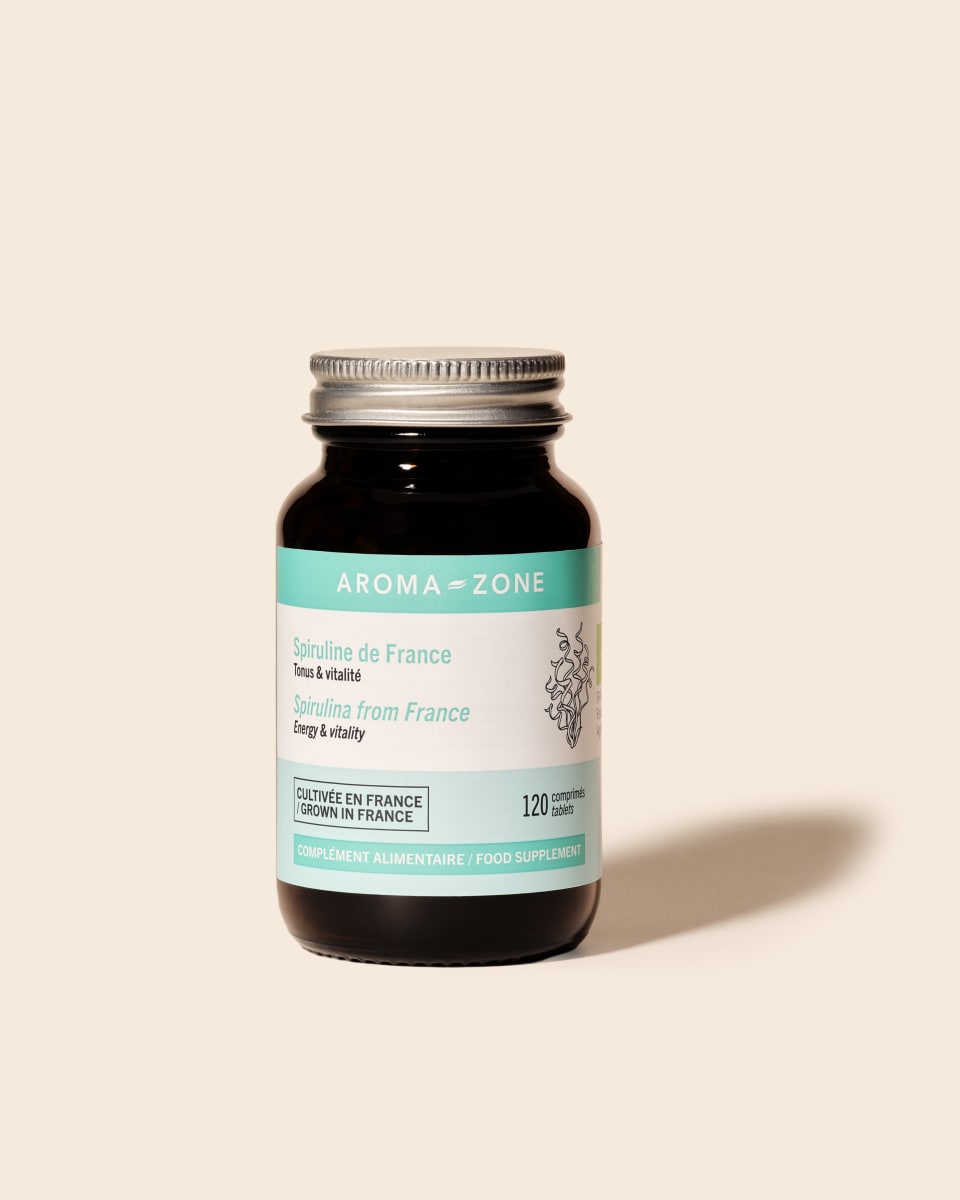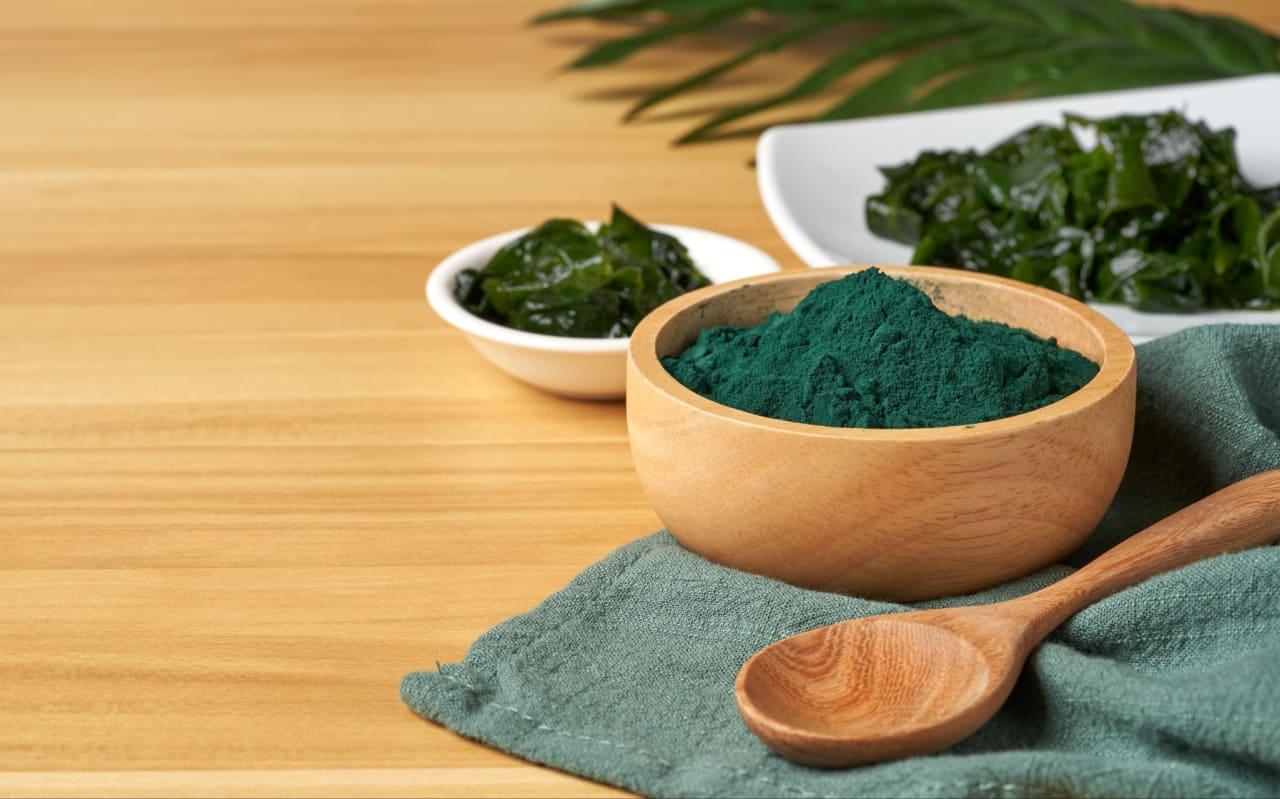
Spirulina is a filamentous cyanobacterium, often referred to as a micro-algae, and is one of the oldest living organisms on Earth. It is renowned for its exceptional nutritional properties and is used as a food supplement. Here are some key characteristics of spirulina:
Origin and cultivation: spirulina grows naturally in the warm, alkaline waters of certain tropical and subtropical lakes. It is now grown in tanks specially designed for commercial production.
Nutritional composition: spirulina is rich in protein (around 60-70% of its dry weight), vitamins (including B1, B2, B3, B6, B9, C and E), minerals (iron, calcium, magnesium, zinc and potassium) and essential fatty acids such as omega-6. It also contains beneficial pigments such as chlorophyll and phycocyanin.
Uses and benefits: thanks to its high nutritional value, spirulina is used to improve endurance, boost the immune system, detoxify the body and supplement vegetarian and vegan diets.
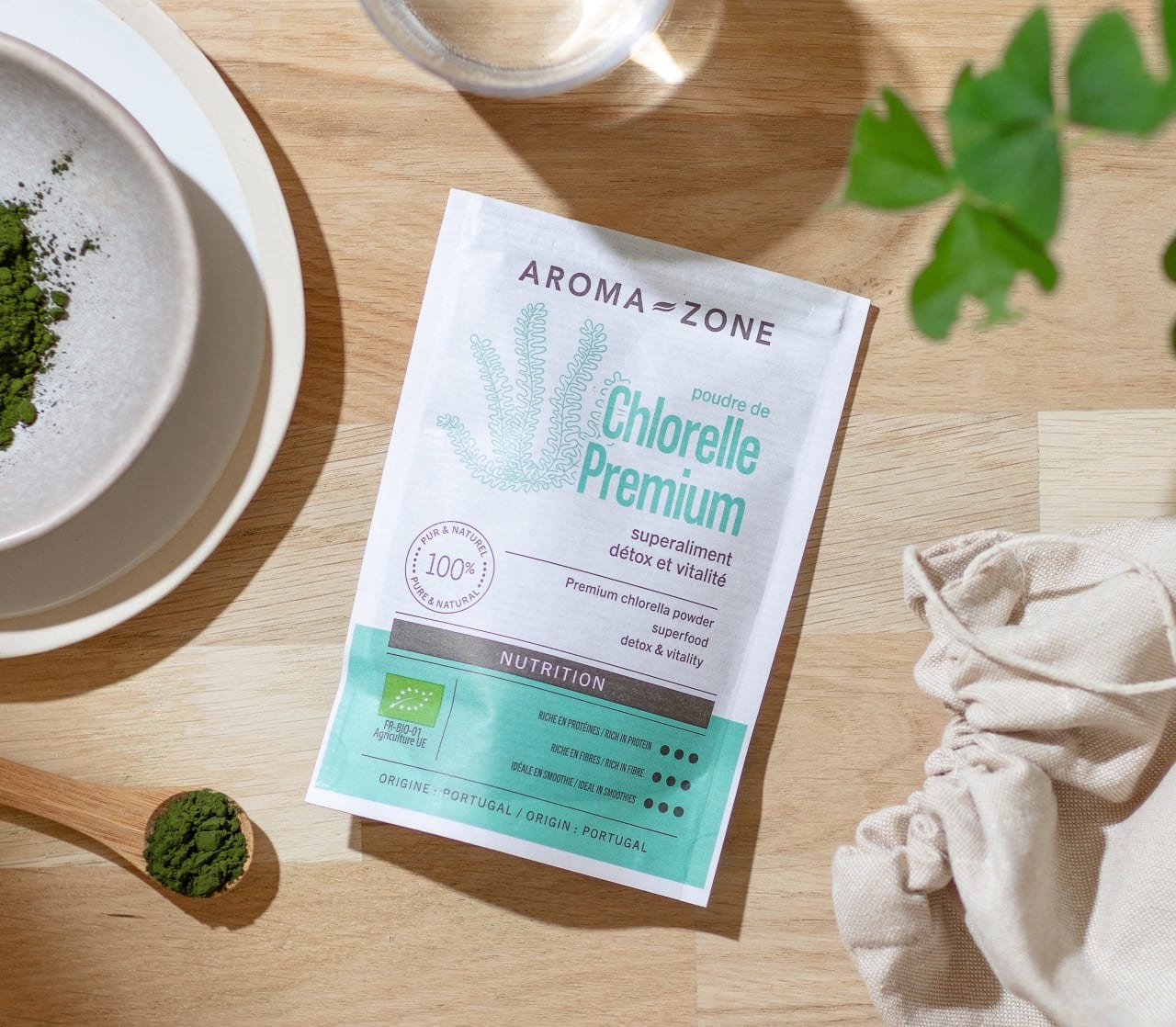
Forms of consumption: spirulina is available as a powder, tablet or capsule, or incorporated into foods such as energy bars and drinks.