
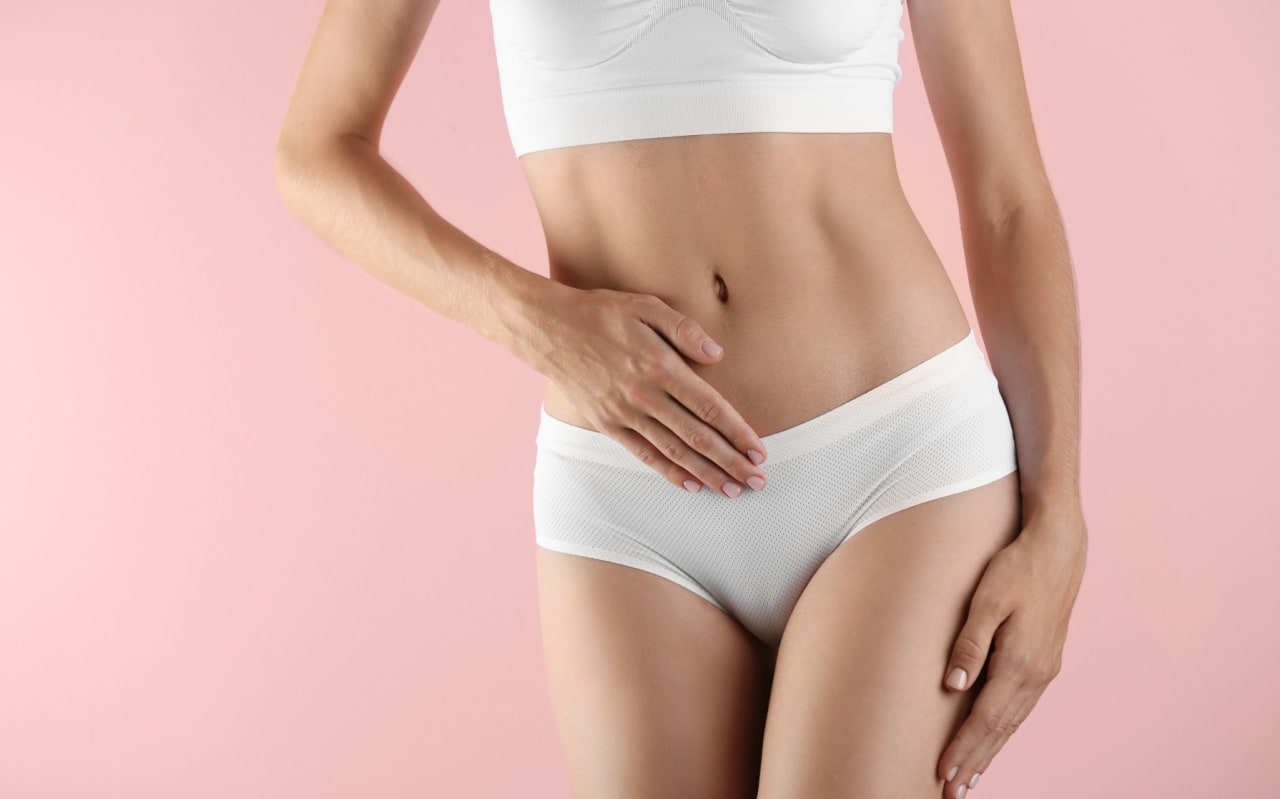
An ingrown pubic hair occurs when the hair, instead of growing normally to the surface of the skin, curls and pushes back under the skin. This often happens after waxing or shaving, when the hair regrows and tries to break through the skin’s surface. However, instead of growing out normally, it curls back and penetrates the skin again, causing inflammation and sometimes infection.
How to prevent ingrown pubic hairs
Published on: Tuesday, May 14, 2024, Updated on: Wednesday, October 28, 2026
An ingrown pubic hair is a hair that, instead of growing properly through the skin, curls back and penetrates the skin again. Both painful and unsightly, how can you get rid of them easily and safely? We’re sharing all our tips to help you get rid of them and prevent them from coming back. With our tips, you’ll say goodbye to ingrown hairs!
Contents
Related products
Organic Sugar Body Scrub
Exfoliating
£9.00
200 g
Organic Sweet Almond Oil
Protective
£13.00
250 ml
2 options
Organic Native Aloe Vera Gel
Protective
Nourishing
£10.00
250 ml
3 options
What is an ingrown pubic hair?
Why do we get ingrown pubic hairs?
Ingrown pubic hairs can occur for several reasons, often related to hair removal or shaving. Here are some factors that contribute to the appearance of ingrown pubic hairs:
Waxing or shaving: Frequent shaving or the use of hair removal techniques such as waxing or depilatory creams can cause hairs to break at the skin’s surface. When the hairs grow back, they can curl or grow back into the skin, causing ingrown hairs.
Wearing tight clothing: Wearing tight clothing, especially synthetic underwear, prevents the skin from breathing properly. This can lead to excessive irritation and friction, which promotes the development of ingrown hairs.
Accumulation of dead skin cells: The buildup of dead skin cells around hair follicles can clog pores. If pores are blocked, hair cannot grow normally to the skin’s surface, leading to ingrown hairs.
The structure of the hair and hair follicles themselves: Some people have hair follicles that are naturally deeper or more curved, making ingrown hairs more likely to form. Instead of growing straight out, they curl back or fail to reach the skin’s surface.
In summary, ingrown pubic hairs often result from a combination of hair removal or shaving practices, individual characteristics, or environmental factors. Identifying the cause of this skin condition is the first step toward proper treatment.
How can you recognise them? What are their characteristics?
They are painful: Ingrown pubic hairs are often painful to the touch or where the seam of your underwear rubs. This pain can vary in intensity depending on how deep the ingrown hair is and how inflamed the area is.
They form a bump that looks like a pimple: A sort of bump that looks like a pimple forms under the skin where the hair is. This bump can be small or larger depending on the depth and extent of the ingrown hair.
Itching or irritation: Ingrown pubic hairs can also cause itching or irritation in the affected area. This sensation can be mild or more pronounced depending on the inflammation and irritation of the skin.
The hair is not visible: In some cases, the ingrown hair may be visible on the skin’s surface, similar to a regular hair. However, in other cases, the hair may be buried deeper beneath the skin, making it harder to detect.
How to get rid of ingrown pubic hairs? We explain how to remove them in 5 steps
Removing an ingrown hair from the pubic area can sometimes be tricky and requires a gentle approach to avoid further irritating the skin. Here are a few steps to follow to safely remove an ingrown hair:
Prepare the area: Before you begin, make sure the skin around the ingrown hair is clean and disinfected.
Use sterile tools: If the ingrown hair is visible on the skin’s surface and accessible, you can use a pair of sterile tweezers to remove it. Be sure to disinfect the tweezers with alcohol before using them to prevent infection.
Gently remove the hair: Using the tweezers, gently grasp the ingrown hair as close to the skin’s surface as possible. Pull gently in the direction of the hair’s natural growth to avoid breaking or snapping it.
Disinfect the area: After removing the ingrown hair, gently clean the area with a mild antiseptic to prevent infection. Avoid applying irritating or alcohol-based products, as they may worsen skin irritation.
Monitor the area: After removing the ingrown hair, monitor the area for any signs of infection or complications. If redness, swelling, or pain persists or worsens, consult your doctor or speak with your pharmacist.
If the ingrown hair is deeply rooted or cannot be easily removed with tweezers, avoid digging or aggressively manipulating the skin. This could lead to further irritation or infection. We recommend consulting a doctor or dermatologist if it is causing you discomfort.
Expert Tip
To properly open the skin’s pores and soften the hair, you can apply a warm—not hot—towel to the pubic area. The skin will be much softer, and the hair will come out much more easily. This will prevent discomfort and make removal easier.
Our selection of products to prevent ingrown hairs
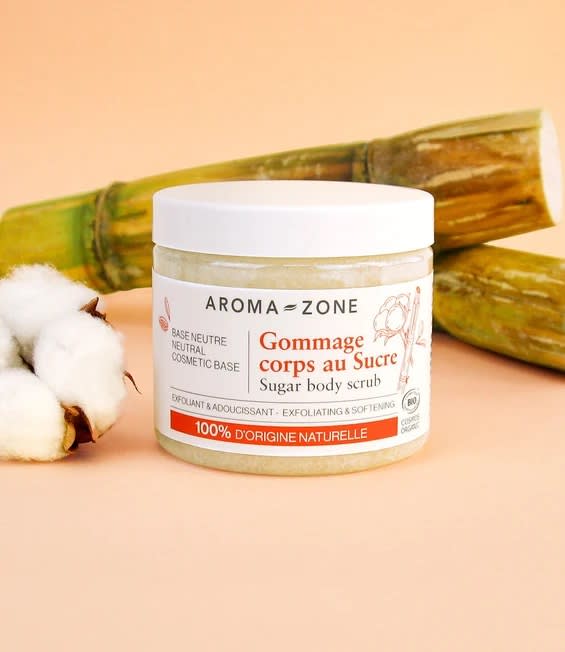
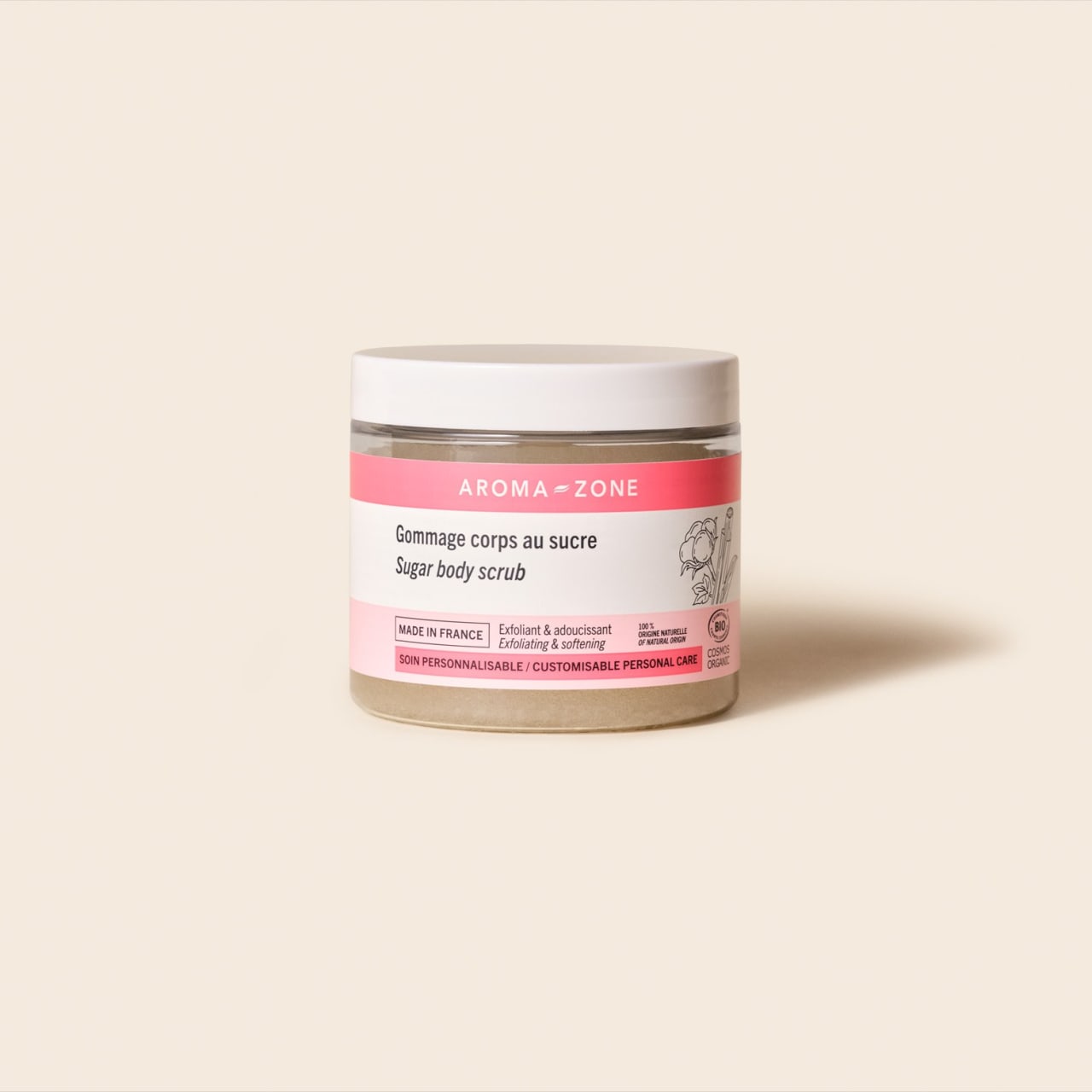
Organic Sugar Body Scrub
Exfoliation gently removes dead skin cells from the pubic area that could clog pores. This scrub leaves the skin smooth, soft, and ready for hair removal, thereby reducing the risk of ingrown hairs.
Our certified organic body scrub, 100% natural, effectively exfoliates and removes dead skin cells and impurities for soft, smooth, and velvety skin. Its ultra-rich gel texture, infused with organic cotton, argan, and sweet almond oils, transforms into a milky veil upon contact with water, leaving the skin supple and nourished.
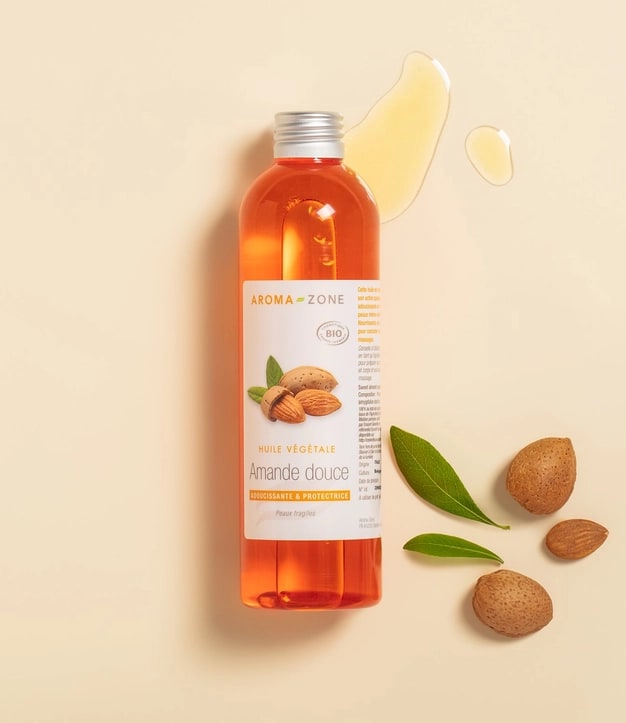
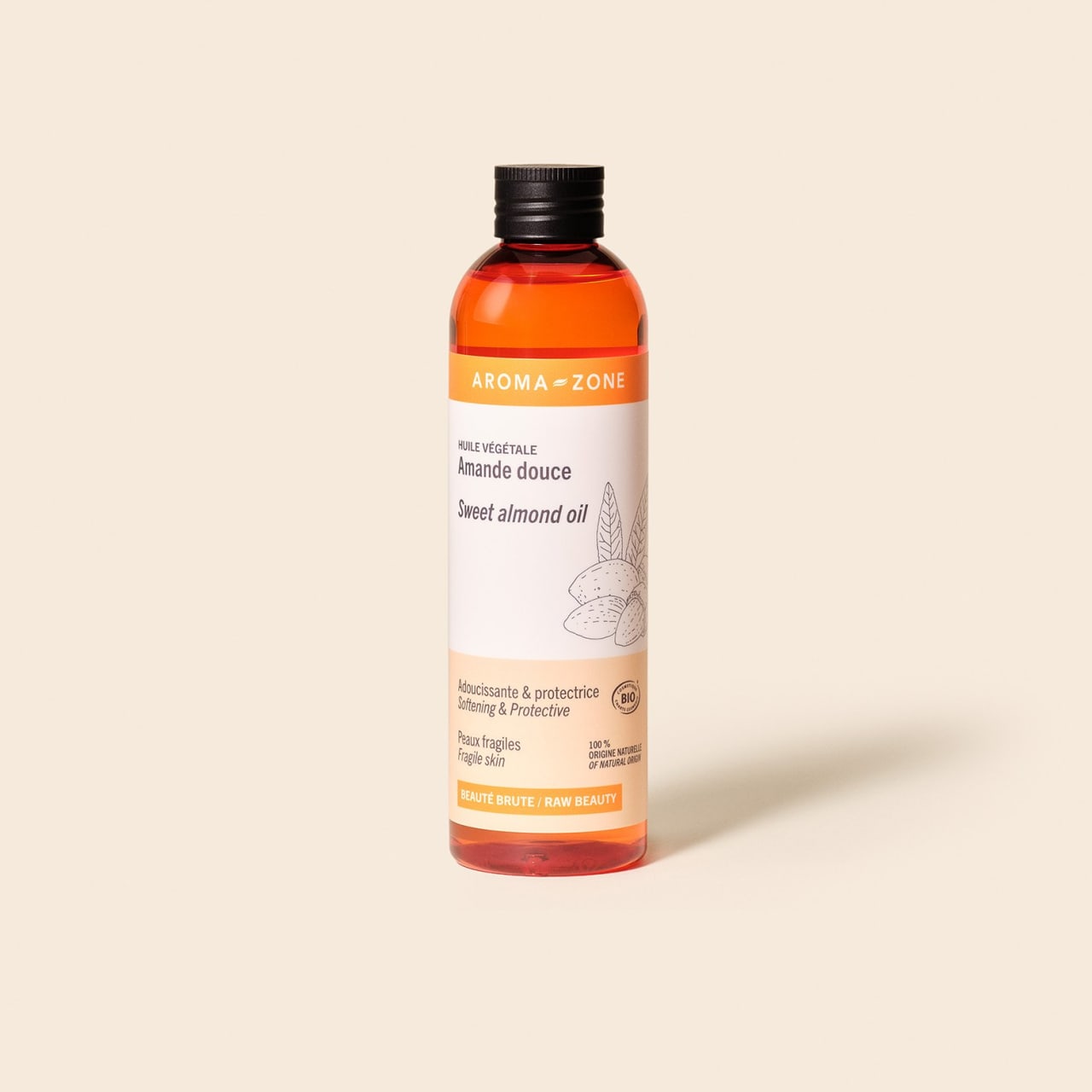
Sweet almond oil
Sweet almond oil is a natural, soothing moisturiser that deeply nourishes the skin and helps reduce irritation after waxing or shaving. Apply a few drops of sweet almond oil to the pubic area after each hair removal session to maintain optimal hydration and prevent ingrown hairs.
Our Sweet Almond Oil is prized for its soothing and softening effects on delicate and dry skin. It’s used to create nourishing treatments for all skin types, especially tight and uncomfortable skin. Thanks to its emollient, softening, and fortifying properties, it helps repair skin damaged during shaving.
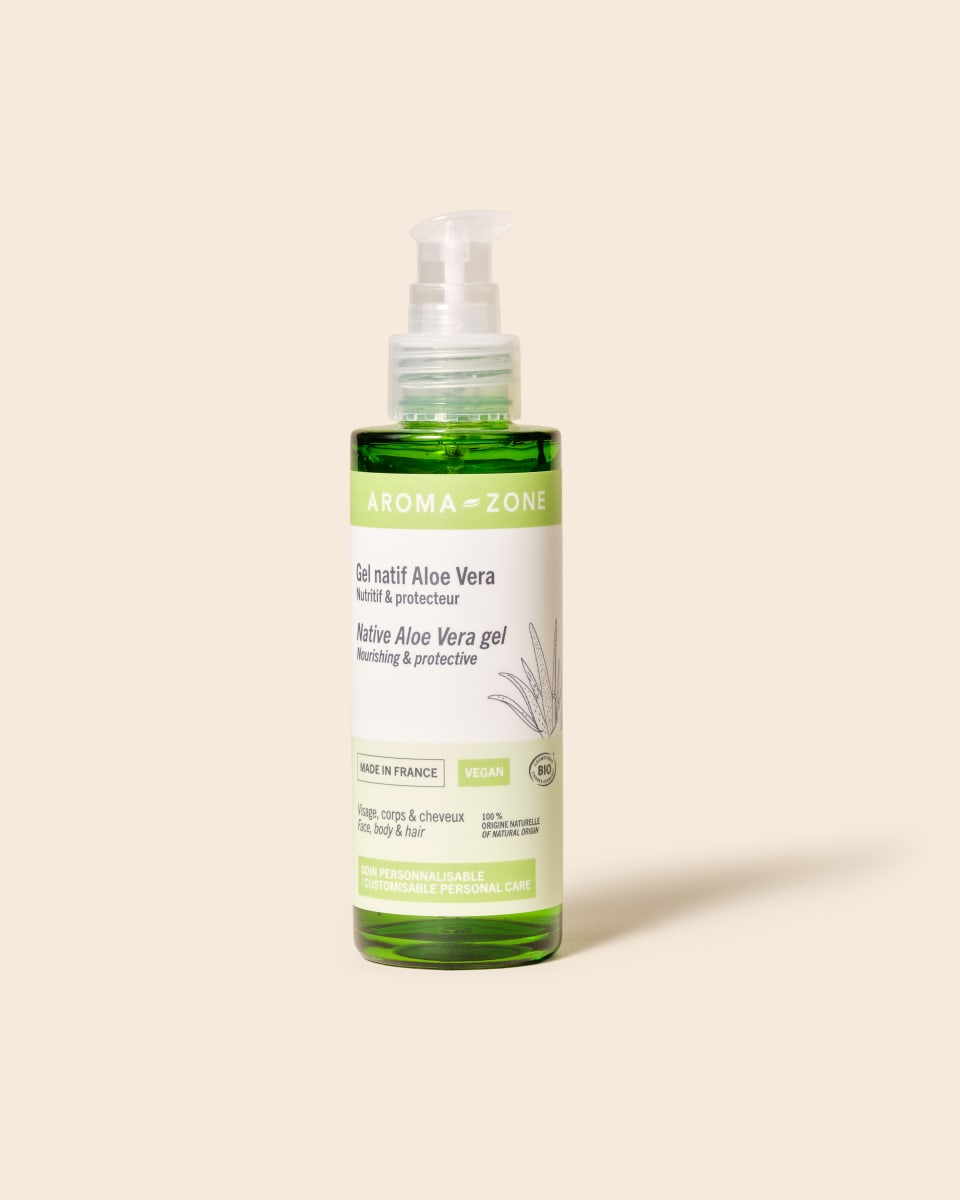
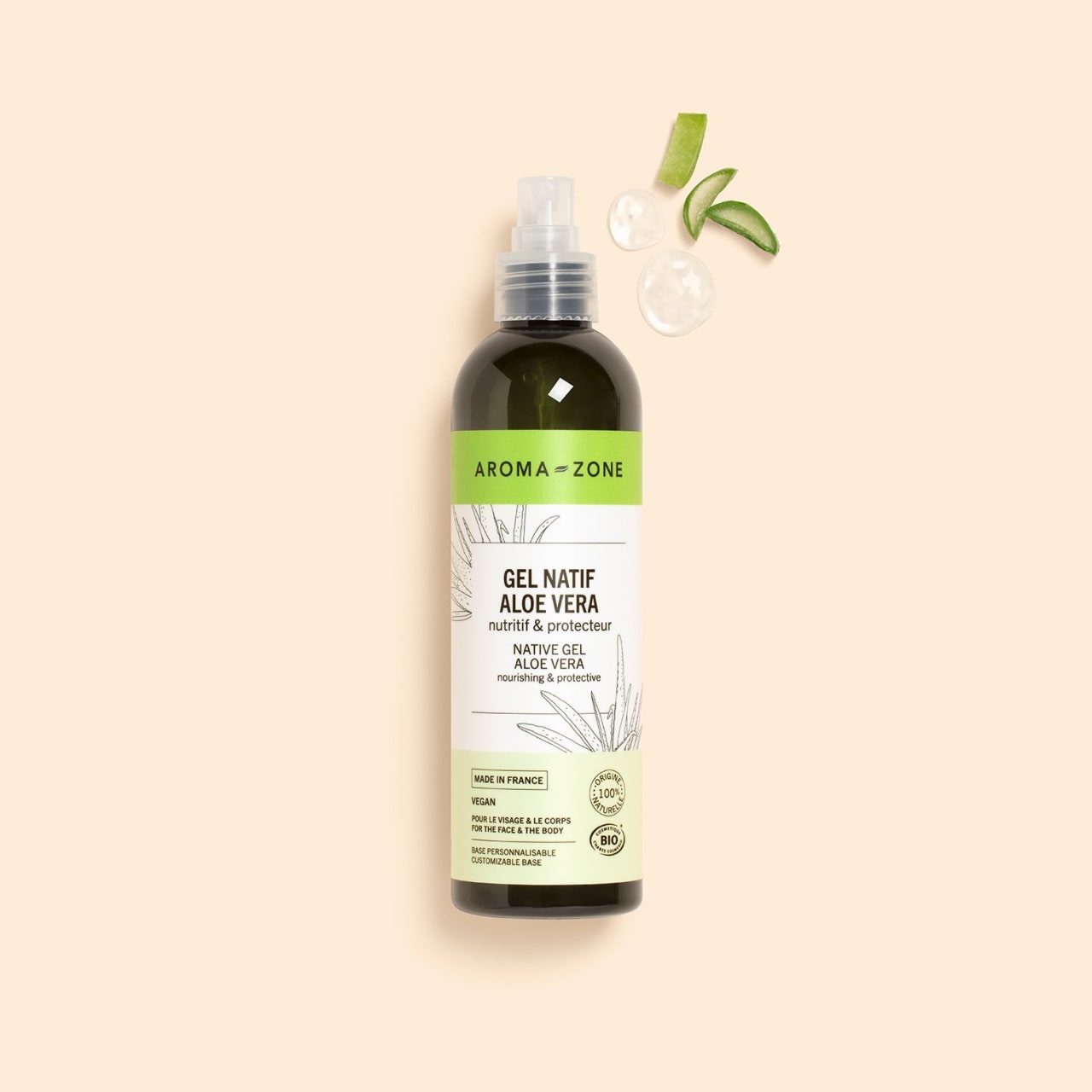
Aloe vera gel
Aloe vera is known for its soothing properties, making it an ideal choice for treating ingrown hairs and relieving skin irritation. Apply fresh aloe vera gel to the affected area to soothe the skin and promote rapid healing. Use it regularly as a preventive treatment to maintain healthy skin free of ingrown hairs.
This Aloe vera gel is made from fresh native juice, with a guaranteed aloeverose content of at least 1200 mg/L, extracted from the heart of the Aloe vera plant by simply adding a natural gelling agent, a natural preservative, and arginine to create a formula suitable for cosmetic use. Regenerating, it cares for skin prone to redness. Soothing, it relieves skin prone to irritation and itching. Although highly absorbent, the Aloe vera gel creates a protective film on the skin’s surface against wind, salt, sun, or dirt particles.
What are the best steps to take?
In addition to prevention techniques, there are a few good habits to adopt to keep ingrown pubic hairs from coming back.
Be careful not to shave too often or too aggressively: Excessive or too frequent shaving of the pubic area can cause skin irritation and promote the development of ingrown hairs. It is recommended to space out shaving sessions and use a clean, sharp razor blade to avoid cuts and irritation. Additionally, be sure to use a shaving gel or foam suited to your skin type to reduce friction and irritation.
Do not scratch ingrown hairs: If they hurt or irritate you, scratching will not provide relief but will worsen the pain and inflammation. Furthermore, this can increase the risk of infection by introducing bacteria into the already inflamed hair follicles. Instead of scratching, use gentle methods to relieve irritation, such as applying warm compresses or using soothing products (aloe vera, chamomile, sweet almond oil, etc.). Resist the urge to scratch, and you’ll speed up healing while reducing the risk of complications.
Avoid tight-fitting and synthetic underwear: Underwear that is too tight or made from synthetic materials can create an environment conducive to the buildup of heat and moisture. Instead, opt for breathable cotton underwear that keeps your skin dry and cool. Also, make sure your underwear isn’t too tight, as this can cause excessive friction and worsen ingrown hairs.
Precautions
Sensitivity test: Perform a sensitivity test on a small area of skin before applying these products to a larger area to ensure there is no allergic reaction.
Gentle exfoliation: Use a gentle scrub to exfoliate the pubic area once or twice a week. Use light circular motions to avoid irritation.
Moderate application: Use a moderate amount of each product to avoid overloading the skin and causing clogged pores or irritation.
Avoid tight clothing: After hair removal and applying products, wear loose-fitting clothing to reduce friction and allow the skin to breathe.
Expert advice
To prevent ingrown pubic hairs, avoid shaving too closely or against the direction of hair growth. Always use a clean, sharp blade, and make sure not to apply excessive pressure to the skin while shaving. After shaving, rinse with cold water to close the pores and reduce the risk of inflammation.
Spotlight on Our Writer, Laura Almeras

Laura is a health, beauty and lifestyle writer. Passionate about travel and gastronomy, she shares all her nutritional advice on how to combine pleasure with well-being. Through her articles, she is committed to providing you with meaningful information and practical advice to nourish your body and mind.
Bibliography
https://centremedicalcroixrousse.fr/comment-traiter-et-prevenir-les-poils-pubiens-incarnes-dans-le-centre-medical-croix-rousse-lyon/
https://dermatologue.ca/patients-et-grand-public/cheveux/poils-incarnes/



