




I experience muscle or joint stiffness when I wake up – what can I do about it?

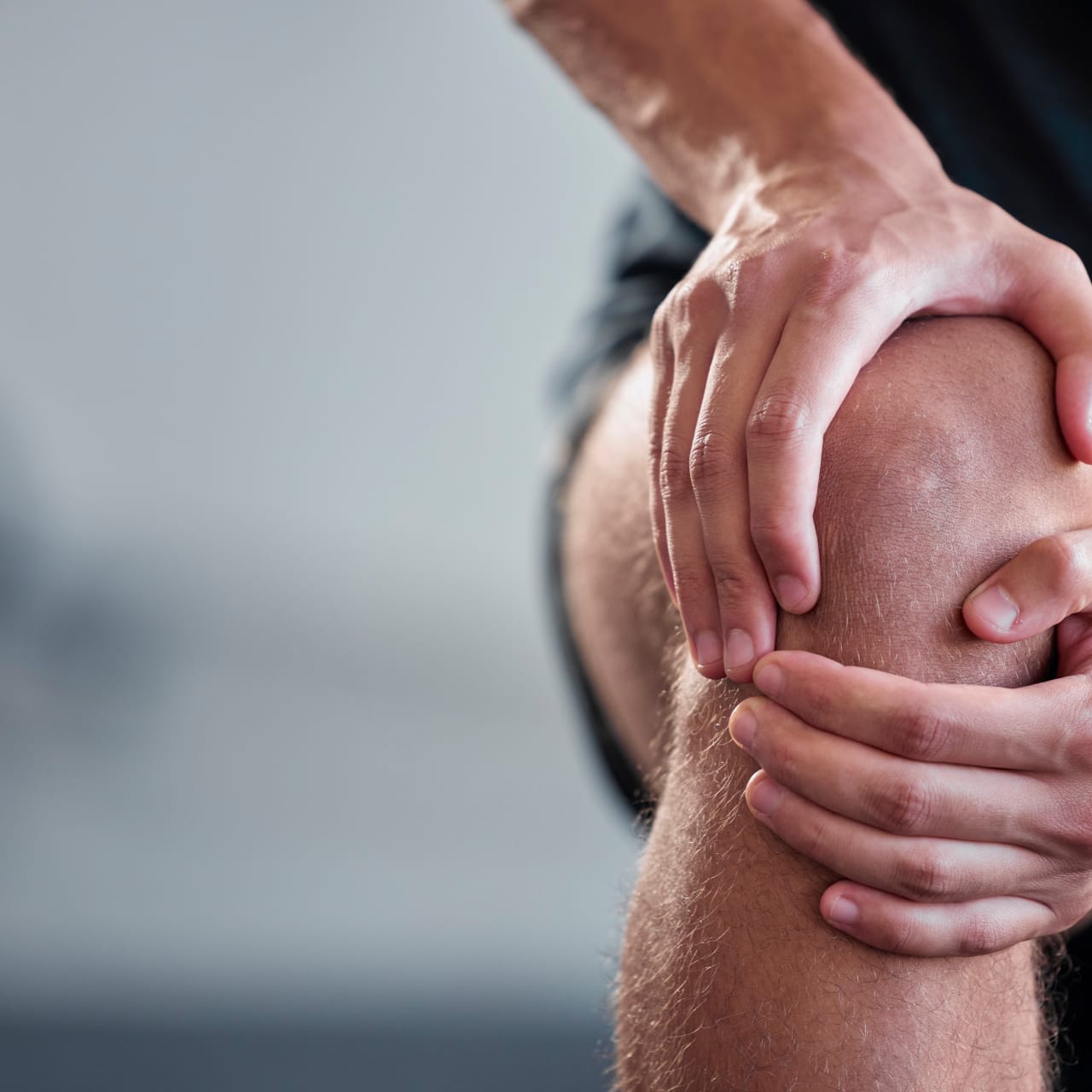
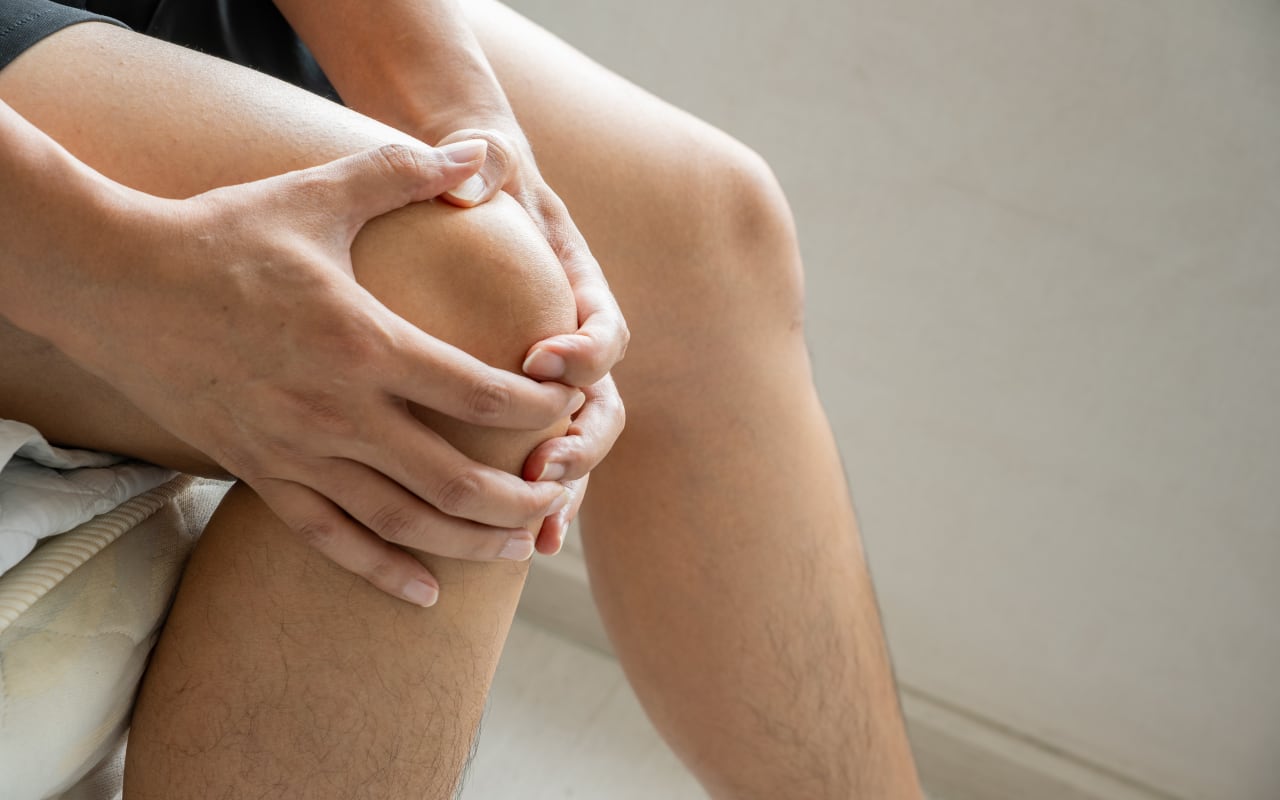
According to the World Health Organisation (WHO), nearly 1.7 billion people worldwide suffer from a musculoskeletal condition (11). Even without suffering from conditions such as osteoarthritis, lower back pain or rheumatoid arthritis, occasionally we all need solutions to relieve muscle and joint stiffness. A single, slightly overambitious workout can be all it takes. Often, it's actually after several hours of inactivity that the pain reaches its peak. Whether it’s muscles or joints, mechanical stiffness or established inflammation: there’s an appropriate solution for every type of discomfort.

Reading time: 0 min.

In short:

  • Identifying the cause of pain upon waking is essential for adopting a consistent relief strategy.

  • Physical activity and gentle movement are the solutions best supported by scientific evidence.

  • Certain passive remedies (heat, massage) can provide temporary relief.

Why do we experience muscle and joint stiffness when we wake up?

The quality of your sleep affects your musculoskeletal comfort

When you sleep, your body goes through a long period of inactivity, lasting from the moment you fall asleep until you wake up. Your muscles and joints are at rest throughout the night, so they may feel ‘stiff’ when you wake up. This phenomenon is likely to be much more pronounced if you suffer from osteoarthritis. Even without osteoarthritis, stiffness and pain are still possible, but they are generally milder and last for much a shorter time. Sleep disturbances can also cause muscle and joint tension upon waking. It’s a vicious circle: the poorer your sleep, the more pain you experience the next morning and the harder it is for you to sleep the next night (9).

Osteoarthritis causes characteristic joint stiffness

Osteoarthritis is a condition that affects the entire joint and is well known for causing joint stiffness upon waking. This results in the sensation that the joints are too stiff to move normally. This stiffness usually lasts less than 30 minutes; however, the discomfort can sometimes persist beyond that. The intensity and duration of this phenomenon depend on the balance between the inflammatory and mechanical components of the condition: the more pronounced the inflammatory component, the more severe the discomfort will be.

Muscle aches and soreness are often to blame

What’s distinctive here is that muscle aches and soreness aren’t limited to the moment you wake up. On the contrary, they cause fluctuating pain over several days in a row. However, it’s often in the morning that they seem at their worst. Once again, the stiffness that follows a night’s inactivity could be to blame. The first movements of the morning are generally the most painful of the whole day. Once the body gets going, the discomfort subsides. Again, this is merely symptomatic relief: just because you no longer feel your aches and pains does not mean that the associated micro-tears in the muscles have disappeared.

Read also: How can you prevent and relieve muscle soreness with essential oils?

Other causes of stiffness upon waking

  • Inflammatory arthritis: this differs from osteoarthritis in its origin, which is fundamentally inflammatory and immunological. Osteoarthritis always has a mechanical basis, accompanied by an inflammatory component of varying severity. Other forms of arthritis, such as rheumatoid arthritis, can cause even more severe and persistent stiffness upon waking.

  • Fibromyalgia: this is a chronic condition that causes stiffness and widespread pain, including muscle and joint tension upon waking. It also causes intense fatigue, which can contribute to increased musculoskeletal discomfort. It should be noted that this condition is six times more common in women than in men (10).

  • Certain endocrine disorders, in particular hypothyroidism. The latter tends to contribute to diffuse muscle pain and joint discomfort, which are more noticeable in the morning. It may also be a case of adrenal insufficiency, associated with a cortisol deficiency and therefore increased inflammatory sensitivity.

How can you tell the difference between muscle soreness, joint stiffness and inflammation when you wake up?

Muscle aches and soreness, linked to exertion and sporting activity

Muscle soreness is pain when the muscle is compressed, contracted or stretched.

Muscle soreness is pain affecting a muscle or muscle group, not a joint. It occurs some time after intense physical exercise. It is a sign that your muscle has been subjected to greater mechanical stress than it is used to. Muscle soreness is a biological response designed to aid recovery and adaptation to the exertion.

Signs suggesting muscle soreness (1):

  • The pain sets in around 24 hours after intense physical activity

  • It peaks over the first 3 days before gradually subsiding

  • The discomfort increases when you contract or stretch your muscles

  • Movement in the affected area becomes weaker and has a reduced range of motion.

Good to know: contrary to popular belief, muscle soreness is not simply a matter of inflammation. Several mechanisms are thought to be at play, in which the inflammatory response may indeed play a part, but there are also hypotheses that it may be caused by alterations in connective tissue or nerve sensitisation (2).

Joint stiffness, whether mechanical or inflammatory in origin

Intense and prolonged morning stiffness is more typical of an inflammatory condition, while morning stiffness that subsides quickly with movement is more typical of a mechanical condition.

Joint stiffness, as the name suggests, affects your joints rather than your muscles. It makes you feel like the affected joint is locked or stiff. This phenomenon is sometimes accompanied by pain, but not always. Research distinguishes between two clinical profiles with slightly different symptoms: mechanical versus inflammatory.

Here are a few clues to help distinguish between mechanical stiffness and inflammatory stiffness:

  • Joint stiffness of a mechanical nature is characteristic of osteoarthritis. It occurs after a period of inactivity, for example after a night’s sleep, which may explain why you wake up feeling achy all over. The discomfort lasts for an average of 30 minutes upon waking and disappears very quickly as soon as the body starts moving.

  • Inflammatory joint stiffness is characteristic of inflammatory joint diseases. The stiffness reaches its peak upon waking (3); it may persist for up to an hour afterwards. It also subsides with movement, though this usually takes around ten minutes. Rest is not always enough to alleviate it. On the contrary, joint pain may sometimes be felt well before waking up, during the night.

In practice, distinguishing between the two is not always so straightforward, and mechanical joint pain may also have an inflammatory component.

How can I relieve my morning muscle or joint stiffness?

Combining mobility exercises, strength training and stretching is thought to be the most effective way to reduce feelings of tension, whilst massage may help to alleviate muscle pain and stiffness.

Adopting a routine of gentle exercise and stretching

Current scientific evidence suggests that exercise is the best way to alleviate chronic musculoskeletal discomfort, including myofascial pain (caused by muscle tension). Researchers recommend performing exercises that combine muscle strengthening and stretching (6). Stretching specifically targets joint comfort, as it helps to regulate the sensation of flexibility. If the pain felt upon waking is muscle soreness, some scientists suggest focusing on low-intensity exercises immediately after a workout (7). The aim is to support the muscle’s physiological recovery.

Having a massage for musculoskeletal comfort

Massages can be helpful in relieving joint and muscle symptoms. However, it is important to remember that they cannot ‘treat’ the underlying cause. They are, first and foremost, a means of providing immediate relief. By stimulating certain receptors in the tissues, they are thought to alter the way the nervous system processes pain. In short, they make the discomfort more bearable. Some studies have observed benefits in cases of muscle soreness (4) or chronic muscle pain, such as lower back pain. Other studies have provided encouraging evidence of short-term effectiveness for joint comfort, particularly in relation to osteoarthritis of the knee (8). However, the level of certainty remains lower when it comes to the joints.


The doctor’s advice

'What factors do you prioritise when a patient complains of recurring morning stiffness? When faced with muscle or joint stiffness upon waking, I first look at sleep quality, stress levels, physical activity, hydration and diet. Certain deficiencies, particularly in magnesium, vitamin D or omega-3s, can also contribute to poorer muscle recovery. I also pay particular attention to signs of chronic inflammation, which can manifest as a feeling of morning stiffness or diffuse pain. The aim is to identify the everyday factors likely to be perpetuating this tension so that we can tackle the root cause.'

Dr Yoni Assouly, functional medicine practitioner and author

What natural solutions are there for a relaxing self-massage?

Muscle-relaxing oils and balms combine the benefits of massage with the properties of certain active ingredients that have pain-relieving or relaxing effects.

Self-massage is particularly effective at reducing the intensity of muscle pain upon waking, especially aching muscles. The best time to do it? Immediately after sustained physical exertion (4). It's important to act straight away, rather than waiting for the pain to appear the following morning before massaging the affected area. As for joint stiffness, there is less scientific evidence to support the effectiveness of massage. However, certain substances commonly used in muscle-relaxing treatments may help to reduce discomfort, such as menthol (5) or specific essential oils, provided that their contraindications are observed and the recommended dosages are respected.

Relaxing balm with 5 essential oils

Proven effectiveness: this massage balm provides immediate and long-lasting relief. Designed for athletes, its warming-cooling effect enhances the benefits of essential oils selected for their effects on tension, discomfort and muscle spasms. Application: massage into the affected areas using circular movements. Do not use on pregnant women or children under 6 years of age, or on people with a history of epilepsy, allergies, asthma or a history of seizures.

Discover the Relaxing Balm with 5 Essential Oils

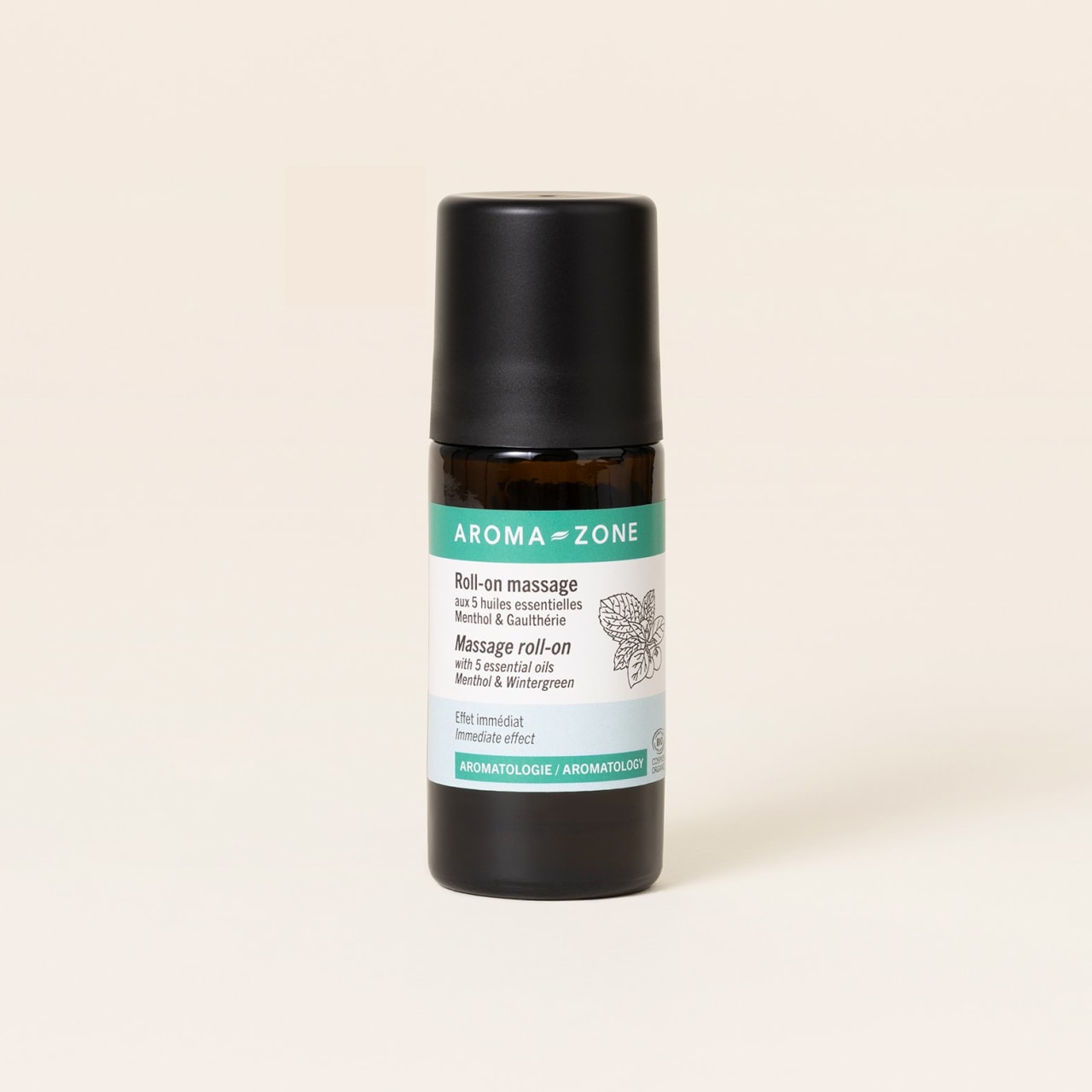
Massage roll-on with 5 essential oils

A handy, compact size to take anywhere to soothe areas of tension whilst on the move. Proven effectiveness: it produces an immediate, intense and long-lasting cooling effect that quickly relieves tension caused by poor posture, stress, exercise or ageing. Do not use on pregnant women, children under 10 years of age, or on people with epilepsy, allergies, asthma or a history of seizures. Keep out of reach of children. Avoid exposure to the sun after application.

Discover the Massage Roll-on with 5 Essential Oils

Soothing Massage Oil

This is the ideal oil to facilitate glide during a massage designed to soothe the joints. Its blend of non-greasy plant-based oils and relaxing essential oils targets tense and knotted areas. It leaves the skin soft, supple and silky smooth. Do not use on children, or on pregnant or breastfeeding women.

Discover the Soothing Massage Oil

Organic Concentrated After-Exercise Body Care

Our most suitable product if you prefer a gel-cream to use during your self-massage. Enriched with menthol crystals, its cool, melt-in texture delivers an immediate ‘ice cube’ effect, without leaving a greasy or sticky film. Apply immediately after your workout to the areas you’ve worked particularly hard (calves, abs, thighs, etc.). Do not use on children, or on pregnant or breastfeeding women.

Discover the Organic Post-Workout Concentrated Body Care

Addressing the problem from the inside & out

Organic Optimised Curcumin (dietary supplement)

Precautions

Be mindful of how the discomfort develops and whether there are any accompanying symptoms. Sore muscles after exercise and mild stiffness upon waking are generally harmless. However, if these symptoms persist despite moving your body, if they worsen, or if they are accompanied by localised swelling or difficulty walking, it is best to consult your doctor promptly. As this list is not exhaustive, do not hesitate to contact a healthcare professional if you have any doubts.

Expert advice

Do you experience muscle or joint stiffness when you wake up? Avoid sudden movements as much as possible when getting out of bed. Give your body time to warm up gradually. Perform a series of gentle, low-range movements for 5 minutes. The aim is not to strain your tissues, but to ‘get the body moving again’ at its own pace.

Find out more

Why do I ache all over when I wake up in the morning?

The most common causes are muscle and joint stiffness resulting from the immobility associated with sleep. It may also be due to aching muscles or a specific way in which the nervous system processes pain, particularly in the case of fibromyalgia.

Is applying heat in the morning effective against stiffness?

Yes, heat can be a good option first thing in the morning to temporarily relieve joint and muscle discomfort whilst restoring a more comfortable suppleness to the tissues. However, the benefit applies only to the symptom itself, when the pain is already noticeable. Science has not yet proven that heat can play a preventive role against morning muscle or joint stiffness.

Is there a link between dehydration and muscle pain?

When severe, dehydration can indeed play a role in the onset of muscle fatigue. This can sometimes manifest as muscle pain in the morning.

Focus on our writer, Hélène Betoux

Hélène Betoux is a French beauty journalist specialising in web media. Every day she writes tips, advice and guides to help consumers choose the right beauty products. With a strong interest in natural, organic and clean cosmetics, she analyses and shares trends and innovations in the sector.

Bibliography

1

Hotfiel T, Freiwald J, Hoppe MW, Lutter C, Forst R, Grim C, Bloch W, Hüttel M, Heiss R. Advances in Delayed-Onset Muscle Soreness (DOMS): Part I: Pathogenesis and Diagnostics.

Sportverletz Sportschaden. Dec 2018;32(4):243–250. English. doi: 10.1055/a-0753-1884. Epub 11 Dec 2018. PMID: 30537791.

2

Kazue Mizumura, Toru Taguchi, Delayed onset muscle soreness: Involvement of neurotrophic factors

3

van Nies JA, Alves C, Radix-Bloemen AL, Gaujoux-Viala C, Huizinga TW, Hazes JM, Brouwer E, Fautrel B, van der Helm-van Mil AH. Reappraisal of the diagnostic and prognostic value of morning stiffness in arthralgia and early arthritis: results from the Groningen EARC, Leiden EARC, ESPOIR, Leiden EAC and REACH.

Arthritis Res Ther. 23 April 2015;17(1):108. doi: 10.1186/s13075-015-0616-3. PMID: 25904188; PMCID: PMC4445798.

4

Guo J, Li L, Gong Y, Zhu R, Xu J, Zou J, Chen X. Massage Alleviates Delayed Onset Muscle Soreness after Strenuous Exercise: A Systematic Review and Meta-Analysis.

Front Physiol. 27 September 2017;8:747. doi: 10.3389/fphys.2017.00747. PMID: 29021762; PMCID: PMC5623674.

5

Hoang D, Wong A, Olympia RP. Looking Back to Move Forward: The Current State of Research on the Clinical Applications of Camphor- and Menthol-Containing Agents.

Cureus. 5 July 2023;15(7):e41426. doi: 10.7759/cureus.41426. PMID: 37546095; PMCID: PMC10403385.

6

Mata Diz JB, de Souza JR, Leopoldino AA, Oliveira VC. Exercise, especially combined stretching and strengthening exercise, reduces myofascial pain: a systematic review.

J Physiother. 2017 Jan;63(1):17-22. doi: 10.1016/j.jphys.2016.11.008. Epub 3 Dec 2016. PMID: 27989732.

7

Torres R, Ribeiro F, Alberto Duarte J, Cabri JM. Evidence of the physiotherapeutic interventions currently used following exercise-induced muscle damage: a systematic review and meta-analysis.

Phys Ther Sport. May 2012;13(2):101–14. doi: 10.1016/j.ptsp.2011.07.005. Epub 14 September 2011. PMID: 22498151.

8

Wu Q, Zhao J, Guo W. Efficacy of massage therapy in improving outcomes in knee osteoarthritis: A systematic review and meta-analysis.

Complement Ther Clin Pract. 2022 Feb;46:101522. doi: 10.1016/j.ctcp.2021.101522. Epub 2021 Dec 4. PMID: 34890892.

9

Runge N, Ahmed I, Saueressig T, Perea J, Labie C, Mairesse O, Nijs J, Malfliet A, Verschueren S, Van Assche D, de Vlam K, Van Waeyenberg T, Van Haute J, De Baets L. The bidirectional relationship between sleep problems and chronic musculoskeletal pain: a systematic review with meta-analysis.

Pain. 1 November 2024;165(11):2455–2467. doi: 10.1097/j.pain.0000000000003279. Epub 28 May 2024. PMID: 38809241.

10

Miguel B. Royo Salvador, Fibromyalgia, Chiari, Syringomyelia & Scoliosis Institute of Barcelona, updated on 20/03/2026

11

Musculoskeletal health, WHO, 14 July 2022