To unwind quickly, start by creating a real break from the day: take off your shoes, put down your phone, drink a glass of water, open the window, or change your clothes. Even though they’re very simple, these actions help you gradually step away from the day’s pace and reconnect with yourself. You can then breathe slowly for a minute or take a few steps to let the pressure ease.
How to relax after a long day? 6 relaxation tips
After a busy day, it’s not always easy to unwind. Your mind stays busy, your body tense, and you want to take a breather but can’t seem to let go of the pressure. Good news: you don’t have to completely change your routine to find a little peace. Sometimes just a few minutes are enough to slow down and finally enjoy your evening. Breathing exercises, a warm bath, self-massage, a softer atmosphere, or an evening ritual: everyone has their own way of letting go of the pressure, according to their own pace and preferences. Here are our tips for unwinding after a long day and starting your evening with a sense of calm

Where does the stress accumulated during the day come from?
Stress doesn’t always stem from a specific event. It often builds up throughout the day, almost without us realizing it: a meeting that drags on, a delay on public transportation, a to-do list that never seems to get shorter, a frustration that lingers in your mind... By the end of the day, this buildup can leave you feeling a sense of vague tension, which can sometimes be hard to let go of. Understanding where this tension comes from can help you step back and figure out what might help you relax.
The workload
Tight deadlines, back-to-back meetings, constant demands, unexpected issues to handle… The pace of work can quickly become a source of tension. Even when you love what you do, your brain remains under constant strain, sometimes leaving you with the feeling that you have to be available at all times.
Life’s unexpected twists
An unexpected delay on public transit, a last-minute errand, a rescheduled appointment, family plans that need adjusting… Taken individually, these little hiccups often seem harmless. But when they pile up, they end up weighing on your day.
Mental load
Thinking of everything, planning ahead, organizing, not letting anything slip through the cracks: mental load is as tiring as it is overwhelming. Even once the day is over, it can leave you feeling like your head is full, with the sense that you never really manage to switch off.
Relationship tensions
A tense exchange, a disagreement at work, or a simple annoyance can easily occupy our minds. Even after the situation has passed, we replay the scene over and over, and the tension lingers.
Days with no real break
When you go nonstop all day, fatigue builds up faster. Taking a few minutes to catch your breath, step outside for some fresh air, or simply slow down can already help relieve stress .
Habits that keep the pressure up
Procrastinating, putting off rest periods, constantly checking your phone, or feeling the need to finish everything before allowing yourself to slow down… Without realizing it, these habits fuel the day’s agitation and make it harder to unwind.
Why is it important to unwind after a long day?
After a busy day, your body and mind need some real time to wind down. Even when the day is over, tension can linger: tense shoulders, thoughts going round in circles, nervous exhaustion, trouble unwinding… Taking a few minutes to relax in the evening helps gradually release the pressure, so you can enjoy your evening without being held captive by the stress accumulated throughout the day.
To ease physical tension
Throughout the day, stress can manifest as physical tension: a stiff neck, tense shoulders, a clenched jaw, shallow breathing… A moment of relaxation helps you become aware of these sensations and gradually release the tense areas, with a few deep breaths, self-massage, or light stretches.
To calm the mind
In the evening, it’s not always easy to put your thoughts on hold. Between tomorrow’s tasks, the day’s demands, and personal concerns, your mind can keep racing. Relaxing helps create a break, reconnect with yourself, and find a little inner calm.
To make the most of your evening
Without taking time to unwind, the evening can fly by without you really feeling like you’re enjoying it. Taking a few minutes to slow down, create a softer atmosphere, or treat yourself to a moment just for yourself helps shift your rhythm and make the end of the day more pleasant.
To prepare your body for rest
In the evening, relaxation can also help prepare the body for rest. Soft lighting, a warm bath, a few slow breaths, or a relaxing treatment can be enough to ease the pressure. The idea isn’t to add another obligation, but to create a calmer moment before bedtime.
How can you relax after a long day?
After a long day, you don’t need a complicated routine to unwind. The key is to take a break—even a short one—to let your body and mind shift gears. A walk, a few deep breaths, a hot bath, or a quiet moment can already help relieve the pressure.
Get some fresh air: After spending several hours in front of a screen, on public transportation, or juggling tasks, a short walk can do you a world of good. Walking for a few minutes—ideally in a park, a garden, or simply away from the hustle and bustle—helps you clear your head and gain some perspective on the day
Breathe more slowly:breathing is one of the simplest ways to calm down. Sit comfortably, inhale gently through your nose, then exhale more slowly through your mouth. Repeated for a few minutes, this exercise can help slow your pace and relieve stress
Enjoy the warmth of a bath or shower: when your body is tense, warmth often helps relax your muscles and ease the pressure. A warm bath allows you to take a real break at the end of the day. If you don’t have a bathtub, a shower can also do the trick: let the hot water run for a few minutes over your neck, shoulders, or back, breathing calmly
Loosen up your body without straining : a stiff neck, hunched shoulders, a tight back… At the end of the day, tension often builds up in the same spots. A few slow movements, inspired by yoga or simple stretches, can be enough to restore some ease to your body, without pushing yourself too hard
Create a more soothing atmosphere: dim the lights, play soft music, put your phone away, lightly scent the room… After a busy day, reducing the stimuli around you can help you relax. Fewer screens, less noise, a gentler atmosphere: sometimes it takes very little to find a bit of calm and enjoy your evening more peacefully
Treat yourself to some real “me time”: read, cook, take care of your skin, write a few lines, watch a movie, meditate, or simply do nothing… The important thing is to choose an activity that helps you unwind and reclaim some time for yourself.
The best natural anti-stress solutions
During stressful times, certain natural solutions can help restore a better daily balance. Incorporate them as needed; they work on multiple levels: boosting energy, managing emotional tension, supplementing magnesium intake, or creating a sensory break when the pressure mounts. The idea isn’t to establish a restrictive routine, but to choose the practices that best fit your pace.
Step 1 – Recharge my energy

Organic Ginseng Powder - Dietary Supplement
Ideal when stress is accompanied by a drop in energy, ginseng helps support energy and vitality. It can be beneficial during periods of temporary fatigue, when days are intense and the body needs a boost to keep up.
Recommended use: Take in the morning with a large glass of water, following the recommended dosage.
Precautions for use: This dietary supplement is not a substitute for a varied and balanced diet or a healthy lifestyle. Do not exceed the recommended daily dose. For adults only. Not recommended for pregnant or breastfeeding women. Consult a healthcare professional if you are undergoing medical treatment, particularly if you have a history of hormone-dependent cancer. Keep out of reach of children.
Step 2 – Supporting emotional balance

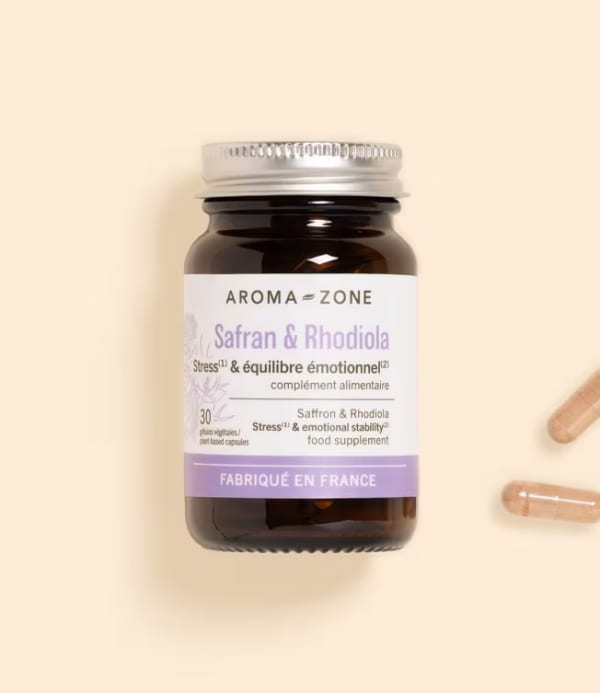
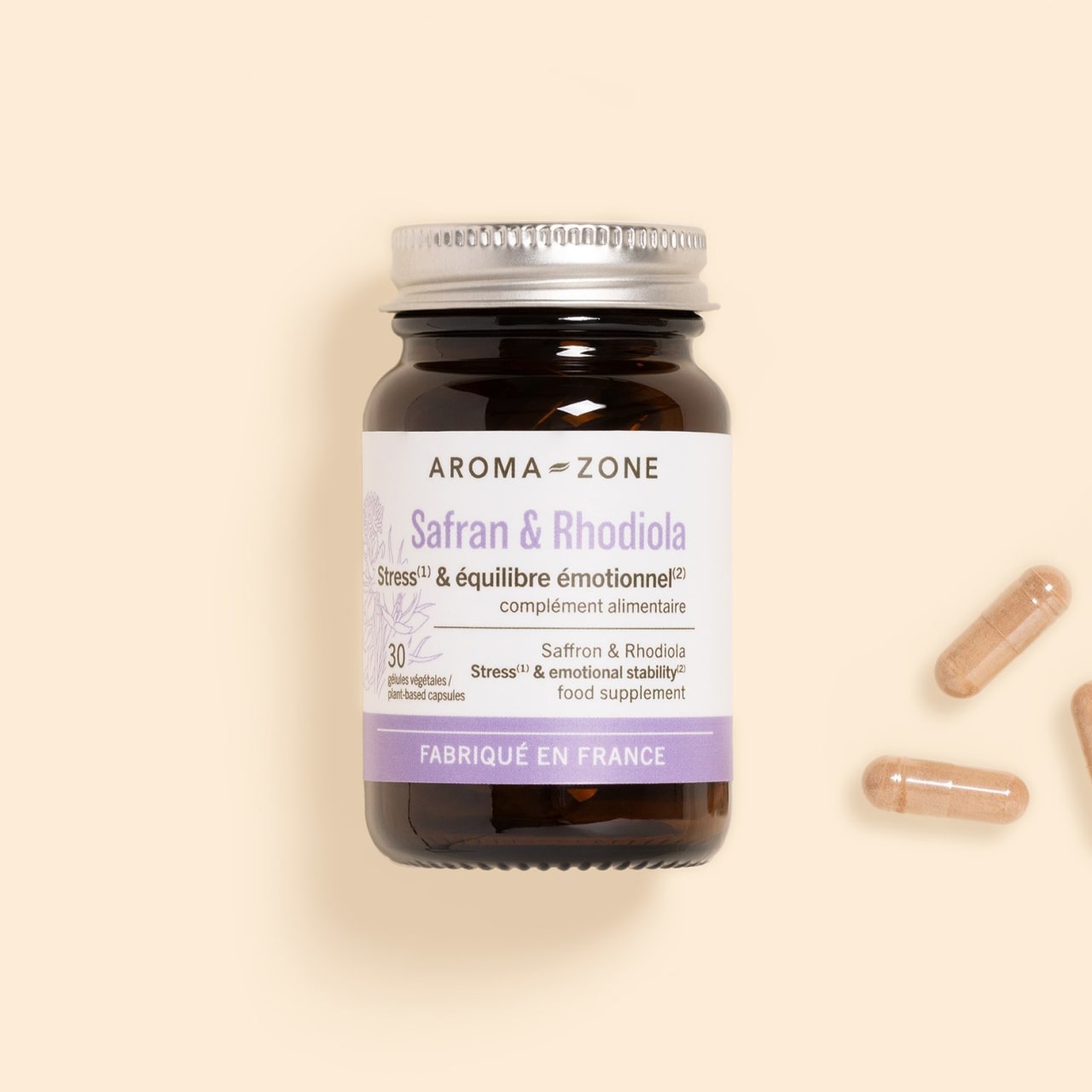
Saffron & Rhodiola - Dietary Supplement
Saffron is particularly valued for helping during periods of emotional tension. It fits perfectly into an anti-stress routine when you feel more irritable, more sensitive, or have trouble stepping back after a busy day.
Recommended use: Take as a course of treatment, following the recommended dosage.
Precautions for use: This dietary supplement is not a substitute for a varied and balanced diet or a healthy lifestyle. Do not exceed the recommended daily dose. For adults only. Not recommended for pregnant or breastfeeding women. Consult a healthcare professional if you are undergoing medical treatment, particularly if taking antidepressants or mood-altering medications. Keep out of reach of children.
Step 3 – Replenish your magnesium

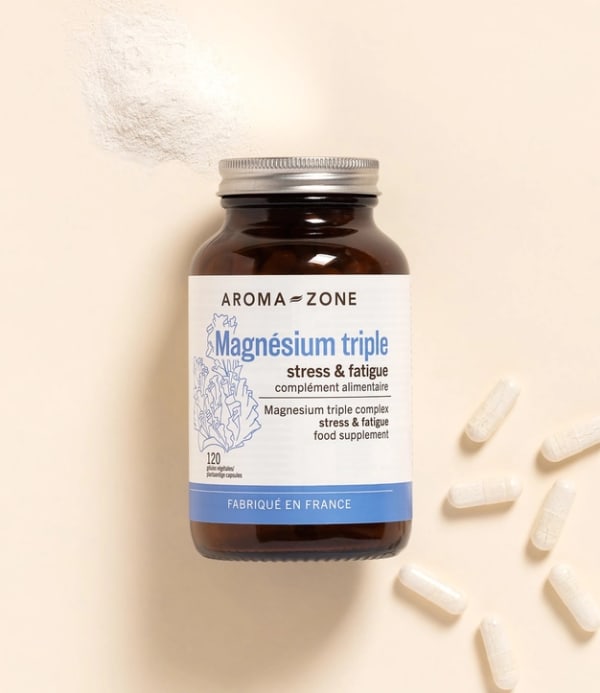
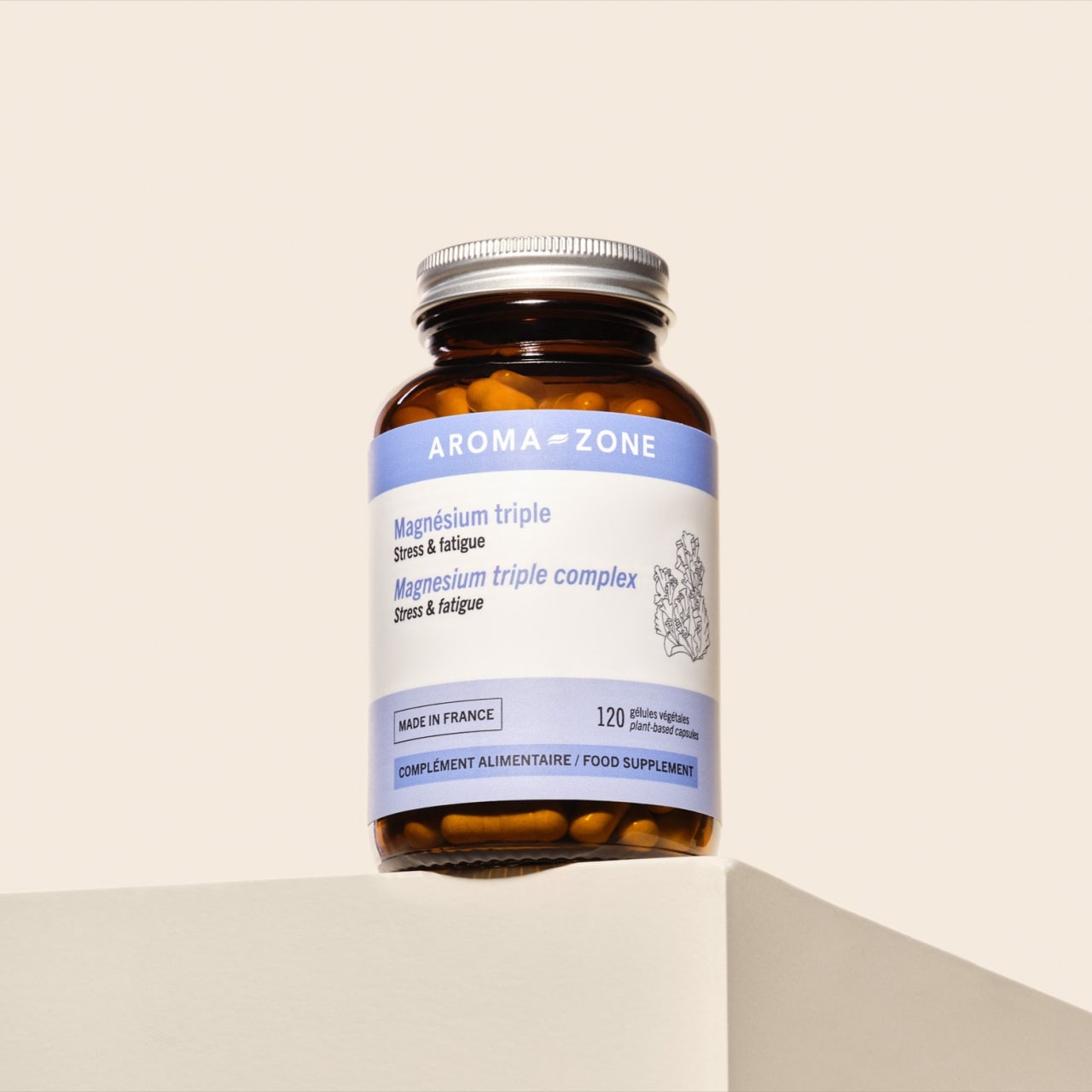
Triple Magnesium - Dietary Supplement
Magnesium contributes to the normal functioning of the nervous system and helps reduce fatigue. It is particularly useful when stress manifests as nervousness, tension, or general fatigue, especially at the end of the day.
Recommended use: Take daily, preferably with a meal, following the recommended dosage.
Precautions for use: This dietary supplement is not a substitute for a varied and balanced diet or a healthy lifestyle. Do not exceed the recommended daily dose. For adults only. Consult a healthcare professional if you are pregnant, breastfeeding, have kidney failure, or are undergoing medical treatment. Keep out of reach of children.
The Extra Touch

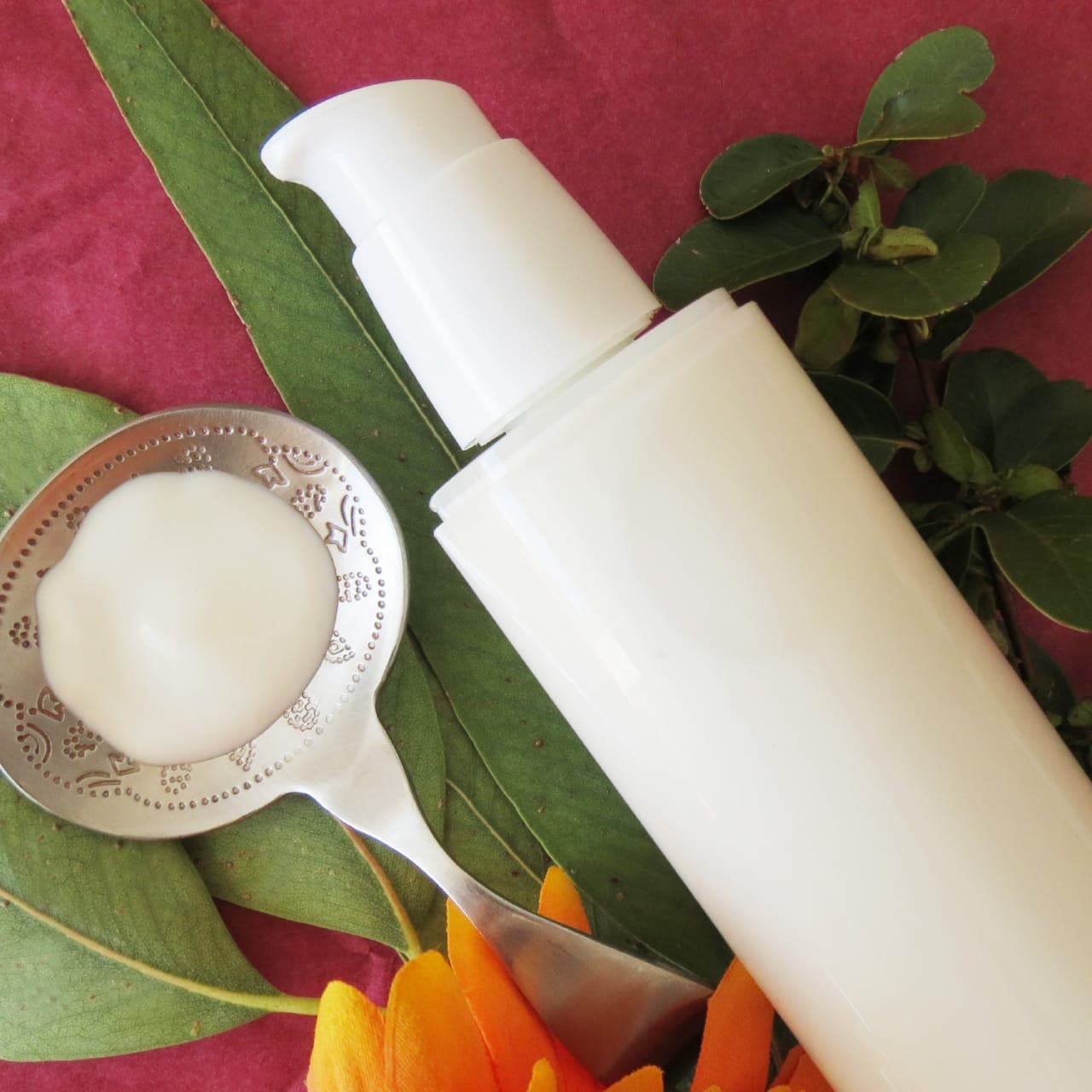
Organic Relaxing Massage Oil
Ideal for self-massage to relieve stress and tension. Its 100% natural formula combines soothing essential oils with the enveloping citrus scents of Mandarin, Neroli, Orange, and Petitgrain bigarade.
Recommended use: Apply to clean skin in the evening using gentle strokes over the body, focusing on the trapezius muscles, neck, shoulders, solar plexus, and areas of stress-related tension.
The Aroma-Zone Solution

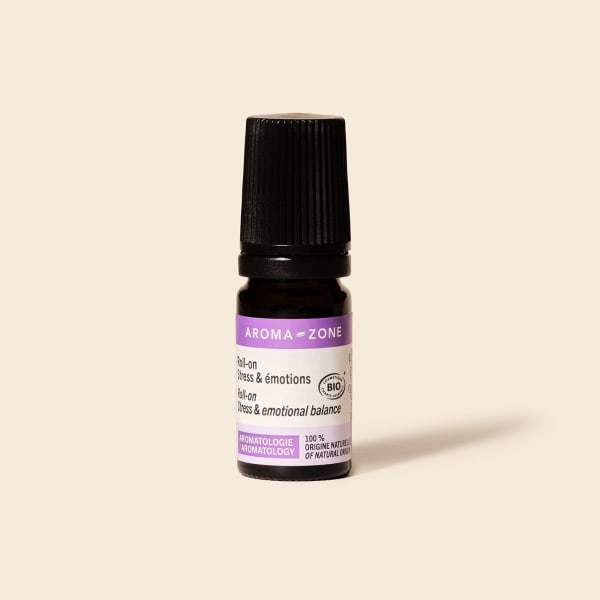
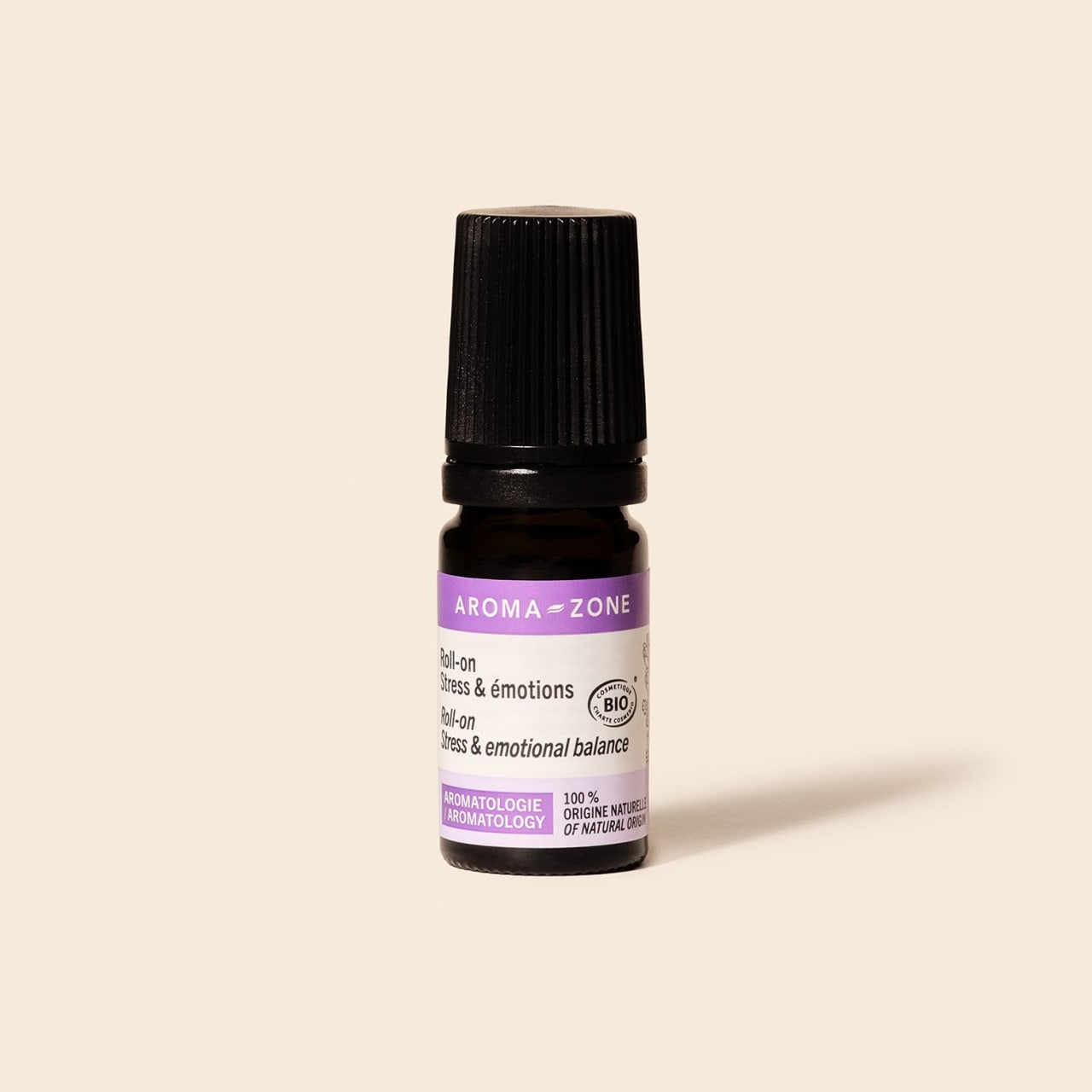
Stress and Emotions Essential Oil Roll-On
This roll-on combines 8 essential oils known for their soothing properties, such as Lavender, Neroli, and Chamomile. It helps calm nervous tension, soothe emotions, and promote letting go.
What evening ritual should you adopt to unwind?
After work, classes, or a particularly busy day, the challenge is often the same: managing to truly disconnect. To do this, there’s no need for a lengthy routine. Just a few quiet minutes can help you slow down, leave the day behind, and free up some time for the evening.
Cut out distractions: When you get home, start by putting your phone on silent or turning off non-essential notifications. Messages, emails, social media… these distractions easily keep you feeling like you’re still “on call.” The idea isn’t to turn everything off, but to give yourself a real buffer zone to leave the day behind.
Take a 30-minute walk: if you can, try to walk for about 30 minutes after your day is done. There’s no need to walk fast: the goal is simply to get some fresh air, get your body moving again, and let the pressure ease. After a few minutes, the rhythm of walking often helps clear your mind and leaves you more open to enjoying the evening.
Take 5 minutes to breathe: once you get home, find a quiet spot and take a few minutes to breathe more slowly. For example, you can practice cardiac coherence: inhale for 5 seconds, exhale for 5 seconds, and repeat this for 5 minutes. This short break allows you to reconnect with yourself, slow down, and calm down before starting your evening.
Clear your mind: when thoughts are going in circles, writing them down helps you step back. Simply list the sources of tension from the day: what upset you, what still needs to be done, or what’s on your mind. The goal isn’t to solve everything immediately, but to put down on paper what’s taking up too much mental space.
End on a positive note: to avoid ruminating, take the time to jot down two or three positive things: a pleasant conversation, a task completed, or a nice moment, no matter how simple. This habit helps rebalance your perception of the day and approach the evening with greater peace of mind.
Precautions for use
These relaxation tips can help relieve daily stress, but they are no substitute for medical advice if stress becomes too intense, anxiety persists, sleep is disrupted, or exhaustion sets in. For dietary supplements, always follow the recommended daily dose and the listed precautions. They are not a substitute for a varied and balanced diet or a healthy lifestyle. Consult a healthcare professional if you are pregnant, breastfeeding, undergoing medical treatment, or have a specific medical condition. When using a roll-on or aromatic product, avoid contact with the eyes, mucous membranes, and irritated skin. Certain essential oils are not recommended for children, pregnant or breastfeeding women, or people with asthma or epilepsy.
Expert Tip
To relax better in the evening, start by identifying what you really need. If your fatigue is mainly physical, opt for a gentle walk, some stretching, or a hot bath. If it’s more mental, try writing, breathing exercises, or some screen-free time. The right ritual doesn’t have to be very elaborate—it just needs to meet your needs in the moment.
Learn more

How can you unwind quickly when you get home?

How can you unwind quickly when you get home?

What is the most powerful natural relaxant?

What is the most powerful natural relaxant?
There is no single natural relaxant that is universally “more powerful”: it all depends on your needs. Magnesium can be helpful for fatigue or nervousness, while certain plants like saffron or rhodiola can support you during periods of emotional tension. Sensory practices, such as self-massage or the occasional use of an aromatic roll-on, can also help restore a sense of calm. In cases of intense or persistent stress, it’s best to seek advice from a healthcare professional.

How to unwind after a long day with a relaxing bath?

How to unwind after a long day with a relaxing bath?
A relaxing bath can help release tension when your body feels tense at the end of the day. Opt for very warm water—but never scalding—soft lighting, and a screen-free moment to create a true break. Breathing more slowly in the bath can also help slow down the pace. After getting out, a self-massage with a suitable oil prolongs this feeling of relaxation, particularly in the shoulders, neck, and legs.
Spotlight on our editor: Camille Clement

Camille specialises in writing content on the themes of natural beauty, health and well-being. Passionate about these subjects, she writes articles for major media to help people take care of themselves in a natural and holistic way.
Bibliography
1
Singh, B., Olds, T., Curtis, R., Dumuid, D., Virgara, R., Watson, A., Szeto, K., O’Connor, E., Ferguson, T., Eglitis, E., Miatke, A., Simpson, C. E., & Maher, C. (2023), Effectiveness of physical activity interventions for improving depression, anxiety, and distress: An overview of systematic reviews, British Journal of Sports Medicine
https://doi.org/10.1136/bjsports-2022-106195
2
Laborde, S., Allen, M. S., Borges, U., Dosseville, F., Hosang, T. J., Iskra, M., Mosley, E., Salvotti, C., Spolverato, L., Zammit, N., & Javelle, F. (2022), Effects of voluntary slow breathing on heart rate and heart rate variability: A systematic review and a meta-analysis, Neuroscience & Biobehavioral Reviews
doi: 10.1016/j.neubiorev.2022.104711.
3
Grassini, S. (2022), A systematic review and meta-analysis of nature walks as an intervention for anxiety and depression, Journal of Clinical Medicine
doi: 10.3390/jcm11061731.
4
Khoury, B., Sharma, M., Rush, S. E., & Fournier, C. (2015), Mindfulness-based stress reduction for healthy individuals: A meta-analysis, Journal of Psychosomatic Research
doi: 10.1016/j.jpsychores.2015.03.009.
5
Khir, S. M., Wan Mohd Yunus, W. M. A., Mahmud, N., Wang, R., Panatik, S. A., Mohd Sukor, M. S., & Nordin, N. A. (2024), Efficacy of progressive muscle relaxation in adults for stress, anxiety, and depression: A systematic review, Psychology Research and Behavior Management
doi: 10.2147/PRBM.S437277
6
Boyle, N. B., Lawton, C., & Dye, L. (2017), The effects of magnesium supplementation on subjective anxiety and stress—A systematic review, Nutrients
doi: 10.3390/nu9050429.
7
Arring, N. M., Millstine, D., Marks, L. A., & Nail, L. M. (2018), Ginseng as a treatment for fatigue: A systematic review, The Journal of Alternative and Complementary Medicine
doi: 10.1089/acm.2017.0361.
8
Arumugam, V., et al. (2024), Effects of Ashwagandha (Withania somnifera) on stress and anxiety: A systematic review and meta-analysis, EXPLORE
doi: 10.1016/j.explore.2024.103062
9
Marx, W., Lane, M., Rocks, T., et al. (2019), Effect of saffron supplementation on symptoms of depression and anxiety: A systematic review and meta-analysis, Nutrition Reviews
doi: 10.1093/nutrit/nuz023.