


How Can You Avoid Diarrhoea in Hot Weather?

How Can You Avoid Diarrhoea in Hot Weather?


By Coralie Techer

Published on: Wednesday, January 31, 2024, Updated on: Friday, October 02, 2026

When temperatures rise, the body has to work harder to maintain a stable internal temperature. Nausea, abdominal cramps or diarrhoea may then occur, particularly during intense physical exertion. However, heat may not be the only explanation: digestive infections and food poisoning remain common in summer. Therefore, consider the context and any other symptoms. In this article, find out why heat can disrupt digestion, how to recognise heatstroke and what steps to take to minimise the risks.

Contents

Related products

In brief

  • Heatstroke can cause digestive problems, particularly diarrhoea, as the heat disrupts the body’s normal functioning.

  • Diarrhoea associated with extreme heat increases the risk of dehydration, leading to a significant loss of water and minerals.

  • It is important to stay well hydrated and keep cool, and to seek medical advice if symptoms are severe or persistent.

What is heatstroke?

Heatstroke is the most serious form of heat-related illness. It occurs when the body’s thermoregulatory mechanisms can no longer dissipate enough of the heat produced or absorbed. The body’s internal temperature then rises rapidly (often to over 40 °C), affecting the central nervous system and leading to confusion, unusual behaviour, slurred speech, convulsions or loss of consciousness.

There are two main scenarios in which it occurs:

  • Classic heatstroke mainly occurs during periods of extreme heat, particularly in infants, the elderly and frail individuals

  • Exercise-induced heatstroke is more common amongst athletes and people engaging in intense physical activity, sometimes even when the outside temperature is not exceptionally high.

Heatstroke does not necessarily require direct exposure to the sun. It can occur in an overheated home, a closed vehicle, a poorly ventilated space, or during prolonged exertion. It is a medical emergency.


What is the difference between sunstroke and heatstroke?

Sunstroke refers to symptoms caused by direct and prolonged exposure to sunlight. It can manifest as headaches, dizziness, extreme tiredness, nausea or vomiting. Heatstroke, on the other hand, is a failure of thermoregulation leading to severe hyperthermia and neurological symptoms. Sunstroke may remain mild, but it can progress to heatstroke if exposure continues or if the body can no longer cool itself. Conversely, heatstroke can occur without direct exposure to the sun, simply as a result of very high ambient temperatures or intense physical exertion. In practice, the symptoms may overlap. Confusion, unusual behaviour, impaired coordination, or loss of consciousness should always raise suspicion of heatstroke.

How can you tell if you have sunstroke or heatstroke?

Dehydration and electrolyte imbalances

The signs may sometimes be similar, but certain factors help to distinguish between these two situations and enable you to take the right action quickly.


Situation

Typical context

Possible signs

Action to take

Heatstroke

Direct and prolonged exposure to sunlight

Headache, tiredness, dizziness, flushed face, nausea, vomiting

Go to a cool place immediately, rest, cool down and monitor your condition

Heat-related illness

High temperature, heavy sweating, insufficient hydration or physical exertion

Thirst, weakness, dizziness, cramps, nausea, profuse sweating, reduced urine output

Stop the activity, move to a cool place, remove any unnecessary clothing, cool down and drink small amounts of fluid if the person is fully conscious

Heatstroke

Extreme ambient heat or intense physical exertion, with or without exposure to the sun

Internal temperature often above 40°C, very hot skin, confusion, unusual agitation, slurred speech or impaired coordination, convulsions, loss of consciousness

Call emergency help immediately and start cooling the person down while you wait for emergency services to arrive

Please note: Dry skin is not a definitive sign of heatstroke. Sweating may continue, particularly in cases of heatstroke caused by physical exertion. Neurological symptoms are the main warning sign. A measured temperature below 40°C is not sufficient to rule out heatstroke if the person is confused, behaving unusually or has impaired consciousness (2).

Why can hot weather cause diarrhoea?

Heat alone does not necessarily cause diarrhoea. Digestive problems are most commonly reported during periods of severe heat stress, particularly when combined with prolonged physical exertion. Outside of this context, summer diarrhoea may also be linked to an infection, poorly stored food, medication or a digestive condition (8).

A temporary reduction in blood flow to the digestive system

When the body needs to release excess heat, it redirects some blood flow to the skin to promote sweating. During intense physical exertion, the muscles also draw on more blood. Blood flow to the digestive system may then decrease, which in some people can lead to nausea, abdominal cramps, an urgent need to have a bowel movement or diarrhoea.

A weakened intestinal barrier

Significant hyperthermia, particularly when accompanied by physical exertion, can temporarily alter the permeability of the intestinal mucosa. The resulting lack of local oxygenation and rise in temperature then promote an inflammatory response that may contribute to digestive symptoms. These mechanisms are primarily studied in the context of exercise-induced heatstroke (3,10).

Dehydration that exacerbates digestive problems

Dehydrationis not, in itself, a common cause of diarrhoea. It is primarily a consequence and an aggravating factor. Sweating and loose stools both lead to the loss of water and minerals. When these occur together, the risk of weakness, a drop in blood pressure and electrolyte imbalances increases rapidly.

An increased risk of food poisoning

During periods of high temperatures, a break in the cold chain can facilitate the growth of certain microorganisms in food. Diarrhoea that occurs after a meal, accompanied by cramps, nausea, vomitingor a fever, may therefore be of infectious origin rather than being directly caused by the heat (4).

What factors contribute to heatstroke and what digestive symptoms should you watch out for?

The main risk factors

Several factors increase the risk of heat stress and associated digestive problems.

High temperatures and high humidity: Humidity limits the evaporation of sweat and makes the body’s cooling mechanism less effective.

Strenuous physical activity: Running, working or carrying heavy loads in hot weather significantly increases the body’s internal heat production.

An enclosed, overheated space: A poorly ventilated home, a vehicle or certain workplaces can quickly become dangerous.

Inadequate hydration: This reduces the body’s ability to compensate for fluid loss caused by sweating.

Poor acclimatisation: The first few days of a hot spell or a sudden return to intense physical activity increase the risk of feeling unwell.

Age and certain chronic conditions: Infants, older people and those with cardiovascular, renal, neurological or metabolic conditions are more vulnerable.

Certain medicines: Diuretics and other medicines can affect hydration or thermoregulation. Never stop them without medical advice.

Inappropriate food storage: Food left at room temperature for too long can lead to food poisoning.

Symptoms to watch out for

  • Loose or very soft stools: Diarrhoea is generally defined as at least three loose or liquid stools a day, or a frequency significantly higher than usual (9)

  • Abdominal cramps: Cramps can accompany both heat stress and a gastrointestinal infection

  • Nausea or vomiting: Increase fluid loss and can make rehydration more difficult

  • A dry mouth and intense thirst: Suggest a lack of water

  • Dark urine, or urinating less than usual: May indicate dehydration, especially when accompanied by dizziness or severe weakness

  • Headaches, muscle cramps or feeling unwell: May indicate that the body is struggling to cope with the heat

  • Confusion or unusual behaviour: Emergency signs consistent with heatstroke.

Good to know: Seek medical advice if diarrhoea persists for more than 48 to 72 hours. Seek immediate medical attention if there is blood in the stools, severe abdominal pain, repeated vomiting, an inability to drink, signs of dehydration or a significant deterioration in your general condition.

What Should You Do for Heatstroke and Diarrhoea?

If you suspect heatstroke

Heatstroke requires immediate medical attention. Call for emergency help right away, even if diarrhoea appears to be the main symptom.

Whilst waiting for the emergency services:

  1. Move the person to a cool place, in the shade or in an air-conditioned room.

  2. Stop all physical activity and remove any unnecessary clothing.

  3. Wet their skin with cool water, apply damp cloths and create a flow of air.

  4. Offer a cool shower if the person is conscious, stable and able to move around safely.

  5. Stay with them and monitor their breathing and level of consciousness.

  6. Do not give them anything to drink if they are confused, drowsy, unconscious or unable to swallow properly.

  7. Place them in the recovery position if they are unconscious but breathing.

Important: Cooling must begin immediately, without delaying the call for emergency help.

In the event of diarrhoea with no signs of heatstroke

  1. Rehydrate gradually: Drink small amounts frequently. An oral rehydration solution, available from pharmacies, provides water, minerals and glucose in the correct proportions. This is particularly important for children and vulnerable people.

  2. Continue to eat what you can tolerate: Opt for simple foods such as rice, pasta, semolina, potatoes, cooked carrots, bananas, or fruit purée. Gradually reintroduce your usual diet as soon as your digestive comfort improves.

  3. Limit foods that irritate the digestive tract: Temporarily avoid alcohol, coffee, very fatty or spicy dishes, very sugary drinks, and large quantities of raw vegetables if you find them hard to tolerate.

  4. Rest in a cool place: Stop exercising and engaging in Rest in a cool place: Stop exercising and avoid strenuous physical activity. Heat and exertion increase your fluid requirements and may make you feel worse.

  5. Seek advice before taking an anti-diarrhoeal medicine: Certain products are not recommended if there is blood in the stools, a high temperature, or a suspected infection.

How can you minimise the risks in hot weather?

  1. Stay in the coolest places during the hottest parts of the day.

  2. Drink regularly without waiting until you’re very thirsty.

  3. Reduce the intensity and duration of physical activity.

  4. Wet your body or take cool showers.

  5. Wear loose-fitting, lightweight and breathable clothing.

  6. Ventilate your home at night and close windows and shutters when the outside temperature rises.

  7. Maintain the cold chain and do not leave perishable food at room temperature.

  8. Wash your hands before preparing or eating a meal.

  9. Use a suitable sun cream to protect your skin from UV rays, whilst bearing in mind that it does not prevent heatstroke: shade, cool surroundings, hydration and reduced physical exertion remain essential.

Our natural solutions

Certain dietary supplements may help with hydration or general well-being, but they are no substitute for an oral rehydration solution in the event of severe diarrhoea, nor for urgent medical treatment for heatstroke.

Supporting hydration during periods of high temperatures

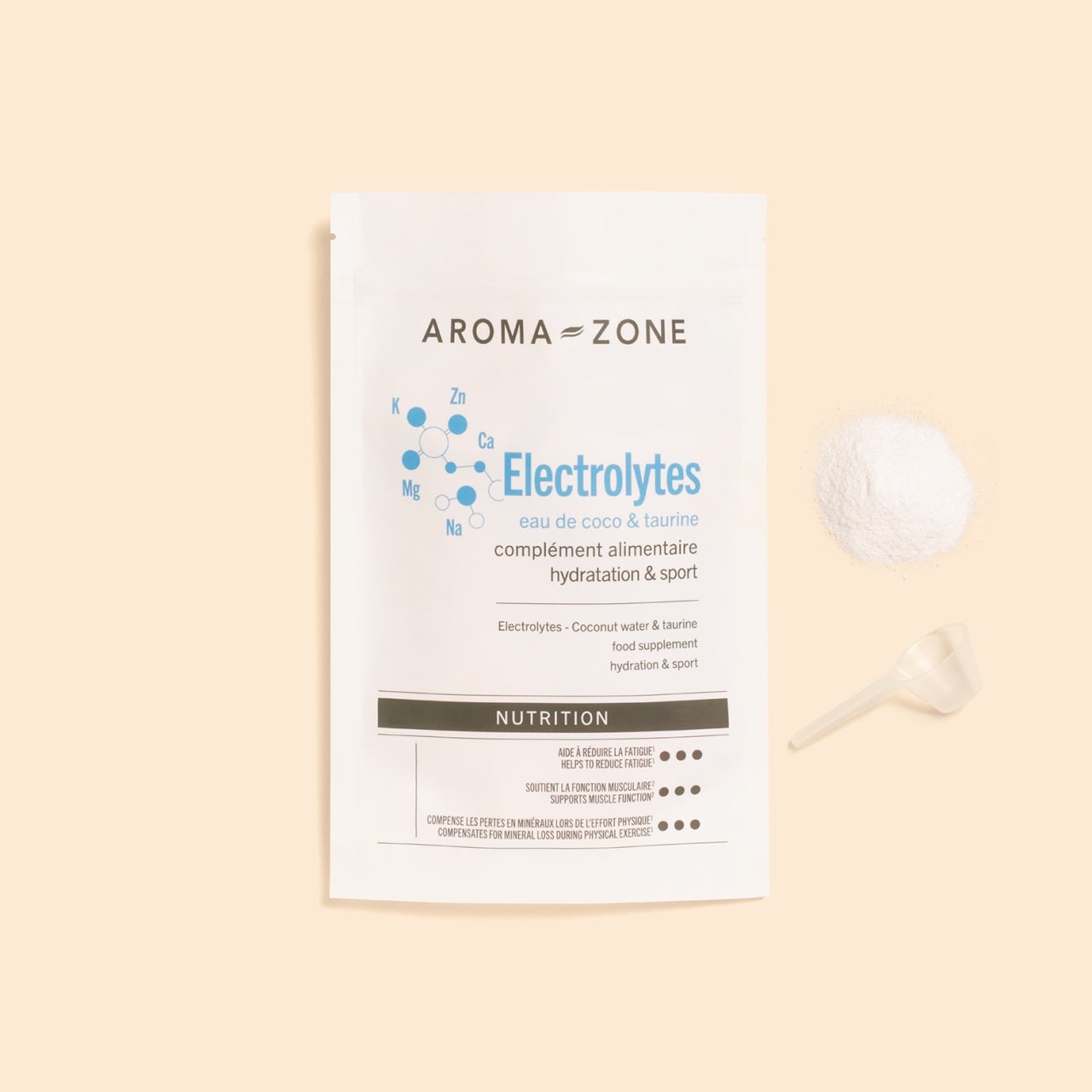
Powdered Electrolytes: This preparation combines sodium, potassium, magnesium, calcium and zinc, as well as taurine and coconut water powder. Use it to support daily hydration during periods of high heat. Dissolve one measuring spoonful (approximately 4.8g) in 500ml to 1 litre of water, then drink it gradually throughout the day.

This drink is not an oral rehydration solution intended to treat severe diarrhoea.

Precautions: Not a substitute for a varied and balanced diet and a healthy lifestyle. Do not exceed the recommended daily intake. For adults only. Not recommended for pregnant or breastfeeding women. Not recommended for the elderly or people with kidney disease. Keep out of reach of children.

Discover Electrolyte Powder – 200 g

Restoring the balance of gut flora

Probiotics for Gut Comfort: This supplement combines five probiotic strains with prebiotic acacia fibre. Containing 16 billion CFU per capsule, it is designed to support the balance of the gut microbiota and promote gut comfort, particularly following an episode of imbalance. Take one capsule a day with a glass of water. It is not intended to treat acute diarrhoea.

Precautions: Not a substitute for a varied and balanced diet and a healthy lifestyle. Do not exceed the recommended daily dose. For adults only. Not recommended for pregnant or breastfeeding women. Keep out of reach of children.

Discover Probiotics for Gut Comfort – 30 capsules

What effects can heatstroke have on the body?

If left untreated, heatstroke can quickly affect several organs.

  • The brain: Hyperthermia can cause confusion, impaired coordination, convulsions or a coma

  • The heart: Heat places heavy demands on the cardiovascular system to direct blood to the skin, with a risk of a drop in blood pressure and circulatory failure

  • The kidneys: Dehydration, reduced renal blood flow and muscle damage can lead to acute kidney injury

  • The liver: In severe cases, liver damage and coagulation disorders may occur

  • The muscles: Exertional heatstroke can cause significant damage to muscle cells

  • The digestive system: Reduced blood flow to the intestines and impairment of the digestive barrier may lead to pain, nausea, vomiting or diarrhoea.

The risk of long-term complications increases with the duration of hyperthermia. Rapid cooling and management are therefore crucial (5).

Precautions

The natural remedies presented in this article are not suitable for treating heatstroke, severe dehydration or diarrhoea of unknown origin. Follow the instructions for use and safety precautions specific to each dietary supplement. Seek advice from a healthcare professional if you are taking medication, have a chronic condition or are experiencing persistent symptoms.

Expert advice

In hot weather, do not rely solely on feeling thirsty. Also watch the frequency and colour of your urine: it should be regular and generally pale yellow. Dark-coloured urine, combined with a dry mouth, dizziness, or extreme tiredness, may indicate dehydration. If diarrhoea is also present, seek medical advice promptly, particularly in the case of infants, the elderly and people with chronic illnesses.

Spotlight on Our Writer: Coralie Técher

Coralie Técher has spent seven years working as a journalist specialising in women’s issues. With a particular passion for beauty and well-being, she is committed to exploring natural self-care approaches. She keeps up to date with current research and trends and enjoys sharing relevant, reliable information with her readers.

Bibliography

  1. Ministry of Labour, Health, Solidarity and Families. ‘Recommendations in the event of a heatwave’. (2026).

    https://sante.gouv.fr/sante-et-environnement/risques-climatiques/article/les-recommandations-en-cas-de-vague-de-chaleur

  2. Public Service. ‘Protecting yourself and your loved ones from extreme heat’. (2026).

    https://www.service-public.gouv.fr/particuliers/actualites/A14978

  3. Ogden, H. B., Child, R. B., Fallowfield, J. L., Delves, S. K., Westwood, C. S., & Layden, J. D. “The Gastrointestinal Exertional Heat Stroke Paradigm: Pathophysiology, Assessment, Severity, Aetiology and Nutritional Countermeasures”. (2020).

    https://www.mdpi.com/2072-6643/12/2/537

  4. ANSES. ‘How to store food properly and maintain the cold chain’. (2022).

    https://www.anses.fr/fr/content/comment-bien-conserver-ses-aliments-et-ne-pas-interrompre-la-chaine-du-froid

  5. Epstein, Y., & Yanovich, R. “Heatstroke”. The New England Journal of Medicine. (2019).

    https://www.nejm.org/doi/10.1056/NEJMra1810762

  6. French National Health Insurance. ‘Dehydration’. (2025).

    https://www.ameli.fr/assure/sante/urgence/pathologies/deshydratation

  7. Roberts, W. O., Armstrong, L. E., Sawka, M. N., et al. “ACSM Expert Consensus Statement on Exertional Heat Illness: Recognition, Management, and Return to Activity”. Current Sports Medicine Reports. (2021).

    https://www.ovid.com/jnls/acsm-csmr/fulltext/10.1249/jsr.0000000000000878~acsm-expert-consensus-statement-on-exertional-heat-illness

  8. The MSD Manual, version for the general public. ‘Diarrhoea in adults’. (2024).

    https://www.msdmanuals.com/fr/accueil/troubles-digestifs/symptômes-des-troubles-digestifs/diarrhée-chez-l-adulte

  9. World Health Organisation, WHO. “Diarrhoeal diseases”. (2017).

    https://www.who.int/fr/news-room/fact-sheets/detail/diarrhoeal-disease

  10. Roca Rubio, M. F., Eriksson, U., Brummer, R. J., & König, J. (2021). Sauna dehydration as a new physiological challenge model for intestinal barrier function. Scientific Reports, 11(1), 15514.

    https://doi.org/10.1038/s41598-021-94814-0

Frequently Asked Questions

Frequently Asked Questions