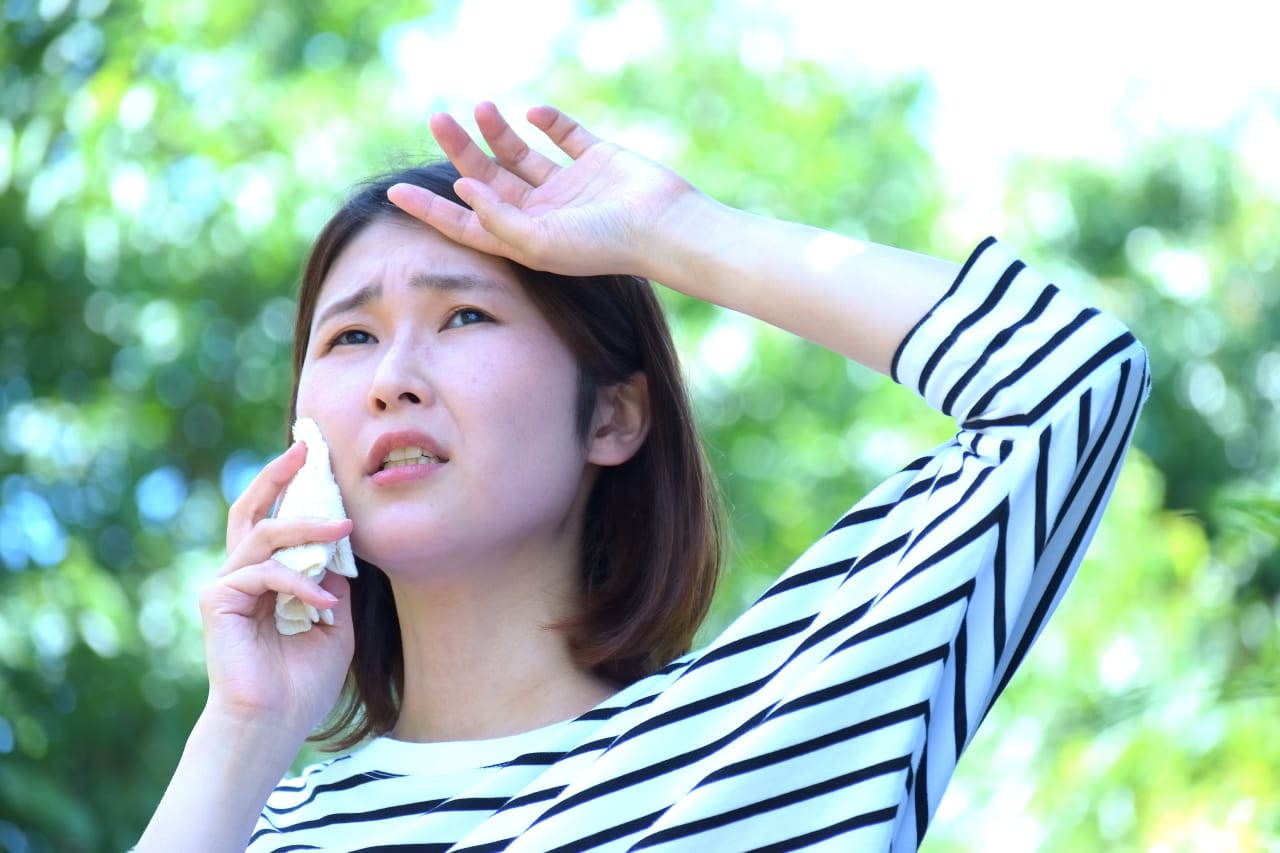

Heatstroke is a failure of the body’s regulatory mechanisms that occurs when it can no longer control its temperature. It frequently occurs after prolonged exposure to the sun’s heat or during prolonged physical exertion in a hot and/or humid environment. Older people and young children are most at risk of suffering from heatstroke. This dehydration is accompanied by a rise in body temperature and other symptoms, which can lead to feeling unwell. Heatstroke is common in summer, which is why it is important to follow a few recommendations to protect yourself from the sun and its effects. Although heatstroke is often confused with sunstroke, they are two different conditions.
What is the difference between sunstroke and heatstroke?
People often confuse them because both involve prolonged exposure to high temperatures. Sunstroke is usually associated with excessive exposure to the sun, particularly in people who are not protected by a hat or suitable clothing. It causes the body to overheat, and common symptoms include headaches, dizziness, nausea, and even vomiting. Heatstroke is the next stage, as it is a more serious and potentially life-threatening condition. It occurs when body temperature rises to a critical level because the body cannot regulate heat. Emergency treatment is required for heatstroke and may include rapid cooling of the body, usually by immersion in cold water.
In summary, heat exhaustion is generally less serious and can be treated with simple measures such as resting in the shade and staying hydrated, whilst heatstroke requires immediate medical attention due to its potential severity.