How can I make the most of my royal jelly course of treatment?
Royal jelly, a precious resource from the fascinating world of bee-derived products, is renowned for its high nutritional content and countless therapeutic benefits. This natural superfood, normally reserved for the queen bee, is now the subject of numerous studies for its beneficial effects on our well-being. But how can you incorporate this powerful elixir into your daily routine? And why consider a course of royal jelly?

What is royal jelly?
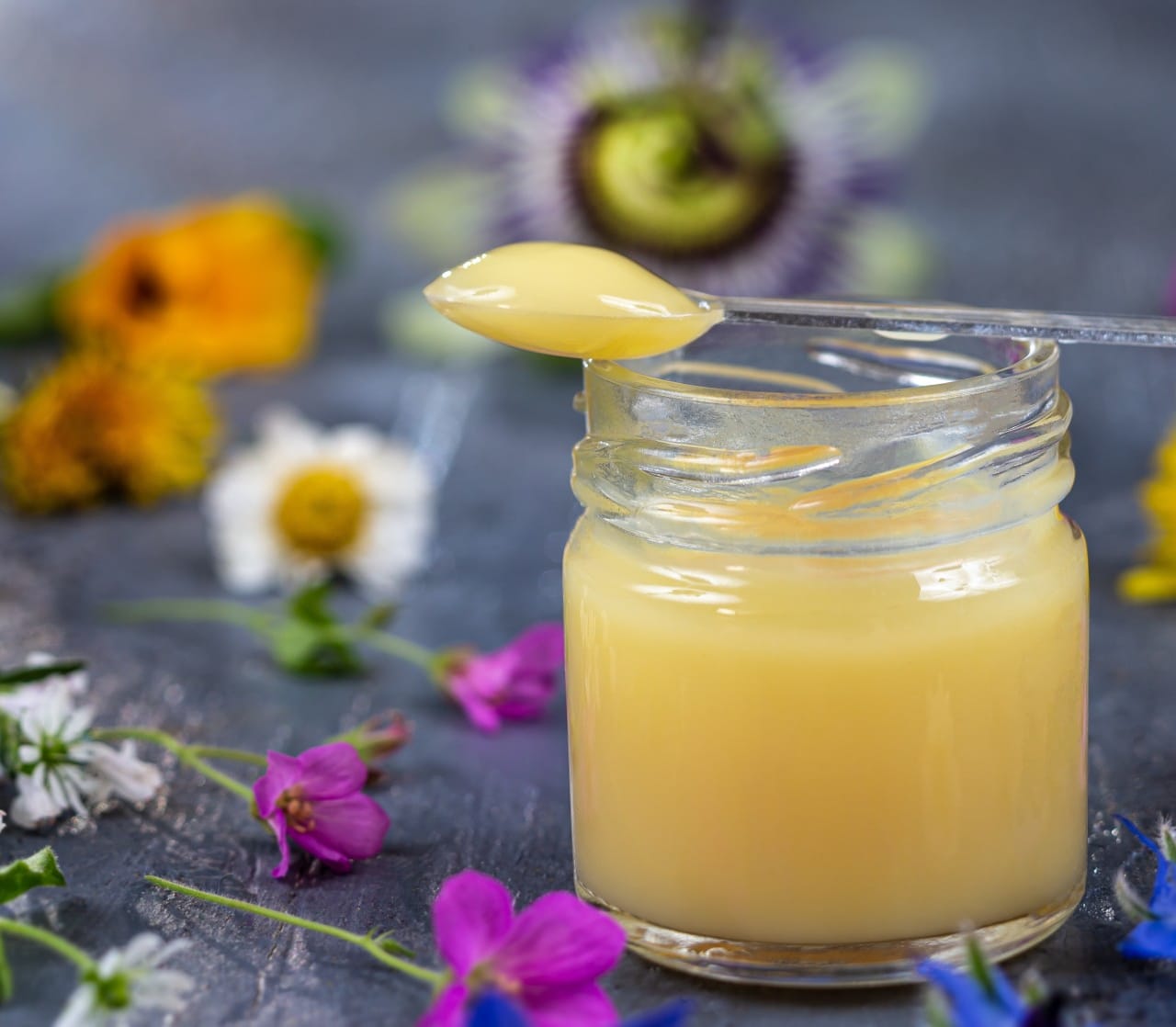
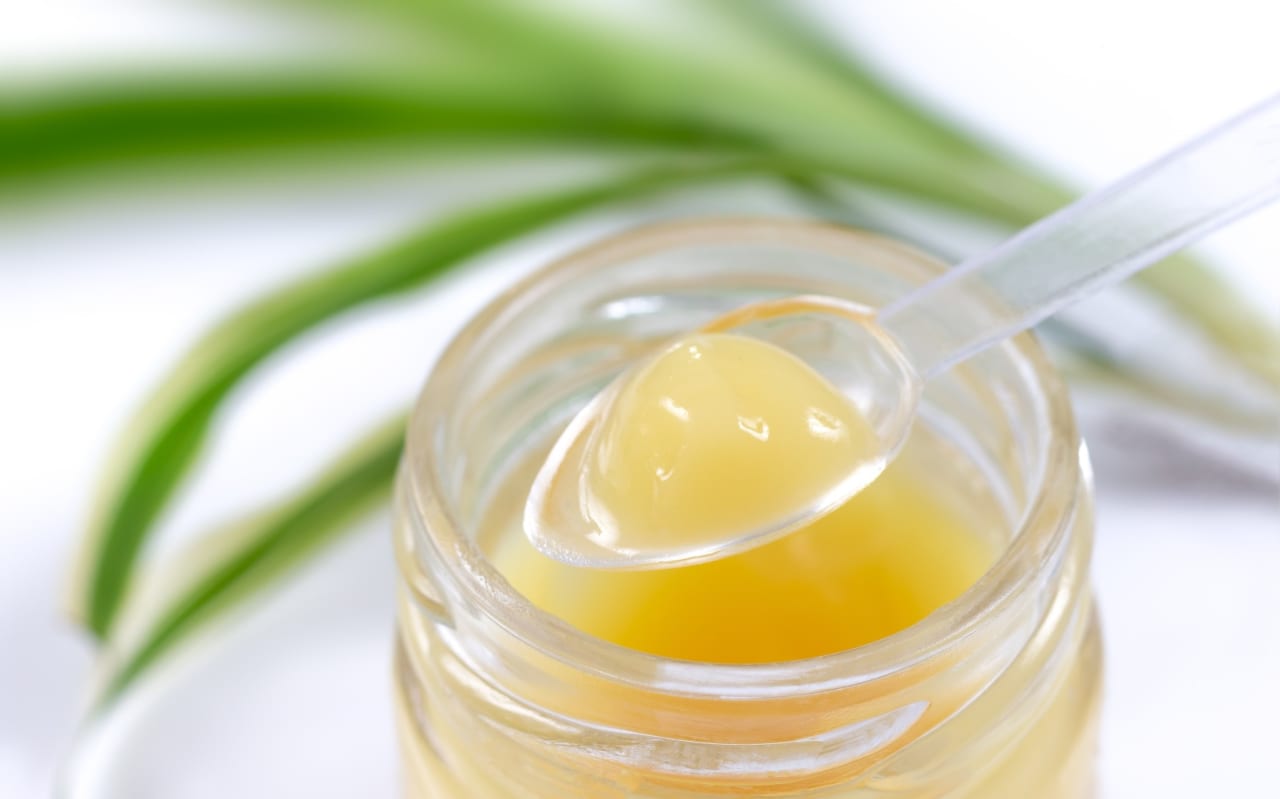
Royal jelly is a complex substance produced by young worker bees to feed their queen and the colony's larvae. It is a very rich hive product, whitish in colour and gelatinous in consistency, with a slightly acidic taste.
What makes royal jelly so special is its composition. It contains around 60-70% water, as well as 12-15% protein, 10-16% sugars, 3-6% lipids, and numerous minerals and vitamins, particularly from the B group. It is also high in essential amino acids, substances that are vital to our bodies but which they cannot synthesise on their own. So we can only get them from our food.
In addition to its beneficial nutritional profile, royal jelly contains biologically active substances. For example, it contains hormones and growth factors that can have various positive effects on our bodies.

Why take a course of royal jelly?
A course of royal jelly can offer a multitude of health benefits thanks to its richness in essential nutrients and bioactive compounds. Here are just a few reasons why you might want to consider such a course.
Immune system boost: royal jelly contains specific proteins, minerals and vitamins that can help strengthen the immune system and increase the body's resistance to infection.
Vitality and energy: thanks to its richness in B-group vitamins, royal jelly can help boost energy levels, reduce fatigue and improve physical and mental performance.
Beautiful skin and hair: the vitamins and amino acids found in royal jelly help regenerate skin and hair. This can help improve skin elasticity and texture, reduce the signs of ageing and improve the hair's appearance.
Hormonal support: royal jelly contains sterols which can support the proper functioning of the endocrine system. This can have a positive impact on hormonal balance.
Cognitive health: certain compounds in royal jelly, such as acetylcholine, are said to play a role in cognitive function, memory and concentration.
A royal jelly course of treatment can therefore benefit a wide variety of people. It is very beneficial for those seeking to improve their well-being and look good. It is particularly helpful if you want to boost your immune defences, look after your skin and hair, increase your energy levels or support your cognitive performance.
What are the benefits of a course of royal jelly?
In addition to the benefits we've already mentioned, a course of royal jelly can offer other advantages due to its nutrients and bioactive compounds. Here are some additional benefits you can expect.
Cardiovascular health: some research suggests that royal jelly can help maintain a healthy heart and blood vessels. Among other things, it helps regulate cholesterol levels and prevent atherosclerosis.
Blood sugar regulation: royal jelly can also help regulate blood glucose levels. This is a benefit for people with diabetes or at risk of developing the disease.
Support for digestive health: royal jelly can help support intestinal health and promote digestive comfort, especially when combined with probiotics.
Helps healing: many studies indicate that royal jelly can promote wound healing and help soothe superficial skin lesions.
Improved bone health: royal jelly contains calcium and vitamin D, two nutrients essential for growth and a strong skeleton.
Dosage: when and how should royal jelly be taken?
A course of royal jelly is generally recommended during the change of season, particularly as autumn and spring approach. These are periods when the immune system may need a little boost. However, royal jelly intake can vary according to your individual needs, state of health and goal.
Royal jelly comes in several forms: fresh, freeze-dried (in capsules or tablets) or mixed with honey or other bee-derived products. Dosage generally varies between 100 and 500 mg per day for freeze-dried royal jelly and between 1/2 g and 1 g per day for fresh royal jelly. Be sure to check the specific dosage for the product you have chosen.
Here's how to take royal jelly depending on the form.
Fresh royal jelly: this is generally sold in small airtight jars, as it needs to be kept in a cool place. Take the recommended amount every morning on an empty stomach and let it melt under your tongue for better absorption.
Royal jelly capsules or tablets: follow the manufacturer's instructions. In general, take one to three capsules a day, with a large glass of water, preferably in the morning on an empty stomach.
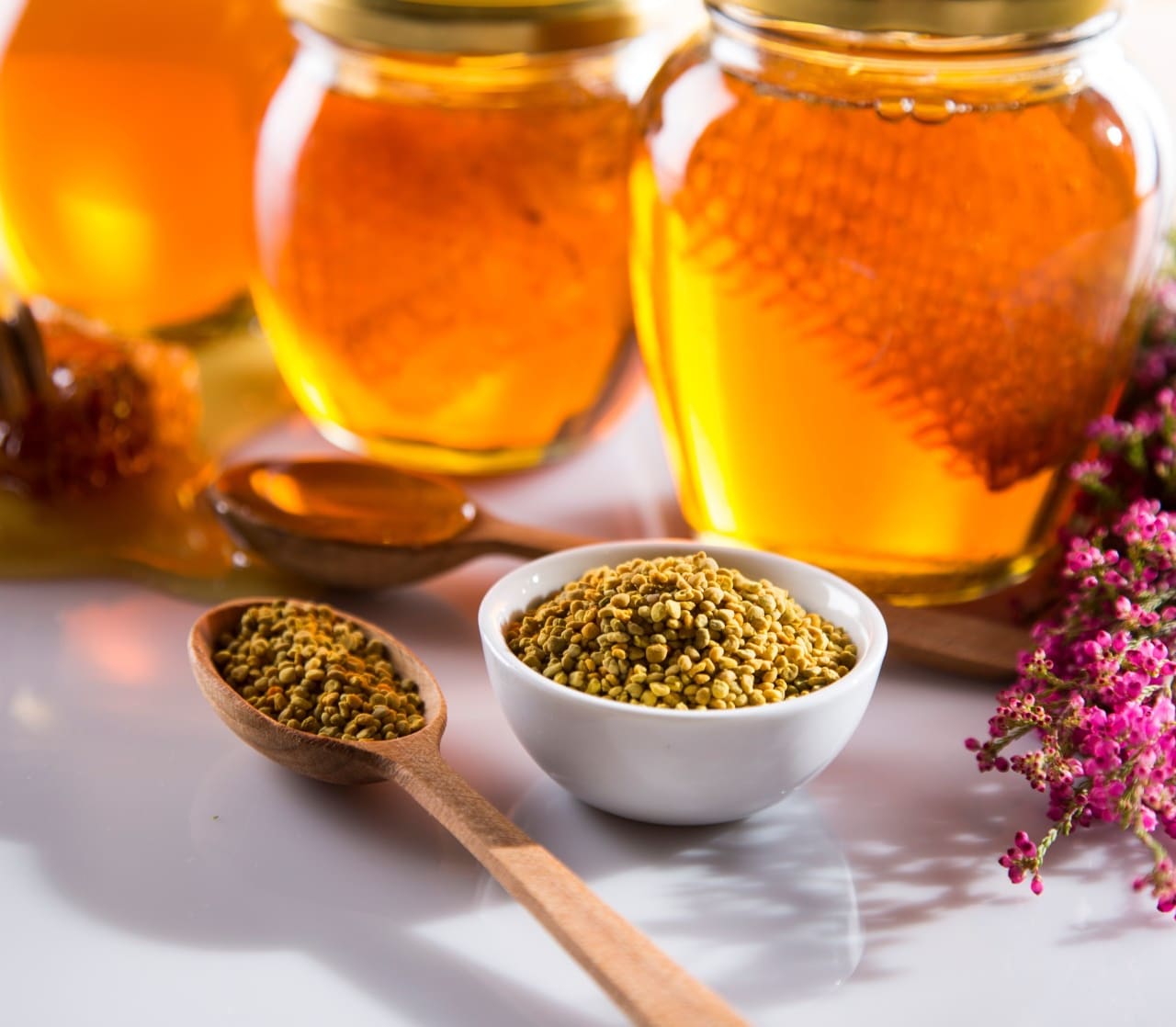
Royal jelly mixed with honey or other bee-derived products: these products are generally less concentrated in royal jelly, so you can take a higher dose.
How long does a course of royal jelly last?
A course of royal jelly generally lasts 1 to 2 months, with a break of several weeks before continuing if necessary. However, the time taken varies according to your individual needs. It is therefore advisable to consult a health professional for personalised advice.
Are there any contraindications to taking royal jelly?
Although royal jelly is generally safe for most people, there are certain contraindications.
Allergies: some people may be allergic to royal jelly. Symptoms of an allergic reaction may include skin rashes, itching, breathing difficulties or swelling of the face, tongue or throat. If you know you are allergic to bee-derived products, such as honey or pollen, it is best to avoid royal jelly.
Pregnant and breast-feeding women: although royal jelly is sometimes used to improve fertility, pregnant and breast-feeding women should consult a health professional before starting to take it. To date, the effects of royal jelly on foetal and infant development have not been sufficiently studied.
Autoimmune diseases: people with autoimmune diseases (such as multiple sclerosis, lupus, rheumatoid arthritis or asthma) should be cautious with royal jelly. In fact, it can stimulate the immune system and potentially aggravate these conditions.
Anticoagulants: if you are taking anticoagulant medication, it is important to consult your doctor before starting a course of treatment. royal jelly may interact with your treatment and increase the risk of bleeding.