Here’s how to support your detox pathways naturally (without extreme cleanses)

When we talk about “detox”, it’s often framed as something extreme / restrictive and usually involves joyless juice fasts or short-term resets, especially at the start of the year. But real detoxification doesn’t work like that. Your body is detoxing every single day, all year round. The goal isn’t to “force” detox, it’s to reduce the toxic load coming into your body and support the pathways responsible for elimination so they can do their job efficiently.

This guide is about daily, sustainable, and nourishing detox support, the kind that supports liver health, hormone balance, fertility, energy, skin and digestion without stress or deprivation.

Reading time: +4 min.

What detox really means (and what it doesn’t)

Detoxification is a complex, intelligent process involving several key systems:

  • The liver (processing toxins)

  • The gut (binding and eliminating waste)

  • The kidneys (filtering the blood)

  • The lymphatic system (drainage)

  • The skin (an elimination organ)

 Our role isn’t to “cleanse” these systems - it’s to support them.

And that support comes from two core principles:

  1. Reducing exposure to unnecessary toxins

  2. Supporting elimination with food, hydration and daily practices
The hidden detox blockers: endocrine disruptors

One of the most overlooked contributors to detox overload is everyday product exposure. Research from the Endocrine Society defines endocrine-chemicals as substances that can interfere with hormone signalling and increase the burden placed on the liver (1). What’s important to understand is that exposure is cumulative - small amounts, used daily, add up over time.

Common sources include:

  • Deodorants and antiperspirants

  • Skincare and body care

  • Perfume and fragranced products

  • Household and cleaning products

 These often appear on labels as:

  • Synthetic fragrance

  • Parabens

  • Phthalates

  • Aluminium salts

When exposure is high, the liver has to prioritise processing these chemicals, which can impact energy levels, skin health, menstrual cycles and fertility.

The positive takeaway? This is one of the easiest areas to reduce toxic load, because these are swaps we can actively control.

Clean choices that matter: skin, absorption & detox

Your skin isn’t just a protective barrier, it’s also a major absorption route into your bloodstream. 

What we apply topically can enter circulation, which is why skincare and body care choices matter when we’re talking about detox support. According to the European Commission’s Scientific Committee on Consumer Safety (SCCS), cosmetic ingredients and products are evaluated for safety — including how substances may be absorbed into the body through the skin — to protect consumer health.  (2)

Simple swaps that make a real difference

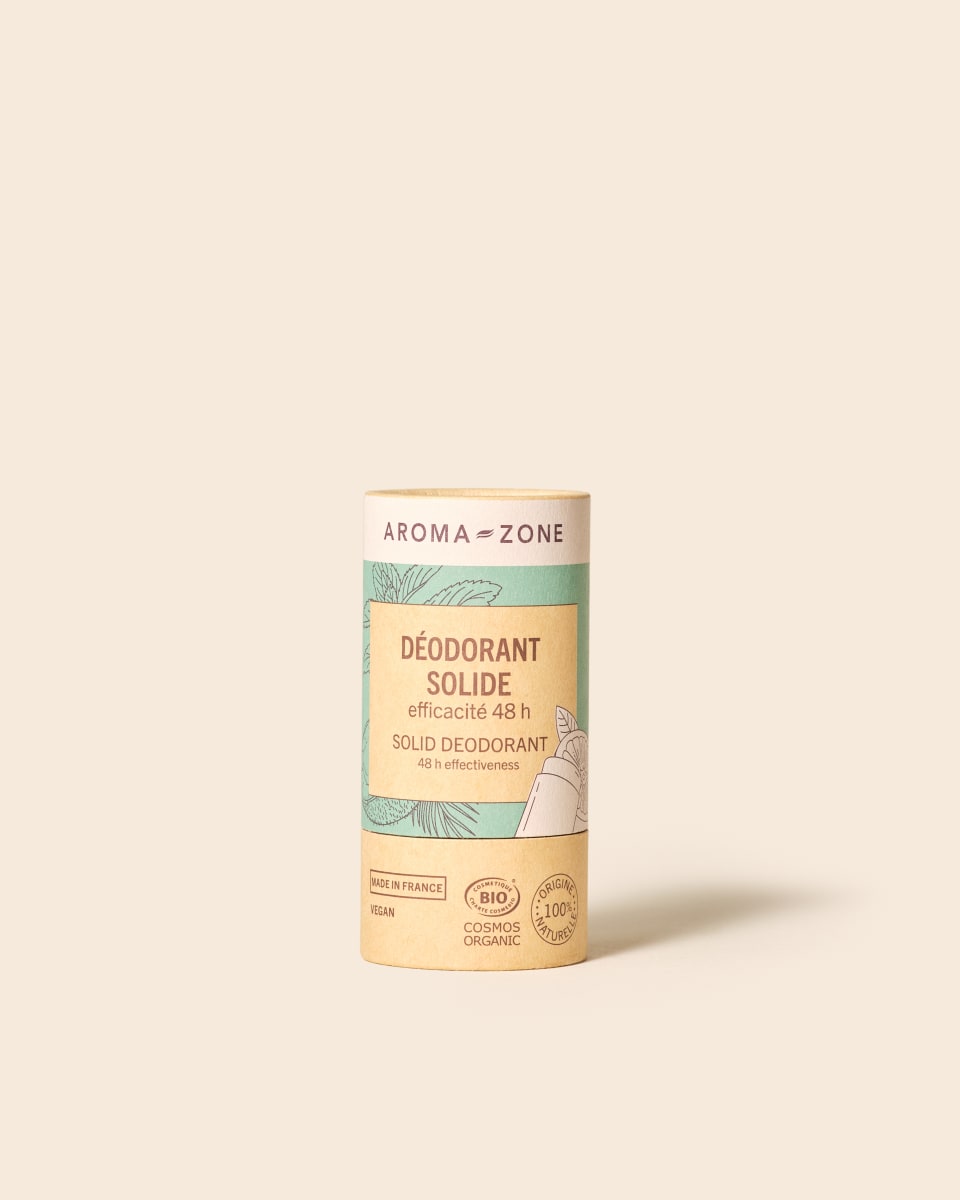
  • Choosing a natural deodorant instead of aluminium-based antiperspirants

  • Simplifying your skincare routine to use fewer, cleaner ingredients

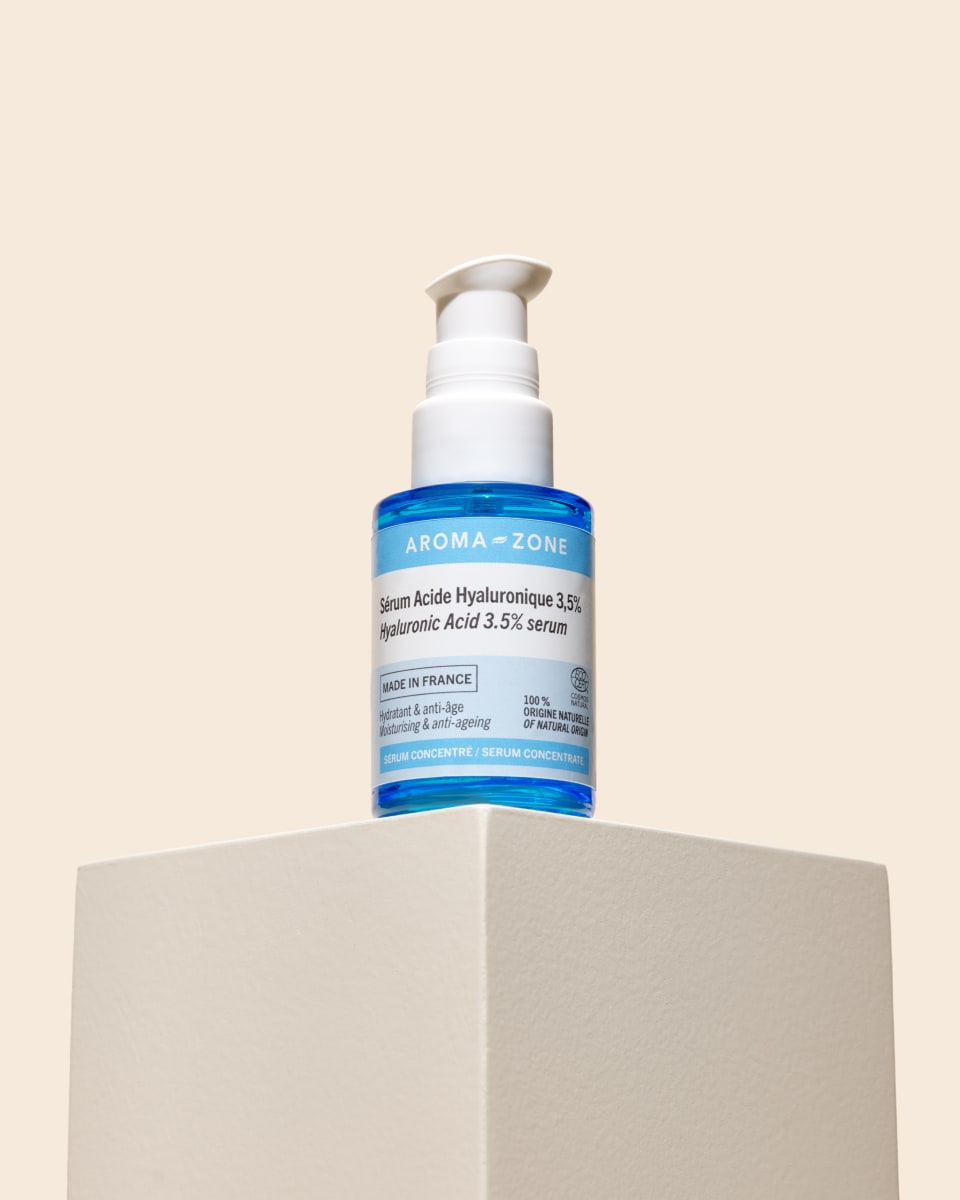
  • Supporting the skin barrier with hyaluronic acid, which helps maintain hydration and reduce unwanted transdermal absorption

Organic Solid Deodorant with Palmarosa

Hyaluronic Acid 3.5% Serum

Using well-formulated, minimal, ingredient-conscious products from brands allows you to care for your skin without unnecessarily increasing the liver’s workload. A stronger skin barrier = less stress on detox pathways.

Supporting the lymph: why dry body brushing helps

The lymphatic system plays a crucial role in detoxification- but unlike the heart, it doesn’t have a pump so It relies entirely on movement and stimulation.

This is where dry body brushing can be a beneficial daily practice.

How to dry body brush

  1. Start at the feet

  2. Use long, gentle strokes towards the heart

  3. Brush the limbs first, then the torso

  4. Avoid sensitive or broken skin

  5. Do this before showering, 3–5 times per week

Dry brushing supports lymphatic flow, circulation, and skin elimination - all important components of daily detox support.

Wooden Lymphatic Drainage Brush

Food as your daily detox support

Detox isn’t about restriction, it’s about support and nourishment.

The liver requires nutrients, fibre and antioxidants to process and eliminate toxins effectively. When the body is under-fed or stressed, detoxification actually becomes less efficient.

Key foods that support elimination

  • Cruciferous vegetables (broccoli, kale, rocket, cauliflower) : Research has shown that compounds in cruciferous vegetables can upregulate phase II detoxification enzymes in the liver, helping support the body’s natural detox pathways. (3)  

  • Bitter foods (rocket, chicory, lemon) : Stimulate bile flow, essential for toxin excretion

  • Fibre-rich plants (vegetables, legumes, seeds): Bind toxins and hormones for elimination via the gut

  • Antioxidant-rich floods (berries, herbs, spices) : Protect liver cells during detox processes

Regular, balanced meals that support blood sugar stability are also essential - stress and under-eating increase detox load rather than reducing it.

Hydration as a key tool for an effective elimination

Hydration is one of the most underestimated components of detoxification.

Without adequate fluids, elimination pathways simply can’t function efficiently.

Hydration supports

  • Kidney filtration

  • Regular bowel movements

  • Lymphatic flow

Support daily hydration with

  • Filtered water sipped evenly throughout the day

  • Herbal teas such as dandelion, nettle and fennel

  • Mineral-rich water for deep, cellular hydration

A note on alcohol

Alcohol is both dehydrating and a direct liver toxin. The liver will always prioritise processing alcohol over other detox tasks.

For optimal detox support, it’s best to avoid alcohol where possible or consciously limit intake, especially during times of hormonal imbalance, fatigue or skin flare-ups.

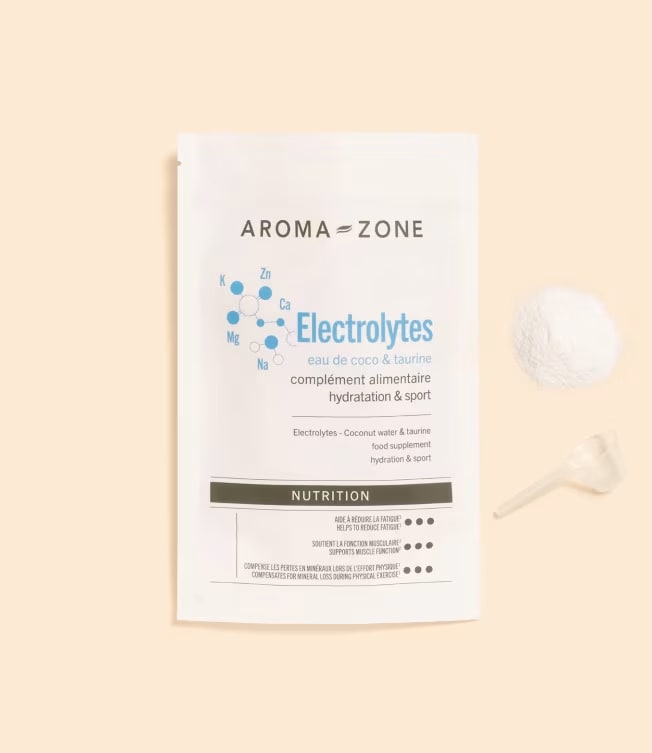
Choosing alcohol-free alternatives - Mineral support, such as an electrolyte blend from Aroma-zone, can further support hydration and cellular detox processes.

Electrolyte Powder

The bigger picture: daily detox over time

True detoxification isn’t something you do for a week in January.

It’s the accumulation of small, daily choices:

  • Cleaner products

  • Reduced endocrine disruption

  • Nourishing food

  • Adequate hydration

  • Gentle, supportive rituals

When these foundations are in place, the body does what it’s designed to do efficiently, intelligently and without extremes.

Expert’s Advice

How to support detox daily without stressing your body

Detoxification works best when the body feels safe, nourished and supported — not when it’s pushed into extremes. Instead of focusing on short-term cleanses, prioritise consistency. Eat regularly to support blood sugar balance, hydrate throughout the day, and choose foods that naturally support liver and gut function.

Reducing exposure to unnecessary toxins is just as important as what you add in. Simple swaps in skincare, household products and personal care can significantly lower the daily load on your detox pathways.

Most importantly, remember that detox isn’t about perfection. The body is highly intelligent and designed to eliminate efficiently when given the right foundations. Small, sustainable choices made daily will always have a greater impact than restrictive resets or aggressive protocols.

Zoom on our Naturopathic Nutritionist Editor, Jess Shand

Jess Shand is a Naturopathic Nutritionist, hormone health specialist and founder of the Eat, Nourish and Glow clinic. She is also the author of The Hormone Balance Handbook, where she shares her expertise on using food and lifestyle as medicine to restore balance and improve long-term wellbeing. Passionate about empowering women to take charge of their health, Jess has built a trusted online community (90K) where she shares practical, science-backed advice on nutrition, hormones, and holistic living. Her approachable style and depth of knowledge have made her a sought-after voice in the wellness space.

Bibliography

1

Society, E. (2025, 22 avril). Endocrine-Disrupting chemicals. Endocrine Society.

2

Notes of guidance for the testing of cosmetic ingredients and their safety evaluation - 12th revision. (s. d.). Public Health.

3

Nho, C. W., & Jeffery, E. (2001). The Synergistic Upregulation of Phase II Detoxification Enzymes by Glucosinolate Breakdown Products in Cruciferous Vegetables. Toxicology And Applied Pharmacology, 174(2), 146‑152.

4

Grant DM. Detoxification pathways in the liver. J Inherit Metab Dis.

1991;14(4):421-30. doi: 10.1007/BF01797915. PMID: 1749210. Detoxification pathways in the liver – PubMed

5

Hodges RE, Minich DM. Modulation of Metabolic Detoxification Pathways Using Foods and Food-Derived Components: A Scientific Review with Clinical Application.

J Nutr Metab. 2015;2015:760689. doi: 10.1155/2015/760689. Epub 2015 Jun 16. PMID: 26167297; PMCID: PMC4488002. Modulation of Metabolic Detoxification Pathways Using Foods and Food-Derived Components: A Scientific Review with Clinical Application – PubMed