Aroma-Zone Hyaluronic Acid Active Ingredient

HYDRATING AND PLUMPING


The star ingredient hydrates and plumps all skin types


A major biomimetic moisturizing and plumping active ingredient, hyaluronic acid is one of the essential molecules for helping the skin age well.


Reading time: 0 min.

Hyaluronic Acid Aroma-Zone Profile

INCI Name: Sodium hyaluronate

VEGAN - LABELS

BIOCHEMICAL COMPOSITION

Hyaluronic acid consists of polysaccharides (sugar chains) from the glycosaminoglycan (or GAG) family. It is a long molecule in which the disaccharide unit formed by D-glucuronic acid and D-N-acetylglucosamine repeats. Depending on the number of repeating "disaccharide" units, the molecular weight of hyaluronic acid varies between 5 and 10,000 kDa.

TRACEABILITY & SUSTAINABILITY

Naturally derived active ingredient - The vegan hyaluronic acid we use at Aroma-Zone is produced using biotechnology (fermentation of glucose and plant-based peptones).


Hyaluronic Acid: What Effect Does It Have on the Skin?

Hyaluronic acid is a natural component of connective tissues: skin, cartilage, synovial fluid, cornea… It is a glycosaminoglycan—that is, a carbohydrate macromolecule—and constitutes one of the most important elements of the skin’s extracellular matrix. This matrix also includes proteins such as collagen and elastin. Hyaluronic acid binds with these proteins to form a network thanks to its ability to attract and retain large amounts of water (up to 1,000 times its weight in water), forming an elastic gel. This network provides the skin’s supportive structure.

It is this ability, among others, that gives young skin its volume and elasticity. Hyaluronic acid is constantly renewed by the skin: its natural lifespan is very short, with about one-third of its molecules replaced by the body every day. With age, the body synthesizes less hyaluronic acid. The amount of hyaluronic acid gradually decreases, and the skin loses its plump appearance.

As a cosmetic active ingredient, its exceptional water-retention capacity is recognized for hydrating and “plumping” the skin, even at low concentrations. Its moisturizing properties also help promote skin regeneration by stimulating the proliferation of epidermal and dermal cells, including keratinocytes and fibroblasts. Because it occurs naturally in the skin, it is also very well tolerated, even by sensitive skin.

Hyaluronic Acid: Scientifically Proven Efficiency

A study examined the efficacy of a cream containing 0.1% hyaluronic acid of various molecular weights as an anti-aging treatment on 76 women. After 2 months, their skin’s hydration and elasticity were significantly increased compared to the placebo. The appearance of wrinkles was also improved in the group that applied low-molecular-weight hyaluronic acid.

Skin Tolerance

A Note from Adeline Nalin, Head Pharmacist and Toxicologist at Aroma-Zone

“Hyaluronic acid is very well tolerated by the skin, even sensitive skin, thanks to its structure, which is naturally present in the dermis (biomimicry). Its excellent tolerance is confirmed even at concentrations of up to 3.5%. Hyaluronic acids are characterized by their molecular weights, which directly influence skin penetration and thus local tolerance.”

Adeline Nalin - Head Pharmacist and Toxicologist

A Safe Ingredient for your Health

A Note from Our Aroma-Zone Toxicologist

“Hyaluronic acid is a universal molecule whose structure is identical in all living beings—whether bacteria, animals, or humans. Naturally present in our bodies, it is recognized as an endogenous substance that is well-tolerated by the skin. At the concentrations used in cosmetics, it is non-toxic, non-sensitizing, and perfectly safe. Its action consists of supporting existing physiological functions without altering the skin’s balance.”

Adeline Nalin - Head Pharmacist and Toxicologist

A Note from the Dermatologist


“Naturally present in the skin barrier, hyaluronic acid acts like a sponge, retaining up to 1,000 times its weight in water, which helps hydrate and soften the skin. It is suitable for all skin types, and I recommend it especially for skin lacking hydration. Lightweight and non-comedogenic, it easily fits into any skincare routine without weighing down the skin and can be applied both morning and night. A little tip: feel free to apply it to slightly damp skin and seal in the moisture with a moisturizer.”


Dr. Dima Haidar - Dermatologist

Formulation Focus with the Aroma-Zone R&D Laboratory

Hyaluronic acid exists in a wide variety of molecular weights, an essential characteristic in formulation as it determines its distribution within the skin. The larger forms remain on the surface to provide immediate hydration, while the smaller ones diffuse more easily into the upper layers of the epidermis. Combining multiple sizes thus allows for comprehensive hydration.

For Which Skin Types?

All skin types, dehydrated skin, first signs of aging, mature skin.

Which Concerns Does This Address?

Dehydration, loss of firmness and elasticity, wrinkles and fine lines.

What Hyaluronic Acid Does for the Skin

  • Intense, long-lasting hydration

  • Firms the facial contours

  • Improves skin elasticity

  • Reduces the depth and width of wrinkles

  • Plumps and softens the skin.

Hyaluronic Acid: An Essential Ingredient for the Skin

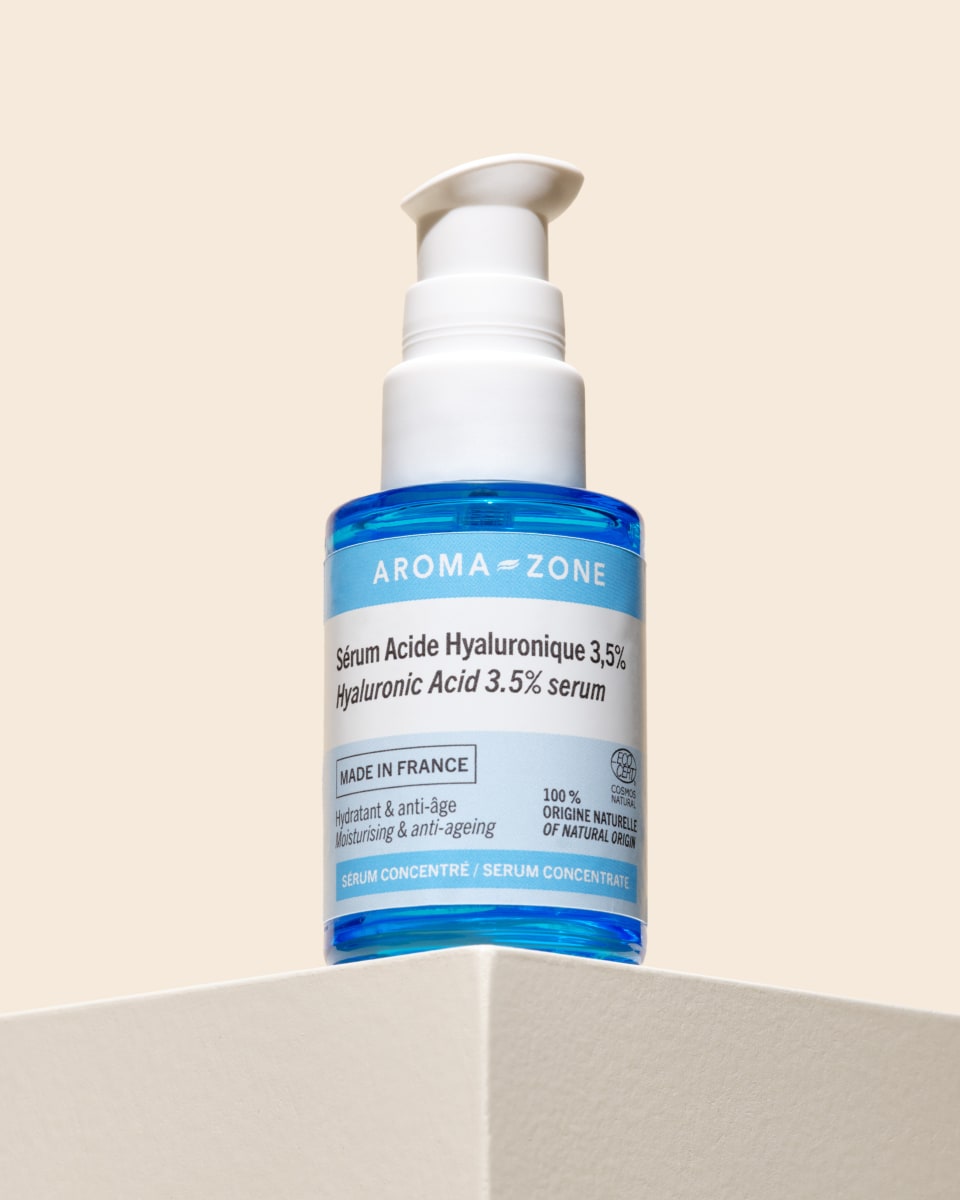
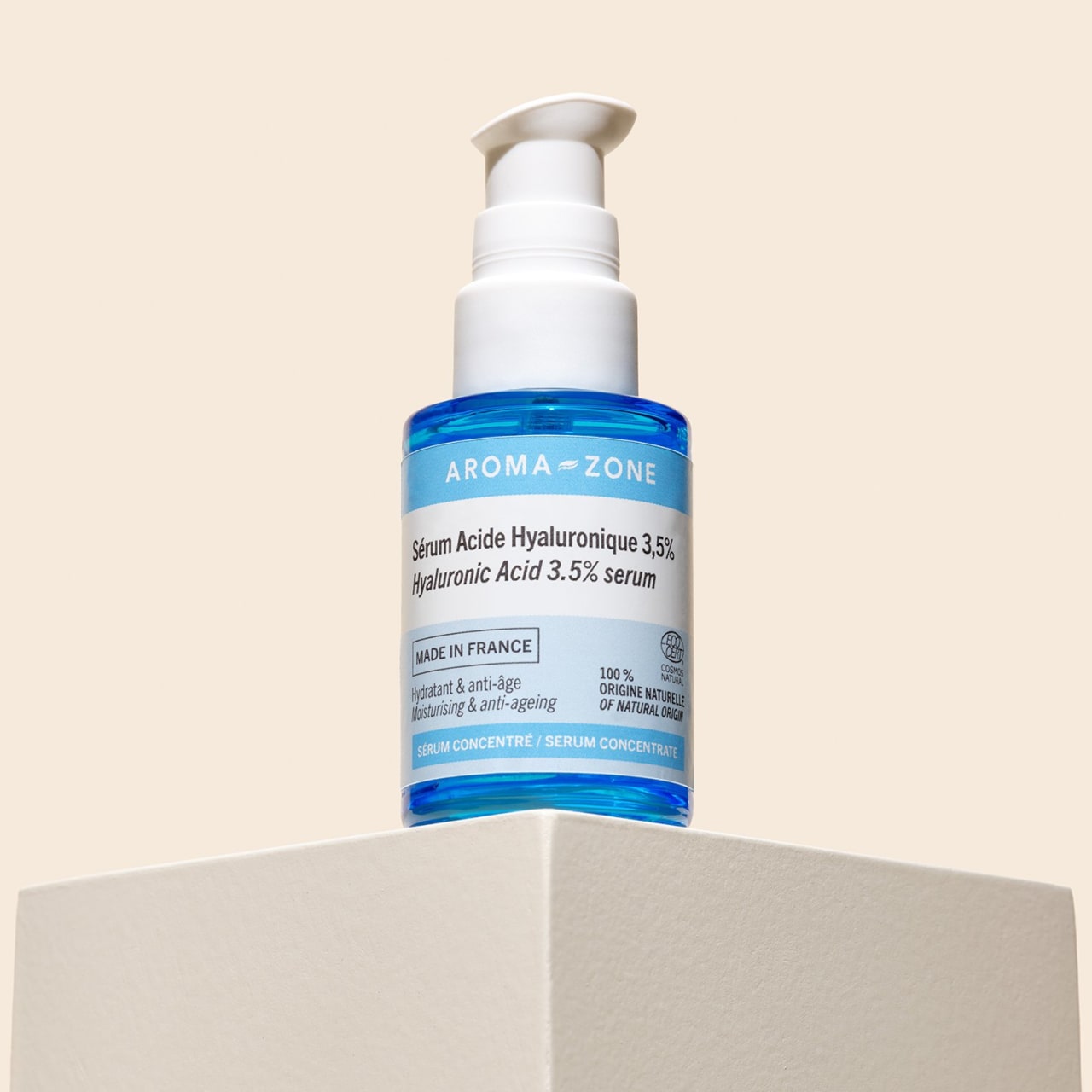
3.5% Hyaluronic Acid Concentrated Serum

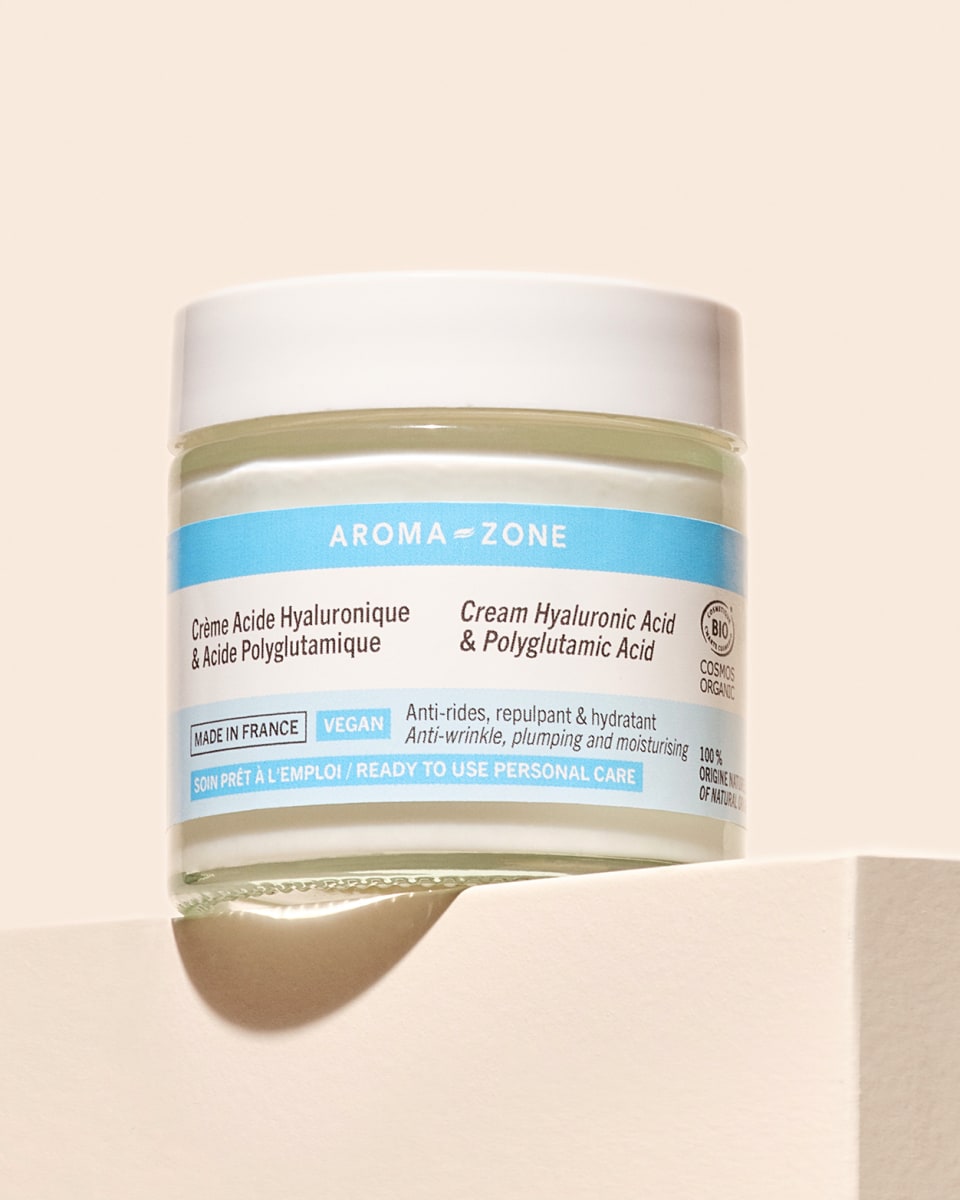
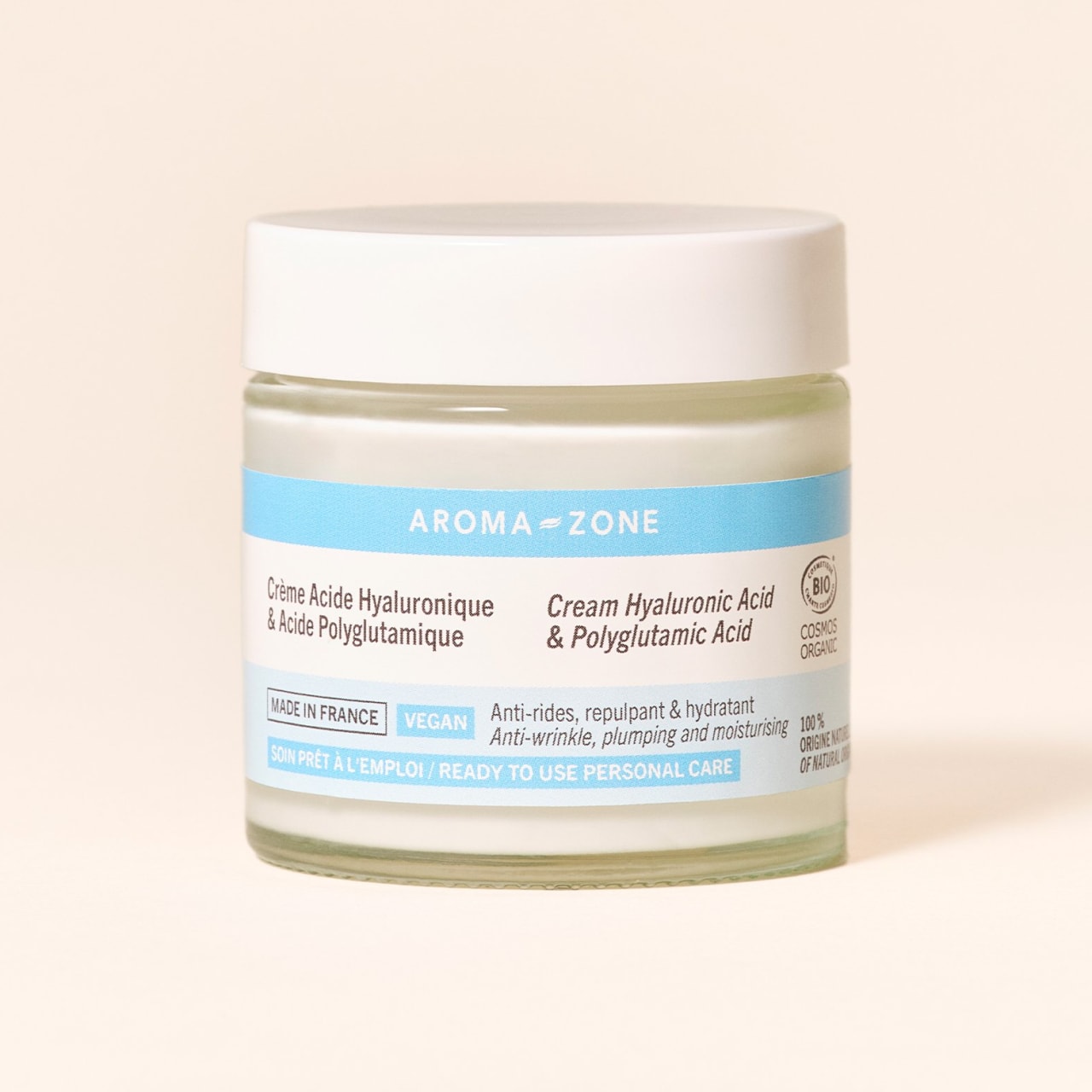
Hyaluronic Acid & Polyglutamic Acid Cream

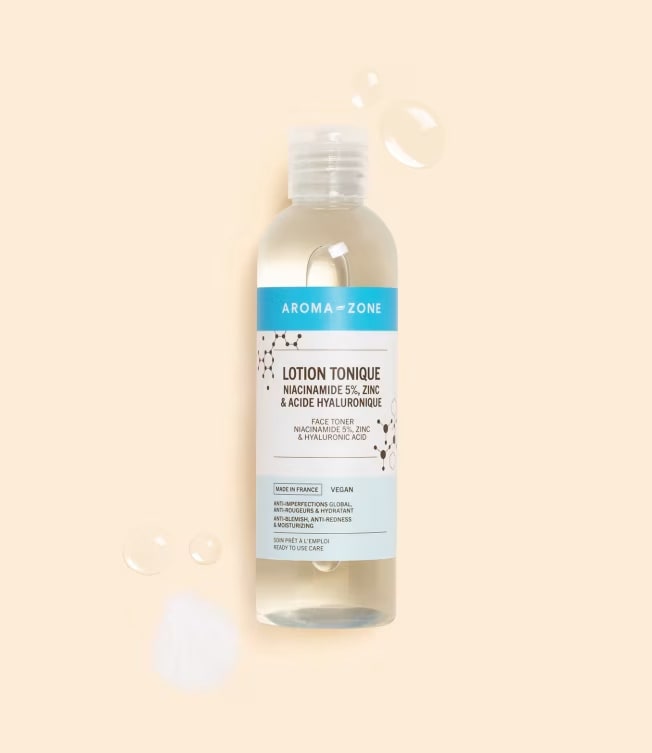
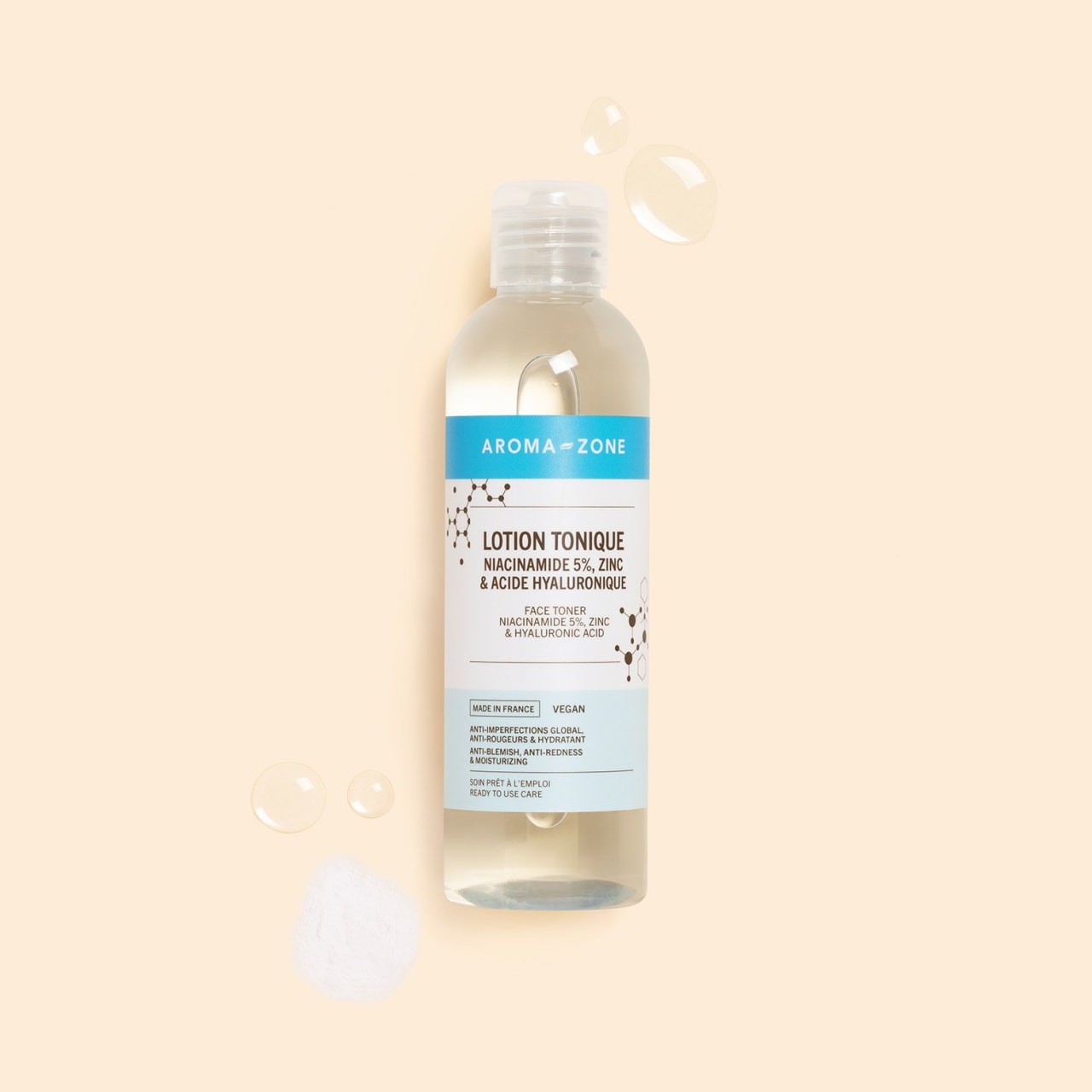
5% Niacinamide, Zinc & Hyaluronic Acid Lotion

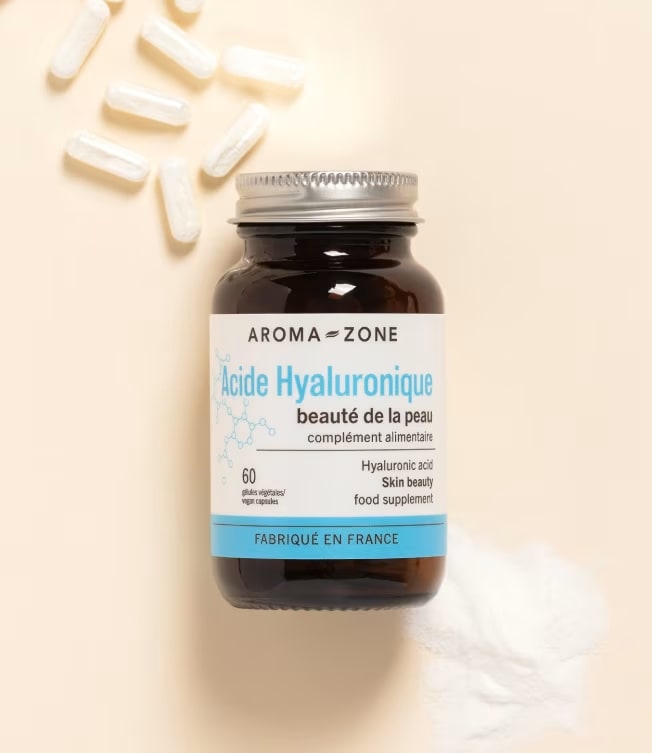
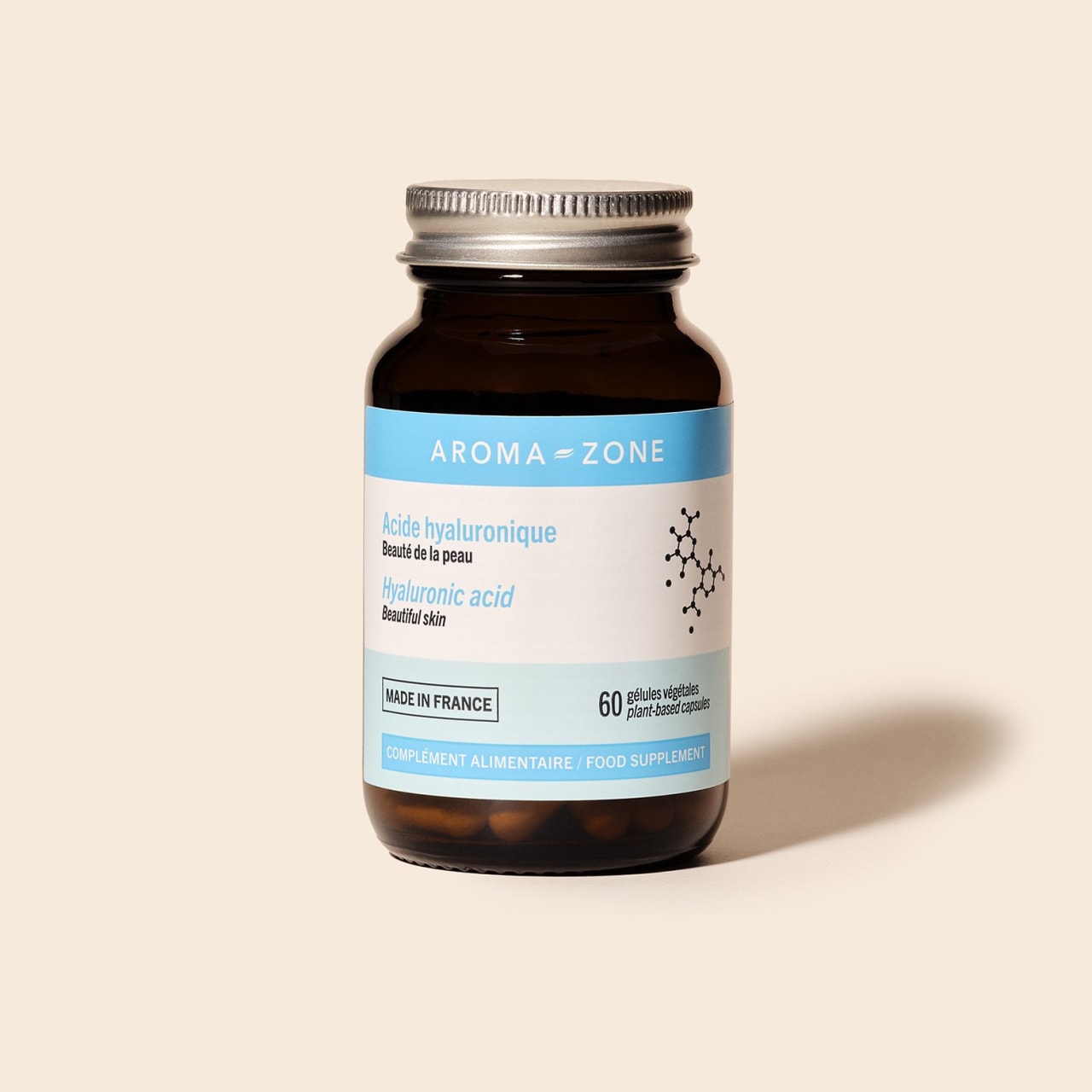
Hyaluronic Acid - 60 capsules - Dietary supplement

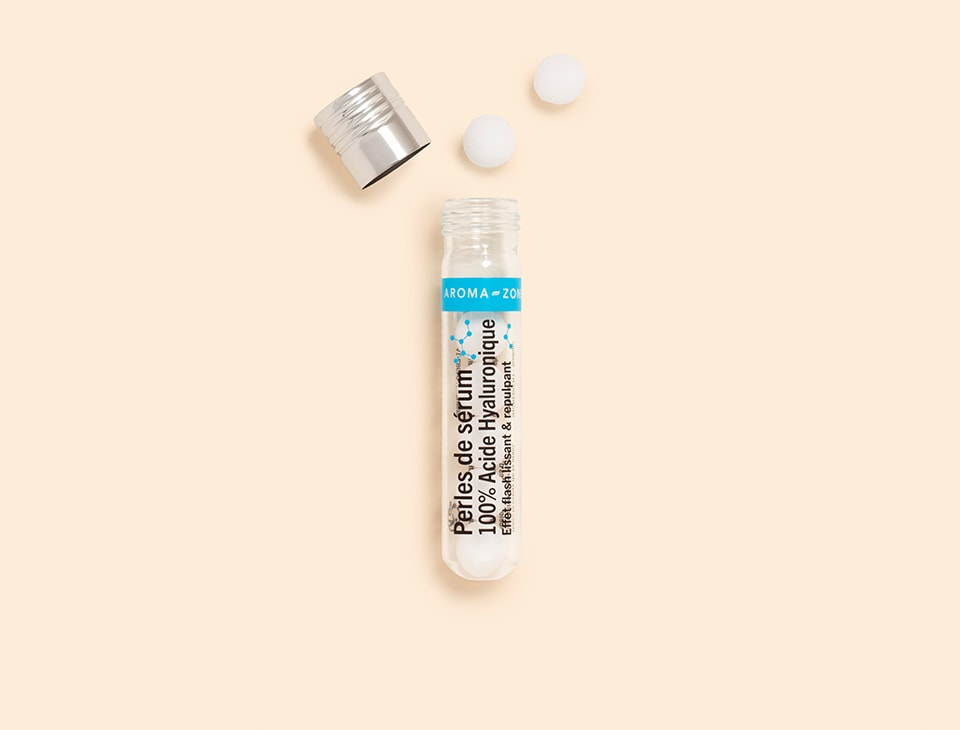
100% Hyaluronic Acid Serum Pearls

FAQ

Can hyaluronic acid in a formula stimulate the skin’s natural production of hyaluronic acid?

When applied to the skin, hyaluronic acid does not act as a direct "booster" of synthesis. Its action is primarily moisturizing and biomimetic.

By improving the hydration of the extracellular matrix and cellular comfort, it contributes to a physiological environment conducive to the natural functioning of skin cells.

How does hyaluronic acid interact with the skin microbiome?

Hyaluronic acid contributes to the proper balance of the skin microbiome by supporting the skin’s barrier function. By boosting hydration in the stratum corneum, it improves skin cohesion and limits environmental fluctuations that could disrupt the microbiome. It does not directly target the microorganisms that make up the microbiome, but helps maintain stable, protective conditions in which the microbiome can thrive: skin that feels comfortable, is less reactive, and is better equipped to withstand external aggressors.

Can hyaluronic acid enhance the effectiveness of other active ingredients (Retinol, Vitamin C, Peptides) through its hydrating and delivery properties?

The hydration provided by hyaluronic acid improves the suppleness of the stratum corneum and can facilitate the diffusion of certain active ingredients through the skin. It does not alter their mechanism of action, but it can optimize the skin conditions necessary for their good tolerance and comfort of use.

This is one reason why it is often combined with Retinol, with Peptides, or Vitamin C in skincare routines.

Are there any risks of inflammation or sensitization?

Hyaluronic acid is known for its excellent tolerability, even on sensitive skin. Low-molecular-weight forms are known for their good epidermal penetration and, at the concentrations used in cosmetics, have an excellent tolerability profile. They are not associated with sensitization or inflammation, even with repeated use.

Spotlight on our specialist editor, Marion Alves De Oliveira

Marion is a Doctor of Pharmacy, naturopath, and life coach. After twelve years in the cosmetics industry, she now guides her clients toward holistic balance and a more mindful lifestyle, drawing on her expertise in sustainable food practices. As the creator of a podcast, she shares her insights to promote a philosophy of living that respects both health and the environment.