
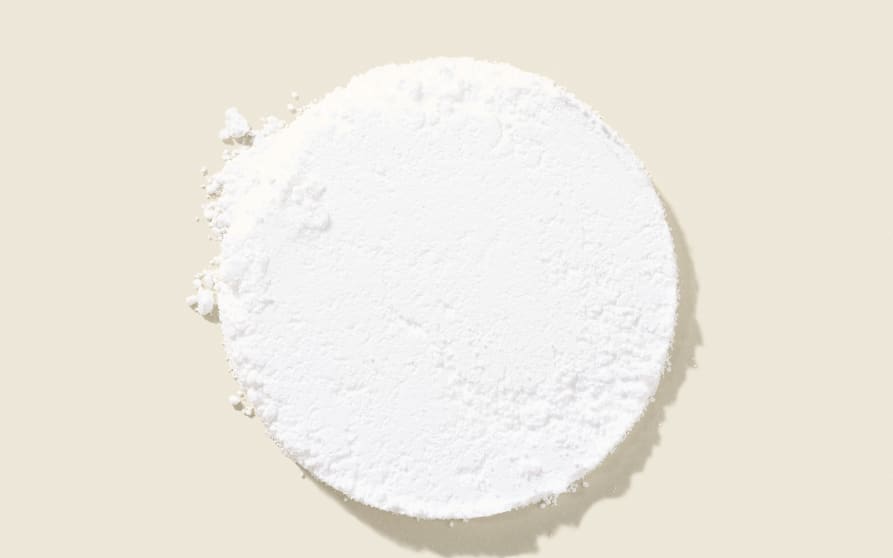
Aroma-Zone Polyglutamic Acid

PRO-AGE MOISTURIZER


The intense moisturizer that preserves our natural hyaluronic acid


A true hyaluronic acid booster, this active ingredient acts as an intense moisturizer and a powerful anti-aging agent. 

Reading time: 0 min.

Polyglutamic Acid Aroma-Zone profile

INCI Name : Sodium polyglutamate

VEGAN

BIOCHEMICAL COMPOSITION

Polyglutamic acid is composed of D-glutamic acid and L-glutamic acid. High-molecular-weight polyglutamic acid (approximately 2000 kDa) forms a protective barrier on the skin’s surface, while low-molecular-weight polyglutamic acid (approximately 1 kDa) penetrates the skin to act at a deeper level.

SUSTAINABILITY & TRACEABILITY

100% natural origin, the polyglutamic acid used by Aroma-Zone is produced through non-GMO fermentation.

Polyglutamic Acid : what effect does it have on the skin ?

Polyglutamic acid is a polypeptide (a chain of amino acids) naturally found in fermented soybeans, known as natto. Its strong affinity for water molecules and its ability to stimulate the skin’s natural hydration factor give it intense moisturizing properties. This polymer has an exceptional ability to retain water, estimated at 5,000 times its weight, making it even more effective than hyaluronic acid in terms of skin hydration. PGA acts like a sponge, forming a protective film on the skin’s surface that “swells” upon contact with water. It therefore effectively hydrates the epidermis while limiting transepidermal water loss (TEWL). This molecule is not naturally present in the body, but it preserves the hyaluronic acid naturally present in our skin and stimulates collagen production.

Tests* conducted on a human skin model have demonstrated polyglutamic acid’s ability to strengthen the skin barrier and to boost hyaluronic acid levels in cells.

What are the benefits of polyglutamic acid?

Polyglutamic acid offers numerous benefits for the skin:

  • Intense Hydration : Thanks to its exceptional water-retention capacity, PGA ensures prolonged and deep hydration

  • Plumping effect : it improves skin suppleness and firmness by stimulating hyaluronic acid production

  • Improved skin barrier: it strengthens the skin’s protective barrier, thereby limiting water loss and protecting against external aggressors

  • Anti-aging effect : helps reduce the appearance of fine lines and wrinkles by promoting skin elasticity and firmness

  • Regulation of sebum production : It maintains a healthy hydrolipid balance, preventing dehydration without weighing down the skin

  • Hair benefits: It moisturizes, protects, and softens the hair, thereby reducing breakage and improving its strength.

What are the uses of this active ingredient in cosmetics?

Polyglutamic acid is a sought-after ingredient in many cosmetic products thanks to its exceptional moisturizing properties. It is found in particular in serums and creams, providing long-lasting hydration and an immediate plumping effect. It is also present in face masks to soothe and protect the skin against external aggressors, or in mists and lotions to refresh and hydrate the skin throughout the day. Polyglutamic acid can also be found in hair care products; incorporated into shampoos, conditioners, or hair masks, it moisturizes and strengthens the hair shaft long-term.

Polyglutamic Acid : an essential ingredient for the skin

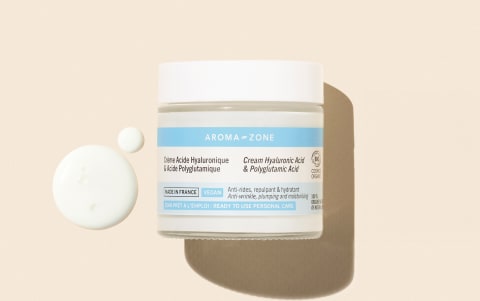
Hyaluronic Acid & Polyglutamic Acid Cream

Storage instructions

Polyglutamic acid is a stable active ingredient, but certain precautions should be taken to ensure its effectiveness. It is best stored away from light and heat, in a cool, dry place. To prevent contamination and preserve its purity, airtight bottles must be used. Finally, it should be used within 6 to 12 months after opening for maximum effectiveness.

Contraindications & Precautions for Use

Polyglutamic acid is well-tolerated by all skin types, but some precautions are necessary:

Do not apply to irritated or damaged skin.

Test on a small area before first use to avoid any risk of an allergic reaction.

Even though this active ingredient is not photosensitizing, remember to apply sunscreen in the morning, at the end of your skincare routine, to protect your skin from UV rays throughout the day.

Learn more

What are the differences between polyglutamic acid and hyaluronic acid?

Hyaluronic acid (HA) and polyglutamic acid (PGA) are two moisturizing active ingredients with distinct modes of action. HA, naturally present in the skin, retains up to 1,000 times its weight in water and provides a plumping effect. The low molecular weight form penetrates deeply, while the high molecular weight form acts on the surface. PGA, derived from bacterial fermentation, retains up to 5,000 times its weight in water and forms a protective film that limits evaporation. It also stimulates the production of natural HA. HA adds volume, while PGA improves the skin barrier. Their combination optimizes hydration and anti-aging benefits.
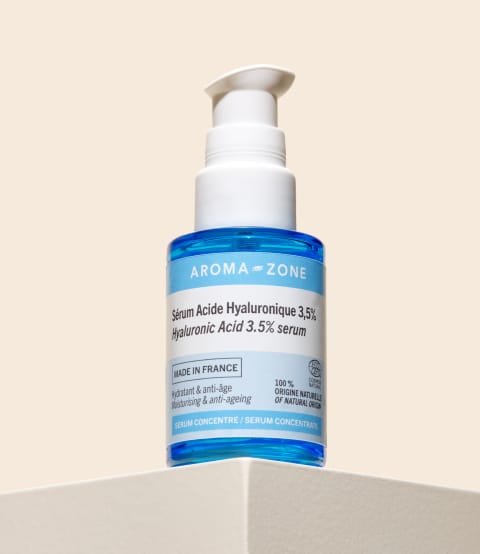
With hyaluronic acid

The combination of polyglutamic acid and hyaluronic acid provides the skin with a synergy of active ingredients that hydrate and plump, combining their exceptional water-retention capabilities for smooth, plump skin.

Discover hyaluronic acid

With ceramides

To restore the skin barrier and prevent dehydration, using ceramides with polyglutamic acid is an ideal solution, especially for dry and/or sensitive skin.
Discover ceramides

With Vitamin C

The combination of polyglutamic acid and vitamin C helps restore plump, radiant skin and provides enhanced protection against free radicals.
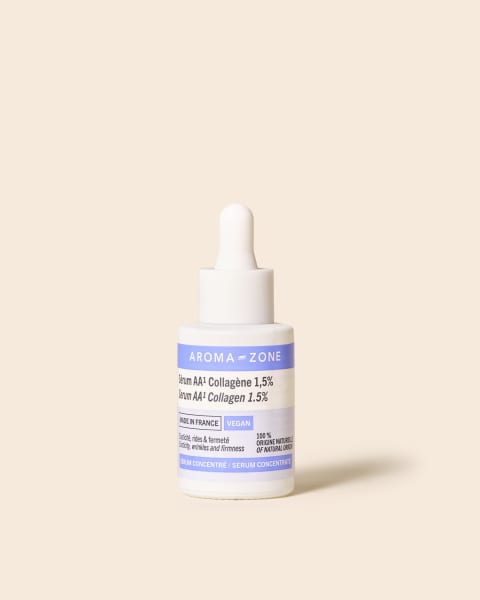
Discover Vitamin C

With Peptides

Peptides have anti-aging and firming effects; combining them with polyglutamic acid optimizes the anti-aging effects of these two active ingredients by promoting cell regeneration, filling in wrinkles, and improving skin elasticity.
Discover peptides

With Niacinamide

For a perfect balance between hydration and sebum control, this combination of active ingredients helps prevent breakouts while keeping skin well-hydrated. Perfect for combination to oily skin.

Discover niacinamide

Which foods contain polyglutamic acid?

Certain foods naturally contain polyglutamic acid; it is found notably in natto, a Japanese fermented soy-based food, which is a particularly rich source of polyglutamates. This acid is produced by the fermentation of certain bacteria, such as Bacillus subtilis, which convert soy proteins into a glutamic acid polymer.

Can polyglutamic acid be used at the same time as hyaluronic acid?

Spotlight on our specialist editor, Charlie MOREL

Charlie holds a Master’s degree in cosmetic formulation. Passionate about cosmetology but also a lover of words, she decided in 2020 to become a web editor specializing in cosmetics and beauty. It was her desire for a career change that inspired her to go freelance, as she wanted to be able to work from anywhere in the world.

Bibliography

1

Glutamic acid, the main dietary amino acid, and blood pressure

The INTERMAP Study. Stamler J, Brown IJ, Daviglus ML, Chan Q, Kesteloot H, Ueshima H, Zhao L, Elliott P; INTERMAP Research Group. July 2009

2

Brown Algae as a Valuable Substrate for the Cost-Effective Production of Poly-γ-Glutamic Acid for Applications in Cream Formulations.

Parati, M.; Philip, C.; Allinson, S.L.; Mendrek, B.; Khalil, I.; Tchuenbou-Magaia, F.; Kowalczuk, M.; Adamus, G.; Radecka, I. Polymers 2024