Elderflower: Definition, Properties, and Benefits

Elderflower: Definition, Properties, and Benefits


By Catherine Gilette

Published on: Thursday, September 19, 2024, Updated on: Thursday, October 01, 2026

During the lovely month of May, flowers dance in the breeze and release their fragrance. One stands out for its rich scent: elderflower. Derived from the black elder, a shrub with many traditional uses, the flower offers aromatic and culinary qualities. Discover this fragrant flower and its many uses.

Contents

Related products

The Elderflower

There are approximately 150 species of elderberry worldwide, with berries ranging in colour from black to red, blue, and even translucent white.

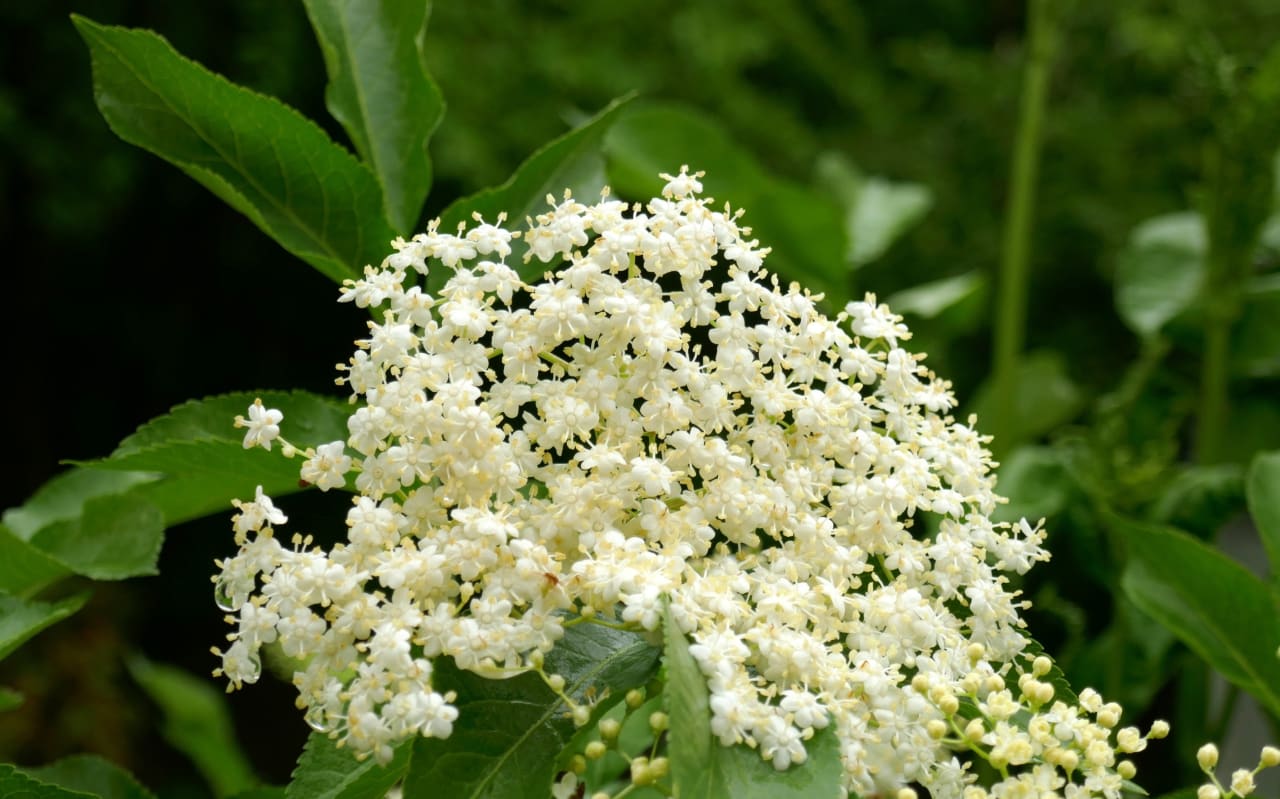
The elderflower comes from Sambucus nigra, or black elder, a shrub of the Adoxaceae family, widely found in Europe. Known since the Bronze Age, its name derives from the Greek sambûke, referring to a flute made from its hollow wood. The black elder can reach 4 to 5 metres in height, or even more, and lives between 30 and 100 years. It grows rapidly in fertile, cool soils, preferring partial shade. The elderberry’s bark changes from light green to cracked grey as it ages. Its compound, opposite leaves measure about 30cm. Flowering occurs from May to June, producing corymbs of highly fragrant, cream-white flowers that are nectar-bearing. In summer, the flowers give way to clusters of berries that are initially red and later turn purplish-black, which are enjoyed by birds. The black elderberry is found up to 1,600m in elevation, in hedgerows, woods, wastelands, or near homes. It is nicknamed the "house pharmacist" or "fairy tree" and is the subject of many legends, as evidenced by a tale by Andersen. This tree is important for biodiversity: it provides shelter for birds, attracts bees and butterflies, and sometimes hosts the Judas’s ear fungus. Elderflowers are renowned for their medicinal properties and unique fragrance, and are often used in herbal teas, syrups, or jams.
Good to Know: The black elder has cultural and historical significance in Central Europe, being both revered and feared in ancient traditions.

What are the Properties of the Elderflower?

The use of black elderberry is based primarily on empirical data. Controlled clinical studies (versus placebo) have been conducted on a small number of patients and are therefore not very representative.  

That said, elderflowers contain numerous active compounds with health-promoting properties. In particular, the anthocyanins and proteins found in elderflowers may contribute to immune system and help reduce oxidative stress. The traditional use of black elderflowers to “relieve cold symptoms” is recognised by the EMA and the European Commission.

  • The following properties are not included in the claims authorised by Regulation (EC).

  • Antioxidant: Rich in flavonoids and phenolic compounds, these molecules are known to help protect cells against damage caused by free radicals.

  • Diaphoretic, diuretic, and depurative: This is not a property supported by clinical studies, but empirical data show that elderflowers promote sweating, help eliminate toxins through urine, and purify the body by supporting kidney function.

  • Anti-inflammatory and antirheumatic: They may be able to reduce inflammation and relieve rheumatic and joint pain. 

  • Antidiabetic: Some studies suggest that they help regulate blood sugar levels, particularly by increasing insulin sensitivity.

  • Antihistamines : By reducing the release of histamine, they may help combat seasonal allergies such as hay fever.

How to Use Elderflower?

Elderflower can be used in a variety of ways, both internally and externally:

  1. As a Tea: Use 1 teaspoon of dried flowers per cup, up to 5 times a day.

  2. In Cooking: Elderflowers are used to prepare various beverages such as "fairy champagne," as well as to make jelly, syrup, vinegar, pies, and fritters. Elderflower syrup, with its delicate, slightly sweet floral flavour, is ideal for flavouring drinks and desserts, or for creating refreshing cocktails.

  3. In Cosmetics: The anti-inflammatory and antioxidant properties of elderflowers make them a valuable ally for acne-prone, irritated, and mature skin. They also make an hair tonic. Elderflower tea can be used internally and externally for acne-prone skin, and externally for other uses.

  4. In Perfumery: Elderflower absolute has a powerful aroma, thanks to the presence of compounds such as cis-rose oxide, hotrienol, nerol oxide, and (Z)-3-hexenol, which give it a distinct herbaceous note.

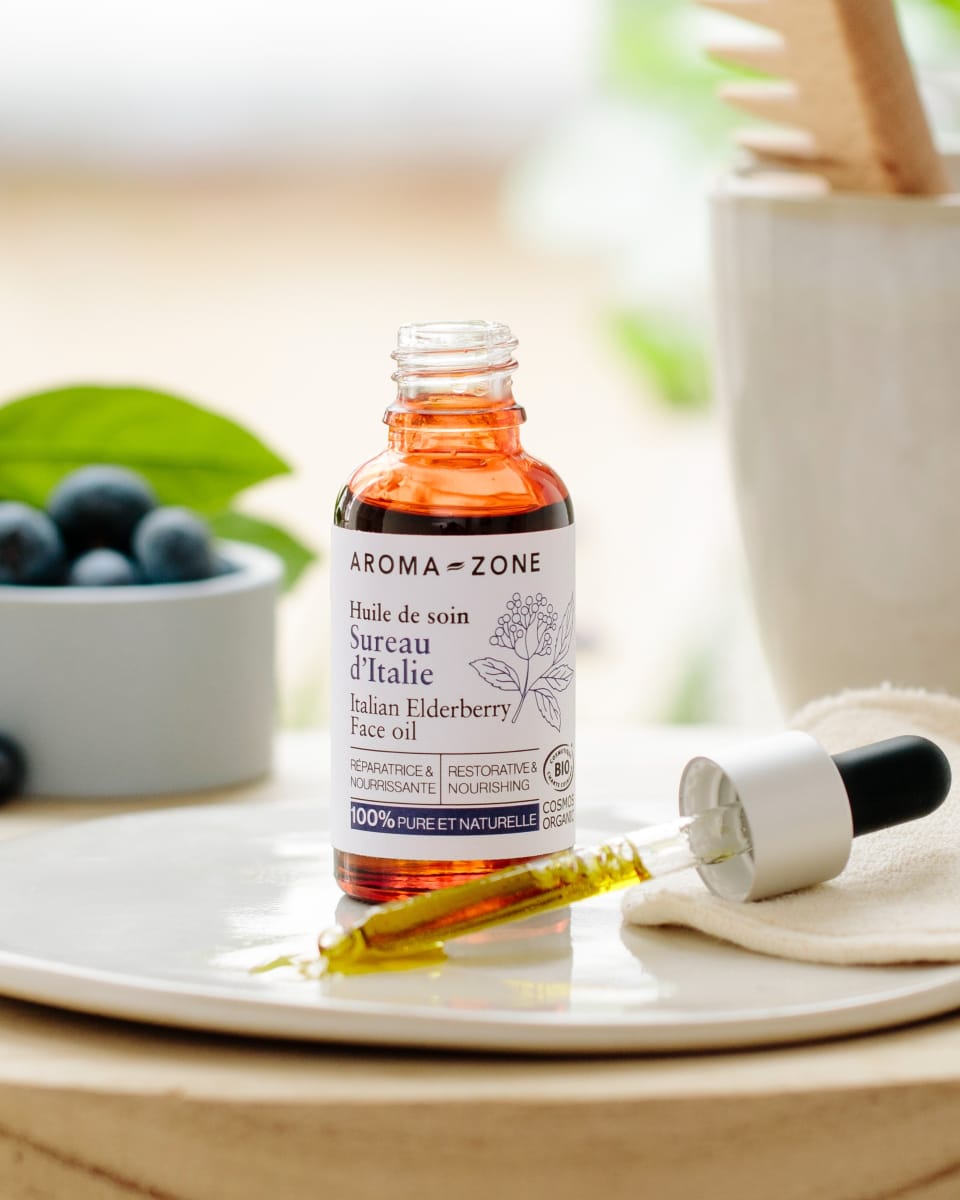
Organic Italian Elderberry Skincare Oil

Organic Italian Elderberry Skincare Oil

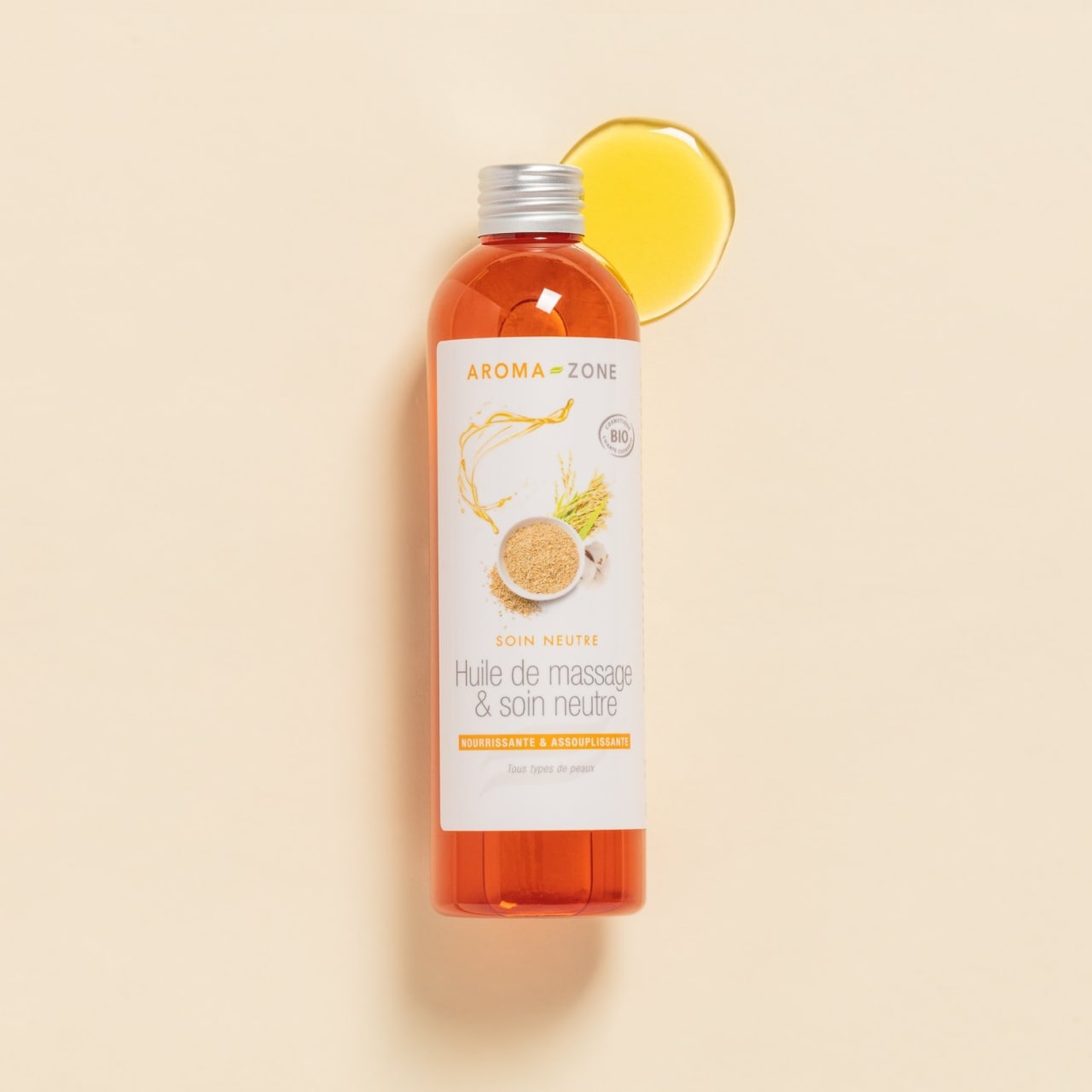
Made by cold-pressing the seeds of elderberries, Organic Italian Elderberry Skincare Oil is particularly recommended for mature, dry, or sensitive skin. Rich in essential fatty acids and omega-3, it is a facial treatment for smoothing wrinkles, soothing delicate skin, and regenerating tired skin. This rare oil is used in a massage on the face, neck, and décolleté for a nourishing, anti-ageing, and restorative treatment.

Discover Organic Italian Elderberry Skincare Oil

Our Natural elderflower-Based Recipes

Precautions for Use

It is recommended to consult a healthcare professional before use if you are taking medication or have specific conditions such as immunosuppression.

Expert Tip

Elderflowers are ideal for making infusions or syrups with soothing and anti-inflammatory properties, particularly for colds or seasonal allergies. Be sure to harvest them when they are in full bloom and dry them quickly to preserve their benefits.

Spotlight on Our Specialist Writer, Catherine Gilette

ada2d2_d8651e3eb63b4f06b1e322964cd90ca6-mv2.webp

Catherine is passionate about plants and their properties. She studied natural cosmetics at the École Lyonnaise des Plantes Médicinales in the early 2000s. Driven by curiosity, she has continued to explore the richness and potential of plants. This led her to train in aromatherapy at the École Française d’Aromathérapie Intégrative. She discovered an almost unexplored world in olfactotherapy, and valuable tools for getting to know herself better and practising what she calls inner ecology.

Bibliography

  1. François Couplan and Eva Styner,

    Guide to Edible and Poisonous Wild Plants, Delachaux and Niestlé, 1994, p. 153

  2. Michel Botineau,

    Systematic and Applied Botany of Flowering Plants, Lavoisier, 2010, p. 1121

  3. Łukasz Łuczaj and Wojciech M. Szymański,

    “Wild vascular plants gathered for consumption in the Polish countryside: a review,” Journal of Ethnobiology and Ethnomedicine, vol. 3, no. 1, April 15, 2007

  4. J. E. Vlachojannis, M. Cameron, and S. Chrubasik,

    “A systematic review on the Sambucus fructus effect and efficacy profiles: Sambucus fructus effect and efficacy profiles,” Phytotherapy Research, vol. 24, no. 1, January 2010, pp. 1–8

  5. B.F. Knudsen and K.V. Kaack,

    “A review of traditional herbal medicinal products with disease claims for elder (Sambucus nigra) flower,” Acta Horticulturae, no. 1061, January 2015, pp. 109–120

  6. Catherine Ulbricht, Ethan Basch, Lisa Cheung, and Harley Goldberg,

    “An Evidence-Based Systematic Review of Elderberry and Elderflower (Sambucus nigra) by the Natural Standard Research Collaboration,” Journal of Dietary Supplements, vol. 11, no. 1, March 2014, pp. 80–120

  7. Julia Serkedjieva, Nadia Manolova, Izabella Zgórniak-Nowosielska, and Barbara Zawilińska,

    “Antiviral activity of the infusion (SHS-174) from flowers of Sambucus nigra L., aerial parts of Hypericum perforatum L., and roots of Saponaria officinalis L. against influenza and herpes simplex viruses,” Phytotherapy Research, vol. 4, no. 3, June 1990, pp. 97–100

  8. Karl Kaack and Lars P. Christensen,

    “Effect of packing materials and storage time on volatile compounds in tea processed from flowers of black elder (Sambucus nigra L.),” European Food Research and Technology, vol. 227, no. 4, March 11, 2008, pp. 1259–1273

  9. Maja Mikulic-Petkovsek, Justyna Samoticha, Klemen Eler, and Franci Stampar,

    “Traditional Elderflower Beverages: A Rich Source of Phenolic Compounds with High Antioxidant Activity,” Journal of Agricultural and Food Chemistry, vol. 63, no. 5, February 11, 2015, pp. 1477–148

  10. Iliana Milkova-Tomova, Zornica Kazakova, Dragomira Buhalova, and Galia Gentscheva,

    “Antioxidant properties and antibacterial activity of water extracts from Sambucus nigra L. under different conditions,” Folia Medica, vol. 65, no. 2, April 30, 2023, pp. 295–300

  11. Fabrice Bardeau,

    God’s Pharmacy, p. 266

  12. https://hispanic-net.org/fr/la-chimie-des-fleurs-de-sureau-et-des-baies-de-sureau-ar%C3%B4me-couleur-et-toxicit%C3%A9/

  13. http://archives.univ-biskra.dz/bitstream/123456789/22953/1/NOUI_Chahinez_NOUI_Soraya_Aicha.pdf

  14. https://ileauxepices.com/blog

Frequently Asked Questions

Frequently Asked Questions