Edible Passion Flowers: Varieties and Uses

Edible Passion Flowers: Varieties and Uses


By Laetitia De Rosa

Published on: Friday, June 13, 2025, Updated on: Monday, November 16, 2026

A spectacular flower and exotic fruit, the passion flower intrigues as much as it delights. But is it really edible? It all depends on the variety. Some, such as Passiflora edulis or Passiflora incarnata, are recognised for their culinary or wellness uses. Others are purely ornamental. From a relaxing herbal tea to a tangy fruit and floral decoration, the edible passion flower comes in many forms. Here’s how to identify it, use it, and choose the right one.

Contents

Related products

What Is Passion Flower?

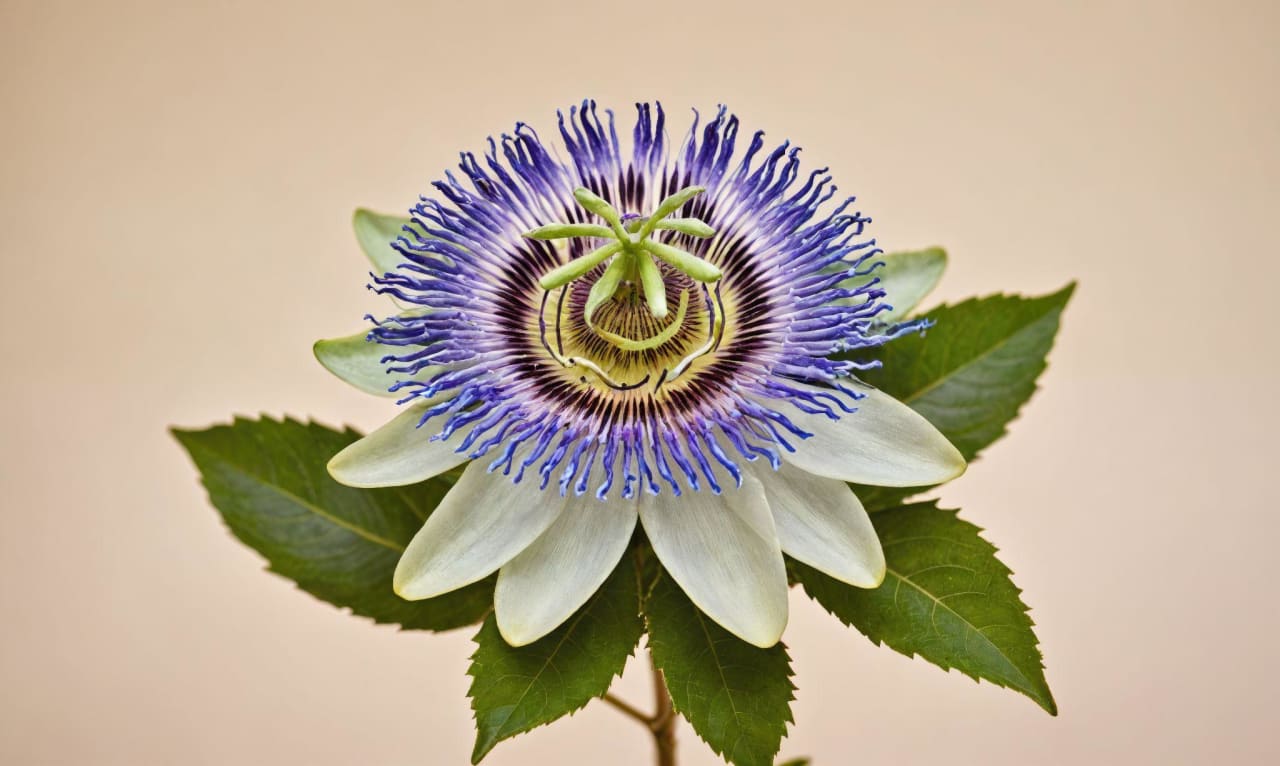
The Passiflora genus comprises over 500 species of climbing plants, recognisable by their distinctive star-shaped flowers in vibrant colours. Widely found in tropical and subtropical regions, these plants are prized as much for their ornamental value as for their culinary and wellness benefits. Among them, Passiflora edulis is undoubtedly the best known. It produces the famous passion fruit, prized for its juicy, tangy and fragrant flesh. This fruit, which is edible once fully ripe, is now cultivated on a large scale in many parts of the world, particularly in South America, Africa, and Asia, for its flavour and nutritional qualities. Less well-known but no less remarkable, Passiflora incarnata is best known for its uses in herbal medicine. While it's less prized for its fruit, which is edible but not particularly tasty, it is mainly grown for its leaves, which are used in herbal teas to promote relaxation.

Finally, Passiflora caerulea, often called the blue passion flower, is mainly grown as an ornamental plant. It also produces an edible fruit, but one with a bland taste, which is generally not eaten very often. It should only be consumed when the fruit is fully ripe, and in moderation. Thus, while not all passion flowers are intended for consumption, certain varieties combine beauty, aroma and soothing properties, helping to make this botanical genus a truly multifaceted treasure.

Why Eat It?

A Rich Source of Natural Antioxidants

Passion fruit, from Passiflora edulis, is notable for its high content of antioxidants, such as Vitamin C, beta-carotene, and polyphenols. These compounds work synergistically to neutralise free radicals, which are responsible for premature cellular ageing. They thus help to strengthen the body’s natural defences, preserve the skin’s elasticity and support day-to-day vitality. Regular consumption may also help prevent oxidative stress, particularly when the body is under strain.

A Natural Ally for Well-Being

Used for centuries in traditional medicine, the leaves of Passiflora incarnata are renowned for their soothing properties. Rich in flavonoids and other active compounds, they are often consumed as a herbal tea to promote relaxation, ease nervous tension, or aid sleep. With no risk of dependency, they offer a natural alternative to help you unwind at the end of the day, cope with periods of temporary stres,s or manage mild sleep disturbances.

A Source of Gentle Fibre

The edible fruit of the passion flower contains a significant amount of dietary fibre, comprising both soluble (pectins) and insoluble fibres. These fibres help maintain healthy bowel function while promoting a feeling of fullness. Gentle on the body, they fit easily into a varied and balanced diet, providing digestive support without irritating sensitive intestines. A simple way to combine culinary pleasure with nutritional benefits.

What Are Its Benefits?

Passion fruit, whether eaten as a fruit or enjoyed as a herbal tea, combines flavour with health benefits. It is particularly recognised for the following properties:

  • Natural Soothing Effect: The leaves of Passiflora incarnata, traditionally used in herbal teas, help to promote relaxation, alleviate temporary tension, and support quality sleep

  • Antioxidant Power: Passion fruit (Passiflora edulis) is rich in Vitamin C, beta-carotene and polyphenols – compounds recognised for their ability to protect cells from oxidative stress and strengthen the body’s natural defences

  • Gentle Digestive Support: Its mild fibre content helps maintain regular bowel movements, while promoting a feeling of fullness and a balanced gut microbiota

  • Culinary Uses: With its tangy flavour, melt-in-the-mouth texture, and distinctive aroma, passion fruit is a natural addition to many recipes, both sweet and savoury

  • Dietary Variety: Colourful, fragrant and easy to incorporate into everyday meals, passion fruit adds variety and a touch of originality to summer dishes

Natural Uses of Edible Passion Flower and Fruit

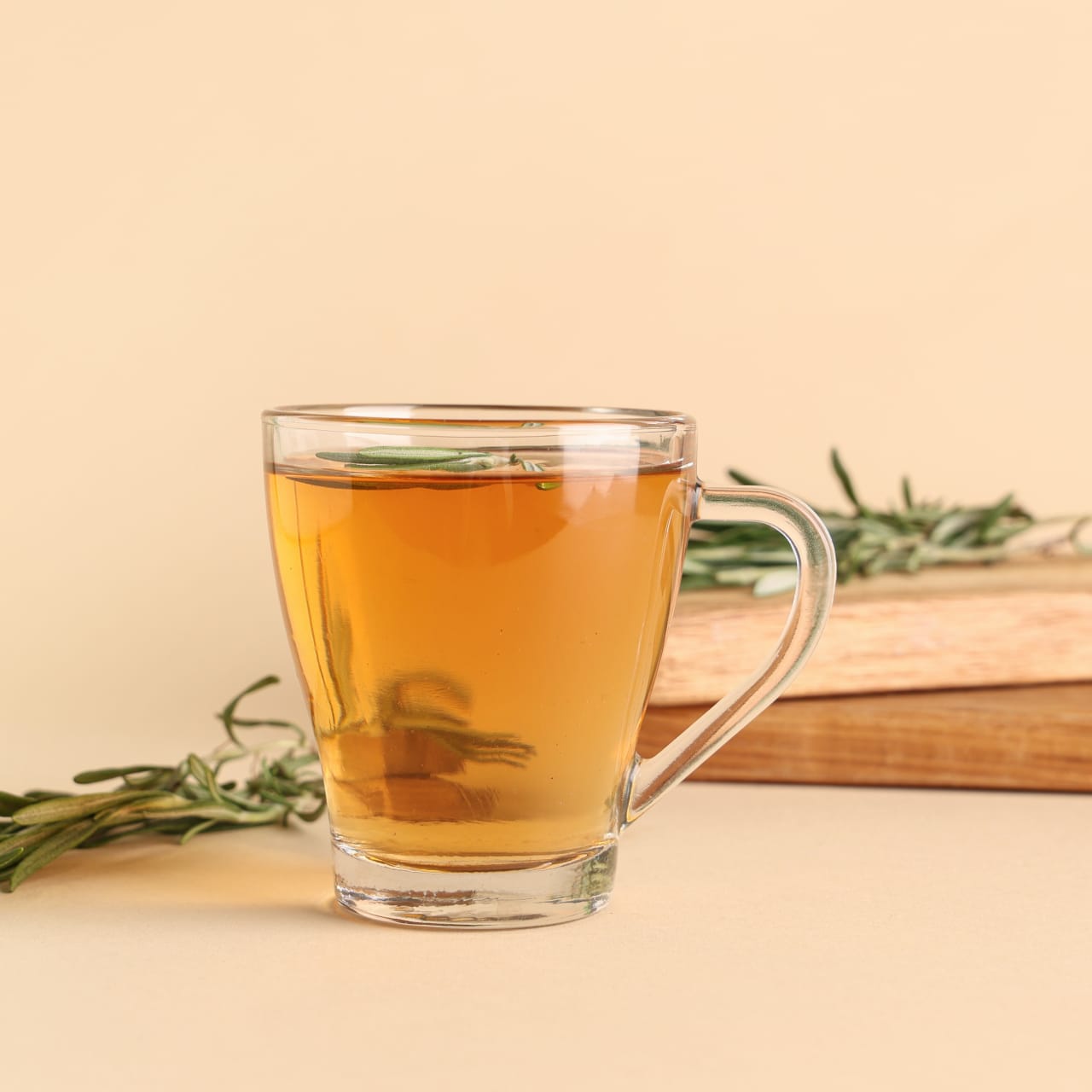
  1. As an Herbal Tea: The dried leaves of Passiflora incarnata can be brewed on their own or combined with other relaxing herbs such as lemon balm or verbena

  2. In Cooking: The fruit of Passiflora edulis is used in desserts, juices, fruit salads, coulis, jams and even smoothies. Its tangy flavour adds a touch of freshness and exoticism

  3. In Homemade Cosmetics: Some natural recipes include passion flower oil macerate or extract for its soothing properties, particularly for sensitive skin

Our Product Selection

While edible passion flower is prized for its sweetness and soothing properties, other plants can be used in combination with it or as substitutes for similar purposes:

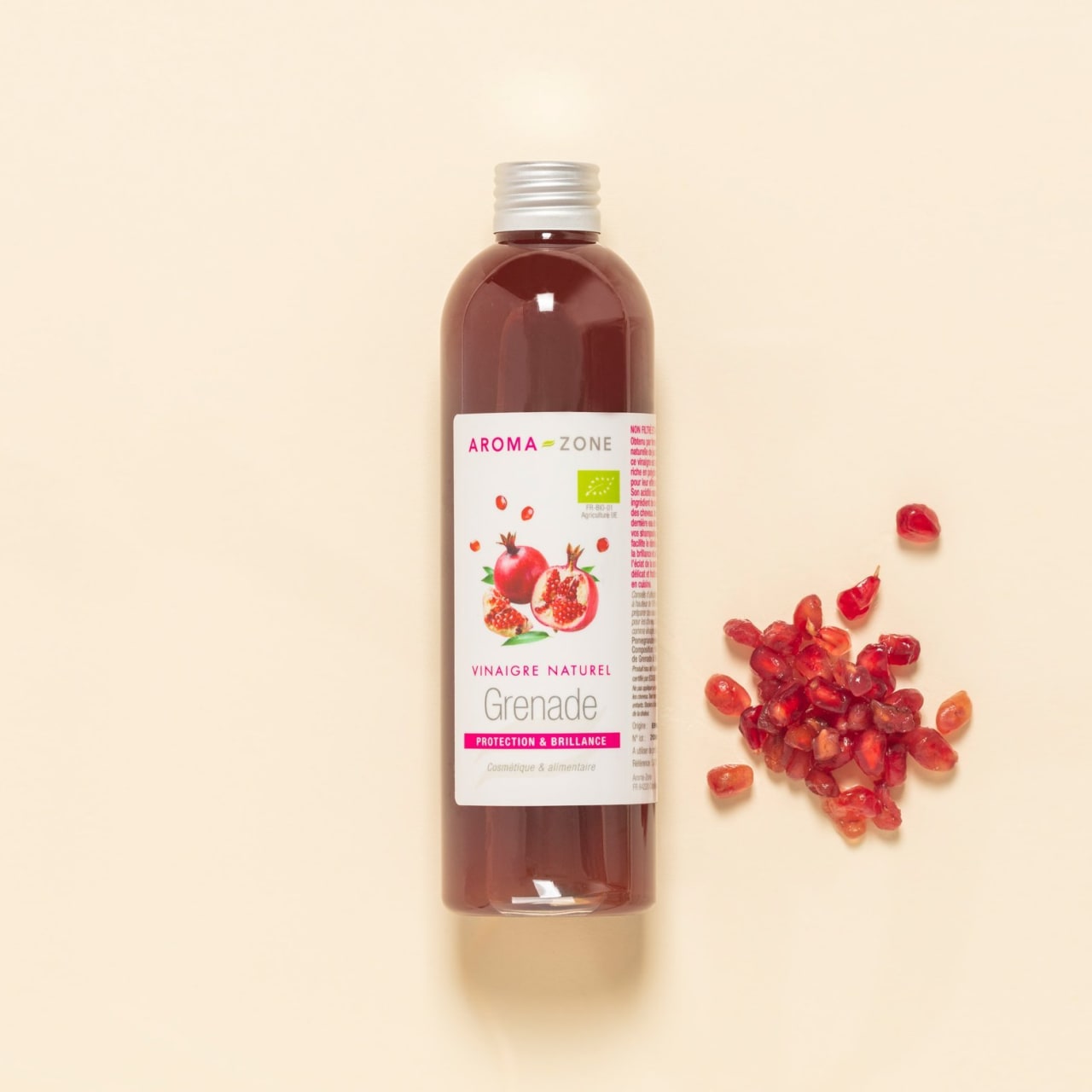
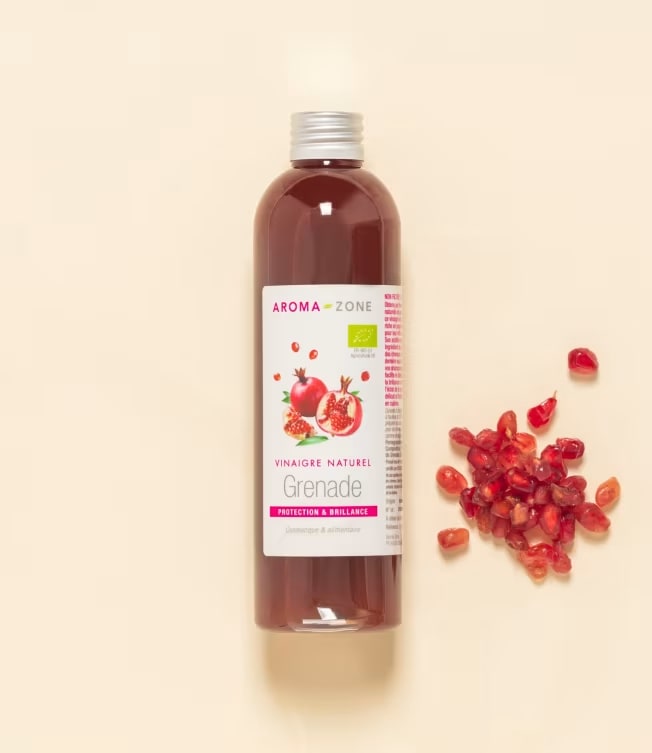
Organic Pomegranate Vinegar

Made by fermenting organic pomegranate juice, this vinegar is a prime ingredient for hair care thanks to its natural acidity. Rich in antioxidant active ingredients, it is a great alternative to the traditional cider vinegar found in traditional home remedies for hair care. Added to the final rinse water after shampooing or henna treatments, it makes detangling easier, adds shine to the hair, and helps preserve the vibrancy of the colour.

Discover natural organic pomegranate vinegar

Precautions for Use

Not all varieties of passion flower are edible. It is important to identify the species correctly before use. Only certain varieties, such as Passiflora edulis, Passiflora incarnata or Passiflora caerulea, produce edible parts (fruit or leaves), and only when fully ripe. Unripe fruit may contain indigestible compounds or cause intestinal discomfort.

If in doubt, avoid eating wild fruit or ornamental flowers directly. Furthermore, passion flower is not recommended for pregnant or breastfeeding women without medical advice. When used as a herbal tea, moderate consumption is advised, particularly if combined with other plants that have relaxing effects.

Expert Advice

Edible passion flower can be incorporated into a wellness routine, provided you are familiar with the different varieties and their uses. As a herbal tea, it blends well with plants such as lemon balm or chamomile, to provide a relaxing effect at the end of the day. When it comes to the fruit, it is best to opt for cultivated species such as Passiflora edulis, which are prized for their taste and ease of digestion.

To vary the benefits, other plants with similar properties, such as lavender, lime blossom, and verbena, can be used on their own or combined in simple blends, depending on your needs at the time. A simple and natural approach, suitable for periods of transition or moments of temporary stress.

Spotlight on Our Expert Writer, Laetitia de Rosa

Laetitia de Rosa 3.jpg

Laetitia is an editorial communications consultant specialising in creating beauty and well-being content. Passionate about natural cosmetics, she works with socially conscious brands that share her vision of authentic and responsible beauty. Always on the lookout for the latest developments, she enjoys analysing trends and innovations in the sector.

Bibliography

  1. 200 Healing Plants – Treat Your Ailments with Plants!,

    Carole Minker, 2022

  2. Medicinal Plants – The Lost Knowledge of Herbalism,

    Olivier Lemarchand, 2024

Frequently Asked Questions

Frequently Asked Questions