To understand what a dark spot on the hand is, one must understand how melanin production works. As a reminder, melanin is a brown pigment that colours the skin and serves to absorb some of the UV rays in order to limit the damage they cause to the DNA of skin cells. It is produced in specialised cells called melanocytes. A stimulus, such as UV rays, inflammation, hormonal fluctuations, or ageing, can overstimulate the melanocytes, causing them to produce melanin abnormally and unevenly. As a result, melanin accumulates in patches rather than being distributed evenly. This localised excess of pigment creates an area of hyperpigmentation, which will eventually become a brown spot.
How to Reduce Dark Spots on the Hands
Published on: Wednesday, December 13, 2023, Updated on: Thursday, October 29, 2026
As an area that is highly exposed and often left unprotected, the hands are one of the first areas of the body where pigmented spots can appear. Over time, repeated exposure to UV rays, combined with skin ageing, leads to brown spots on the skin. Often considered unsightly, they reflect a gradual deterioration of melanocytes and a dysfunction in melanin production. Understanding the mechanisms behind the development of brown spots, the factors that exacerbate them, and the solutions to prevent or reduce them is essential for maintaining an even-toned and visibly younger-looking skin tone on the hands.
Contents
Related products
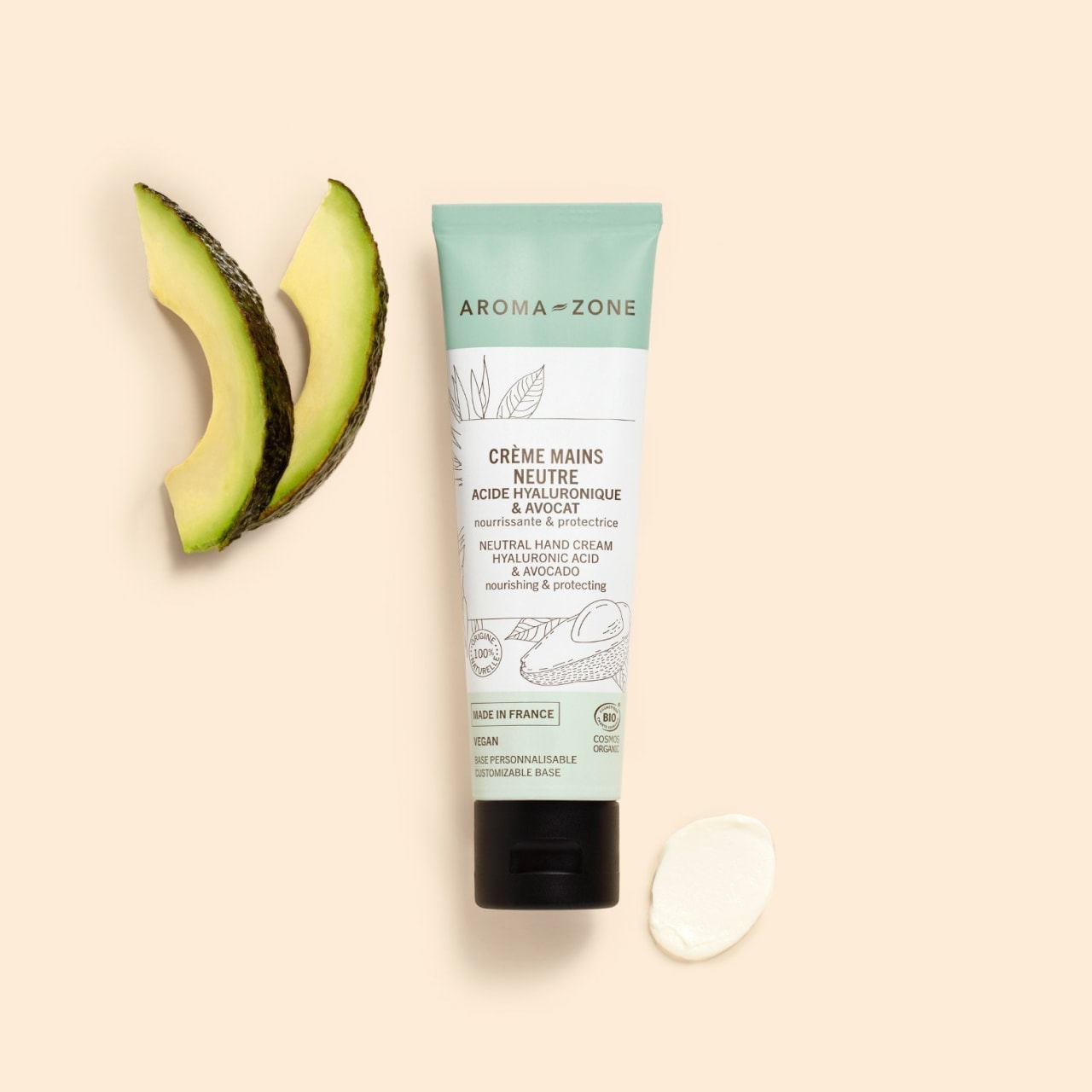
Hyaluronic Acid & Avocado Hand Cream
Protective
Nourishing
£6.50
100 ml
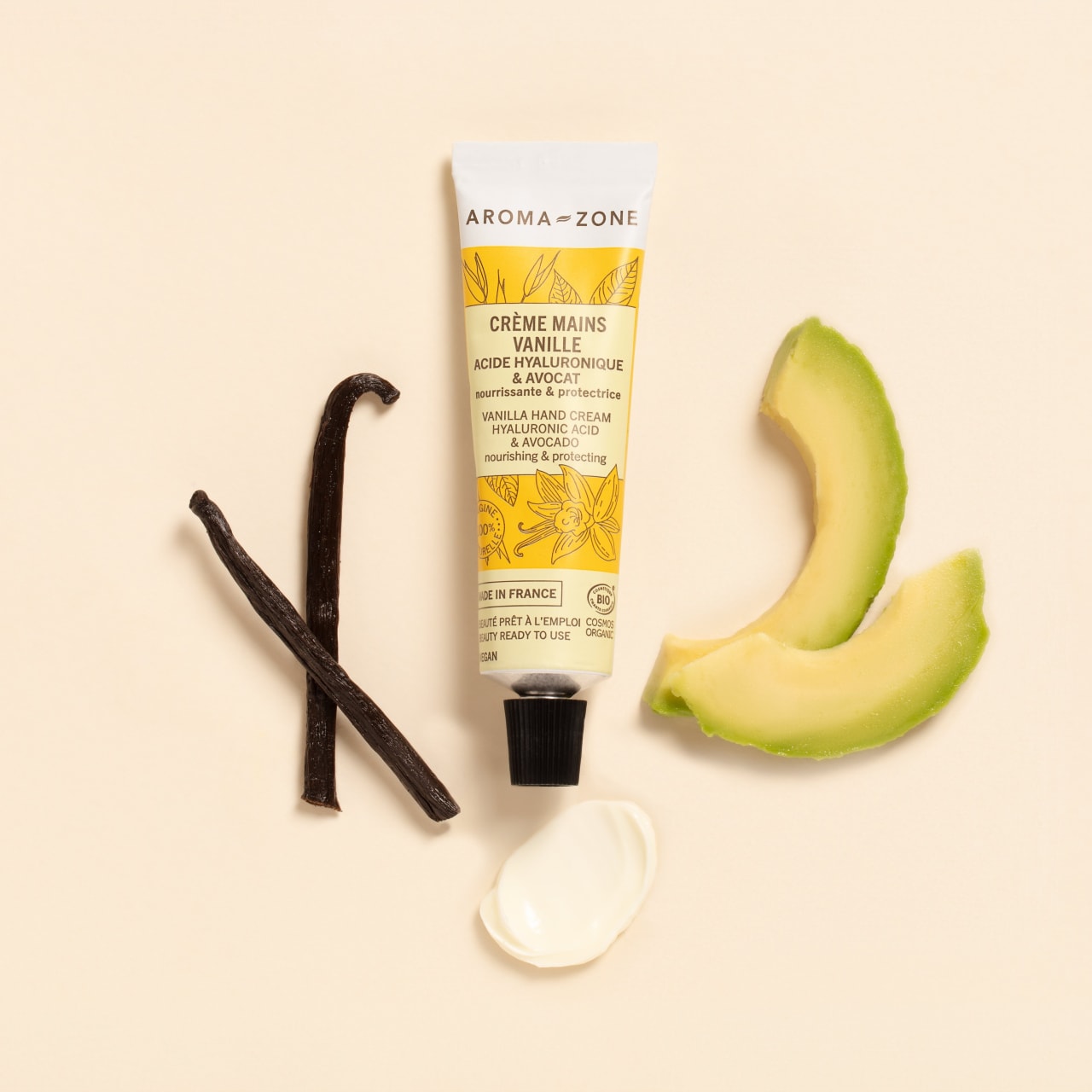
Vanilla, Hyaluronic Acid & Avocado Hand Cream
Protective
Nourishing
£3.00
20 ml
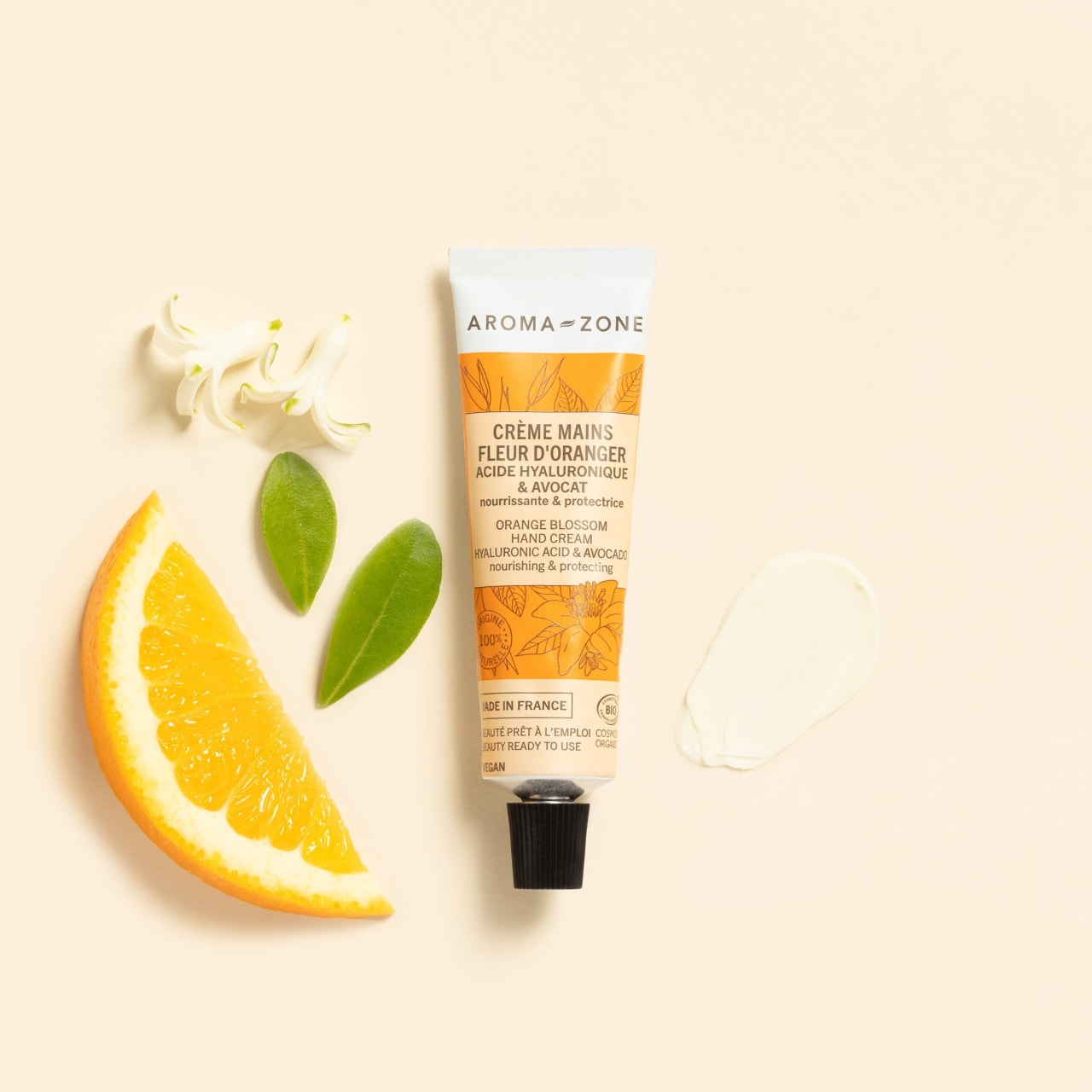
Orange Blossom, Hyaluronic Acid & Avocado Hand Cream
Protective
Nourishing
£3.00
20 ml

Hand Cream - Trio Gift Set
Protective
Nourishing
£9.00
1 article
What Are Dark Spots on the Hands? Understanding the Role of Melanin
What Are the Different Types of Spots?
In the vast majority of cases, spots on the hands are solar lentigines, or brown age spots. We will primarily focus on brown age spots in this article, however, there are several types of spots on the hands:
Pigment Spot or Lentigo: The most common form of hyperpigmentation on the hands, solar or senile lentigo refers to a flat, brown, and well-defined spot. Lentigines result from an overproduction of melanin following repeated exposure to UV rays and become more pronounced with age. They are also known as sunspots or age spots.
Seborrhoeic Keratosis: A more or less brown, thick, rough patch with a slightly raised surface. It is linked to skin ageing and a benign proliferation of epidermal cells, rather than simply an excess of pigment. It may occur alongside lentigines on the hands.
Depigmented Patch: Some patches are lighter than the rest of the skin in cases of vitiligo or other depigmentation disorders. Melanin is either absent or significantly reduced in the affected area. Small white macules may also be seen, linked to ageing or microlesions of the melanocytes, particularly on areas heavily exposed to the sun.
Freckles: Whilst they are most common on the face, some people also have freckles on their hands. They are smaller, flat, and lighter in colour than age spots.
Post-Inflammatory Hyperpigmentation: This can be either hyperpigmented or hypopigmented; in both cases, it occurs following skin inflammation linked to a flare-up of acne, eczema, or a burn. Sun exposure can make it more pronounced.
What Cause Dark Spots?
Pigment spots on the hands appear as a result of a disruption in melanin production. Several factors combine to eventually cause these small, darker patches – ranging from beige to brown – known as age spots or solar lentigines.
Exposure to Sunlight
UV rays, the main cause of brown spots, overstimulate the melanocytes, which produce too much melanin and concentrate it in certain areas. As the hands are rarely protected by sun cream, yet are exposed all year round (whilst driving, walking or engaging in outdoor activities), photoageing is particularly pronounced there.
Skin Ageing
With age, the system regulating pigmentation becomes less stable, the distribution of melanin becomes disrupted, and brown spots may develop. Skin ageing compounds the cumulative damage caused by sun exposure. This is why the number of spots on the hands tends to increase after the age of 40–50.
Hormonal Fluctuations and Medication
Hormonal fluctuations and certain treatments can disrupt melanocyte activity and promote hyperpigmentation. Pregnancy and the menopause are typical periods during which brown spots appear.
Genetic Factors
Genetic predisposition plays a role, and some people are more prone to developing brown spots despite comparable levels of exposure. Phototype, such as skin and hair colour and a tendency to tan or blush, also influences how these spots can appear.
General Oxidative Stress
Apart from the sun, pollution, smoking, and other environmental stressors generate free radicals that damage cells and disrupt melanogenesis, the process by which melanin is produced, thereby promoting the formation of dark spots.
How Can You Recognise Them?
Solar lentigines, or age spots, are most easily recognised by their colour and shape. They most commonly appear from the age of 30 to 40, and become more prevalent after the age of 50.
Their Colour Is Uniform, ranging from beige to dark brown, and sometimes even almost black
Round or Oval in Shape, They are generally a few millimetres in diameter
Their Edges Are Sharply Defined, as if drawn on
They may appear as isolated spots at first, then multiply over the years to form clusters of several closely spaced spots
Painless, they are not accompanied by itching, a burning sensation, or bleeding
Gradually darken over the years and with repeated exposure to the sun.
Do not disappear on their own
Which Active Ingredients Are Effective Against Dark Spots?
Vitamin C
An antioxidant with skin-evening properties, Vitamin C is an essential active ingredient for reducing brown spots. It helps protect the skin from oxidative stress and combats free radicals. It limits the damage responsible for photoageing, particularly brown spots. Vitamin C also stimulates collagen synthesis and strengthens the skin’s barrier function.
Glabridine
Glabridin inhibits the enzyme tyrosinase, which plays a role in melanogenesis (the synthesis and distribution of melanin in the skin). It helps to reduce melanin production and limits the areas where it accumulates in excess. Also acting as a skin-lightening agent, Glabridin reduces the intensity of brown spots and helps to even out the complexion.
Our Solution for Dark Spots: A Closer Look at the Vitamin C & Glabridine Hand Cream

This 100% natural anti-ageing and anti-dark spot cream visibly reduces dark spots and the signs of ageing, while thoroughly moisturising the skin on the hands. Vitamin C has an antioxidant effect that helps protect the skin against damage caused by UV-induced free radicals, which are responsible for skin ageing. Furthermore, glabridin, extracted from liquorice root, targets melanin to reduce skin pigmentation and minimise the appearance of dark spots. The result: dark spots are lightened, their size is reduced, and the signs of ageing are minimised. Your hands are soft, protected, even-toned, and radiant.
How to Use: You can apply our Vitamin C & Glabridine hand cream once or several times a day. Massage into your hands to help the product absorb.
How Can You Prevent Dark Spots from Appearing on Your Hands?
Wash your hands using a gentle, non-drying and nourishing soap, such as the Organic Donkey Milk Gentle Soap or the Organic Aleppo Liquid Soap with 15% Laurel, then dry them gently so as not to damage the skin’s protective barrier
Once or twice a week, gently exfoliate the backs of your hands to promote cell renewal without irritating the skin
Use our Vitamin C & Glabridine Hand Cream to strengthen the skin’s barrier and combat free radicals
Finish with a UVA/UVB sunscreen, which should be reapplied several times a day, after each time you wash your hands for an extended period. Choose a product with an SPF of at least 30
Our Tips for Tackling Dark Spots
Limit Your Sun Exposure Between 11 am and 3 pm to avoid prolonged direct sunlight, including through windows (whilst driving or sitting at a desk near a window), when the sun is high in the sky and UV rays are particularly strong.
Wear Gloves when gardening, doing DIY, or engaging in prolonged outdoor activities to limit exposure to UV rays, friction and micro-trauma.
Be Aware of Products That Increase Sensitivity to UV Rays, such as certain antibiotics, anti-inflammatories or perfumes, and take extra care to protect your hands when using them.
Opt for a diet rich in antioxidants, including red berries, citrus fruits and colourful vegetables, to help the skin cope better with oxidative stress.
Cut Down on, or Better Still, Avoid Smoking; in addition to being harmful to lung health, it increases free radicals and accelerates the appearance of dark spots on the skin.
Avoid Scratching, Rubbing, or Rough Handling of Small Marks on your hands to prevent the formation of persistent dark spots.
Precautions
Active ingredients should never be applied undiluted to the skin. Always use them in a ready-to-use formula or product, and follow the recommended dosages. Test the product on a small area, for example on one or two fingers, for a few days before applying it to the entire back of your hand, especially if you have sensitive or atopic skin. Stop use immediately if you experience persistent redness, a burning sensation or itching, and seek medical advice if the reaction does not subside.
Expert Advice
For soft hands and a strengthened hydrolipidic film, apply a hand mask once a week. Apply a thick layer of nourishing hand cream to the palms, the backs of the hands, the fingers, the nails and the cuticles. Put on cotton gloves to keep your hands warm, help the cream absorb and prevent your hands from leaving greasy marks on objects around you. Leave on for about 30 minutes, then massage in any excess or remove it with a tissue.
Spotlight on Our Writer: Hélène Durand

With a dual background in literature and marketing, Hélène Durand uses her writing to explore topics that are meaningful to her: natural beauty, well-being, and a healthy lifestyle. Through her articles, she aims to share a supportive perspective and practical advice.
Bibliography
Wiley, ‘Biological processes in solar lentigo: insights brought by experimental models’, January 2016
https://onlinelibrary.wiley.com/doi/10.1111/exd.12937
Wiley, Treatment of Solar Lentigines: A Systematic Review of Clinical Trials, March 2025
https://onlinelibrary.wiley.com/doi/10.1111/jocd.70133 Scientific Report, ‘A chronic pro-inflammatory environment contributes to the pathophysiology of actinic lentigines’, March 2024 – https://www.nature.com/articles/s41598-024-53990-5