We refer to "watery" bags and "fatty" bags. The former are caused by poor blood and lymphatic circulation. Often very visible upon waking, they result from water retention under the eyes at night while lying down. So-called "fatty" bags correspond to an accumulation of fat under the eyes. They appear with age, as the production of supportive fibres (collagen and elastin) decreases. Aging remains the primary cause of dark circles, but certain other factors exacerbate the condition: fatigue, stress, smoking, alcohol, allergies and an unbalanced diet (excess sodium, in particular, promotes water retention).
Combining an Eye Contour Cream with an Eye Contour Serum: is it a good idea or not?
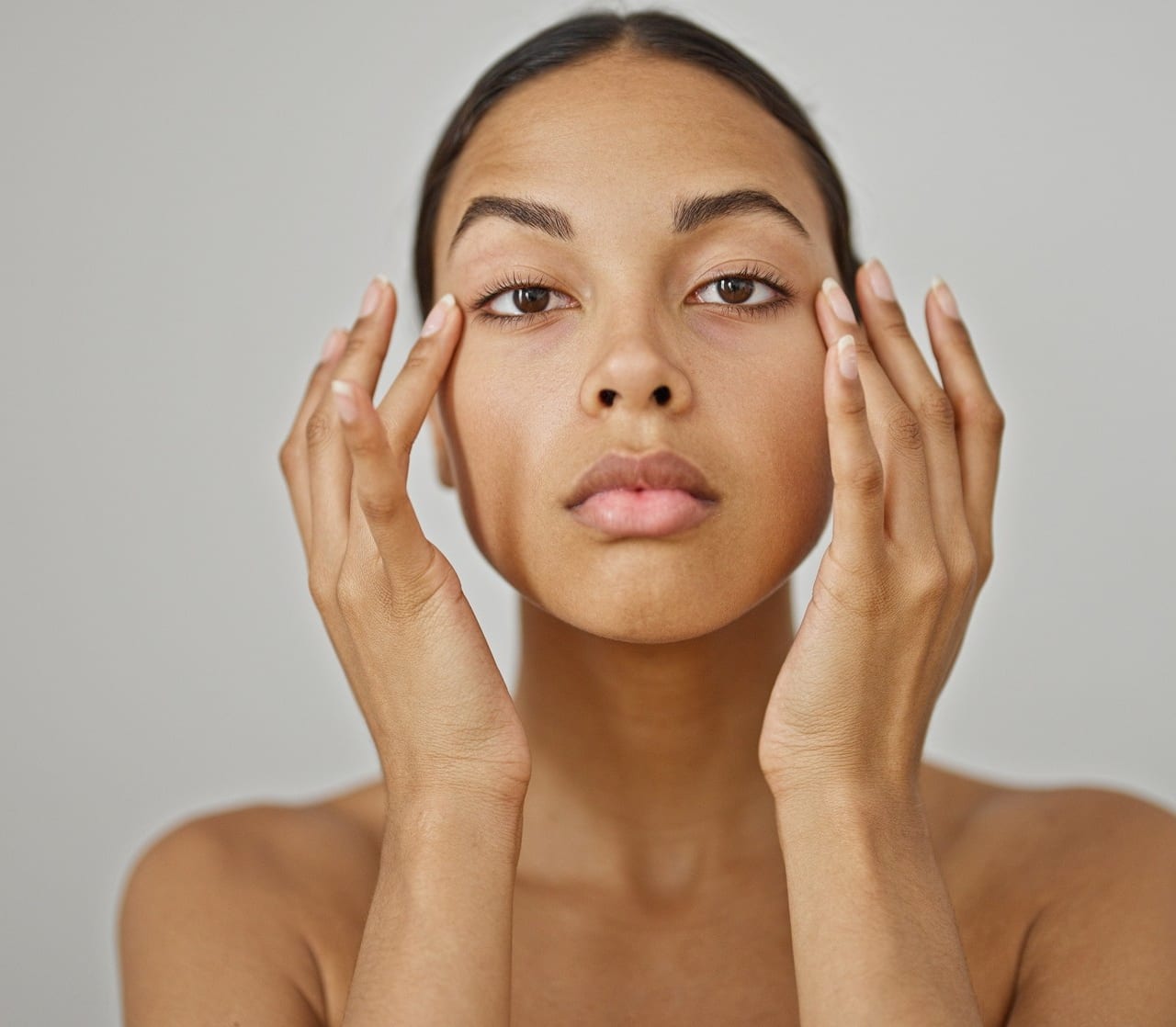
Since the eye contour area is the thinnest part of the face, it deserves special attention. The Eye Contour Serum and Eye Contour Cream, developed by Aroma-Zone, both address this need, but each targets specific needs. Although complementary, they should not be used simultaneously for toxicological reasons. The Aroma-Zone experts explain.

In short: One might be tempted to combine a serum and a cream designed for eye care in order to benefit from double the effectiveness. However, the Eye Contour Serum and Eye Contour Cream were developed to be used separately. Layering them together carries a risk of caffeine overdose on the skin.
Why take care of the eye area?
The skin around the eyes is five times thinner and more delicate than the rest of the face, which explains its vulnerability to external aggressors (UV rays, pollution, friction).
In addition to its particular thinness, this area has few sebaceous glands: it therefore produces less sebum, making it more prone to dehydration. With age, it is well known that the skin loses more lipids, and the eye contour is no exception; it dehydrates more quickly and becomes uncomfortable. This is why a specific skincare product tailored to the skin around your eyes is necessary.
Eye Contour Cream: Active Ingredients and Benefits
Active Ingredients and Their Properties
Polysaccharides: They help reduce the appearance of wrinkles and under-eye bags, and have a mechanical skin-smoothing effect by forming a network of natural 3D biopolymers on the skin’s surface
Licorice: known for soothing the skin and relieving inflammation, it promotes cellular regeneration and skin repair. It has decongestant properties
Theine: also a decongestant, it reduces puffiness and dark circles by stimulating microcirculation around the eye area
Hyaluronic Acid: moisturising and plumping, it reduces wrinkles and signs of ageing
Wild Ginger Extract: by improving skin oxygenation, it acts on both pigmentary dark circles (by regulating melanogenesis) and vascular dark circles (by protecting collagen and elastin from oxidative stress, which reduces the fragility of blood capillaries around the eyes)
Helichrysum Extract: Poor vasodilation is responsible for fluid accumulation in the tissues and vascular permeability, leading to the formation of edema and under-eye bags. Helichrysum helps strengthen the skin’s microvessels and promotes vasodilation of the blood vessels.
The benefits of the cream
Anti-dark circle and anti-puffiness action: Dark circles are reduced in as little as 2 weeks, and puffiness is cut in half
Anti-ageing action: 100% of volunteers noticed an immediate tightening effect* and 94% saw their wrinkles and fine lines reduced
Moisturising and brightening action: Instrumental testing demonstrated immediate (+79%) and long-lasting 24-hour hydration from the cream after just one application.*** 42% of volunteers noticed an immediate radiance in their skin. ****
*Clinical test conducted on 40 volunteers after 28 days of application
**Clinical test conducted on 40 volunteers immediately after application
***Instrumental test conducted on 9 people after one application
****Scoring performed by an expert on 40 volunteers immediately after application
The Concentrated Eye Contour Serum: Active Ingredients and Benefits
Active Ingredients and Their Properties
Caffeine: extracted from coffee, it is concentrated at 5% in this serum. Caffeine acts on puffiness and dark circles by stimulating microcirculation around the eyes. With its decongestant properties, it reduces puffiness.
Hyaluronic Acid: Obtained through wheat fermentation, it is the ultimate moisturising and plumping active ingredient. It helps maintain hydration around the eyes and prevent the appearance of fine lines and wrinkles.
Wild Ginger Extract: an active ingredient that targets both pigmentary and vascular dark circles by improving skin oxygenation and reducing the volume of puffiness.
Helichrysum Extract: Rich in chlorogenic acid and di-O-caffeoylquinic acid, known for strengthening the skin’s microvessels, this extract regulates the release of nitric oxide, which is responsible for vasodilation. Abnormal vasodilation leads to the formation of puffiness under the eyes.
Niacinamide: An antioxidant, this powerful active ingredient helps fade dark spots, soothes redness, brightens the skin, and helps reduce the appearance of fine lines and wrinkles.
The benefits of the serum
Targeted action on dark circles and puffiness: 90% of testers noticed a visible reduction in puffiness and dark circles*.
Reduces the size and volume of under-eye bags: in just 15 minutes, 87% of testers noticed that their under-eye bags had visibly reduced.*
Reduces wrinkles and fine lines around the eyes: 81% of testers noticed this* and 100% reported that the skin around their eyes was smoothed*.
Refreshes the eyes: a result noticed by 97% of users.
Reduces pigmentary and vascular dark circles, prevents their appearance
*Satisfaction test conducted in a laboratory under dermatological supervision for 28 days on a total of 29 people, 50% of whom had sensitive skin
Why is layering the Eye Serum and Eye Cream not recommended?
The Cream and Serum contain the same active ingredients: Helichrysum extract, wild ginger extract, hyaluronic acid and caffeine. In fact, theine and caffeine are the same molecule. The Cream and Serum are complementary, but using them together is not recommended due to the presence of caffeine in the serum, which would combine with the theine in the cream.
Theine and Caffeine: Are They the Same Active Ingredient?
We refer to caffeine when the molecule is extracted from coffee, and to theine when it is extracted from tea. However, although their origins differ, the terms caffeine and theine actually refer to the same molecule (1,3,7-trimethylxanthine). The theine used in the Eye Contour Cream is derived from green tea leaves. It is a natural alternative to caffeine extracted from coffee, known for its superior solubility.
The toxicological perspective: the layering of active ingredients
Excess caffeine: skin tolerance at stake
The local tolerance—including skin tolerance, eye tolerance, and delayed skin sensitisation—for caffeine is 5%. The Serum already contains 5% caffeine. By adding the cream, the total caffeine concentration of both products on the eye contour area will exceed the tolerance percentage established by studies. This is why it is not recommended to layer Aroma-Zone Eye Contour Cream and Serum.
Furthermore, although topically applied caffeine remains primarily localised in the epidermis, the type of chosen formulation influences the diffusion of caffeine through the skin. Aqueous caffeine solutions penetrate the skin less easily than oily solutions or emulsions, as the latter adhere to membrane lipids. The caffeine contained in Aroma-Zone Eye Contour Cream (which is an emulsion) will therefore diffuse more easily through the epidermis.

A Note from Our Toxicologist, Adeline Nalin
"The Eye Contour Cream is not compatible with the Eye Contour Serum. Indeed, using them together could expose the consumer to an excessive dose of caffeine (theine and caffeine are the same molecule). The eye contour area is a special application site, with skin that is thinner than in other areas of the body, and its proximity to the eyeball also increases sensitivity to potentially irritating and/or sensitising substances."
What about the other extracts?
Regarding Helichrysum extract, toxicological data confirm good local tolerance up to 0.5%. The Eye Contour Cream and Serum comply with this local tolerance level for Helichrysum extract.
As for ginger extract, the concentrations in both products do not pose a safety concern.
It is therefore the concentration of caffeine—when the Cream and Serum are applied together—that exceeds the skin tolerance threshold, leading us to advise against applying both products at the same time of day.
How do you choose between eye cream and eye serum?
What You Need to Know | Eye Contour Serum | Eye Contour Cream |
Main function | It revitalises: prevention and radiance | It corrects: correction and comfort |
What does it actually do? | Brightens Reduces all types of dark circles (blue and brown) Reduces puffiness | Plumping, with an immediate lifting effect. Reduces wrinkles, fine lines and drooping eyelids. Reduces all types of dark circles (blue and brown) Reduces puffiness |
Active ingredients in the formulas | Caffeine (high concentration) Hyaluronic acid / Ginger extract / Helichrysum extract Niacinamide | Theine (pharmaceutical-grade innovation) Hyaluronic acid / Ginger extract / Helichrysum extract Polysaccharides Licorice Extract |
Texture | Water-based texture. | Emulsion, a richer formula than serum. |
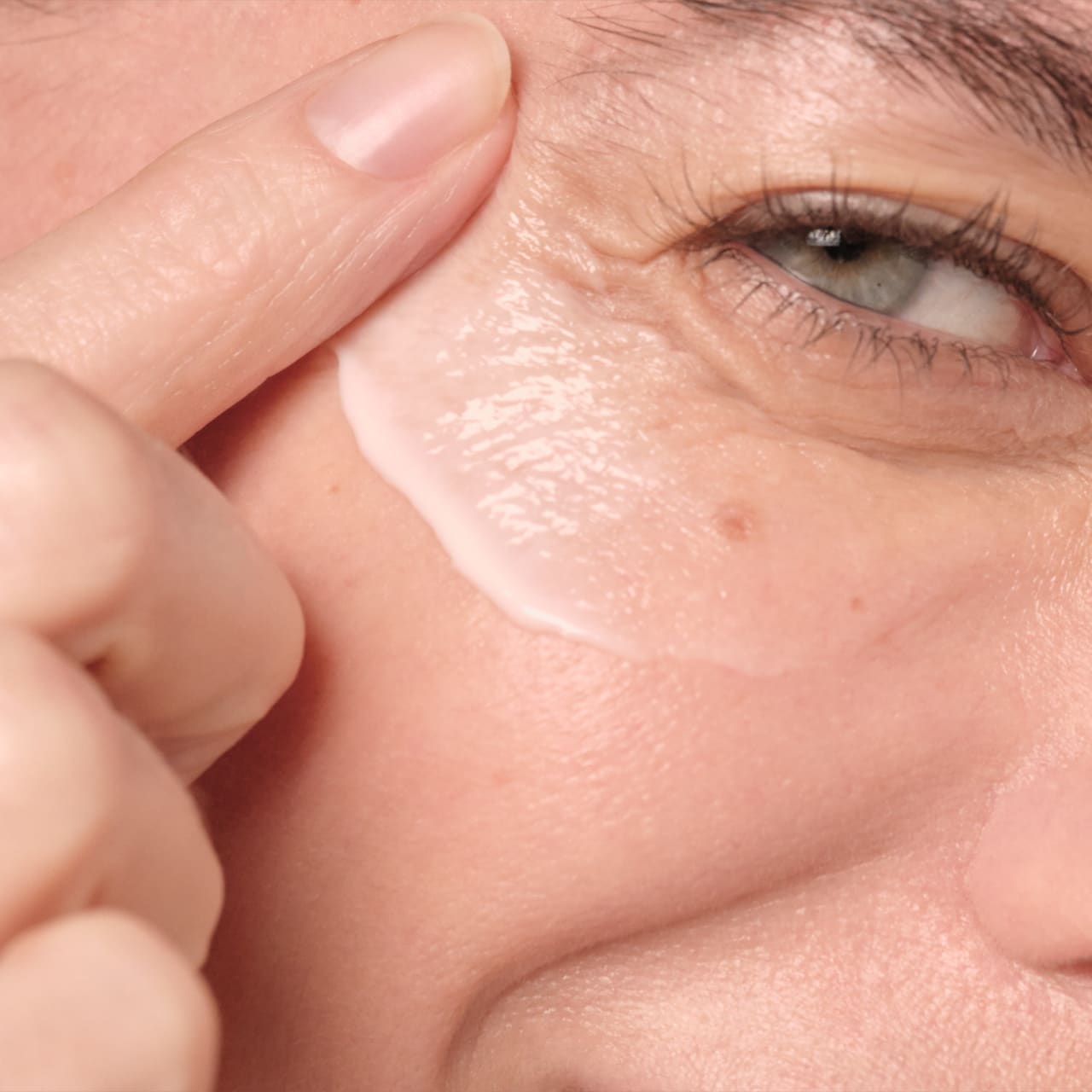
When to apply | As part of your morning routine | Deep daily care Use morning and night, after applying your serum (Hyaluronic Acid Serum for example) and your facial treatment (Youth Cream for example) |
For which skin type | All skin types, from the first signs of ageing. | Mature, dry, or dehydrated skin. |

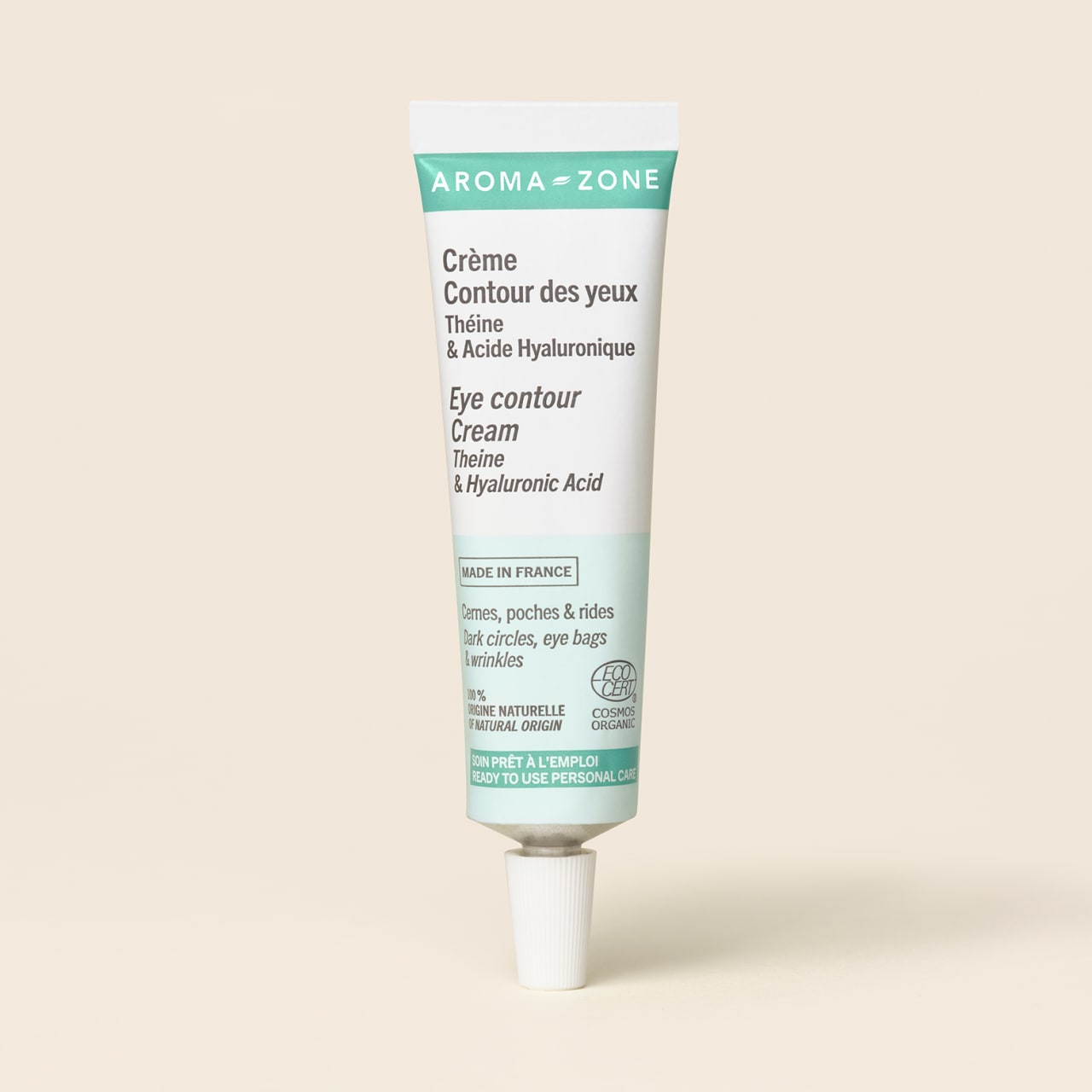
Eye Contour Cream
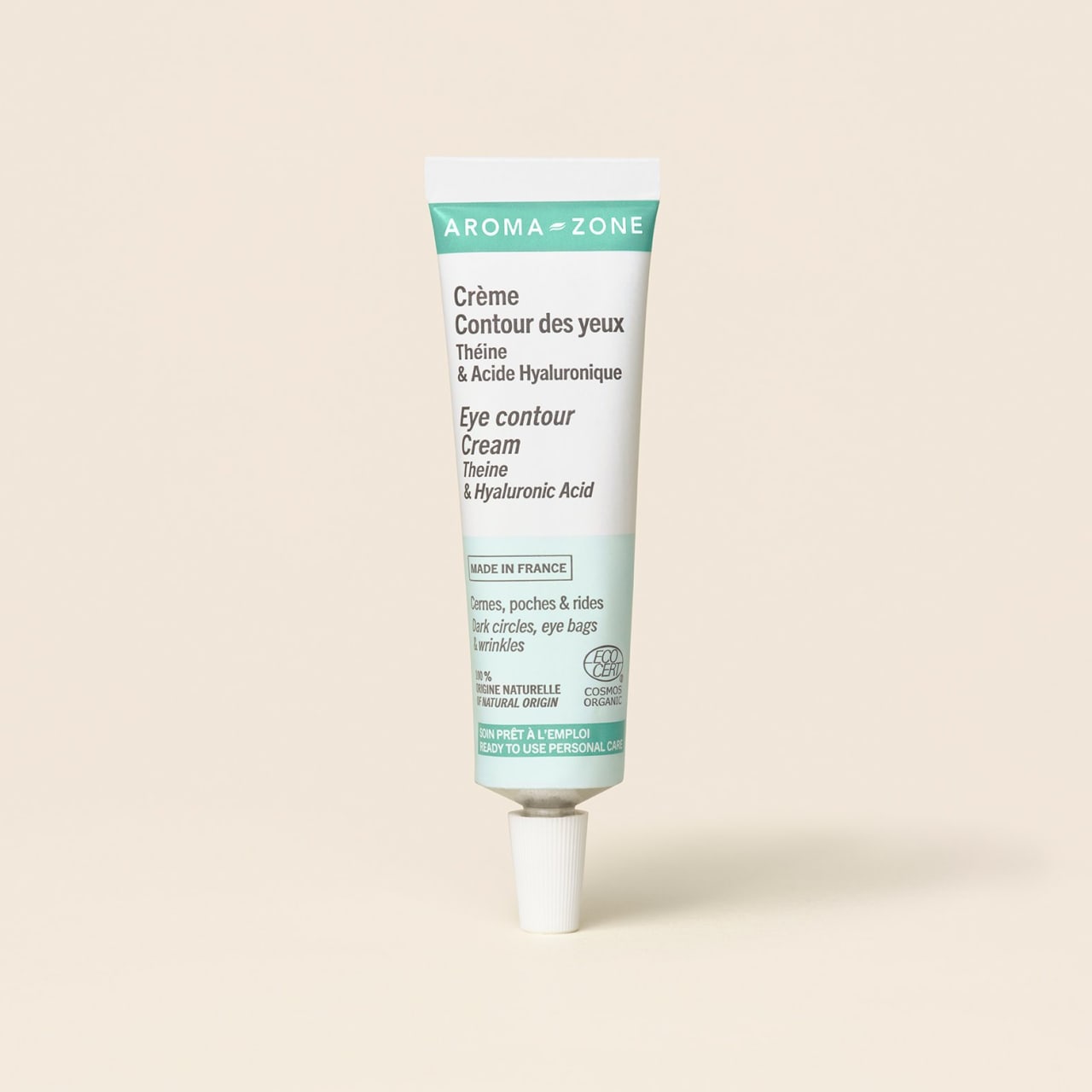
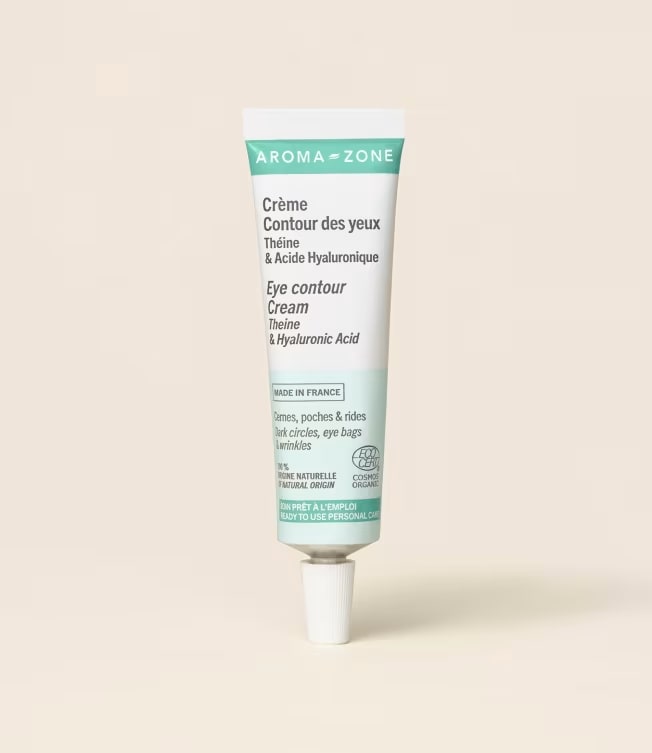
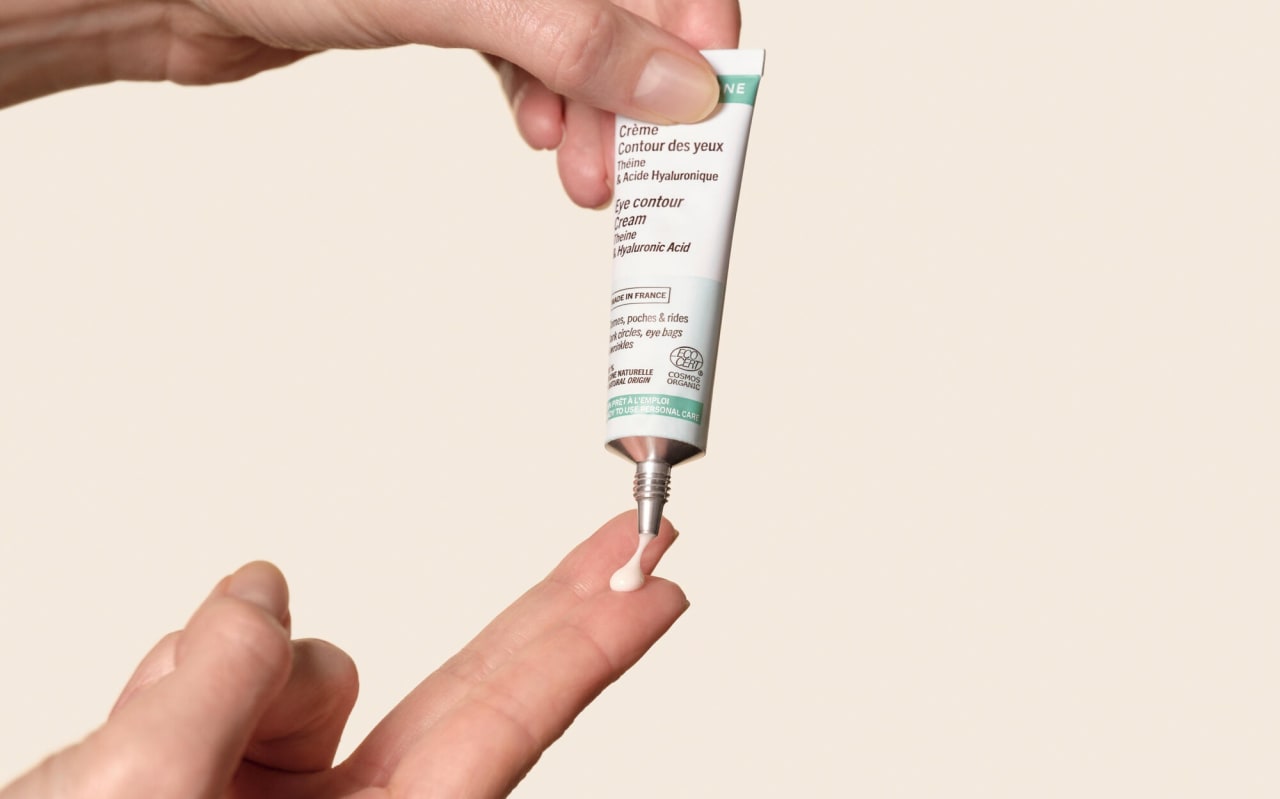
An eye contour cream that targets the specific needs of this delicate area. This 360° treatment instantly restores youthfulness, radiance, and freshness to the eyes by addressing puffiness, eyelids, dark circles, and fine lines and wrinkles.
Discover the Organic Theine & Hyaluronic Acid Eye Contour Cream - Aroma Zone

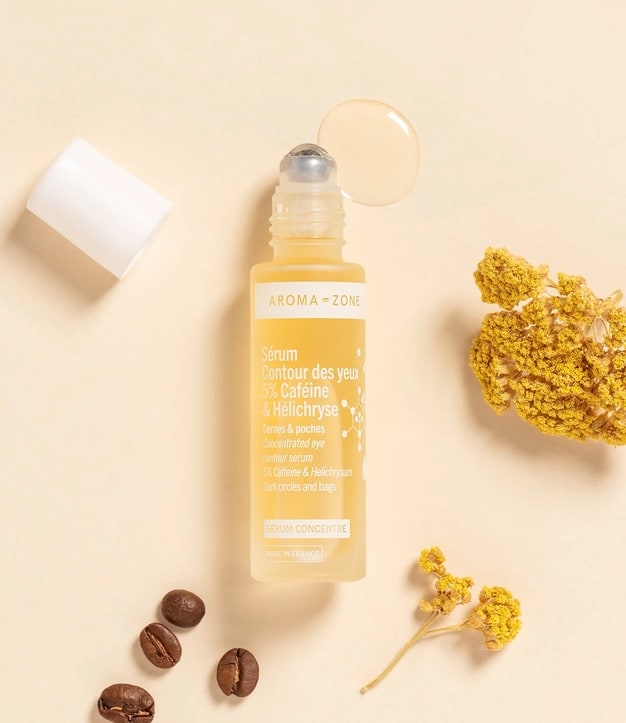
Concentrated Eye Contour Serum 5% Caffeine & Helichrysum
With its "boosting" effect, this Serum decongests the eye contour area for a fresh and rested look.
Discover Caffeine & Helichrysum Eye Contour Serum - Aroma Zone
Precautions
In case of contact with the eyes, rinse immediately with clean water. The serum and cream are suitable for pregnant and breastfeeding women.
As a precaution, always test the cosmetic product you are using on the inside of your elbow.
Expert Advice
It’s interesting to note that caffeine isn’t found only in coffee, but in many everyday foods. When taken orally, it occurs naturally in tea leaves, cocoa beans, guarana and cola nuts. Caffeine is also added to certain beverages (colas or other energy drinks), as well as to certain dietary supplements and medications. This is why it is all the more important to be mindful of the various sources of caffeine to avoid consuming too much. Indeed, excessive caffeine consumption can lead to sleep problems, anxiety or heart-related risks.
Learn more

What causes under-eye bags?

What causes under-eye bags?

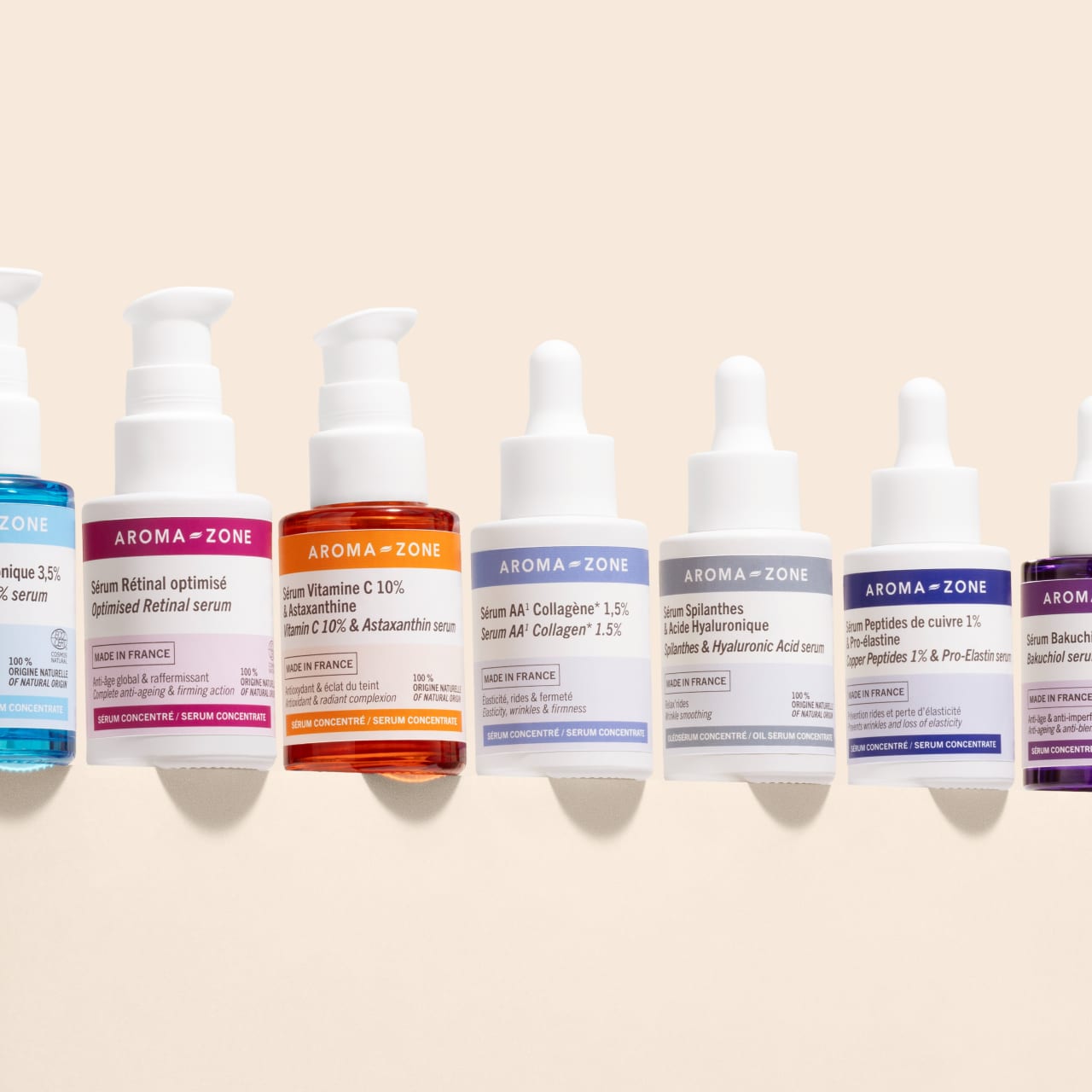
Does a serum replace a cream?

Does a serum replace a cream?
The answer is no. A serum is a concentrated blend of active ingredients. It works deeply to address a specific need thanks to its lightweight texture. It is applied before the cream, which complements the serum’s action with its richer, more hydrating texture.

Can an Aroma-Zone serum be applied to the eye area?

Can an Aroma-Zone serum be applied to the eye area?
Yes, provided you choose a formula suitable for the eye area. And this isn’t the case with all serums. For example, keratolytic serums (which help exfoliate the skin) should not be applied to the eye area. This is the case with our 2% Salicylic Acid & Zinc Concentrated Serum or our Concentrated Glycolic Acid Serum. Be sure to read the labels carefully before use.
Bibliography
1
Herman A, Herman AP. Caffeine's mechanisms of action and its cosmetic use.
Skin Pharmacol Physiol. 2013;26(1):8-14. doi: 10.1159/000343174. Epub 2012 Oct 11. PMID: 23075568.
2
Trauer S, Patzelt A, Otberg N, Knorr F, Rozycki C, Balizs G, Büttemeyer R, Linscheid M, Liebsch M, Lademann J.
Permeation of topically applied caffeine through human skin—a comparison of in vivo and in vitro data. Br J Clin Pharmacol. 2009 Aug;68(2):181-6. doi: 10.1111/j.1365-2125.2009.03463.x. PMID: 19694736; PMCID: PMC2767280.
3
Zesch A, Schaefer H, Stüttgen G. The quantitative distribution of percutaneously applied caffeine in the human skin.
Arch Dermatol Res. 1979 Nov;266(3):277-283. doi: 10.1007/BF00418573. PMID: 526050.
4
EFSA Panel on Dietetic Products, Nutrition and Allergies (NDA). (2015). Scientific Opinion on the safety of caffeine.
EFSA Journal, 13(5), 4102.