
A scolopendra is an insect with an elongated, segmented body and numerous pairs of legs, which lives primarily in damp, dark environments. A nocturnal predator, it feeds on insects and other small invertebrates, injecting venom to immobilise its prey. Centipedes play an important role in their ecosystem by regulating populations of insects and other small animals. In France, the most common species is the Mediterranean scolopendra (Scolopendra cingulata), while in other parts of the world, giant species such as Scolopendra gigantea in South America can be found.

Scolopendra Bite: Should I Be Worried?
By Gipsy Dauge
Published on: Monday, July 29, 2024, Updated on: Wednesday, October 28, 2026
Often confused with centipedes, scolopendras do not sting but deliver bites that can be very painful. In this article, learn the proper steps to take if you are bitten by a scolopendra.
Contents
Related products
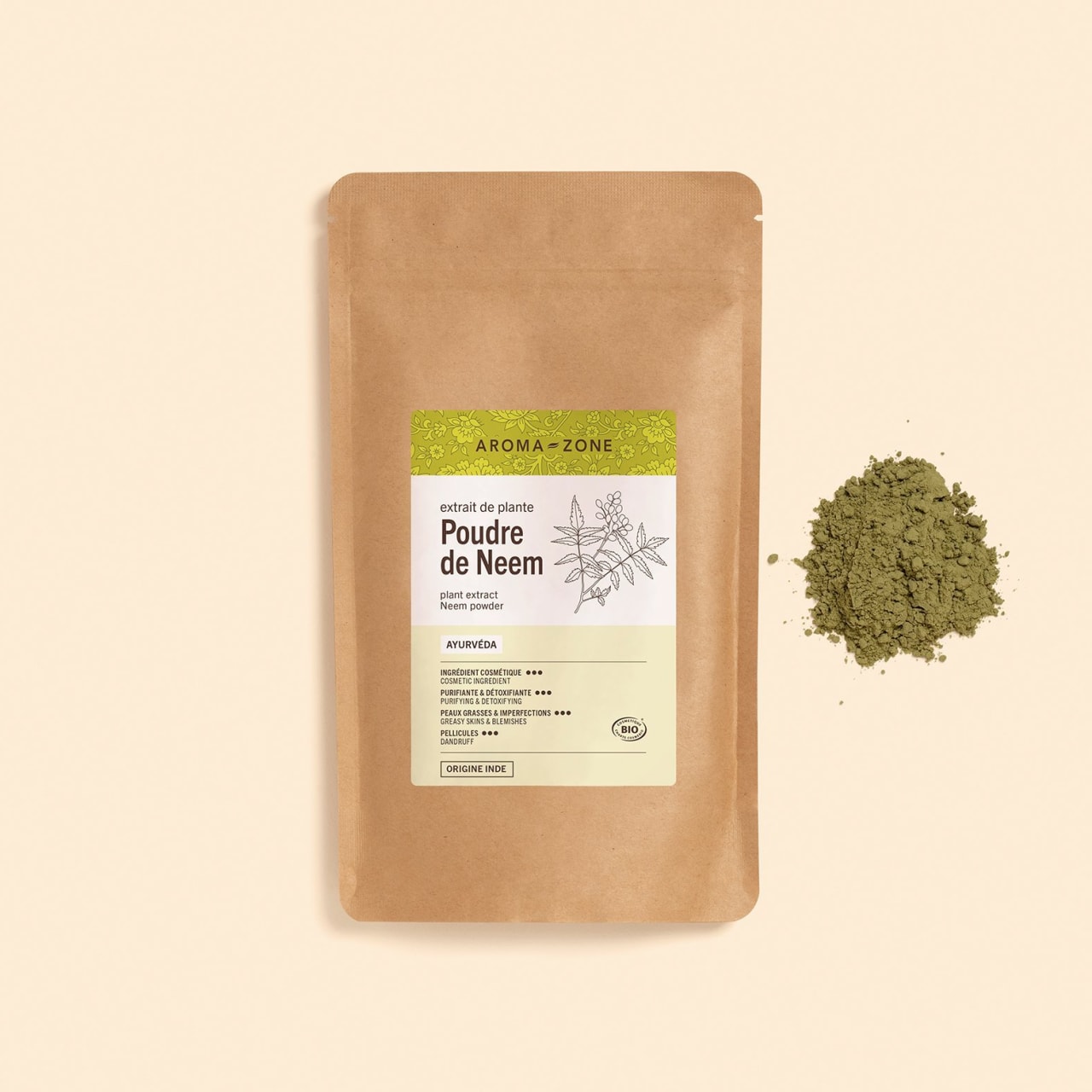
Organic Neem Powder
Soothing
Purifying
£2.50
100 g

Organic Neem Oil
Protective
Purifying
£3.50
£5.00
100 ml
What Is a Scolopendra?
Do Scolopendras Sting?
Scolopendras do not sting but bite. Scolopendra bites are particularly painful. These bites are a defense mechanism for centipedes that feel endangered or threatened by a human or any other living organism. Although the pain can be intense, the bites are generally not dangerous for healthy people.
How Can You Tell if You’ve Been Bitten By a Centipede?
Scolopendra bites usually cause the following symptoms:
Immediate Sharp Pain: A scolopendra bite causes intense, immediate pain, often described as a burning sensation
Redness and Swelling: The area around the bite quickly becomes red and swollen, a sign of an inflammatory reaction
Bite Marks: Two small puncture marks, corresponding to the centipede’s venomous fangs, may be visible at the bite site
Itching: Itching may occur around the affected area as the body reacts to the venom
Numbness and a Burning Sensation: Some people may experience numbness or a burning sensation that extends beyond the bite site
Rare Systemic Reactions: Although rare, systemic symptoms such as headaches, nausea, or dizziness may occur, especially in sensitive individuals
Centipede bite: When should you be concerned?
A centipede bite should be taken seriously if intense pain persists for more than a few hours or if the swelling spreads significantly. Signs of infection, such as increasing redness, significant warmth around the bite, or the presence of pus, require medical attention. If systemic symptoms appear, such as difficulty breathing, dizziness, or nausea, it is important to see a doctor immediately. People who are allergic or sensitive to venom of any kind should be particularly vigilant and seek medical advice if necessary.
What Should You Do if You Get a Scolopendra Bite?
If you have been bitten by a scolopendra, we encourage you to take the following steps:
Clean the Wound: Immediately wash the bite area with warm water and soap to remove any impurities and reduce the risk of infection
Apply Cold: Use a cold compress or an ice pack wrapped in a clean cloth to reduce swelling and pain. Apply it for about 10 to 15 minutes at regular intervals
Monitor Symptoms:Check the bite area for signs of infection or an allergic reaction. See a doctor if new symptoms appear.
Avoid Scratching: Do not scratch the bite to prevent further irritation and reduce the risk of infection.
How to Deal with Scolopendras?
To get rid of scolopendras that have taken up residence in your house or apartment, you can also apply diatomaceous earth or neem powder around openings they might use to get in.
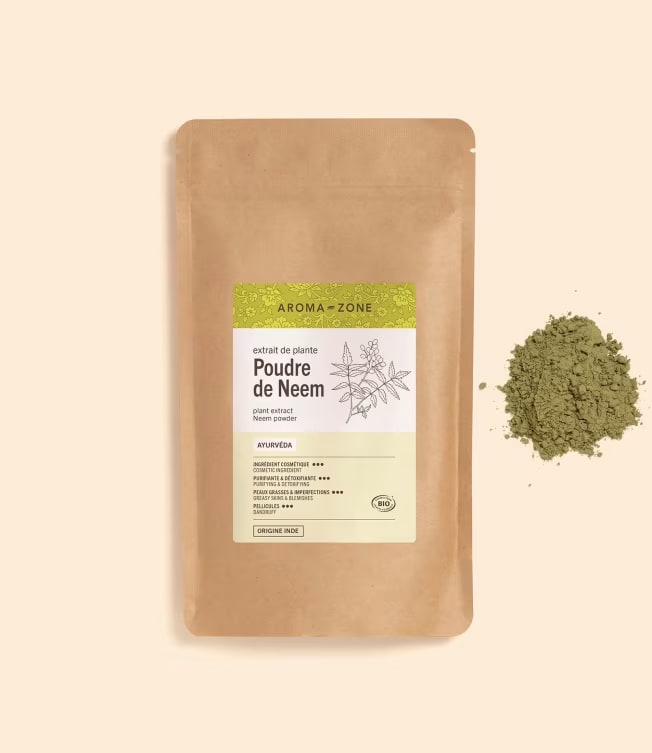
Spotlight on Our Organic Neem Powder
Known in Ayurveda for soothing Pitta and Kapha, and thanks to its purifying and detoxifying properties, Neem is considered “the cure-all” in India. When incorporated into your cosmetic preparations, this powder helps balance oily and acne-prone skin and serves as a beneficial ingredient in shampoos and hair lotions to help combat dandruff. It can also be used in homemade toothpaste for gum discomfort or to promote oral hygiene.
How Can You Prevent Scolopendra Bites?
Avoid Handling Scolopendra with Bare Hands: If you need to remove them from your home, use tools or thick gloves to avoid direct bites
Eliminate Potential Hiding Spots: Remove piles of dead leaves, garden debris, and firewood near your home to reduce places where scolopendras can hide
Control Humidity: Scolopendras prefer humid environments, so repair leaks, use dehumidifiers, and ventilate rooms regularly to regulate indoor humidity levels
Keep Your Home Spotless: Clean your home regularly to reduce the presence of insects, which serve as prey for scolopendras
Improve Lighting: Scolopendras prefer dark places, so ensure good lighting in every room of your home
Seal Entry Points: Seal any cracks and openings around windows, doors, scentipedes from entering your home.
Spotlight on our expert writer: Gipsy Dauge

Gipsy is a graduate of ESJ Paris. After 10 years’ experience in general and women’s magazines, she decided to specialise in writing about health and wellbeing. With a certification in yin yoga under her belt, she now skilfully combines her writing with her yoga mat. Her aim goes far beyond mere words. Her commitment runs deep: to help readers incorporate small tips into their daily lives that help them look after themselves and their environment. Every word is an invitation to adopt a balanced and fulfilling lifestyle.
Bibliography
Auzou Junior Dictionary: Ages 7–11 (Elementary School)


Frequently Asked Questions
Associated tips

Aromatherapy advice

Article of the day


