Angular Cheilitis: What Are the Natural Solutions?

Angular Cheilitis: What Are the Natural Solutions?


By Laura Almeras

Published on: Wednesday, February 28, 2024, Updated on: Wednesday, October 28, 2026

Angular cheilitis, not to be confused with herpes, is inflammation at the corners of the mouth. Usually unsightly and uncomfortable, it can really take the shine off daily life for those affected. But how do you get rid of it without a trip to the doctor or dermatologist? We reveal all our natural tips to help soothe angular cheilitis.

Contents

Related products

What is angular cheilitis?

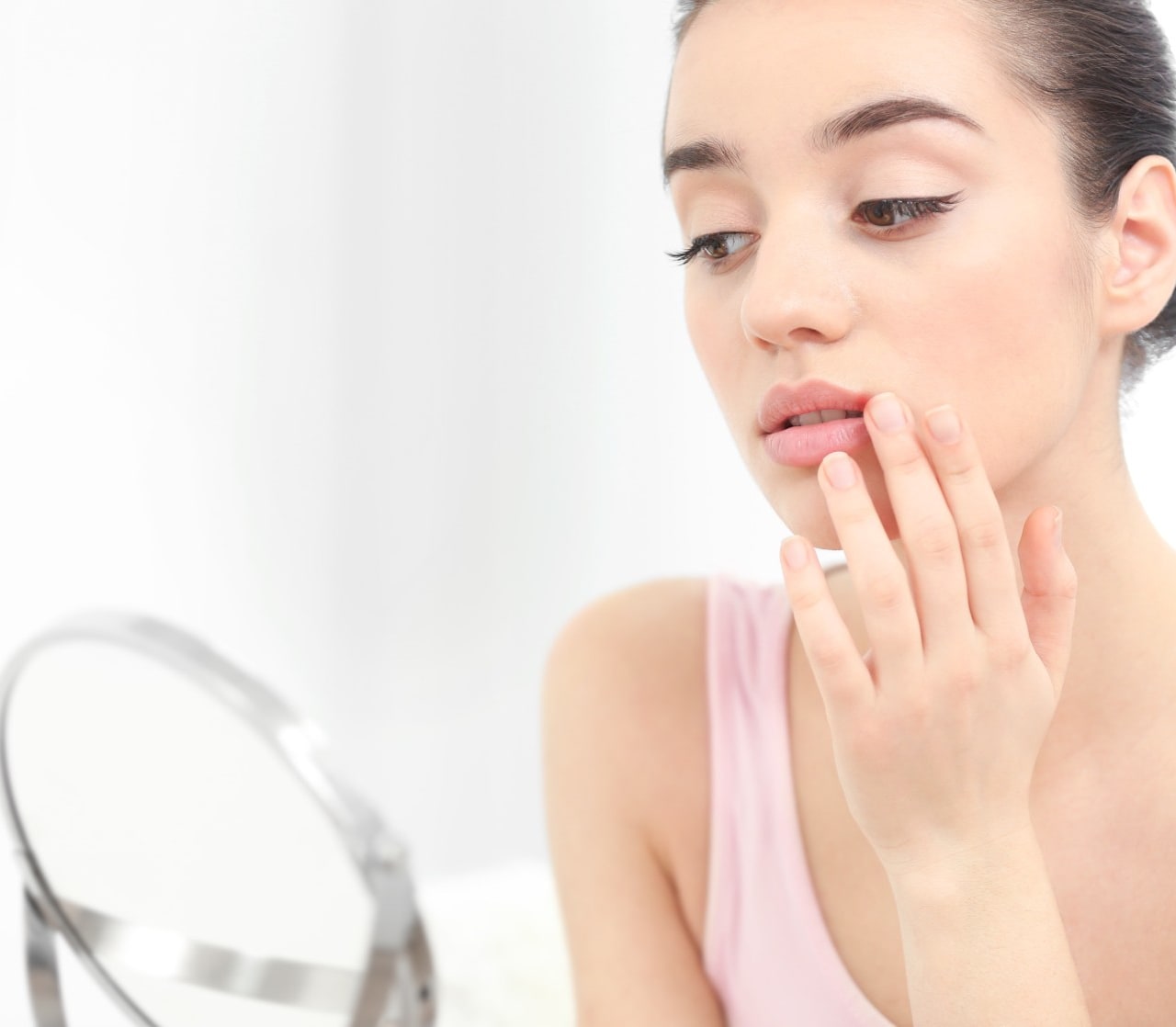
Angular cheilitis, also known as "angular cheilitis," is a skin condition characterized by inflammation and cracking at the corners of the lips. It appears as small, painful cracks or fissures that may bleed and ulcerate.

This condition is often associated with a bacterial or fungal infection, although other factors such as dehydration, nutritional deficiencies, allergies, or poor oral hygiene can contribute to its development. Angular cheilitis can be very uncomfortable and cause a burning or stinging sensation, especially when exposed to food or liquids.

It can also affect the self-esteem of those who suffer from it, due to its unsightly appearance and the pain associated with it. Effective management of angular cheilitis requires a comprehensive approach that aims to treat the underlying infection while relieving symptoms and preventing recurrence.
What are the possible causes of angular cheilitis?

There are many factors that contribute to the development of angular cheilitis. Among the most common are:

  • Moisture buildup in the area from licking or excess saliva

  • Sagging of the lip folds, sometimes linked to dental problems

  • Dry mouth and lips, caused by certain medications

  • Poor oral hygiene and a diet that’s too high in sugar

  • Certain medical conditions such as HIV, diabetes, or eczema

  • Nutritional deficiencies (particularly in B vitamins and iron)


Note: By identifying the causes of angular cheilitis, you can effectively and permanently resolve the problem. Don’t hesitate to make an appointment with a dermatologist or doctor for further testing.

Bacterial or fungal angular cheilitis?

Angular cheilitis can be triggered by:

  • A bacterial infection: Usually caused by bacteria such as Staphylococcus aureus, which proliferate at the corners of the lips and promote the development of cracks and irritation.

  • A fungal infection: Caused by the fungus Candida albicans, can also cause angular cheilitis, especially in people with weakened immune systems or excessive oral moisture. Sometimes, both factors can occur simultaneously and lead to angular cheilitis. To identify the specific causes, we strongly recommend that you see a healthcare professional for testing.

What are the symptoms of angular cheilitis?

The symptoms of angular cheilitis can vary in intensity from person to person, but they generally manifest as a series of unpleasant and recognizable signs:

  • Redness and inflammation: The corners of the lips may appear red and inflamed, with a sensation of heat or tingling. This redness may extend slightly beyond the corners of the mouth.

  • Cracks and fissures: Angular cheilitis is characterized by the presence of painful cracks and fissures at the corners of the mouth. These cracks can be superficial or deeper, sometimes causing slight bleeding.

  • Burning or painful sensation: People with angular cheilitis may experience a burning or painful sensation at the corners of their lips, especially when eating, speaking, or stretching their mouth.

  • Crusting: Over time, crusts or scabs may form over the cracks caused by angular cheilitis, which can make lip movements uncomfortable and restricted.

  • Cosmetic concern: Due to its visible and sometimes unsightly symptoms, angular cheilitis can cause cosmetic distress and thus affect the self-confidence of those affected.

Note: Paying special attention to oral hygiene and using natural remedies can help alleviate the symptoms of angular cheilitis and prevent recurrences.

A Word from the Doctor

“In nearly 90% of cases, angular cheilitis is linked to a fungal (Candida albicans) or bacterial (streptococci) overgrowth, which is promoted by a moist, acidic, and nutrient-deficient environment. A study shows that deficiencies in vitamins B2, B9, B12, or iron are present in up to 25–40% of cases of persistent angular cheilitis. A deficiency in zinc, a key trace element for epithelial regeneration, is also frequently observed.

A comprehensive approach therefore involves:

  •  Supporting skin integrity with natural reparative ingredients (honey, aloe vera, coconut oil)

  •  Identifying underlying deficiencies to prevent recurrence.”

Dr. Yoni Assouly – Physician with a functional and nutritional approach

Everything you need to know about angular cheilitis

Angular cheilitis or cold sores at the corners of the mouth?

It is important to distinguish angular cheilitis from cold sores, a viral infection caused by the herpes simplex virus. Although both conditions can present similar symptoms, such as cracks and redness around the lips, cold sores are generally associated with the formation of clear, fluid-filled blisters, while angular cheilitis is more characterised by dry cracks and scabs in the corners of the mouth.

Is angular cheilitis contagious?

Angular cheilitis itself is not contagious in the sense that it cannot be transmitted from one person to another through simple direct contact. However, in cases where it is bacterial or viral, it can be transmitted indirectly through the sharing of contaminated objects such as kitchen utensils, towels, or toothbrushes. Additionally, if the angular cheilitis is caused by a fungal infection such as Candida albicans, it is possible that this yeast is present in the environment and can be transmitted indirectly. In general, angular cheilitis is not considered a highly contagious disease like certain viral infections. However, it is always important to maintain good personal hygiene to prevent the spread of the condition and speed up healing.

Irritated corners of the mouth?

Irritated corners of the mouth are medically known as angular cheilitis. It is an inflammation localised at the corners of the mouth, often accompanied by redness, cracks or chapping, scabs, pain or a burning sensation, and sometimes oozing or small fissures. 

Discover our natural remedies to relieve angular cheilitis

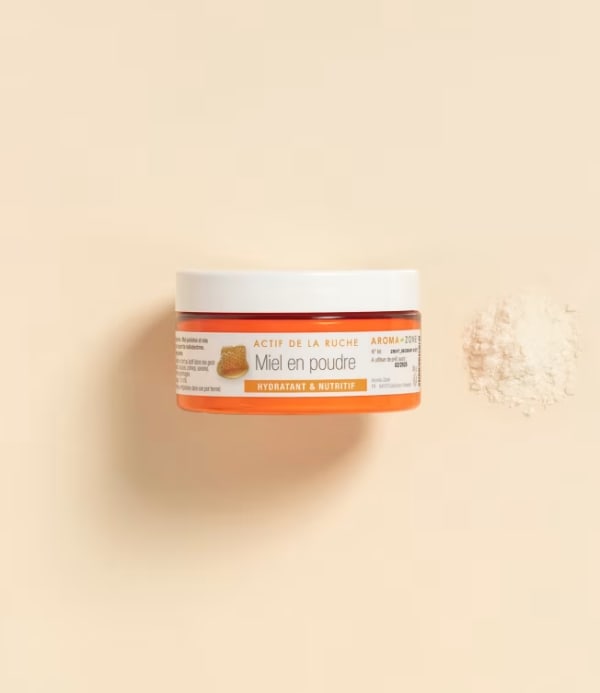
Powdered honey

Powdered honey

Rich in sugars and nutrients, honey is also a true hydration booster. Naturally produced by bees, honey is good for our skin and gently protects it. Available in powder form, you can easily incorporate it into your skincare products for hydrated, nourished, and protected skin.

Discover Honey Powder

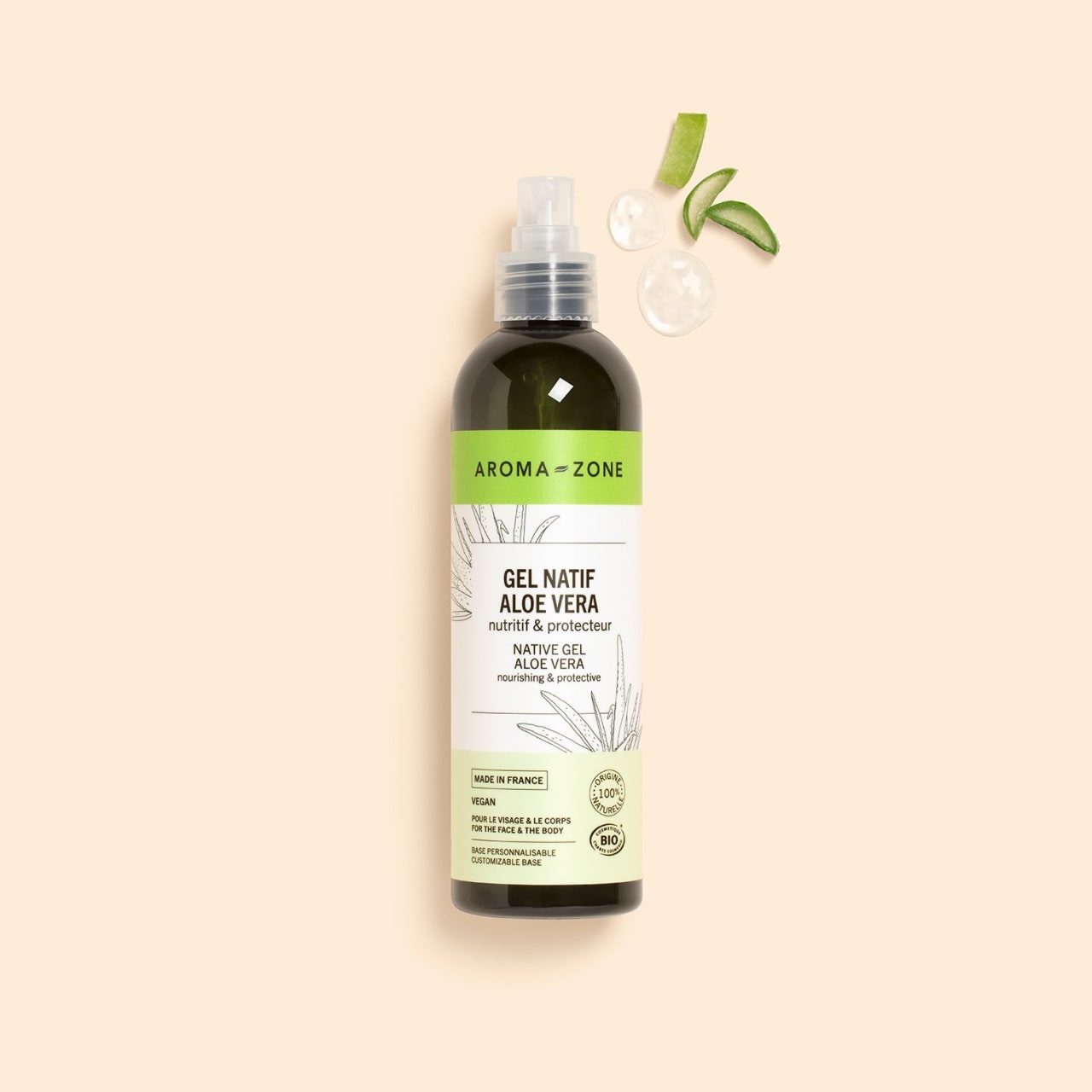
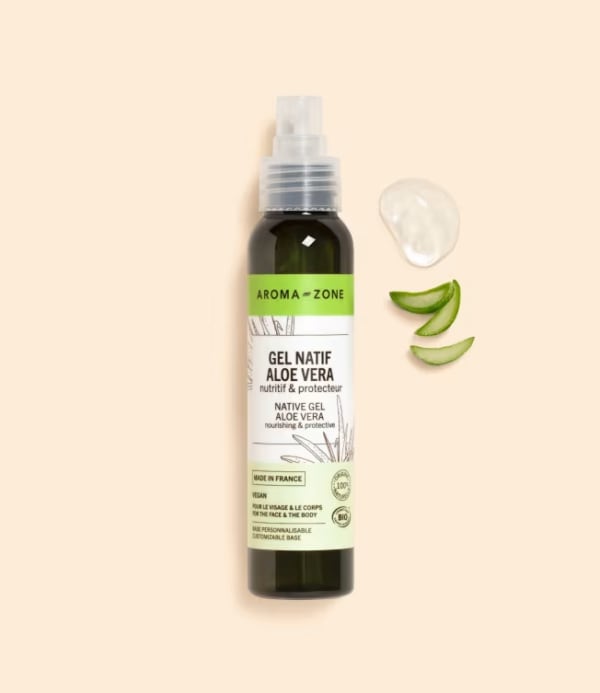
Organic Aloe Vera Gel

Organic Aloe Vera Gel

This Aloe Vera gel is made from fresh native juice, with a guaranteed aloeverose content of at least 1200 mg/L, extracted from the heart of the Aloe Vera plant by simply adding a natural gelling agent (xanthan gum), a natural preservative, and arginine (a naturally derived pH adjuster) to create a formula suitable for cosmetic use.

Discover Aloe Vera Gel

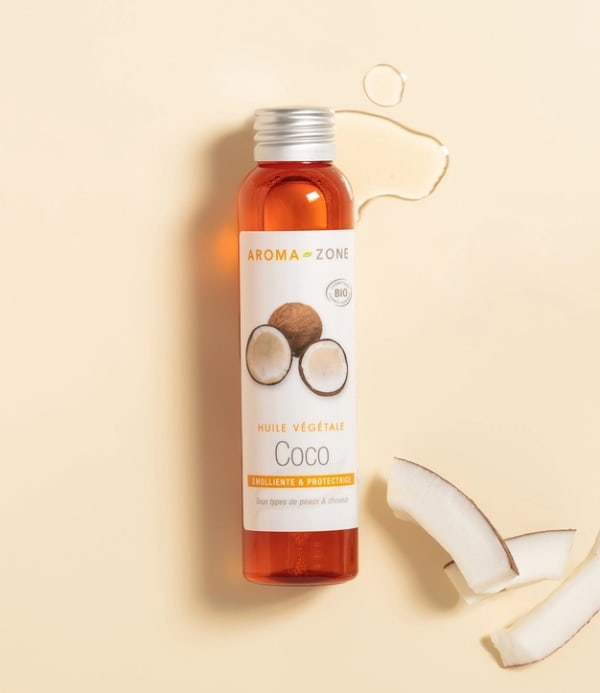
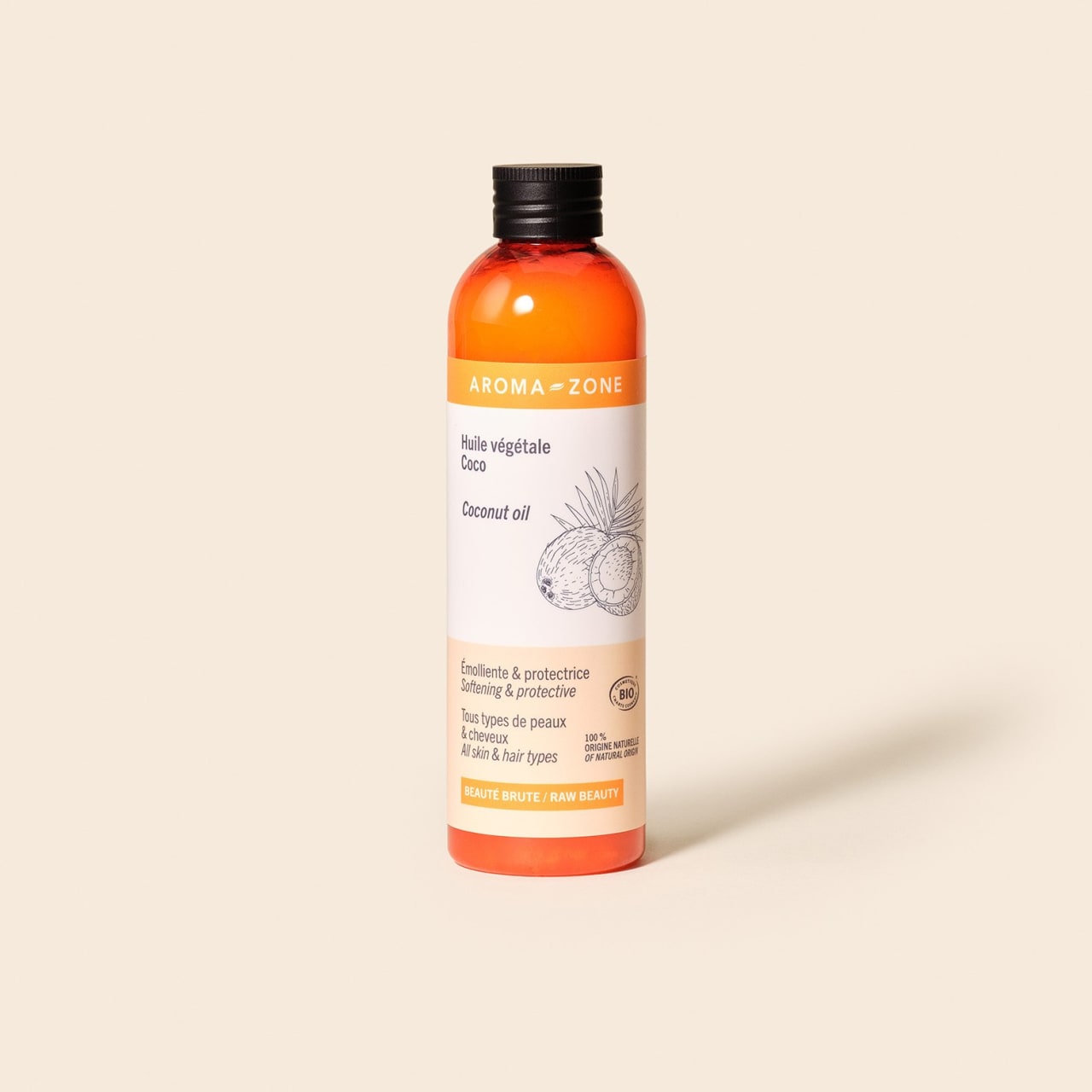
Coconut Oil

This oil is antifungal and antibacterial and can be applied in a thin layer to the corners of the mouth. 

Discover coconut oil

Note: However, if you notice that symptoms persist or worsen, we recommend consulting a doctor or speaking with your pharmacist. Natural and alternative treatments are in no way a substitute for medical care; they can only alleviate and reduce symptoms, but cannot cure the condition.

How to prevent angular cheilitis?

The importance of good oral hygiene

Maintaining good oral hygiene is essential for preventing and treating angular cheilitis. This means brushing your teeth at least twice a day with a mild toothpaste and flossing regularly to remove food debris and bacteria. Using an antiseptic mouthwash can also help reduce the growth of bacteria in the mouth. One final point that’s particularly important when dealing with angular cheilitis: avoid licking or biting your lips, as this can worsen cracks and irritation.

Adjusting Your Diet

Certain foods and supplements can help strengthen the immune system and promote healing of angular cheilitis.

  • Foods rich in B vitamins such as whole grains, leafy green vegetables, and fruits,

  • Zinc such as seafood, pumpkin seeds, and nuts,

  • Iron, such as lean meats, legumes, and spinach.

Note: Eating these foods regularly can help support skin health and speed up the healing of lesions.

What to do if the angular cheilitis persists?

Sometimes, even after trying natural remedies to treat angular cheilitis, it persists or seems to keep coming back. Several factors can explain this resistance to treatment:

  1. An underlying untreated infection: If angular cheilitis is caused by a bacterial or fungal infection, the treatment used may not be effective in completely eliminating the infection. In this case, it is important to consult a healthcare professional to obtain an accurate diagnosis and develop an appropriate treatment plan, which may include antifungal medications or antibiotics.

  2. Persistent risk factors: Certain risk factors such as dehydration, nutritional deficiencies, smoking, or poor oral hygiene can prevent angular cheilitis from clearing up. These deficiencies weaken the immune system and create an environment conducive to bacteria and infections. It is essential to identify and address these risk factors to allow for complete healing.

  3. Ongoing irritation: Repetitive lip movements, excessive licking, the use of irritating products, or prolonged exposure to harsh environmental conditions can prevent healing. Avoiding these behaviors and taking steps to protect the skin on the lips can help reduce irritation and increase the chances of healing.

Expert advice

If you notice that after several days or even weeks, the angular cheilitis hasn’t cleared up, has turned whitish or yellowish, and the cracks are bleeding, make an appointment with a healthcare professional. Whether a dermatologist or a doctor, they can prescribe an appropriate treatment tailored to the cause of your angular cheilitis.

Learn more

Spotlight on our wellness editor, Laura Almeras

The_Luuxx_Photographer_-_Pro_Shoot_Laura-15.jpg

Laura is a health, beauty and lifestyle writer. Passionate about travel and gastronomy, she shares all her nutritional tips on how to combine pleasure with wellbeing. Through her articles, she is committed to providing you with meaningful information and practical advice to nourish your body and mind.

Bibliography

  1. https://www.sfdermato.org/upload/fiche/perleche-684889fcaea2768c7aa1303196516cbb.pdf

  2. https://fr.wikipedia.org/wiki/Perl%C3%A8che

  3. https://www.brunet.ca/sante/conseils-sante/la-perleche/#:~:text=The%20cause%20of%20angular%20cheilitis,%20may%20be%20responsible%20for%20this%20condition.