
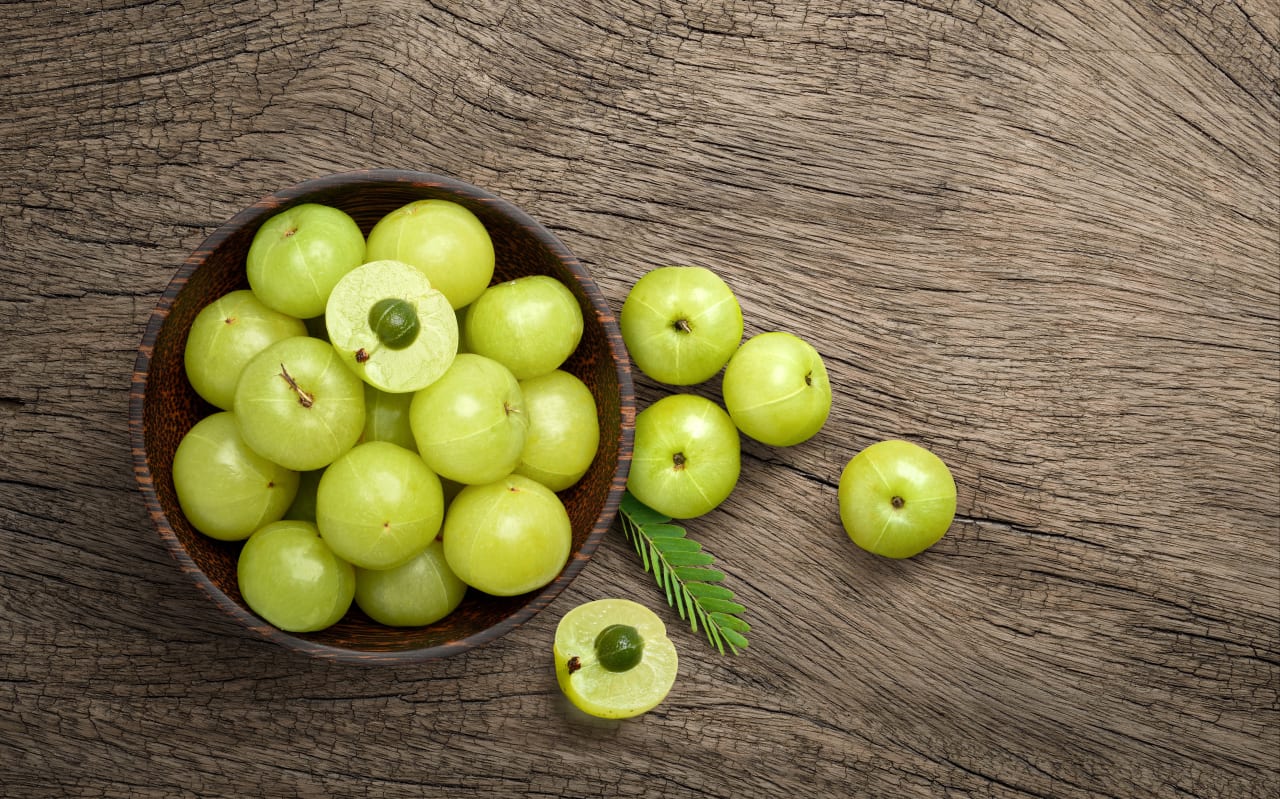
Amla, also known as Indian gooseberry, is a small green fruit native to India that has been used in Ayurvedic medicine for thousands of years for its remarkable properties. Naturally rich in vitamin C, antioxidants and amino acids, it is valued not only for its health benefits but also for its positive effects on the skin and hair. This natural superfruit is commonly used in the form of powder, oil or juice, with each form offering unique benefits. In hair care, Amla is particularly prized for helping to strengthen the roots, support healthy hair growth and maintain healthy-looking hair over time. Its toning properties may also help promote a balanced scalp and reduce the appearance of dandruff associated with excess sebum. Whether used as a hair mask, infused oil or rinse, Amla is a valuable ally for hair that looks stronger, shinier and full of vitality.
What Are the Benefits of Amla for Hair?
Published on: Tuesday, February 11, 2025, Updated on: Wednesday, September 30, 2026
Does your hair lack body, shine and vitality? Used for centuries in Ayurvedic medicine, Amla is renowned for its many benefits for hair health and beauty. Also known as Indian gooseberry, this fruit is naturally rich in vitamins, antioxidants and essential nutrients that help strengthen the hair, boost shine and support healthy hair growth. What are its benefits, and how can you incorporate it into your routine? Discover why Amla is a staple ingredient in natural hair care rituals.
Contents
Related products
Anti-ageing
Hair strengthening
£5.00
250 g
Anti-ageing
£4.20
£6.00
100 ml
2 options
Repairing
Hair strengthening
£11.00
250 ml
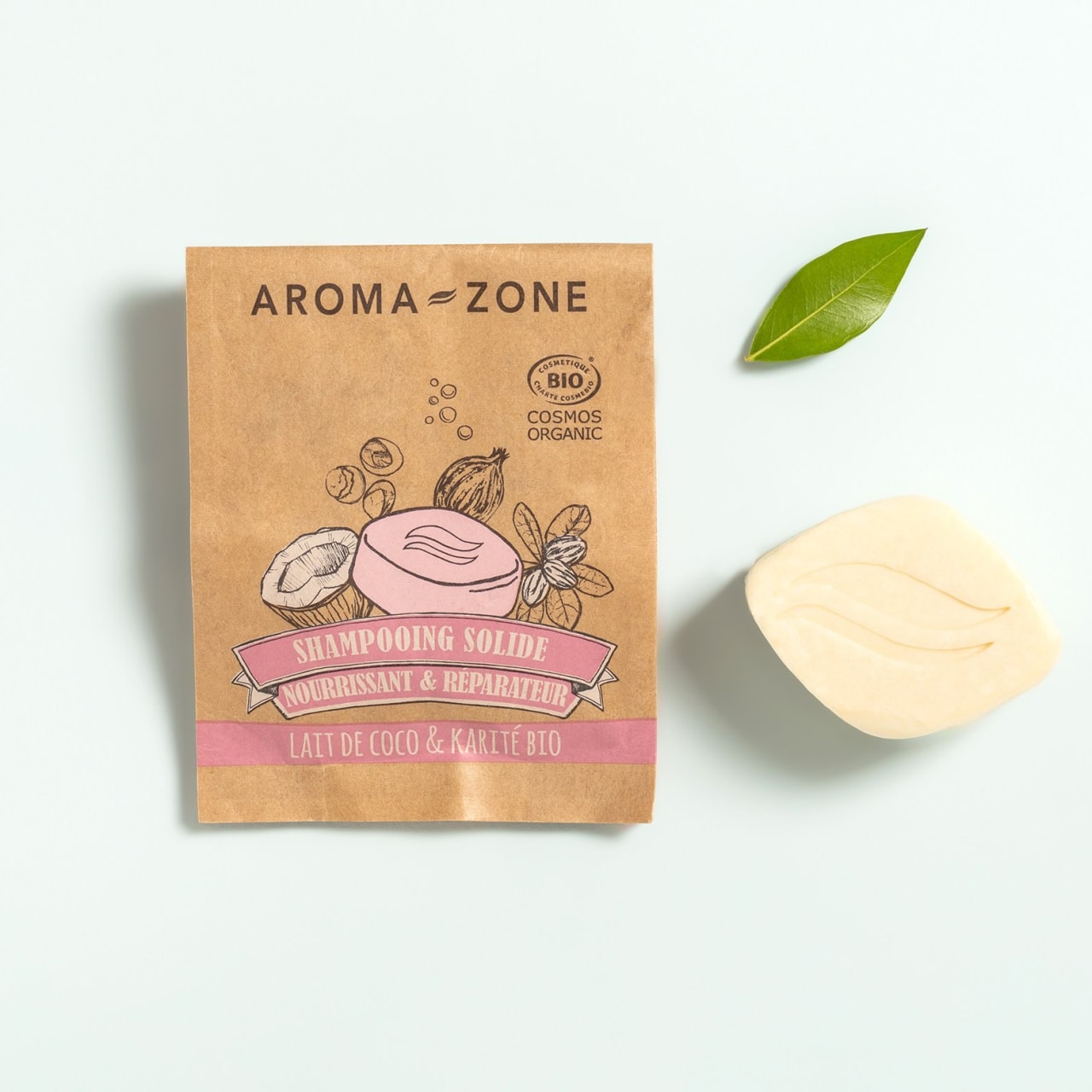
£7.00
60 g
In brief
Amla, or Indian gooseberry, is known to stimulate growth, strengthen hair fibres, reduce hair loss, and add shine and thickness to hair thanks to its high vitamin, antioxidant, and essential nutrient content.
Its recommended uses include hair masks, powders and oils that can be incorporated into a hair care routine, with tailored application methods and frequencies to help maximise its benefits. The article also explores natural ingredient pairings that can enhance its effects.
The article also highlights the potential for reactions on sensitive scalps and outlines the precautions to take before first use, including carrying out a patch test to help minimise the risk of irritation.
What is Amla?
What are the properties of Amla?
Amla, also known as "Indian gooseberry," is a superfood recognized in Ayurvedic medicine for its many beneficial properties for the body. Rich in nutrients and antioxidants, it has an impact on several aspects of health:
Rich in vitamin C: Strengthens the immune system and fights oxidative stress
Powerful antioxidant: Protects cells against premature aging
Natural detoxifier: Promotes the elimination of toxins and supports the liver
Anti-inflammatory: Soothes internal and skin inflammation
Digestive balance: Stimulates digestion and improves nutrient absorption
Glycemic regulator: Helps stabilize blood sugar levels
What are the benefits of Amla for hair?
Amla is a key ingredient in Ayurvedic medicine, renowned for naturally strengthening and beautifying hair. Here are its main benefits:
Stimulates growth: Rich in antioxidants and vitamin C, it promotes hair growth and prevents hair loss.
Prevents premature graying: Its active ingredients protect hair melanin and delay the appearance of gray hair
Strengthens and fortifies the hair fiber: Provides strength and resistance to fine and fragile hair
Adds shine and radiance: Deeply nourishes for shinier, healthier hair
Purifies the scalp: Its antibacterial and antifungal properties combat dandruff and soothe itching
Naturally thickens hair: Rich in nutrients, it densifies the hair and improves its texture
Used as an oil, powder, or macerate, Amla is a true ally for strong, healthy, and shiny hair all year round.
How can you use Amla naturally for your hair?
Amla can be used in different ways to enhance hair naturally. Here are the main methods of application:
As a hair mask: Mix Amla powder with a little warm water until you obtain a smooth paste. Apply to the scalp and lengths, leave on for 30 to 60 minutes, then rinse thoroughly. Ideal for strengthening and thickening the hair.
As an oil macerate: Infuse Amla powder in a vegetable oil (coconut, castor, sesame) for a few days. Apply this oil as an oil treatment to the scalp and hair before shampooing to nourish, strengthen, and stimulate growth.
As a rinse: Steep a spoonful of Amla powder in hot water, let it cool, and use this infusion as a final rinse after shampooing. It adds shine and radiance to the hair.
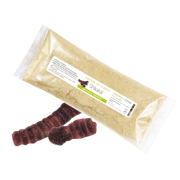
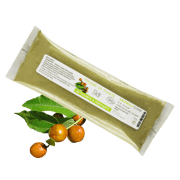
As a natural shampoo: Mix Amla powder with Shikakai and Sidr to create a purifying and strengthening Ayurvedic shampoo. Gently massage into the scalp, then rinse thoroughly.
As an anti-hair loss treatment: Add a few drops of Amla oil to your shampoo or massage it into the scalp once or twice a week to stimulate blood circulation and reduce hair loss.
Versatile and natural, Amla adapts to all hair care routines for strong, shiny, and healthy hair.
What natural Amla solutions are there for hair?
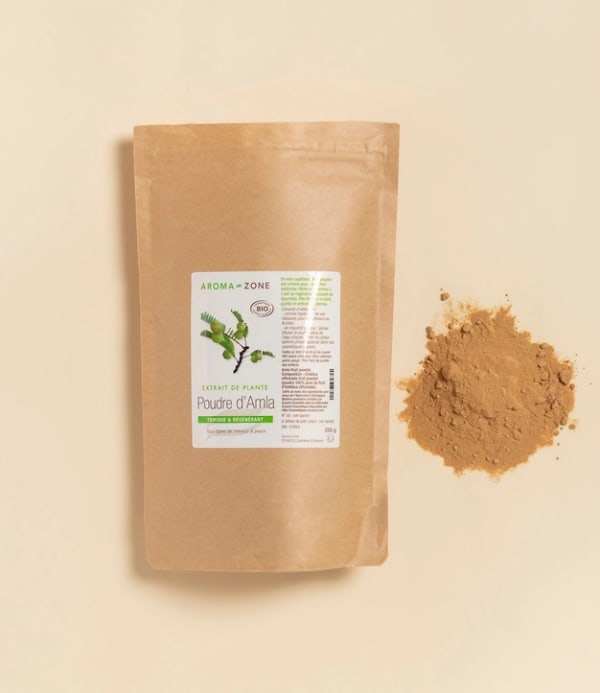
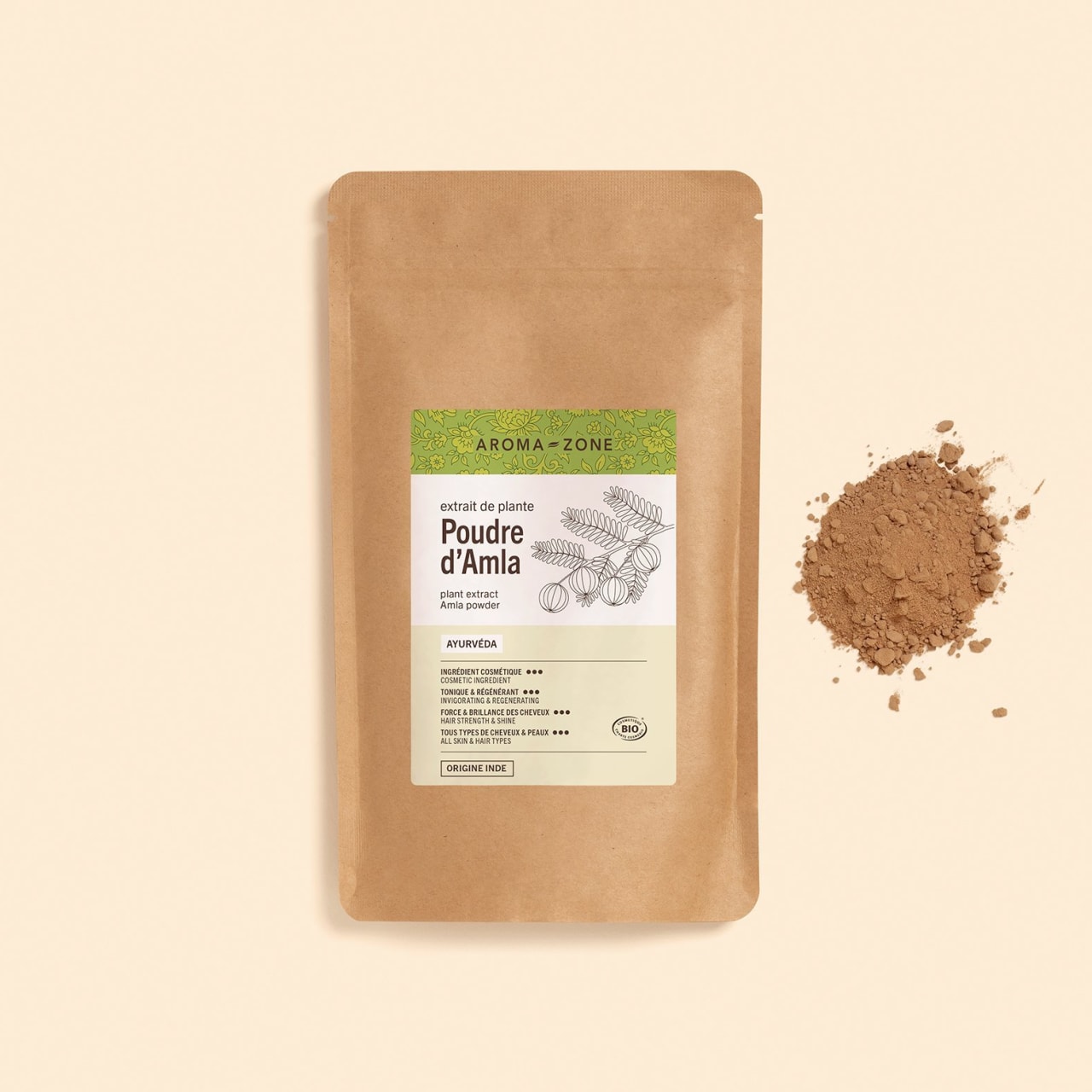
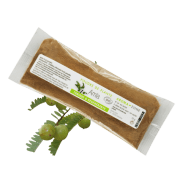
Organic Amla Powder
Rich in vitamin C, Amla is renowned as a powerful regenerator in Ayurveda. This powder is traditionally known to prevent hair loss, while soothing people with Vata and Pitta constitutions.
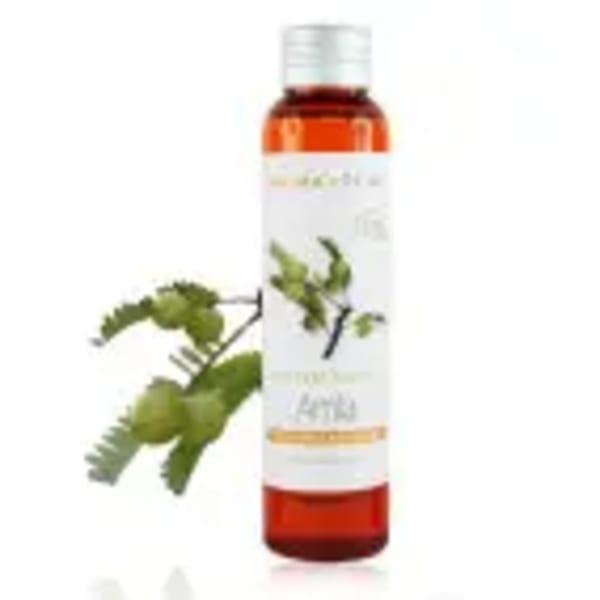
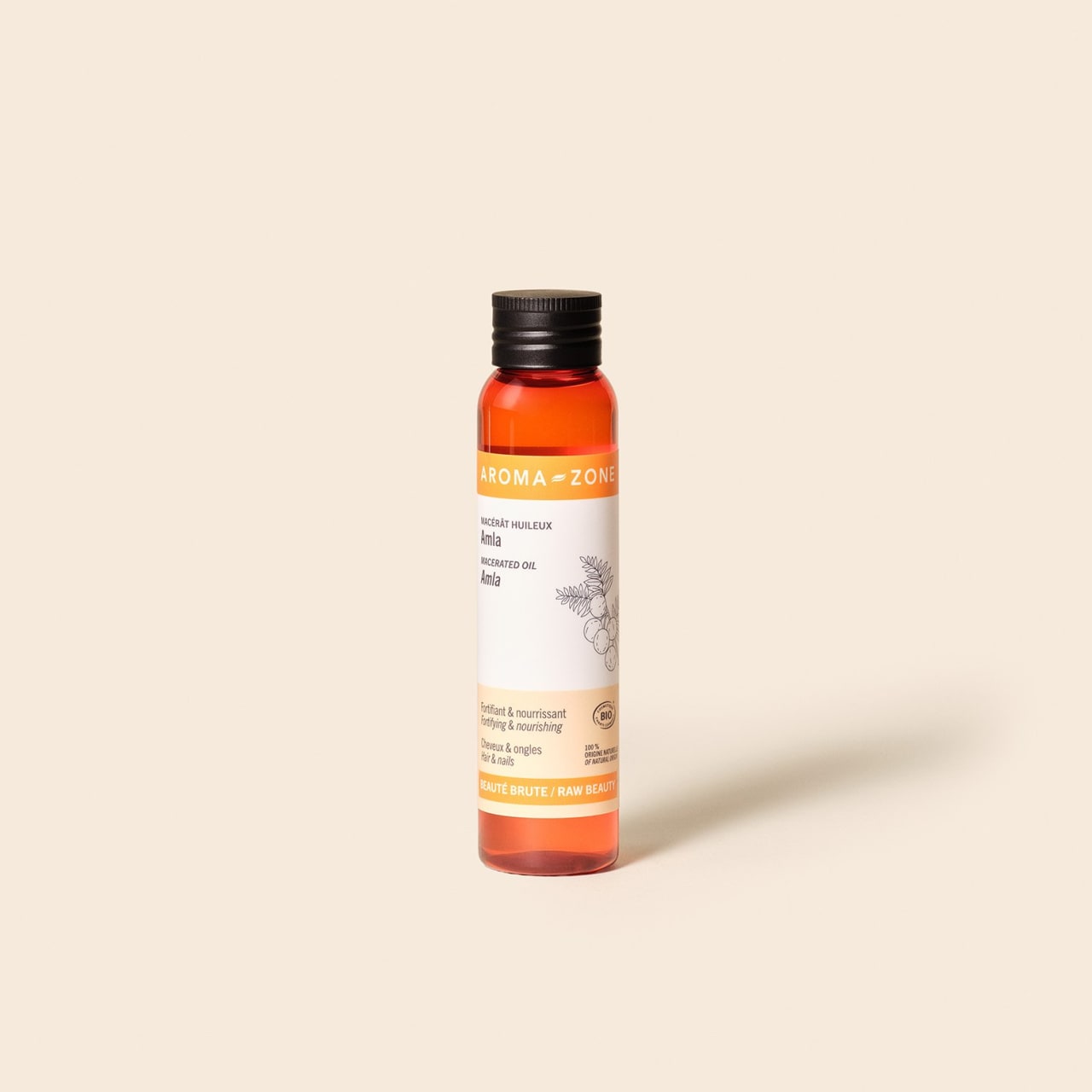
Organic Amla Oil (oily macerate)
Also known as "Amla oil," this macerate combines the tonic and regenerating properties of Amla with the fortifying effects of castor oil to create an exceptional cosmetic ingredient for hair care. A beauty secret of Indian women, it is particularly appreciated for preparing pre-shampoo oil baths to strengthen and beautify hair and stimulate growth.
Organic Plant-Based Shampoo
Shikakai, Reetha, Neutral Henna, Amla, Sidr, and Kapoor Kachli: this 100% plant-based and organic powder shampoo is composed of a synergy of six Ayurvedic plants known for gently cleansing, strengthening, beautifying, and naturally caring for the hair and scalp. Ideal as a detox shampoo before applying plant-based hair dye or for making No Poo shampoos. Used on its own or mixed with plant oils and essential oils, this plant-based shampoo leaves hair soft, shiny and strong. Find out about the different additives you can use and their recommended dosages in this advice sheet.
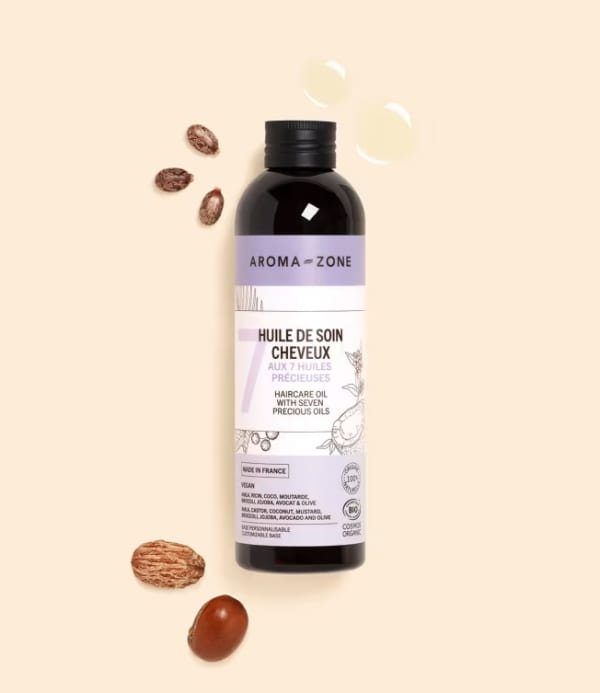
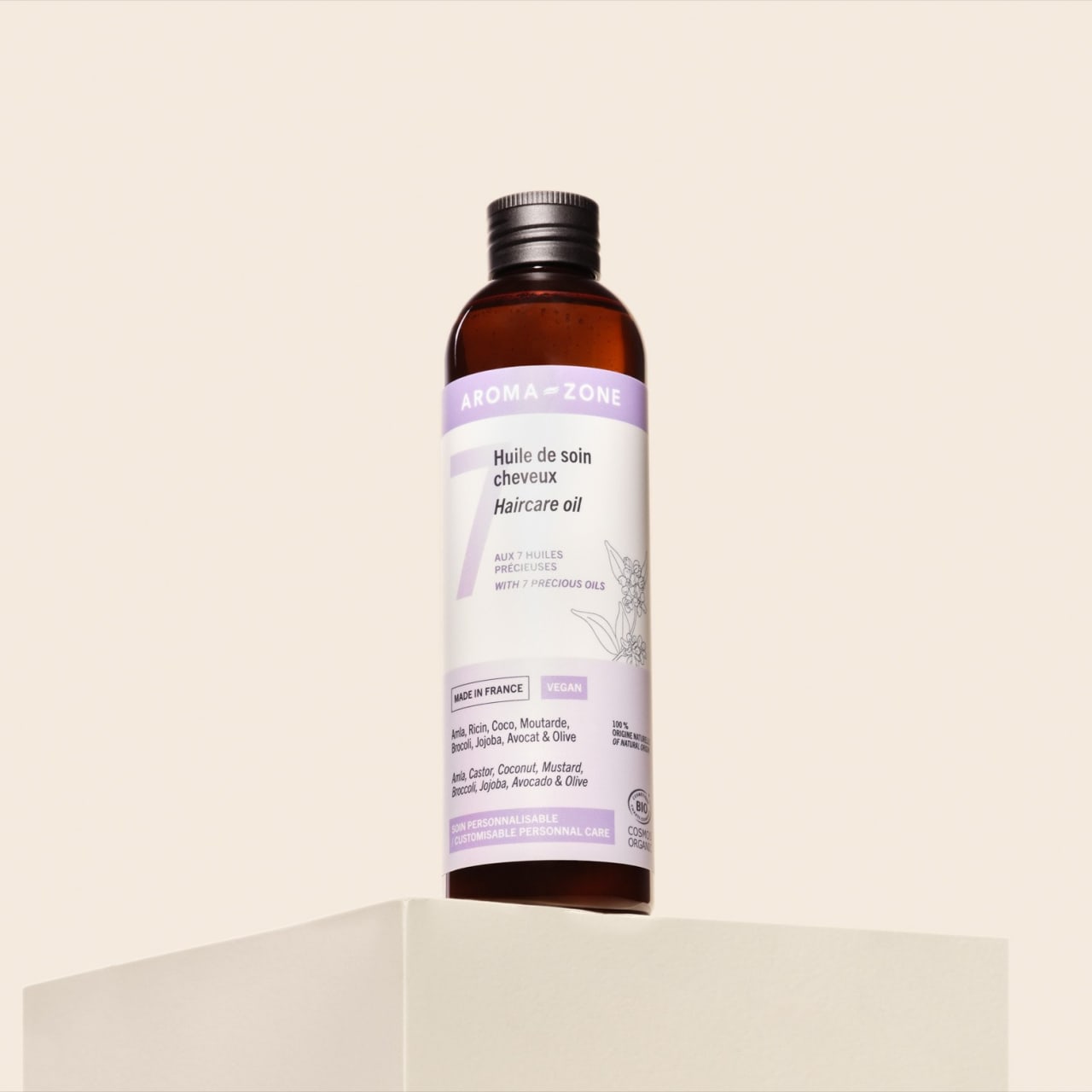
Hair Care Oil
A synergy of seven precious organic plant oils and a precious organic oil macerate renowned for their wonderful properties for hair, this organic hair care oil can be used as an oil bath, a rub or a leave-in treatment on the ends. This exceptional plant-based treatment combines castor, coconut, amla, avocado, olive, broccoli, jojoba, and mustard oils to strengthen, nourish, repair, and add shine and manageability to hair naturally and easily. This oil can be used on its own or combined with active ingredients, essential oils or fragrances of your choice to create a 100% personalized treatment tailored to your hair and your desires! Find out about the different possible additions and their dosages in this advice sheet.
Treat yourself to a strengthening mask for radiant hair.
Treat your hair to a natural, revitalizing treatment with this Amla powder mask.
In a bowl, mix 2 tablespoons of Amla powder with warm water until you obtain a smooth paste.
Add 1 tablespoon of yogurt, honey, and your choice of vegetable oil (coconut or castor). Mix well.
Apply to dry or damp hair, focusing on the scalp and lengths.
Leave on for 30 to 45 minutes, under a warm towel to maximize the benefits.
Rinse thoroughly with warm water, then use a mild shampoo to remove any residue.
Result : Stimulated growth, strengthened hair fibers, and shiny, voluminous hair.
What hair types is Amla recommended for?
Amla treatments are particularly recommended for hair that is:
Dull and tired: Rich in antioxidants and vitamin C, Amla restores shine and vitality to lackluster hair.
Fine and lacking volume: Amla stimulates blood circulation in the scalp and strengthens the hair fiber, adding density to fine hair.
Hair loss: Its fortifying properties help to limit hair loss by strengthening the roots and stimulating growth.
Oily and prone to dandruff: Thanks to its purifying and balancing properties, Amla regulates excess sebum and cleanses the scalp, reducing dandruff.
Curly and wavy: It helps define curls while adding softness and suppleness to textured hair.
White hair or hair prone to early signs of graying: Used regularly, Amla can slow down the appearance of white hair and slightly darken the hair.
Recipes for shampoos, masks, and lotions with Amla

Precautions for use
Perform a skin test before first use to avoid any risk of allergy or irritation, especially on sensitive scalps.
Avoid applying to very light hair, as Amla can slightly darken the natural color of the hair.
Do not leave it on sensitive scalps for too long to avoid a drying or irritating effect.
Always use organic Amla powder, free from additives and chemicals, to fully enjoy its benefits.
Do not apply excessively: too frequent use can dry out the hair fiber, especially on dry hair.
Expert advice
Amla is an excellent treatment for strengthening hair, and there's a simple way to maximize its benefits. Instead of mixing the powder with water, try diluting it with rosemary or nettle tea to further stimulate growth. A spoonful of coconut oil can be added if your hair is dry. After leaving it on for 30 minutes, your hair will be stronger, shinier, and incredibly soft. This combination is definitely worth trying to see the effects for yourself.
Spotlight on Our Writer: Louise Hourcade

After graduating from ESCP Business School in 2020, Louise began her career as a writer in 2021. Today, she writes a newsletter where she shares cultural recommendations and more personal articles, such as dating apps, therapy, and career guidance. She also writes for the media, brands and agencies on subjects such as well-being, mental health, culture, and society.
Bibliography
Akhtar, M. S., Ramzan, A., Ali, A., & Ahmad, M. (2011).
Effect of Amla fruit (Emblica officinalis Gaertn.) on blood glucose and lipid profile of normal subjects and type 2 diabetic patients. International Journal of Food Sciences and Nutrition, 62(6), 609–616.
Gopa, B., Bhatt, J., & Hemavathi, K. G. (2012).
A comparative clinical study of hypolipidemic efficacy of Amla (Emblica officinalis) with 3-hydroxy-3-methylglutaryl-coenzyme-A reductase inhibitor simvastatin. Indian Journal of Pharmacology, 44(2), 238–242.
Baliga, M. S., & Dsouza, J. J. (2011).
Amla (Emblica officinalis Gaertn), a wonder berry in the treatment and prevention of cancer. European Journal of Cancer Prevention, 20(3), 225–239.
Khan, K. H. (2009).
Roles of Emblica officinalis in medicine – A review. Botany Research International, 2(4), 218–228.
Variya, B. C., Bakrania, A. K., & Patel, S. S. (2016).
Emblica officinalis (Amla): A review of potential therapeutic applications. International Journal of Green Pharmacy, 10(4), 210–216.
Frequently Asked Questions
Associated tips
Hair care tips
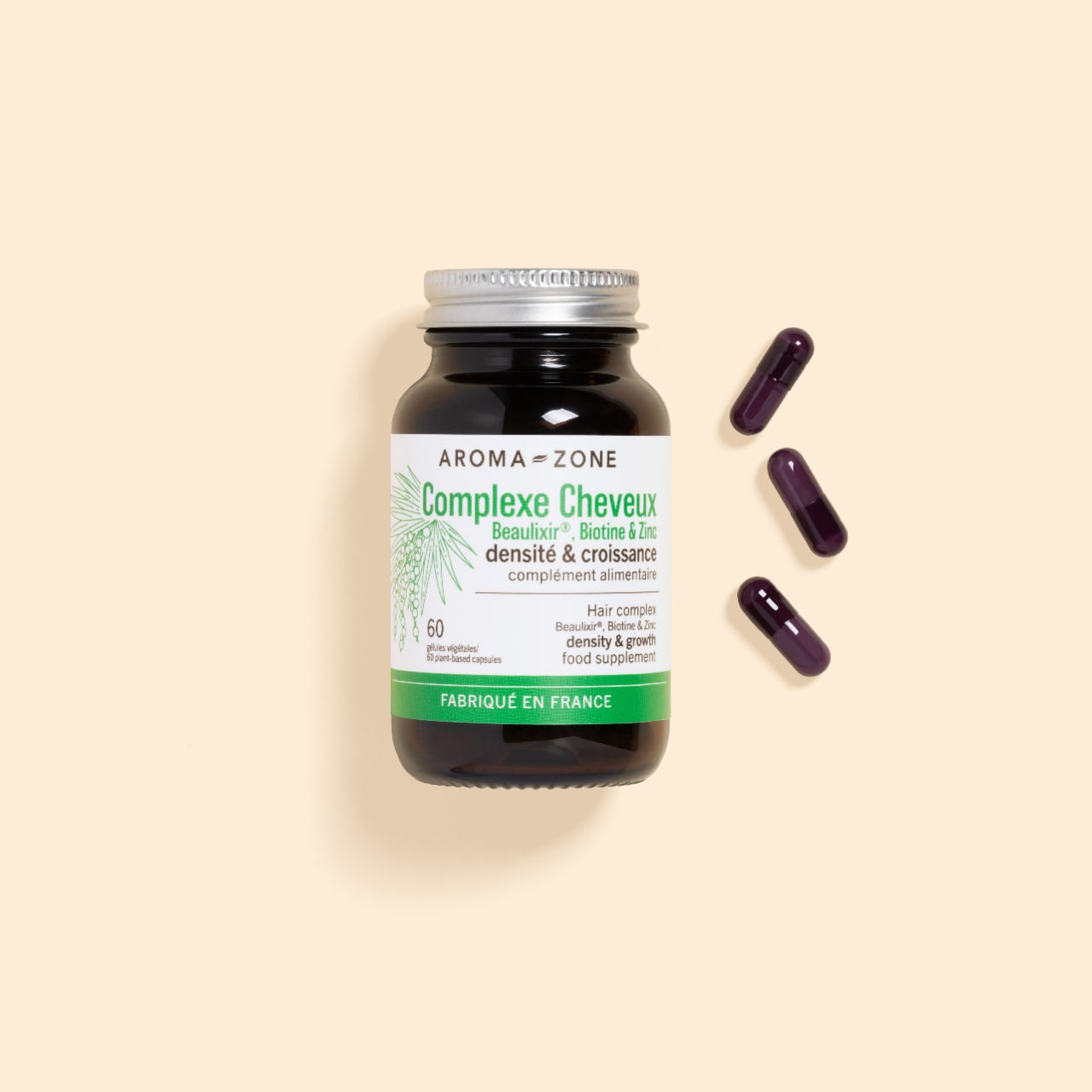
Hair and scalp care tips
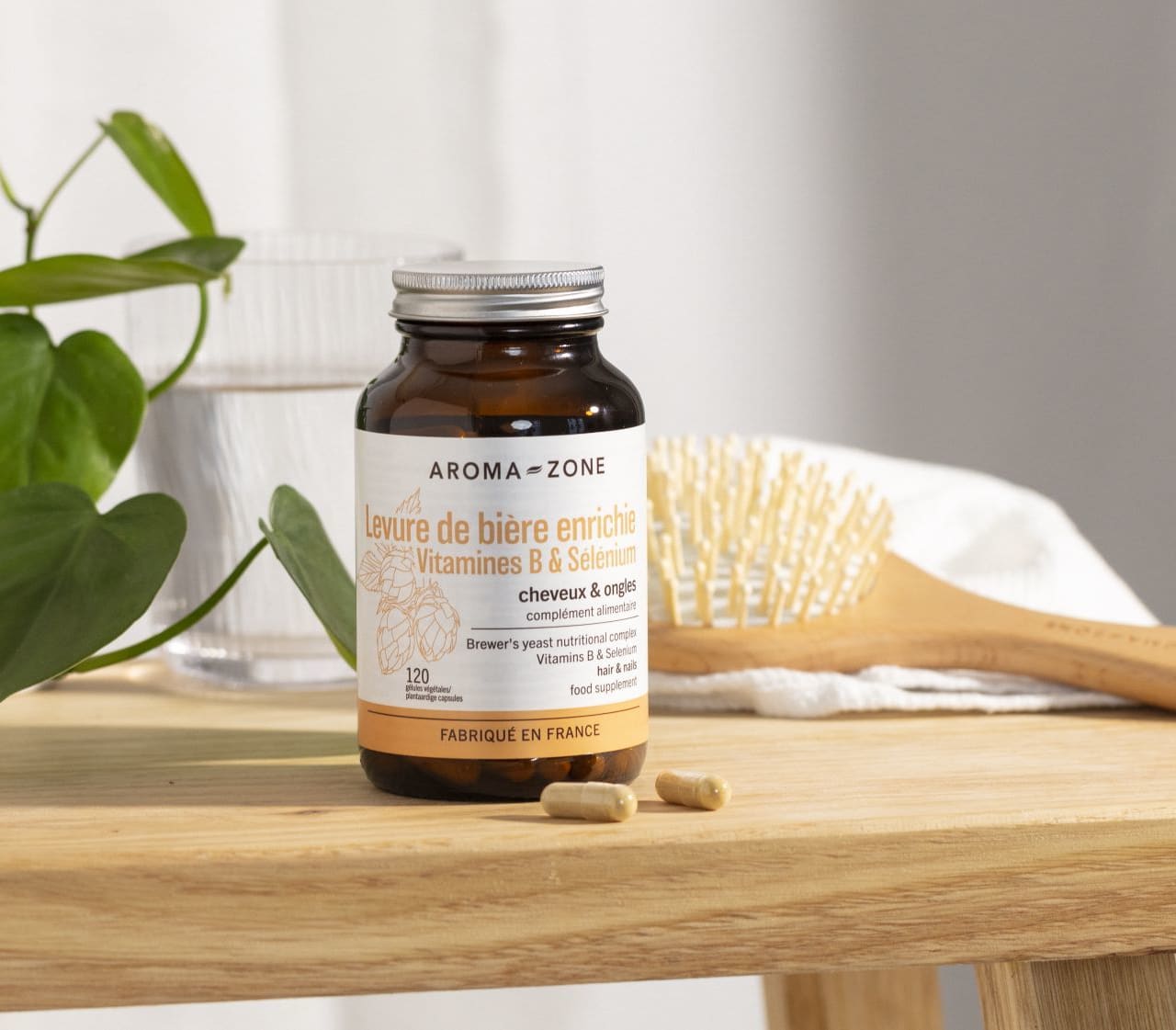
Beauty and nutrition


