
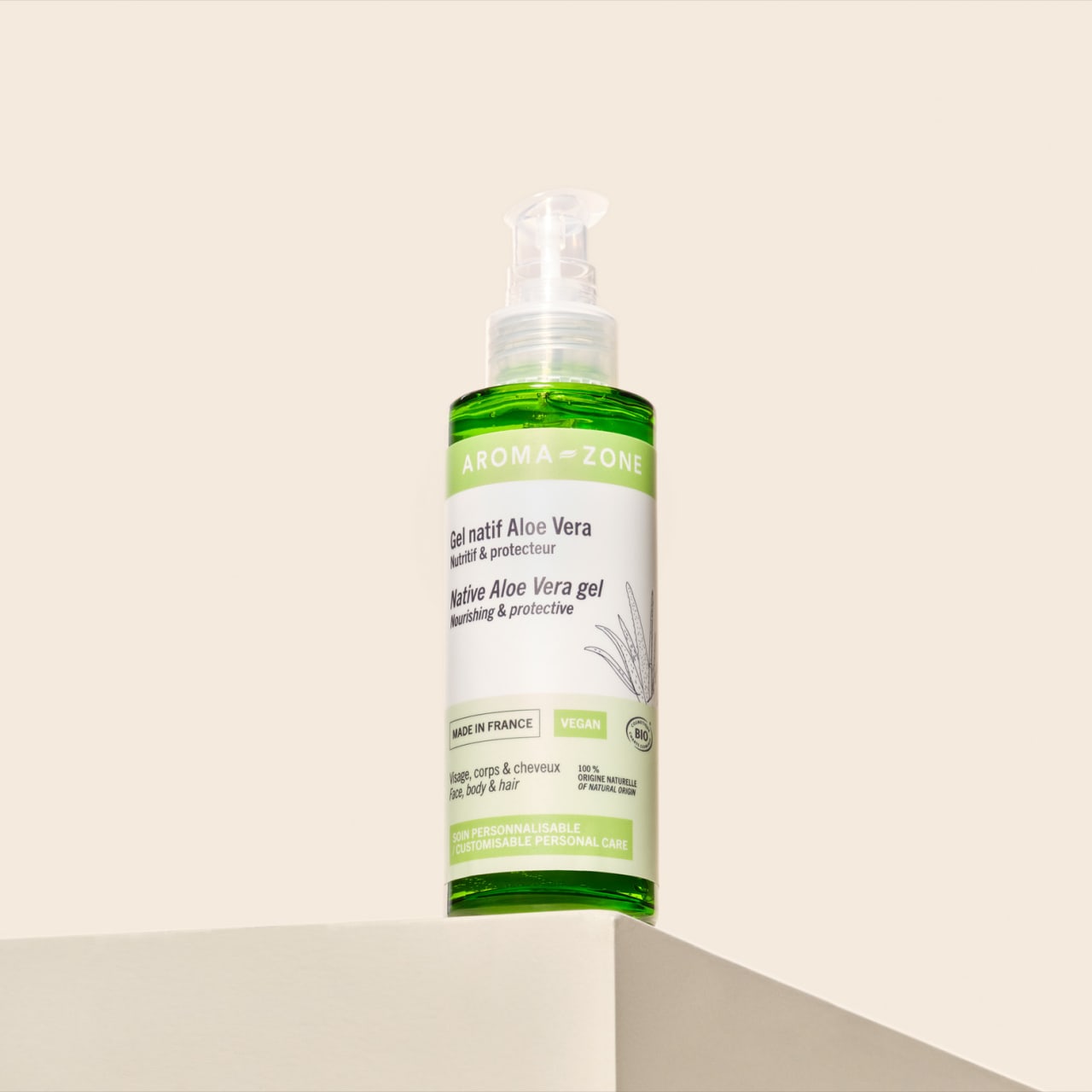
As a reminder, aloe vera is a succulent plant belonging to the Liliaceae family. It thrives best in hot, arid regions but also grows vigorously in tropical climates. The most commonly used part of aloe vera is the clear gel found inside its fleshy leaves. This gel is rich in vitamins, minerals, amino acids, and antioxidants. It is widely used in dermatology and cosmetics for its moisturising, soothing, and healing properties. Aloe vera gel is often applied to the skin to treat superficial burns, cuts, rashes, and other minor irritations. In addition to its external use, certain aloe vera-based preparations can also be consumed as juice, known for their benefits for digestive comfort and overall well-being. Please note, however, that our Aloe Vera Gel is intended solely for cosmetic use and is not suitable for consumption.
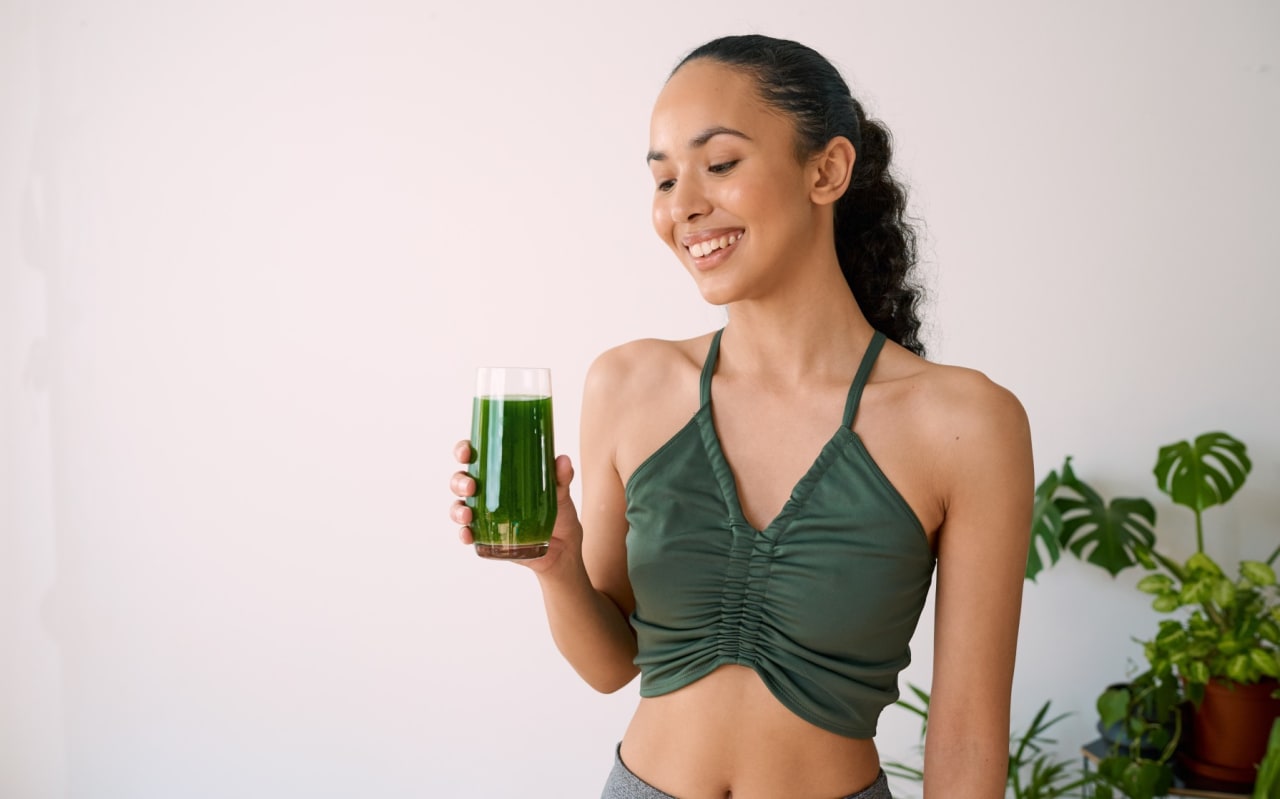
Aloe Vera Juice: What Are the Benefits
Published on: Friday, April 26, 2024, Updated on: Wednesday, October 07, 2026
Aloe vera is not only used to enhance our cosmetics; this versatile plant can also be consumed as part of your diet to support overall well-being. How can you incorporate it into your daily routine, and what benefits can it really provide? Discover everything you need to know in this article.
Contents
Related products
Anti-ageing
£14.00
1 article
Firming
Sport
£22.00
250 g
Moisturising
Sport
£16.00
200 g
In brief
Aloe vera juice is valued for its benefits for digestive comfort when consumed, while Aloe vera gel is used in cosmetics for its moisturising and soothing properties on the skin. In all cases, the recommended uses and dosages should be followed.
When used internally, Aloe vera is particularly valued for its potential to support digestive comfort and for its nutrient content. When used externally, the gel is mainly appreciated for its moisturising and soothing properties on the skin. Product quality, particularly its purity and the absence of aloin in products intended for consumption, as well as compliance with recommended dosages and duration of use, are essential.
The article states that Aloe vera consumption is not suitable for everyone, particularly pregnant or breastfeeding women and certain people taking medication. Excessive consumption may also lead to adverse effects.
What is Aloe Vera?
The Benefits of Pure Aloe Vera Juice
Aloe vera juice is enjoyed and consumed worldwide for its many health benefits. But why? It's largely thanks to its bioactive compounds, including vitamins, minerals, enzymes and amino acids, that the juice of this succulent plant is so good for us.
Reasons why aloe vera juice is so good for our bodies:
Supports digestion: The European Food Safety Authority (EFSA) recognises the traditional use of certain aloe vera based preparations to contribute to normal digestion. Aloe vera juice is therefore often used to promote better digestive comfort and regular bowel movements.
Benefits for the skin: Aloe vera helps maintain healthy skin by promoting hydration and balance. Drinking aloe vera juice can help improve the overall appearance of the skin thanks to its essential nutrients.
Immune system support: Certain components of aloe vera, such as naturally occurring vitamins C and E and zinc, contribute to the normal functioning of the immune system.
Soothing effect: Aloe vera contains polysaccharides with soothing properties that can help soothe the digestive system, particularly in cases of discomfort or mild irritation.
When and How Should Pure Aloe Vera Juice Be Consumed?
While Aloe Vera juice offers many benefits, it should still be consumed mindfully. Avoid overuse and make sure to take it responsibly to maximise its benefits while limiting potential risks.
When to Consume Aloe Vera Juice:
On an empty stomach: Drinking aloe vera juice in the morning before eating may help support the digestive system. It can stimulate digestion and promote better nutrient absorption.
Before meals: Consuming aloe vera juice a few minutes before a meal can help prepare the stomach for digestion and support nutrient absorption.
Moderate consumption: it is generally recommended not to drink more than 60 to 120ml (approximately 2 to 4 ounces) of aloe vera juice per day. Start with small amounts to see how your body responds.
How to Consume Aloe Vera Juice:
Pure or diluted: You can drink Aloe Vera juice pure or dilute it with water or another juice to soften its taste, which may be slightly bitter or astringent.
Choosing the right product: Choose an Organic Aloe Vera juice that is free from preservatives, colourings, and artificial flavours. Make sure it has also been purified and is free from aloin, the plant compound with laxative properties that may irritate the digestive system.
In recipes: You can mix aloe vera juice into smoothies or fruit juices to improve the taste and boost your nutrient intake.
Use with caution: If you have specific medical conditions or are taking medications, it is wise to consult a healthcare professional before incorporating aloe vera juice into your diet.
Is a Pure Aloe Vera Juice Detox Cleanse Beneficial?
A pure Aloe Vera juice cleanse can be a good option, particularly to support digestion, skin hydration, and immune function, thanks to the vitamins, minerals, enzymes, and antioxidants it contains. However, as with any wellness routine, it is important to consider a few key points before starting to ensure that your cleanse is both beneficial and safe.
The Benefits of an Aloe Vera Juice Cleanse
Improved digestion: Aloe Vera juice may help support regular digestion and relieve digestive discomfort such as irritable bowel syndrome, constipation, and gastric acidity.
Soothing properties: The soothing compounds found in Aloe Vera may help reduce overall inflammation in the body, supporting general wellbeing.
Hydration and skin health: Aloe Vera juice may help hydrate the skin from within, improving its elasticity and helping reduce visible signs of ageing.
What Precautions Should Be Taken During an Aloe Vera Juice Cleanse?
t is important to consider certain factors to ensure an aloe vera juice cleanse is carried out properly.
Duration of the cleanse: It is important to consider how long an aloe vera juice cleanse should last. It should generally not exceed a few weeks. Taking breaks is often recommended to avoid the cumulative effects of certain compounds, such as aloin, which may be irritating over the long term.
Quantity consumed: It is also important to consider the amount of aloe vera juice you drink. Start with a small quantity to see how your body responds. A recommended intake may range from 60 to 120ml (2 to 4 ounces) per day, adjusted according to your body's reactions.
Quality of the juice: It is also recommended to choose a high-quality aloe vera juice. Make sure it is aloin-free, and preferably organic and free from additives. This helps minimise the risk of side effects while maximising the potential benefits.
What Type of Liquid Aloe Vera Juice Should You Consume?
When choosing aloe vera juice to drink, it’s important to pay attention to the product’s quality and ingredients to ensure its safety and effectiveness.
Keep these key criteria in mind:
Aloin-free: Aloin is a compound found in the sap of the aloe vera plant, beneath the leaf skin. It may irritate the digestive system and have strong laxative effects. Look for juices specifically labelled aloin-free or decolourised, indicating that this compound has been removed.
Certified Organic: Choose certified Organic aloe vera juices to help avoid pesticide residues and other contaminants that may be present in conventionally grown plants.
100% pure: Check that the product is made from 100% pure aloe vera juice and not a blend containing water or other juices. This ensures you benefit from the plant's natural nutrients and properties.
Free from additives: Choose juices that do not contain preservatives, colourings, or artificial flavours. These additives may reduce the natural benefits of Aloe Vera and can cause unwanted reactions in some people.
Manufacturer transparency: Check whether the manufacturer provides clear information about how the plants are grown, harvested, and processed. Good transparency is often a sign of quality and reliability.
Additional certifications: Products with additional certifications, such as non-GMO, gluten-free, or other dietary and health-related labels, can also be indicators of higher quality.
Contraindications of Drinking Pure Aloe Vera Juice
It is important to know that consuming aloe vera juice should be done with caution. The juice may contain aloin, a substance that, in large quantities, can irritate the digestive tract and have powerful laxative effects. It is advisable to choose aloe vera juice products that have been de-aloinised and to consult a healthcare professional before starting to consume it, especially if you have pre-existing medical conditions or are currently undergoing treatment.
Warning
Aloe vera juice is not recommended during breastfeeding and pregnancy.
Expert Advice
Pure Aloe Vera juice is not recommended for pregnant or breastfeeding women due to its potential stimulating effect on uterine muscles. It should also be avoided by people with kidney disorders, heart conditions, or electrolyte imbalances, as it may worsen these conditions. If in doubt, always seek advice from a healthcare professional to assess any potential risks before consuming Aloe Vera juice.
Spotlight on Our Writer: Coralie Técher

Coralie has spent seven years working as a journalist specialising in women’s issues. With a particular passion for beauty and well-being, she is committed to exploring natural self-care approaches. She keeps up to date with current research and trends and enjoys sharing relevant, reliable information with her readers.
Bibliography
Aloe vera: a short review
Surjushe A, Vasani R, Saple DG. Indian J Dermatol. 2008;53(4):163-166. doi:10.4103/0019-5154.44785
Aloe vera leaf gel: an updated review
Reynolds T, Dweck AC. J Ethnopharmacol. 1999;68(1-3):3-37. doi:10.1016/s0378-8741(99)00085-9
Compendium of botanicals reported to have been used in dietary supplements
EFSA – European Commission (2012).
Frequently Asked Questions
Associated tip
Face care tips


