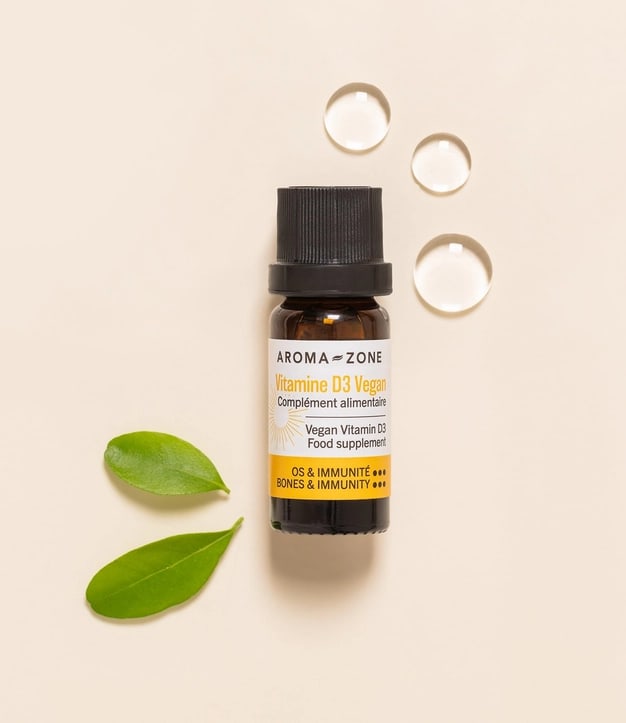
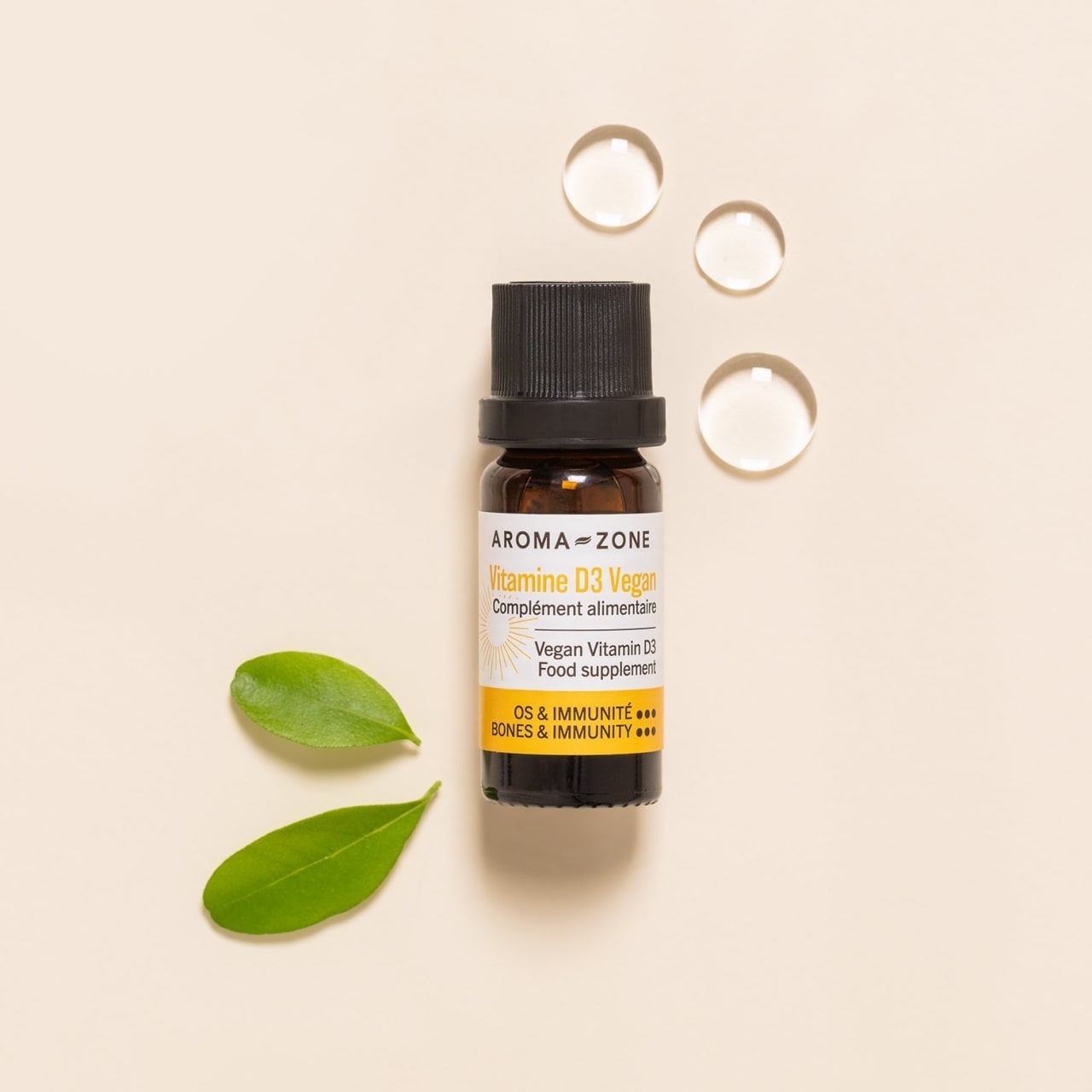
Numerous studies on Vitamin D report that it plays an important role in bone health, immunity, and mood, and that it may also be involved in cardiovascular health. With Vitamin D, it’s important to ensure you don’t become deficient, which is particularly common during the winter months.
Vitamin D and Bone Health
Among the best-known roles of Vitamin D is the prevention of bone diseases, such as rickets in children and osteomalacia in adults. Vitamin D plays an essential role in the intestinal absorption of calcium and phosphorus.
Studies suggest that Vitamin D deficiency may also be a risk factor for fractures, particularly hip fractures, in older adults. However, a meta-analysis of 81 randomised controlled trials showed that Vitamin D supplementation did not prevent falls or fractures or improve bone density. The participants’ baseline Vitamin D status, few of them were deficient, could partly explain these results, as could the dose or method of administration of Vitamin D.
Vitamin D and Immunity
Vitamin D is capable of modulating the innate immune system, our first line of defense against infections and other pathogens, as well as the adaptive immune system, by directly influencing the activation of T cells. Several studies highlight a link between Vitamin D deficiency and certain autoimmune diseases. There is growing evidence that Vitamin D supplementation may have a beneficial effect in people with autoimmune diseases.
Studies also suggest that having sufficient Vitamin D helps our bodies defend against viruses, particularly respiratory viruses. Vitamin D supplementation may be beneficial for improving overall resistance to respiratory infections, especially when taken daily.
Similarly, studies show that lower blood levels of Vitamin D increase the risk of respiratory tract infections, particularly in children, who are generally more susceptible to such infections. Vitamin D supplementation starting at birth can also delay the age of the first respiratory infection. The association between vitamin D status and COVID-19 has also been extensively studied. Researchers pooled the results of 27 meta-analyses and concluded that people with low Vitamin D levels had a higher risk of contracting COVID-19, developing a severe form of the disease, and even dying from it compared to people with sufficient Vitamin D levels. Taking Vitamin D supplements after contracting the virus may reduce the severity of the infection and the risk of death, thanks to Vitamin D’s anti-inflammatory and immunomodulatory properties.
We also recommend reading this article: Boosting Your Immune System Through Diet
Vitamin D and Emotional Well-being
According to researchers, a Vitamin D deficiency may be a risk factor for developing depressive symptoms. In fact, a lack of Vitamin D may impair the availability of certain neurotransmitters necessary for mental well-being. A meta-analysis of 18 randomised controlled trials reports that Vitamin D supplementation may help reduce depressive symptoms.
In fact, researchers believe that a lack of vitamin D may be involved in seasonal depression, which typically occurs in the fall and winter when the days grow shorter.