
After the age of 40, the skin gradually begins to show the effects of ageing. Cell renewal slows, collagen and elastin production decreases, and the skin gradually loses firmness. It may also become drier, lack radiance and show signs of ageing more easily. Wrinkles and dark spots may then become more noticeable. These changes are normal and form part of the skin’s natural ageing process. The key is to gently adapt your skincare routine to meet your skin’s changing needs.

What Beauty Routine Should You Adopt at 40?
Published on: Sunday, January 21, 2024, Updated on: Friday, October 02, 2026
At 40, skin starts to change. It can become drier, lose some firmness, and gradually look less radian. The first first fine lines often become more visible too, and the complexion can look less even. That doesn't mean you need to pile on the products, though: a few well-chosen treatments can cover the skin's main needs. Discover the right habits, the active ingredients worth prioritising, and the natural beauty routine we recommend after 40.
Contents
Related products
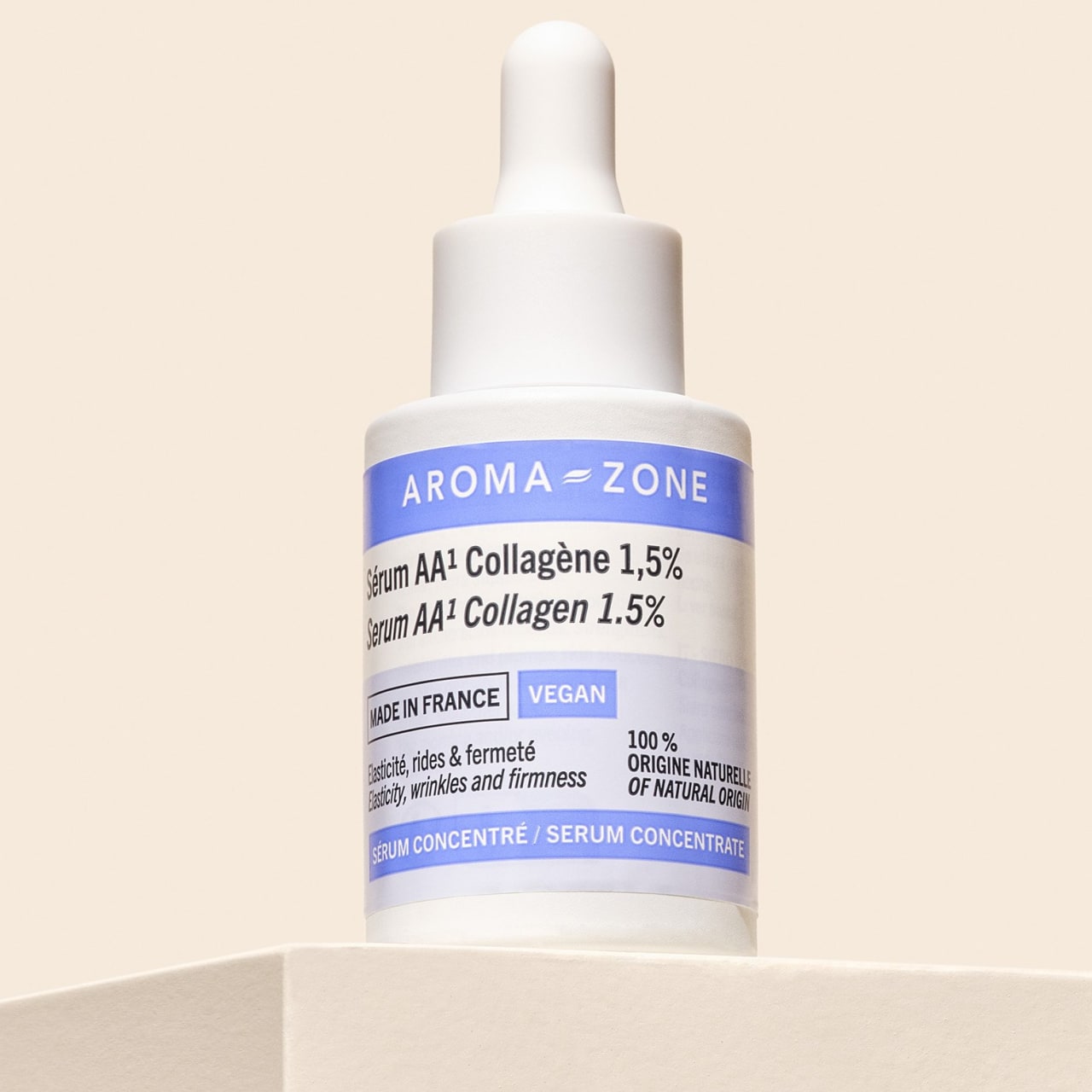
AA Collagen 1.5% Serum
Anti-ageing
Firming
£11.00
30 ml
4 options
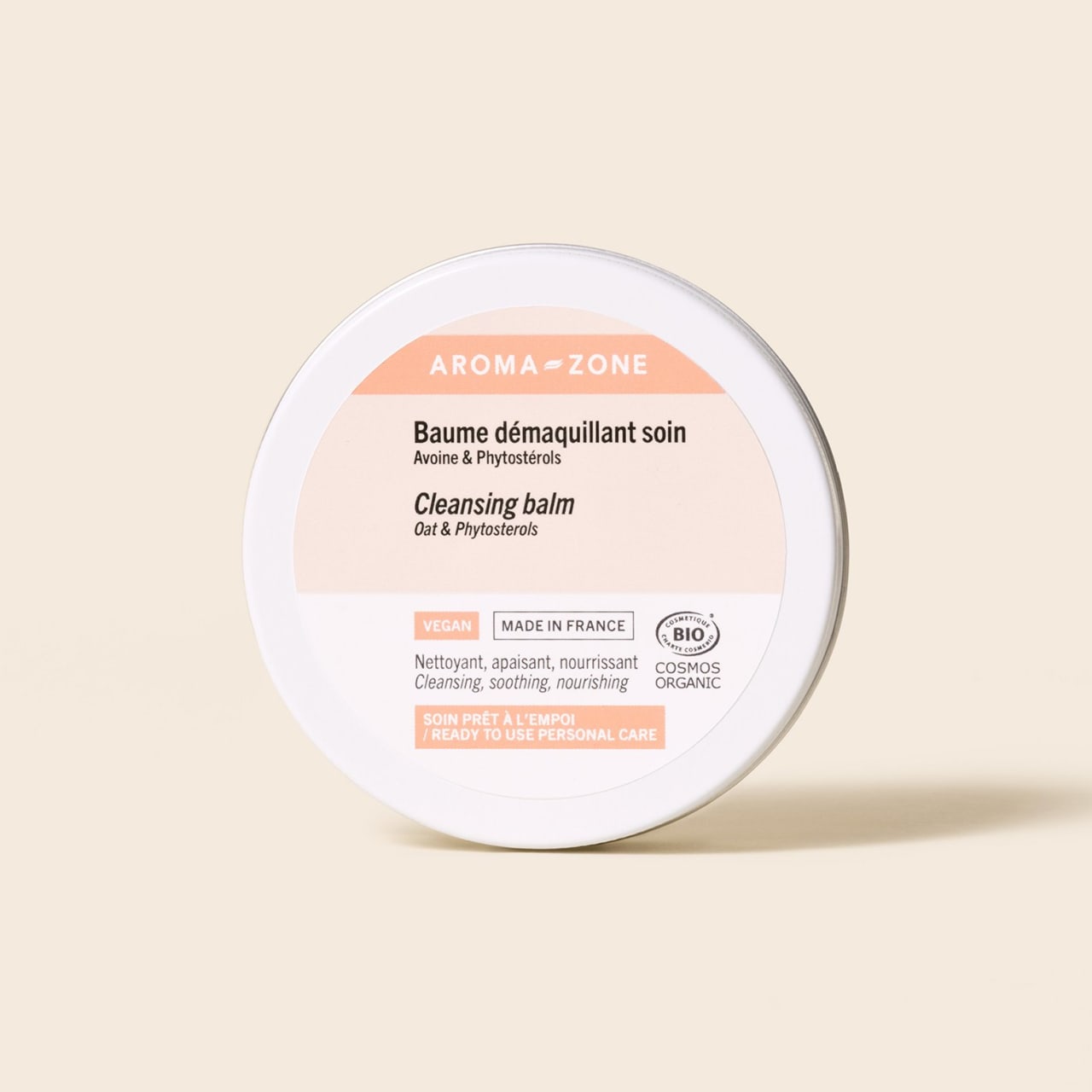
Oat & Phytosterols Makeup Removing Balm
Cleansing
Makeup remover
£10.00
80 ml
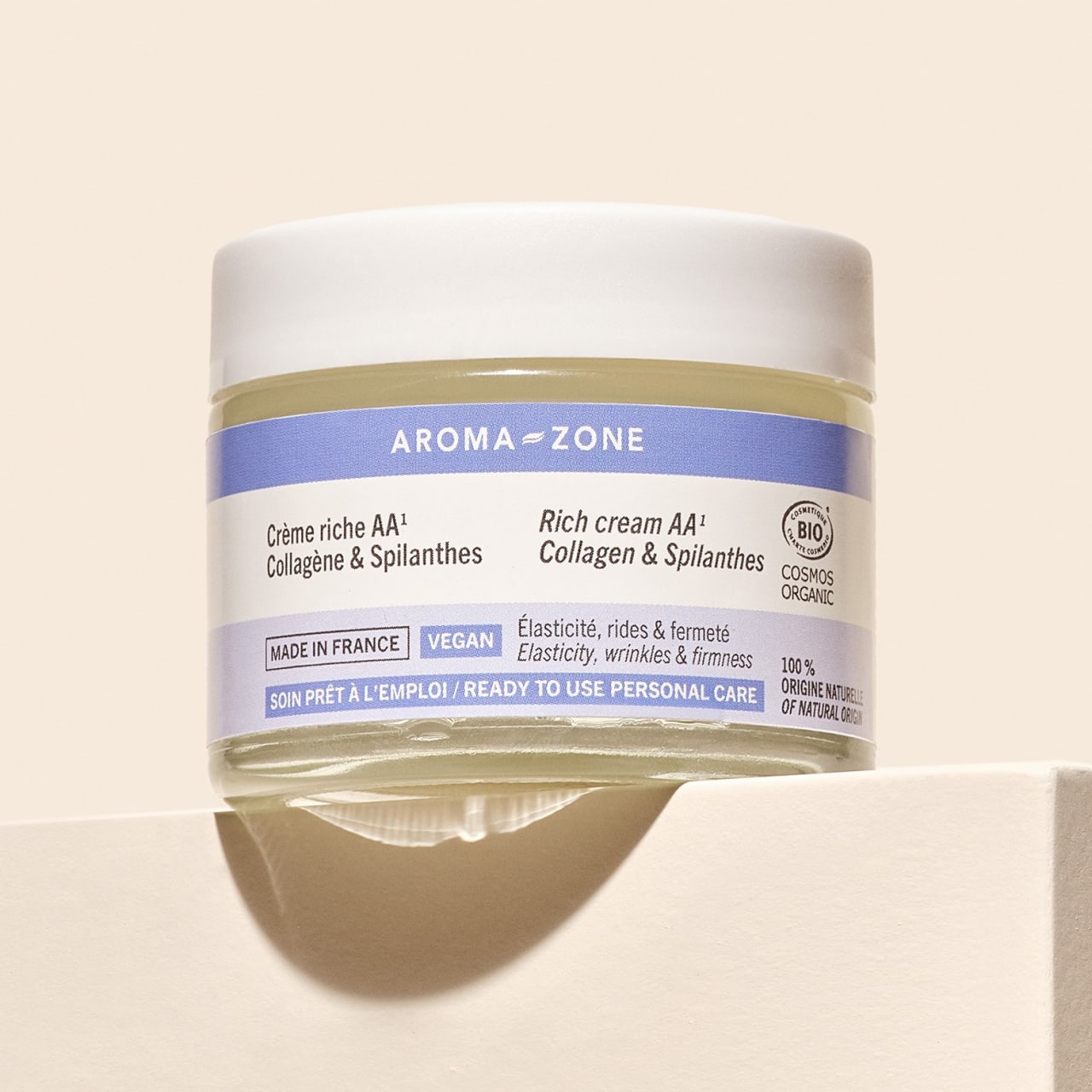
Vegan Collagen & Spilanthes Rich Cream
Smoothing
Anti-ageing
£12.00
50 ml
2 options
In brief
Aroma-Zone's approach to skincare after 40 is all about keeping your natural beauty routine simple, focusing on what genuinely helps skin stay youthful and radiant at this stage of life
The article shares eight practical tips, a quick three-minute read, with the full piece going into more detail on how to build the routine and put each step into practice.
Written by naturopath and parenting coach Marine Leleux, this extract doesn't cover any specific contraindications, interactions, or precautions, though the full article touches on mature skin, early wrinkles, serums, and facial care more broadly.
What changes in the skin from the age of 40?
Why does the skin change from the age of 40?
These changes aren’t just down to fine lines. After the age of 40, several of the skin’s processes change simultaneously. The skin’s structure alters, its renewal slows down, and hormonal changes can also affect its hydration, firmness and sensitivity. Let’s take a look at the skin changes that occur during this period:
Collagen and elastin production decreases
Collagen helps keep the skin firm, whilst elastin gives it its suppleness. As we age, the skin produces less of these. It gradually loses its firmness and wrinkles can become more visible, particularly around the eyes and mouth.
Skin renewal slows down
Skin cells take longer to renew themselves. Dead cells therefore remain on the skin’s surface for longer. The complexion may appear duller and the skin less smooth. Small marks and blemishes may also take longer to fade in mature skin.
Hormonal changes
Hormonal changes can also alter the appearance of the skin. As you approach menopause, the drop in oestrogen can make the skin drier, thinner and less firm. Some women also notice increased tightness or sensitivity.
The skin retains moisture less effectively
As we age, the skin can lose moisture more easily and become drier. It may then feel tight, lack suppleness or react more strongly to products that are too harsh. Moisturising and nourishing skincare products become particularly important for keeping your skin feeling comfortable.
The effects of sun exposure build up over time
Years of exposure to UV rays can also take their toll. The sun contributes to the breakdown of collagen and elastin and promotes the appearance of wrinkles and pigmentation spots. This is why sun protection remains important at any age, including after the age of 40. See also our article: What is photoageing of the skin?
What skincare routine should women over 40 follow?
To look after your skin after the age of 40, you can follow the routine below, incorporating a few targeted skincare products tailored to your skin’s needs. These simple steps can help maintain your skin’s comfort, radiance and firmness over time.
Step 1 – CLEANSE my skin
Oat & Phytosterols Make-up Removing Balm
A skincare formula that deeply cleanses the skin, removing make-up, impurities and pollution whilst respecting the hydrolipidic film. Enriched with biomimetic active ingredients and soothing oat oil, it leaves the skin feeling perfectly comfortable, without any greasy residue.
Recommended use: morning and evening, massage onto dry skin, moisten and then rinse with clean water.
Please note: this product has a shelf life of 9 months after opening and should be kept away from heat. Small droplets of oil may temporarily appear on the surface if exposed to heat, but this does not affect its quality.
Step 2 – TARGET my specific concerns
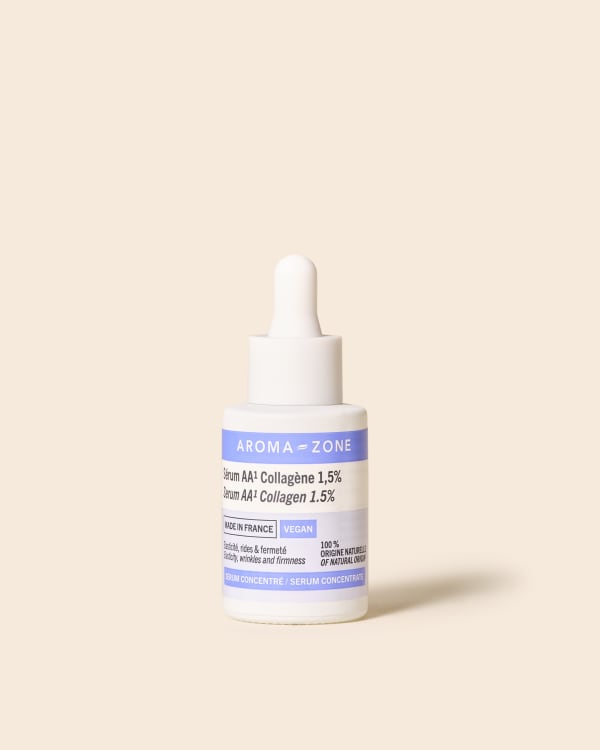
AA Collagen Serum 1.5%
Containing a 1.5 per cent concentrate of vegan collagen and hyaluronic acid, this treatment has been clinically proven to reduce wrinkle depth by 19 per cent*. Its biomimetic human collagen complex penetrates the deep layers of the epidermis, thanks to the low molecular weight of the peptides and amino acids, to redensify, plump and strengthen the skin’s structure.
Recommended use: morning and evening, apply a few drops of serum to clean skin all over the face and neck.
*Antera 3D® tested under dermatological supervision, 2 applications per day, on 20 volunteers over 28 days
Please note : this product has a shelf life of 9 months after opening; store away from heat.
Step 3 – MOISTURISE my skin
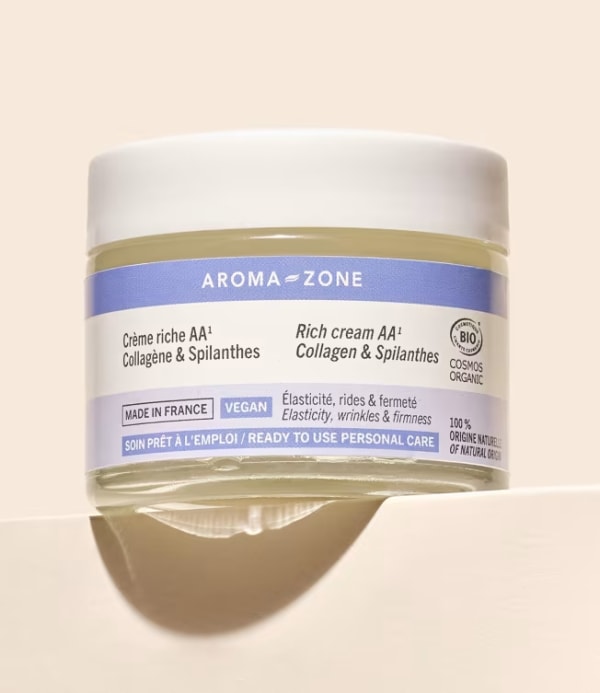
Rich Vegan Collagen & Spilanthes Cream
Its proven-effective formula targets the 8 signs of ageing. Spilanthes extract, with its plant-based ‘Botox’-like effect, and vegan collagen help to smooth, correct and prevent wrinkles and fine lines whilst intensely nourishing the skin.
Recommended use : morning and evening, apply to the entire face and neck.
Please note: this product has a shelf life of 9 months after opening; store away from heat and light.
Step 4 – ACTING FROM THE INSIDE – My dietary supplement
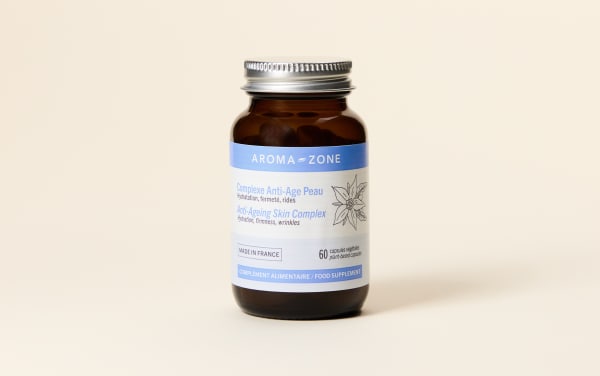
Anti-Ageing Skin Complex – Food supplement – 60 capsules
This supplement combines a patented active ingredient – Ceramosides™, a concentrate of wheat-derived ceramides whose effectiveness in improving skin firmness and elasticity has been clinically proven – with a blend of borage and evening primrose oils, rich in fatty acids that help maintain the skin’s elasticity.
Recommended use : take two capsules a day, with a glass of water.
Warning: store this product away from light, heat and moisture. Adhere to the recommended daily intake and keep out of reach of young children. For adult use only; not recommended for pregnant or breastfeeding women; excessive consumption may have a laxative effect.
How can you maintain a youthful and vibrant appearance after the age of 40?
After 40, a few habits can really make a difference. There's no need to chase wrinkle-free skin at all costs; that's not the goal! Good sun protection, a balanced diet, staying active, and a few well-chosen active ingredients can already go a long way:
Protect your skin from the sun: This is one of the best habits for minimising wrinkles and dark spots. Remember to use sun protection, and wear a hat, sunglasses, and covering clothing when the sun is strong.
Develop good habits: Cleansing, moisturising and protecting your skin are enough to cover the basics. A few good skincare products used regularly are often more beneficial than using lots of products at once.
Include retinol in your routine: It’s known to help improve the appearance of wrinkles, dark spots and skin texture. Ideally, introduce it gradually – once a week to start with, then two or three times a week, and finally once a day if desired, especially if you’ve never used it before.
Don’t forget vitamin C: It helps protect the skin against oxidative stress and can help brighten the complexion. It’s generally used in the morning, before sun protection.
Don’t neglect your neck and décolletage: These areas are also exposed to the sun and can show signs of ageing. Apply your skincare products to them whenever possible.
Get out and about regularly and enjoy yourself: Walking, cycling, swimming, dancing… whatever the activity, as long as you enjoy it. Exercise helps maintain strength, mobility and good physical fitness.
Do some strength training: After 40, maintaining your muscle tone becomes particularly important. Just two sessions a week can help you stay looking energetic (9).
Look after your sleep: Too few hours’ sleep can quickly make you look tired. Regular sleep also helps the body to recover properly.
Eat a varied and colourful diet: Vegetables, fruit, protein, pulses, whole grains and healthy fats all have their place in a balanced diet. You don’t need a miracle food.
Limit your tobacco and alcohol intake: Tobacco accelerates skin ageing, and alcohol can exacerbate dehydration or redness in some people (10).
Be mindful of your posture: A toned back, open shoulders, and good mobility naturally give you a more dynamic appearance. Strength training and stretching can help.
Carry on doing what makes you feel good: Going out, walking, seeing loved ones, taking up a hobby, or learning something new. Being fit and feeling good in your own skin matters as much as how your skin looks.
What are the common mistakes to avoid after the age of 40?
At 40, your skin doesn’t need you to try to make it look like it did at 20. It simply has different needs. One common mistake is using too many products and active ingredients to tackle every little wrinkle, dark spot, or loss of firmness. Over time, this can actually leave your skin feeling irritated and uncomfortable. Exfoliating too often, using several powerful active ingredients at once, or changing your skincare routine too often aren’t necessarily good ideas.
It’s also easy to focus solely on the signs of ageing and forget about the rest. Skin with a few wrinkles, dark spots or a loss of firmness is still normal skin. Looking after yourself doesn’t mean trying to erase everything. Good sun protection, well-hydrated skin, a varied diet, sleep and regular exercise are far more beneficial in the long term than trying to keep up with the latest anti-ageing trends. The main aim is to look after your skin as it is today, without expecting it to look like it did twenty years ago.
Precautions for use
The advice provided in this article is for information purposes only. It is in no way a substitute for the expert advice of your dermatologist. When using natural remedies or dietary supplements, always ensure you read the product information leaflet carefully and follow the dosage instructions precisely. For topical applications, it is recommended that you carry out a patch test 48 hours beforehand.
Expert advice
What if looking after your skin were, above all, a way of looking after yourself? Over the years, our skin changes naturally: the first wrinkles appear, the complexion may change, and firmness isn’t quite what it used to be. These small changes also tell our story and are part of the beauty of every age. At 40, it can be lovely to take a fresh look at your skin, with greater gentleness and kindness. Skincare supports this process, maintains comfort, and enhances your skin’s radiance without trying to change everything. Feeling good in your own skin, building self-confidence, and learning to appreciate your face as it changes are also wonderful ways to look after yourself.
Spotlight on Our Naturopathic Writer: Marine Leleux

Marine is a naturopath specialising in children's well-being and a parenting coach. With 10 years' experience in supporting families, she draws on her experience to help her community by sharing natural, caring advice.
Bibliography
French Society of Dermatology. (2019). Skin ageing. Dermato-Info.
https://dermato-info.fr/les-conseils-et-tutos-peau/tout-savoir-sur-la-peau-normale/le-vieillissement-de-la-peau
American Academy of Dermatology Association. (25 May 2021). Retinoid or retinol?
https://www.aad.org/public/everyday-care/skin-care-secrets/anti-aging/retinoid-retinol
American Academy of Dermatology Association. (n.d.). Anti-ageing skincare.
https://www.aad.org/public/everyday-care/skin-care-secrets/anti-aging
American Academy of Dermatology Association. (n.d.). How to select anti-ageing skincare products.
https://www.aad.org/public/everyday-care/skin-care-secrets/anti-aging/selecting-anti-aging-products
American Academy of Dermatology Association. (n.d.). Skin care in your 40s and 50s.
https://www.aad.org/public/everyday-care/skin-care-basics/care/skin-care-in-your-40s-and-50s
Bravo, B., Correia, P., Gonçalves Junior, J. E., Sant’Anna, B., & Kerob, D. (2022). Benefits of topical hyaluronic acid for skin quality and signs of skin ageing: From literature review to clinical evidence. PubMed.
https://pubmed.ncbi.nlm.nih.gov/36200921/
Oyetakin-White, P., Suggs, A., Koo, B., Matsui, M. S., Yarosh, D., Cooper, K. D., & Baron, E. D. (2015). Does poor sleep quality affect skin ageing?
https://pubmed.ncbi.nlm.nih.gov/25266053/
Solway, J., McBride, M., Haq, F., Abdul, W., & Miller, R. (2020). Diet and dermatology: The role of a whole-food, plant-based diet in preventing and reversing skin ageing—A review. PubMed. 14
https://pmc.ncbi.nlm.nih.gov/articles/PMC7380694/
Buch, A., Kis, O., Carmeli, E., Keinan-Boker, L., Berner, Y., Barer, Y., Shefer, G., Marcus, Y., & Stern, N. (2017). Circuit resistance training is an effective means to enhance muscle strength in older and middle-aged adults: A systematic review and meta-analysis. PubMed.
https://pubmed.ncbi.nlm.nih.gov/28457933/
Goodman, G. D., Kaufman, J., Day, D., et al. (2019). Impact of Smoking and Alcohol Use on Facial Ageing in Women: Results of a Large Multinational, Multiracial, Cross-sectional Survey. Journal of Clinical and Aesthetic Dermatology. PubMed.
https://pubmed.ncbi.nlm.nih.gov/31531169/



