
Common name: Tranexamic acid
Category: Synthetic derivative of the amino acid lysine
Origin: Synthetic (derived from lysine through structural modification)
Form: White crystalline powder
INCI Name: Tranexamic Acid
For: Dull complexions, pigment spots, skin prone to pigmentation disorders (lentigo, melasma, etc.)
Functions: Skin-evening, brightening, soothing, anti-inflammatory
Dosage in custom-formulated cosmetics: 1 to 3%, to be incorporated into the aqueous phase at less than 50°C
Solubility: Water-soluble

Tranexamic Acid: the powerful active for dark spots and uneven skin tone
By Delphine Duc
Published on: Monday, June 16, 2025, Updated on: Wednesday, September 30, 2026
Tranexamic acid is a star ingredient in skin-evening and anti-dark spot treatments. Originally used in medicine, it has found a prominent place in cosmetic formulas over the past several years, particularly for brightening dull complexions and reducing pigmentation irregularities. Where does this ingredient come from and how does it work on the skin? Discover everything you need to know about tranexamic acid and its uses!
Contents
Related products
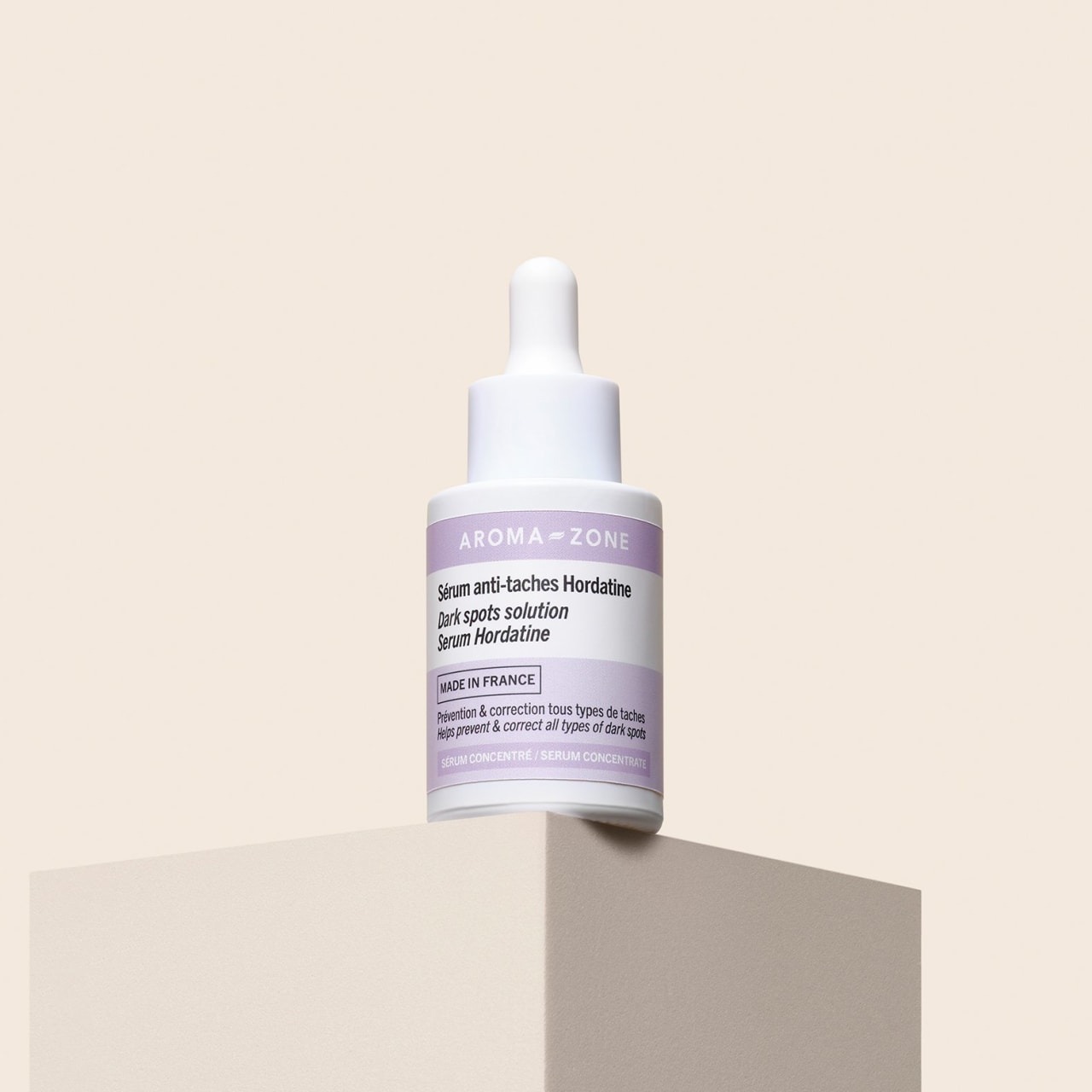
Hordatine & Liquorice Extract Serum
Anti-dark spots
Unifying
£11.00
30 ml
2 options
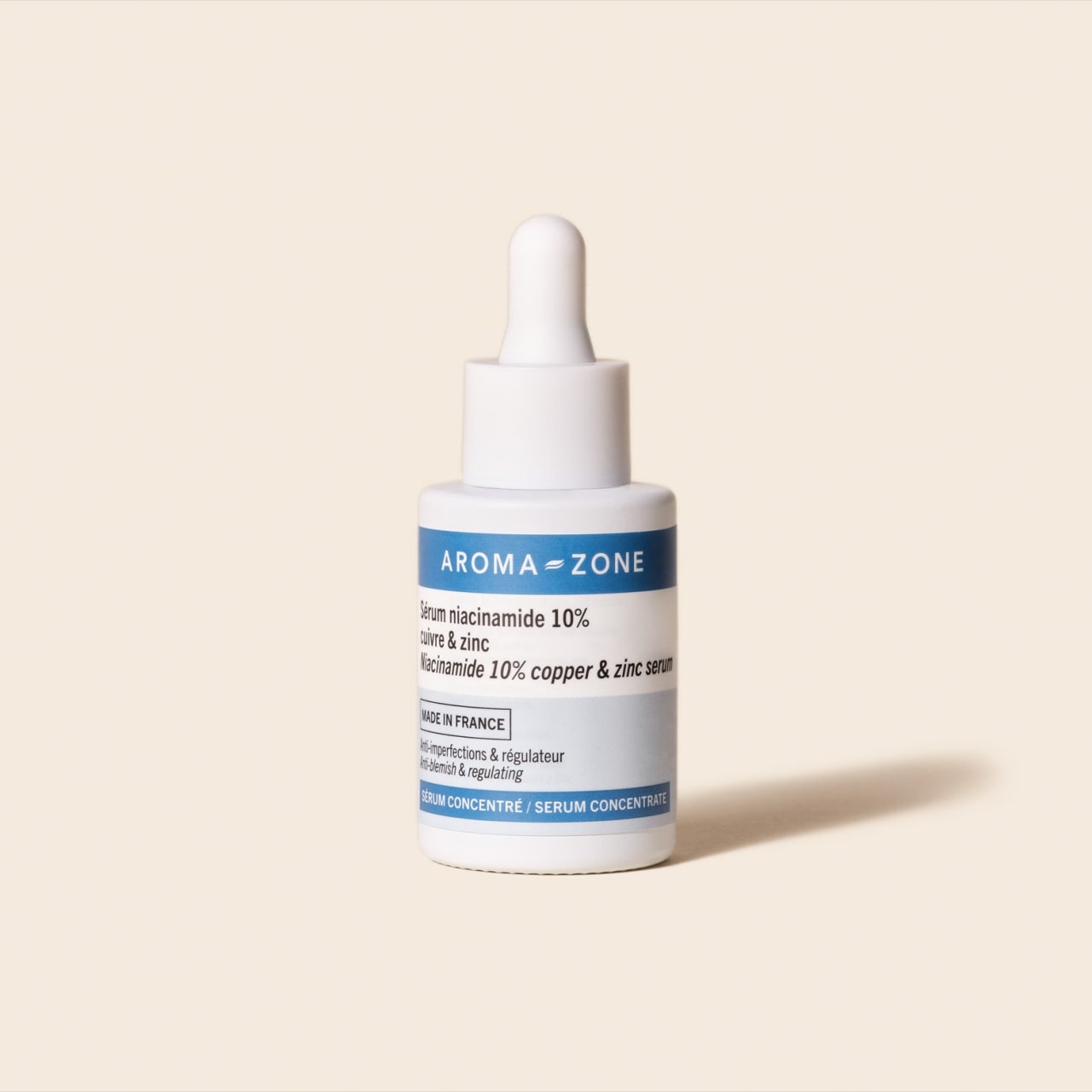
Niacinamide 10%, Copper & Zinc Serum
Anti-blemishes
Sebum-regulating
£8.00
30 ml
4 options
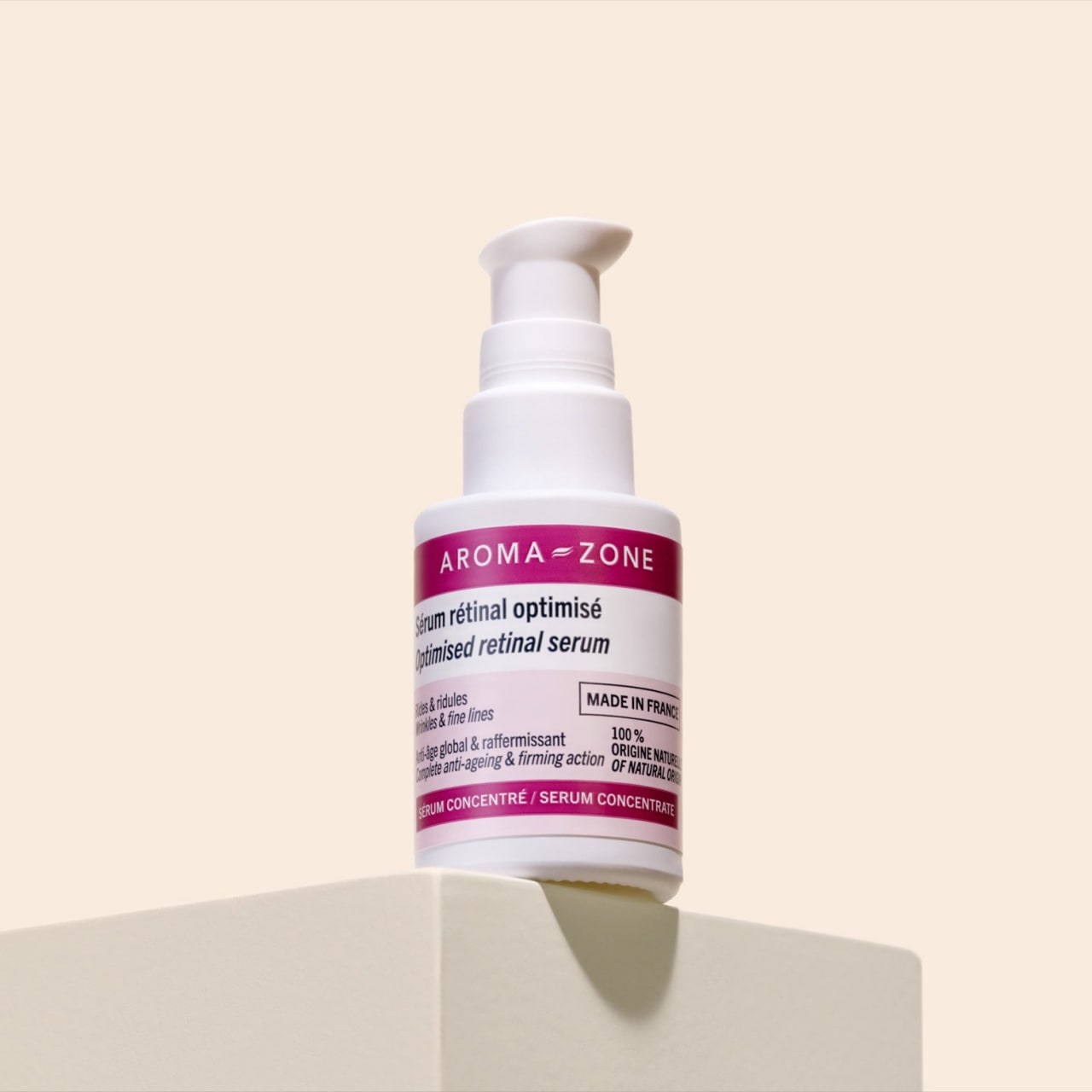
Optimised Retinal Serum
Anti-ageing
Anti-wrinkle
£9.00
30 ml
2 options
Ingredient profile
Definition: structure, origin, types, and how it works
Tranexamic acid is a synthetic derivative of lysine, an essential amino acid, naturally present in our bodies. It was initially developed in the 1960s as an antifibrinolytic agent (limiting clot breakdown, or fibrinolysis, which is the final stage of the normal clotting process). In cosmetics, it is valued for its ability to inhibit tyrosinase (a key enzyme in melanin production) and inflammatory factors.
Its mechanism of action is primarily based on:
Inhibiting activated plasminogen, thereby reducing inflammation and associated hyperpigmentation: In fact, tranexamic acid (TXA) acts by inhibiting the conversion of plasminogen into plasmin, an enzyme involved in inflammatory processes and the production of melanin. By blocking this conversion, TXA reduces skin inflammation and the associated hyperpigmentation, particularly by disrupting the interaction between keratinocytes and melanocytes.
Indirect inhibition of tyrosinase, thereby limiting melanin production: TXA indirectly inhibits tyrosinase, a key enzyme in melanin synthesis. This activation leads to a decrease in the expression of tyrosinase and proteins associated with melanogenesis, thereby reducing the production of melanin, which is responsible for skin pigmentation. Dark spots result from excessive melanin production in certain areas of the skin; reducing its production helps combat dark spots.
Local anti-inflammatory action, beneficial for skin prone to redness: TXA has anti-inflammatory properties that make it beneficial for skin prone to redness. It works by inhibiting the activity of plasmin, a proteolytic enzyme (which breaks down proteins) primarily known for its role in the fibrinolytic system (the body’s ability to dissolve blood clots). Plasmin breaks down the extracellular matrix—such as collagen or fibrin—which promotes local inflammation. Inhibiting this enzyme thus reduces the release of inflammatory mediators such as prostaglandins and cytokines, helping to soothe the skin and reduce redness.
Note
There are also modified forms of tranexamic acid, such as encapsulated versions (liposomes, niosomes) or those combined with other active ingredients (kojic acid, niacinamide) to improve their bioavailability.
What are the benefits for the skin?
Given TXA’s main actions, several resulting benefits for the skin can be noted:
Evens out the complexion
Tranexamic acid works on two complementary levels to even out the complexion:
Upstream, it inhibits the conversion of plasminogen into plasmin. By limiting these pro-inflammatory signals, it slows down the activation of melanocytes by keratinocytes, thereby preventing inflammation-related overproduction of melanin (particularly in cases of post-inflammatory hyperpigmentation).
Downstream, it indirectly acts on tyrosinase, the key enzyme in melanogenesis. Studies have shown that TXA activates the ERK pathway and the autophagy process, leading to a reduction in the expression of tyrosinase and pigmentation-associated proteins in melanocytes.
Note
These two combined mechanisms allow tranexamic acid to act both to prevent and correct pigmentation spots, making the complexion visibly more even without compromising the skin barrier.
Reduces pigmentation spots
Tranexamic acid is known for its effectiveness on established hyperpigmentation spots, particularly sunspots, post-acne spots, and hormonal spots (such as melasma). By blocking the cellular signals that activate melanocytes, it helps gradually fade existing spots. Its action is enhanced when combined with other skin-brightening ingredients (kojic acid, niacinamide).
Prevents post-inflammatory hyperpigmentation (PIH)
After skin trauma (acne, hair removal, sun exposure, chemical peels, laser treatments), the skin may develop residual dark spots. Thanks to its anti-inflammatory and anti-melanogenesis effects, tranexamic acid is particularly effective in preventing post-inflammatory hyperpigmentation. It is used for this purpose in aesthetic dermatology in the weeks following invasive procedures.
Brightens dull complexions
Beyond its effect on dark spots, tranexamic acid revitalises tired or dull complexions. It works indirectly by improving pigment regulation and underlying micro-inflammation, which can make the skin appear brighter. When combined with active ingredients like niacinamide or azelaic acid, it delivers a natural “glow” without irritating sensitive skin.
Soothes sensitive skin
The anti-inflammatory effect of tranexamic acid isn’t just beneficial for pigmentation. By limiting the production of cytokines and inflammatory mediators, it helps soothe reactive or redness-prone skin. This makes it a valuable ingredient in skincare for sensitive or rosacea-prone skin, working in tandem with other soothing active ingredients such as centella asiatica or licorice.
What are the different uses of tranexamic acid?
In cosmetics
Skin-evening or anti-dark spot serums: Used to target pigmentation spots (sunspots, post-acne marks, mild melasma), tranexamic acid regulates melanin production and helps prevent pigmentation from recurring.
Post-acne or post-laser care: It helps prevent or reduce post-inflammatory hyperpigmentation by soothing the skin and blocking inflammatory signals that stimulate melanocytes.
Anti-dullness day creams: By improving skin tone evenness and reducing pigmentation irregularities, it restores the face’s radiance.
Radiance masks: Incorporated into hydrating or smoothing masks, it acts on the surface to fade shadows and dark areas, providing a brightening effect in just a few applications!
Eye contour care: Useful in treatments targeting melanin-based pigmented dark circles (so-called "brown" dark circles), as it reduces localised melanin production. Note: not suitable for bluish dark circles related to microcirculation, as this active ingredient would have no effect on this issue!
In aesthetic medicine
Mesotherapy or microneedling injections: When administered intradermally or combined with microneedling techniques, tranexamic acid penetrates deeper to reduce moderate to severe melasma or pigment spots resistant to topical treatments. Its targeted action is faster but requires strict medical supervision to avoid side effects.
Our natural alternatives
We do not yet offer pure tranexamic acid in our catalogue. However, you can find alternatives with similar benefits in:
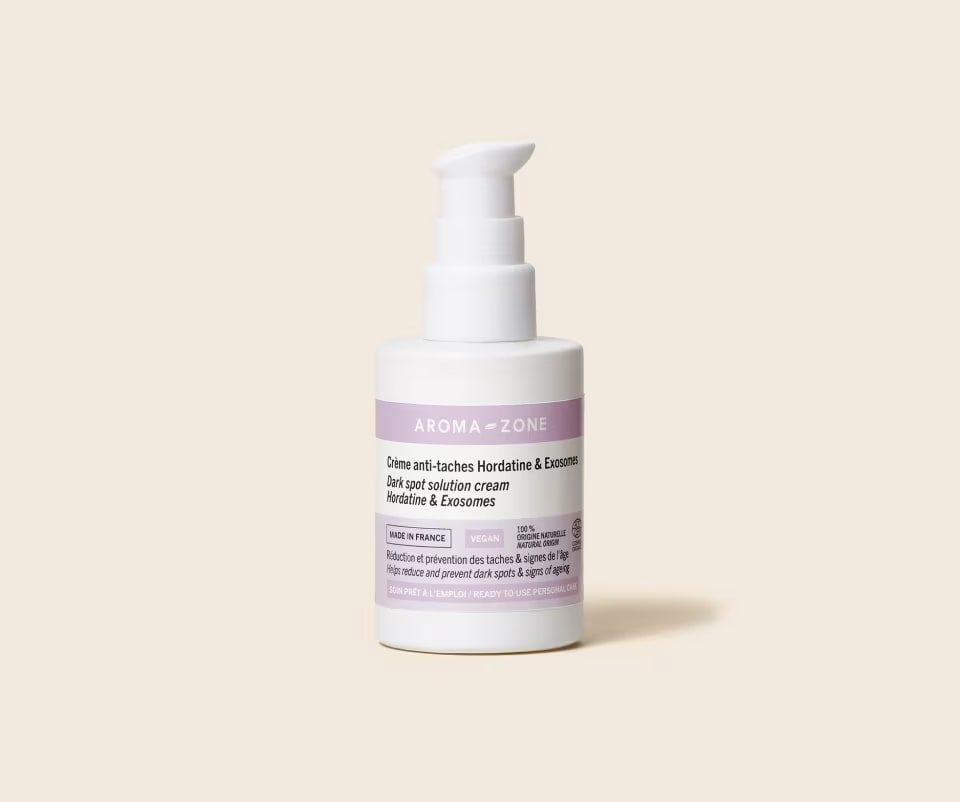
Licorice Extract: soothes and evens out skin tone; it’s found in our Hordatine and Licorice Extract Anti-Dark Spot Serum. This clinically proven serum, specially formulated for all skin tones, offers a triple action: anti-dark spot, anti-ageing, and radiance. Its formula combines Hordatine, Niacinamide, and Licorice Extract to target dark spots on all skin types. For a luminous, even complexion.
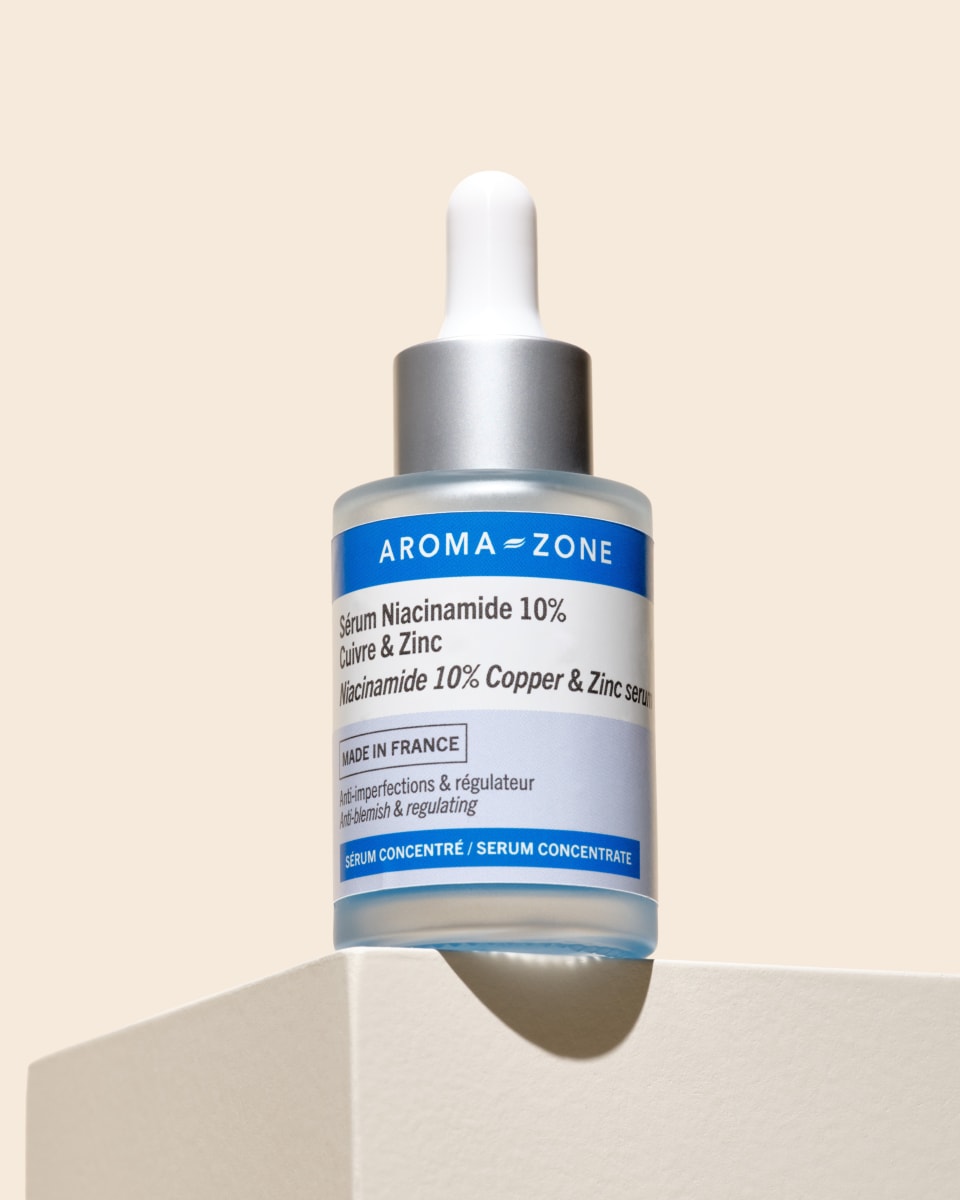
Niacinamide: regulates melanin production and strengthens the skin barrier. You can find niacinamide in our 10% Niacinamide, Copper, and Zinc Concentrated Serum or as an active ingredient for your custom formulations. Our proven-effective serum tightens pores, regulates sebum production, prevents blemishes, and reduces redness and dark spots. Enriched with hydrating hyaluronic acid, it evens out skin tone and refines skin texture. When used as a hair care product, Niacinamide stimulates keratin production, strengthens hair, restores volume, and balances the scalp. For flawless skin and beautiful hair!
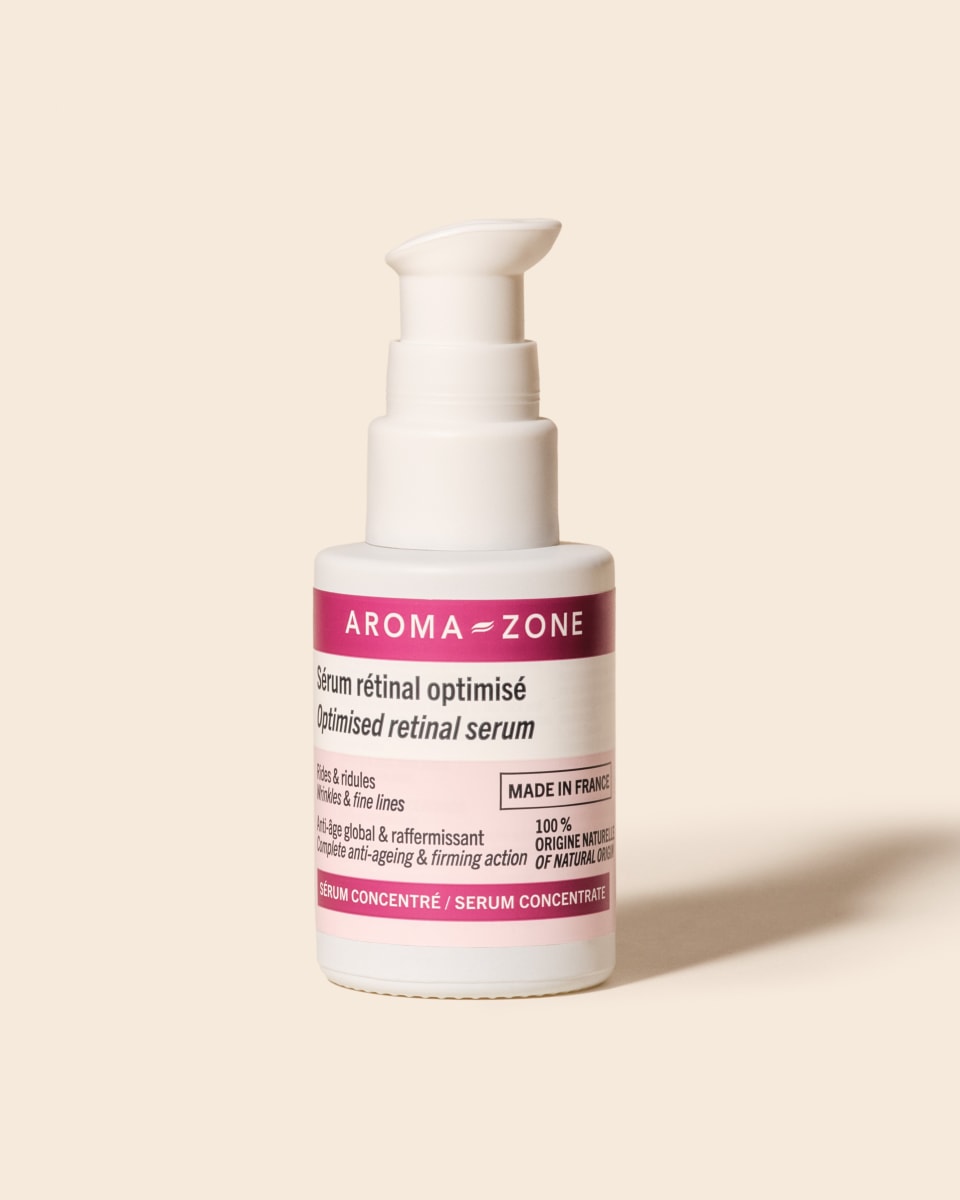
Retinal: comprehensive anti-ageing with anti-inflammatory action. Check out our Optimised Retinal Concentrated Face Serum. This serum is concentrated in retinal, an essential multi-targeted active ingredient against the signs of ageing. It firms the skin, reduces wrinkles and fine lines, fades dark spots, and brightens the complexion. Well-known for its effectiveness against blemishes, it has anti-inflammatory properties, reduces impurities, purifies, evens out skin tone, and helps regulate oily skin.
Combinations and compatibility
According to scientific studies, TXA is compatible with:
Niacinamide (vitamin B3)
Kojic acid
Stabilised vitamin C (ascorbyl glucoside)
Avoid combining with (risk of irritation):
Exfoliating acids that are too potent with a low pH (such as strong AHAs)
High-concentration retinoids without supervision
Storage instructions
Away from light, moisture and heat: It is recommended to store tranexamic acid in a dry place, away from moisture, heat and light.
Room temperature < 25°C: Although specific recommendations for tranexamic acid are limited, it is generally recommended to store sensitive cosmetic ingredients at a room temperature below 25°C to preserve their stability.
To prevent contamination or degradation, it is important to store tranexamic acid in a tightly closed container.
Contraindications and precautions
Do not use undiluted on the skin
Not recommended for direct application on sensitive, irritated skin, or skin with open wounds.
Do not exceed 3% in your custom cosmetic formulations
For external use only.
Always perform a patch test on the inner elbow 24 hours before use
Introduce gradually into your routine, especially for sensitive skin (start at 1% or 2%).
If a reaction occurs (redness, itching, discomfort), space out applications or discontinue use.
Daily sun protection is essential while using tranexamic acid skincare products, as they may increase skin sensitivity to UV rays.
Spotlight on Our Specialist Writer: Delphine Duc

Delphine is a biological engineer specialising in cosmetology. Passionate about cosmetics for almost ten years, she began making her own skincare products with Aroma-Zone ingredients to address her skin concerns. She then trained as a cosmetologist before creating her own bespoke cosmetics brand to address each person’s individual skin concerns.
Bibliography
Akl, M. A. et al. (2022). Tranexamic Acid: A Promising Melasma Treatment Modality, Past and Future Treatment Regimen. ResearchGate. https://www.researchgate.net/publication/359497636_Tranexamic_acid_a_Promising_Melasma_Treatment_Modality_Past_and_Future_Treatment_Regimen
Batra, J. et al. (2022). Tranexamic Acid in Melasma: Comparative Evaluation of Therapeutic Efficacy of Oral Tranexamic Acid versus Its Transepidermal Administration. Cosmetics, 9(5), 108. https://pubmed.ncbi.nlm.nih.gov/37035597/
Chen, T., Xue, J., & Wang, Q. (2024). Tranexamic Acid for the Treatment of Hyperpigmentation and Telangiectatic Disorders Other Than Melasma: An Update. Clinical, Cosmetic and Investigational Dermatology, 17, 2151–2163. https://pubmed.ncbi.nlm.nih.gov/39350932/
Desai, S. et al. (2019). Effect of a Tranexamic Acid, Kojic Acid, and Niacinamide Containing Serum on Facial Dyschromia: A Clinical Evaluation. Journal of Drugs in Dermatology, 18(5), 454. https://jddonline.com/articles/watch-video-abstract-effect-of-a-tranexamic-acid-kojic-acid-and-niacinamide-containing-serum-on-facial-dyschromia-a-clinical-evaluation-S1545961619P0454X
Manosroi, A., et al. (2002). Development of Novel Topical Tranexamic Acid Liposome Formulations. International Journal of Pharmaceutics, 235(1–2), 61–70. https://pubmed.ncbi.nlm.nih.gov/11879740/
Lindgren, A. L., et al. (2021). The Use of Tranexamic Acid to Prevent and Treat Post-Inflammatory Hyperpigmentation. Journal of Drugs in Dermatology, 20(3), 344. https://jddonline.com/articles/the-use-of-tranexamic-acid-to-prevent-and-treat-post-inflammatory-hyperpigmentation-S1545961621P0344X/?_page=2
Let's Make Beauty. (2024). The Ultimate Guide to Tranexamic Acid for Skincare Formulations. https://www.letsmakebeauty.com/blog/post/The-Ultimate-Guide-to-Tranexamic-Acid-for-Skincare-Formulations?srsltid=AfmBOorqH8vTjelOTK7RBJbd0NmHhQKypLCDU8pj4Ys24_UM2o5xM21x
Taraz, M. et al. (2017). Tranexamic acid in the treatment of melasma: A comprehensive review of clinical studies. Dermatologic Therapy, 30(3). https://onlinelibrary.wiley.com/doi/abs/10.1111/dth.12465.
Frequently Asked Questions
Associated tip
Natural actives


