Sleep Paralysis: Causes, Symptoms, and Remedies

Sleep Paralysis: Causes, Symptoms, and Remedies


By Lou Dumas

Published on: Tuesday, October 10, 2023, Updated on: Monday, November 02, 2026

Although deeply unsettling for those who experience it, sleep paralysis is considered harmless by medical professionals. Can natural remedies help ease it effectively?

Discover in this article what sleep paralysis means from a physiological standpoint, how to prevent it naturally, and what to do if it happens to you.

Contents

Related products

What is sleep paralysis? Definition

The definition of sleep paralysis describes a transient state in which a person is awake but feels unable to move, speak, or scream, as if frozen in place. These sensations may or may not be accompanied by visual and auditory hallucinations, or oppressive sensations and images of a threatening presence (shadows, dark masses, buzzing sounds).

Sleep paralysis always occurs during the REM sleep phase, when brain activity is particularly intense.

Halfway between wakefulness and sleep, this sleep disorder belongs to the category of parasomnias. It's estimated that around one in five people experience it at some point in their lives, with some experiencing it repeatedly.

What are the symptoms of sleep paralysis?

Distinct from nightmares or night terrors, sleep paralysis is characterised by unpleasant sensations, particularly intense feelings of pressure, suffocation, or floating, that occur when the person is aware of their surroundings while asleep.

The body is then in a general state of muscle atony (except for the eye movements under the eyelids known as REM, or Rapid Eye Movements), and the person is gradually overcome by significant psychological stress.

These phenomena are harmless and occur when waking is actually only partial. It is the transition between dream and reality that gives rise to these isolated or repeated episodes, which can even lead those experiencing them to believe that death is near.

When sleep paralysis occurs frequently, it can fuel anxiety about going to bed, falling asleep, and thus reliving that same uncomfortable experience.

What causes sleep paralysis?

Sleep paralysis, explained. This phenomenon is generally observed in response to:

  • Changes in sleep habits (interrupted nights following childbirth, night shifts, jet lag, irregular sleep schedules, temporary sleep deprivation, etc.)

  • Taking medications with side effects linked to sleep paralysis

  • Alcohol or drug use

  • Overwork

  • Genetic factors

  • Other sleep disorders such as narcolepsy, restless legs syndrome, or sleep apnoea

  • Neurological disorders (although this is rarer)

  • Hormonal imbalances

If you regularly experience sleep paralysis and it's a cause for concern, we recommend consulting a doctor to assess your situation and discuss further testing options.

How long does sleep paralysis last?

The experience of sleep paralysis generally lasts between a few seconds and just a few minutes, although it varies greatly from person to person. This is usually the amount of time it takes for the person affected to become aware of the situation and then regain control of their movements.

Although fleeting yet disorienting, it can nevertheless leave a lasting impact on the person affected, who feels completely helpless in the face of this phenomenon.

Sleep paralysis: what to do during an episode?

Let’s first examine the moment of an episode: how do you break free from sleep paralysis? 

If you sleep with a partner, you can agree in advance on one or more signals to use during an episode: a grunt, for example. Since external stimuli can end sleep paralysis, a simple touch from your partner will be enough to snap you out of this state for good.

If this isn’t the case, it’s important to put things into perspective. As unpleasant as they may be, episodes of sleep paralysis are extremely brief and harmless. Simply reminding yourself of these facts during an episode will prevent you from overreacting unnecessarily.

Sleep paralysis: are there any treatments?

There is no specific medication to treat sleep paralysis. However, certain treatments may be prescribed to address one or more of its underlying causes.

And here’s the good news: focusing on improving hygiene and lifestyle habits yields satisfactory results for this debilitating yet benign sleep disorder.

How to Avoid Sleep Paralysis? Our Natural Tips

Here is Aroma-Zone’s list of natural tips to implement immediately so that sleep paralysis will no longer scare you.

First and foremost, make sure you are not taking any medications whose side effects could include sleep paralysis. To do this, carefully read the package inserts for your medications and/or consult your doctor and pharmacist. If your research yields results, try to find an alternative that poses no risk in this regard.

If applicable, ask yourself if you’ve recently experienced significant changes in your daily routine, particularly at night. If so, reorganise your schedule to ensure you stick as closely as possible to your sleep needs (naps, breaks, shifts).

Next, general tips for taking care of your sleep are obviously relevant in the context of sleep paralysis:

  • Avoid blue light from screens at least one hour before bedtime or even longer if possible

  • Reserve stimulants for the morning (coffee) or special occasions (alcohol)

  • Eat a light dinner early to allow time for digestion to begin: raw vegetables, vegetable soups, steamed vegetables, gluten-free grains, compotes with no added sugar.

  • Adopt a regular routine for managing stress in the broadest sense, such as meditation, breathing exercises, yoga or qi gong, sophrology sessions, sound baths, etc. Any relaxation technique can serve this purpose, and 5 minutes a day is sufficient

  • Engage in physical activity during the day: This involves making sure you get adequate physical activity through walking, swimming, cycling, running, etc., but not too close to bedtime to avoid the "stimulating" effect of endorphins released in the hours following the activity;

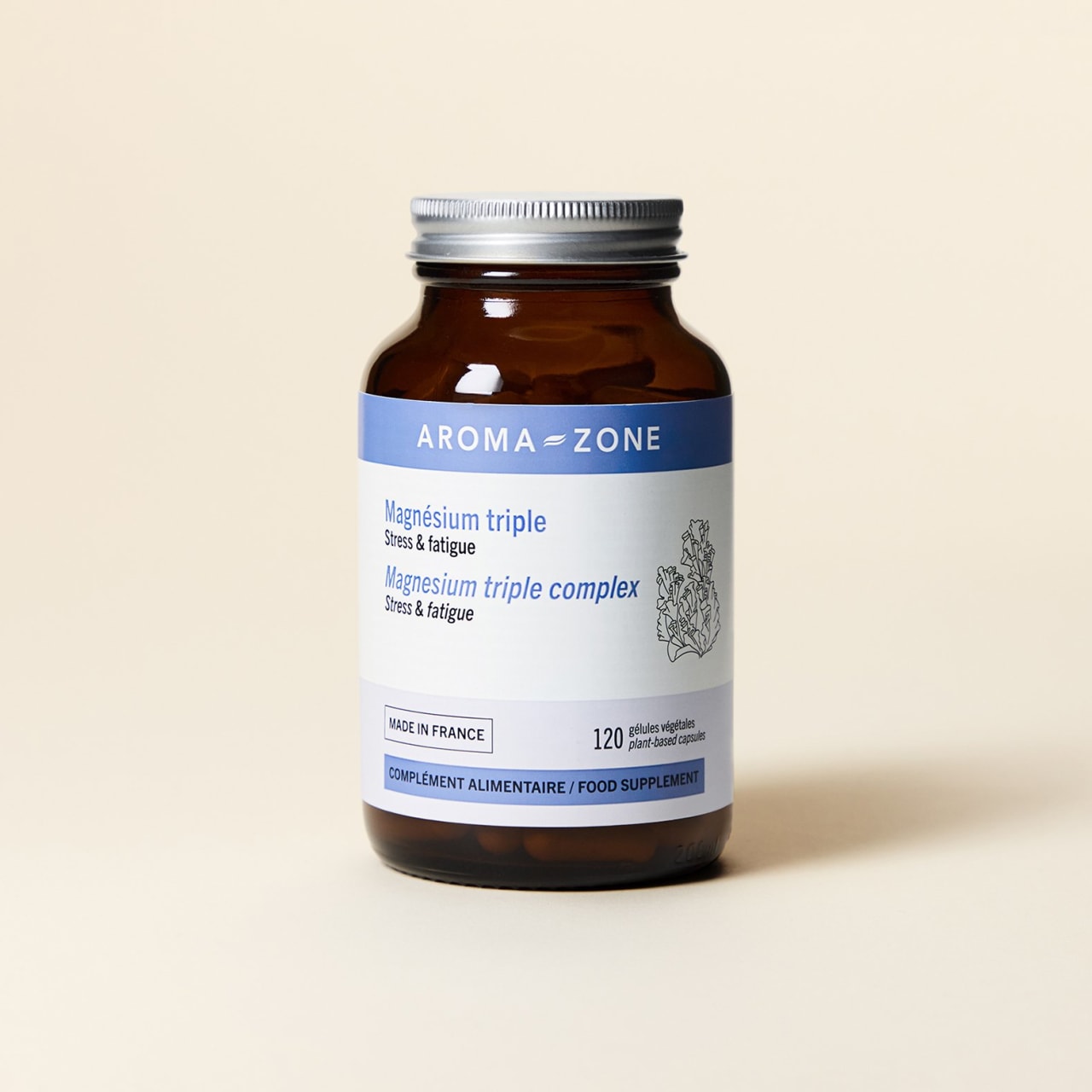
  • Take regular supplements of Triple Magnesium Complex: This dietary supplement helps reduce fatigue and contributes to the normal functioning of the nervous system. It is estimated that 80% of the population is currently deficient in magnesium. Take 1 to 3 capsules daily, with a glass of water. Note: For adults only. Pregnant or breastfeeding women should consult a healthcare professional before taking any supplements. Magnesium may have a laxative effect in some people. Organic sea lettuce extract (seaweed) provides a small amount of iodine (< 10 µg per daily dose of 3 capsules, or less than 6.7% of the Reference Intake of 150 µg/day for iodine). If you have thyroid issues, consult your doctor.

  • Promote quality sleep with suitable natural extracts such as 12% CBD oil, which has calming and relaxing properties. Studies show that cannabidiol is beneficial for improving sleep quality, combating insomnia, and making it easier to fall asleep. For your first dose, place 1 to 2 drops under your tongue and let them absorb for a few moments before swallowing. The next day, repeat the dose at the same time. If the effect is too mild, add 1 drop the next day, and continue doing so each day until you achieve the optimal effect, with a maximum of 6 drops per dose. Do not use in pregnant or breastfeeding women, or in children and adolescents. If taking any medications, consult your doctor before using CBD.

  • Try soothing herbal infusions such as Organic Chamomile Dreams: Appreciated for its mild and comforting taste, this herbal tea is ideal to enjoy in the evening for a relaxing moment that promotes a good night’s sleep. Composed of a blend of organic herbs selected for their relaxing properties and recognised benefits for sleep, its rounded, floral notes of chamomile work wonders to soothe the day’s tensions. Or Organic Zen Hemp, a selection of plants with soothing and calming properties. A delicious blend of hemp and plants chosen for their calming and stress-relieving properties, this herbal tea is perfect for a pleasant moment of relaxation at any time of day. Again, be careful not to drink your herbal teas too close to bedtime to avoid the urge to use the restroom in the middle of the night, which can lead to waking up.

  • Opt for a pillow mist: A pillow mist can help soothe and calm you for a good night’s sleep. Our pillow mist is enriched with essential oils known for their calming and soothing properties, such as Neroli, Lemon Balm, Chamomile, and Marjoram.

For more information, feel free to check out our previous articles:

Article written by Lou Dumas, Naturopath

Lou_Dumas_02.JPG

Lou graduated from HEC in 2012. She spent ten years working in marketing for the cosmetics and fragrance industries before becoming an independent consultant in the field. She recently completed a three-year naturopathy programme at the European College of Holistic Naturopathy (CENATHO) in Paris, with the aim of supporting the physical and mental wellbeing of the people she works with through a holistic approach to lifestyle.

Frequently Asked Questions

Frequently Asked Questions