
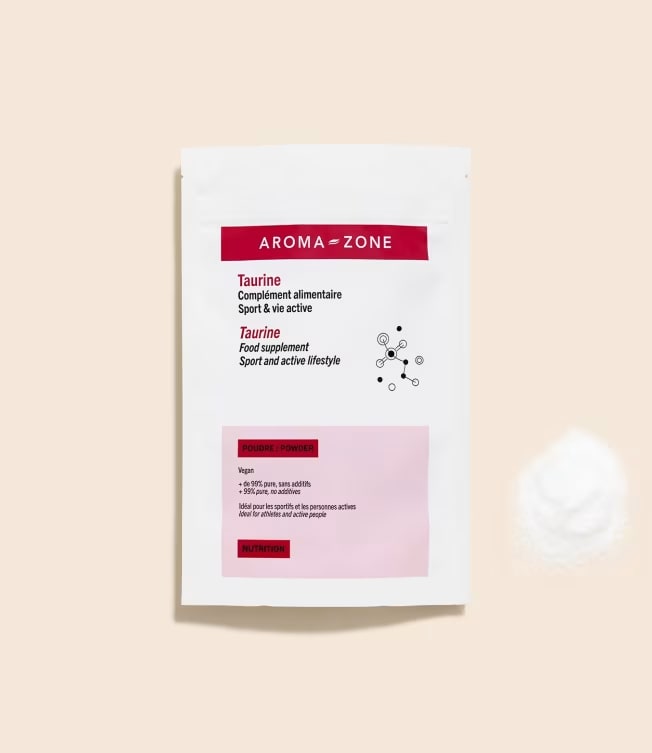
Taurine is an amino acid naturally present in the body, but it differs from so-called “proteinogenic” amino acids: it does not participate in protein synthesis, unlike about twenty other amino acids, nine of which are considered essential (because the body cannot produce them on its own). Taurine plays a crucial role in several physiological functions. It belongs to the family of sulfur-containing amino acids, along with methionine and cysteine, which are involved in its synthesis in the body. It is found naturally in animal-based foods, particularly in meat and fish. It is also present in certain energy drinks, often combined with caffeine, which has earned it a reputation as a stimulant (wrongly so!). As an antioxidant, it contributes to energy and muscle balance and aids in relaxation as a cofactor for GABA. Taurine has few side effects, which we will detail below.
Side effects of taurine: learn more
Published on: Friday, June 20, 2025, Updated on: Sunday, October 25, 2026
Taurine is an amino acid naturally present in the body, but also found in certain animal-based foods and in many dietary supplements or energy drinks. Contrary to a persistent misconception, it does not come from bulls, despite the origin of its name. In this article, we take a closer look at this compound: its role in the body, its potential benefits, possible side effects, and precautions to take if you are considering supplementation.
Contents
Related products
What is taurine?

What are the possible side effects of taurine?
Taurine is generally well tolerated by most healthy people, and its side effects are rare and mild. However, certain symptoms may occur in specific cases or with high doses:
Digestive issues: If taken in excess, taurine can cause digestive side effects such as abdominal pain, diarrhea, or nausea. These issues occur mainly in people with intestinal disorders (such as irritable bowel syndrome), or when it is consumed in large quantities in a single dose, without being divided into smaller doses.
Hypotension : Contrary to the image conveyed by energy drinks, taurine does not have a stimulating effect on the nervous system. Rather, it acts as a natural regulator, notably by reducing the secretion of stress hormones (such as adrenaline). This calming effect may, in rare cases, lead to a slight drop in blood pressure, particularly in people prone to hypotension or already taking blood pressure-lowering medication. This effect remains uncommon and context-dependent.
Drowsiness: Taurine promotes activation of the parasympathetic nervous system, which is responsible for relaxation. It also stimulates the activity of GABA, a neurotransmitter that helps calm nervous agitation. In some people, this can induce a feeling of calm or mild drowsiness, especially when not engaged in physical activity. When taken before or during exercise, this side effect of taurine is generally counteracted by the release of stimulating hormones such as adrenaline.
Ionic or metabolic imbalances (at very high doses): at very high doses (well above the recommended intake), taurine may alter the sodium/potassium balance or disrupt blood sugar levels in people with diabetes.
Spotlight on Christine Barris, Naturopath, Sophrologist and trainer

After completing a Master's degree in Management, Christine spent around twenty years working for renowned companies in the food supplement and natural cosmetics sectors, then decided to turn their passion for nature into a profession. They now practise naturopathy for both people and animals, as well as sophrology, and mentor trainee naturopaths and sophrologists at various schools.
Bibliography
https://doctonat.com
https://therapeutesmagazine.com