
A dewormer is a preparation, often medicinal or plant-based, designed to expel or eliminate parasitic worms from the digestive tract. Scientifically speaking, these substances target several types of internal parasites, including pinworms (small white worms that cause anal itching), roundworms (larger round worms), and tapeworms. The etymology of the term reflects its primary purpose: “vermi” refers to worms, while the suffix “-fuge” derives from the Latin “fugere,” meaning “to drive away.” There are synthetic dewormers, prescribed by a doctor, that have proven efficacy. However, in some cultures, the use of specific plants or foods to address parasitic infestations is a practice dating back centuries. These are referred to as natural dewormers for humans, deriving their properties from plant extracts, essential oils, or spices. The role of a dewormer is not only to neutralise the parasite but also to promote its expulsion through the stool. This process can be gradual and depends on various factors, such as the type of parasite or the body’s response. For a comprehensive approach, it is essential to understand the life cycle of the specific parasite and any necessary hygiene measures to adopt.
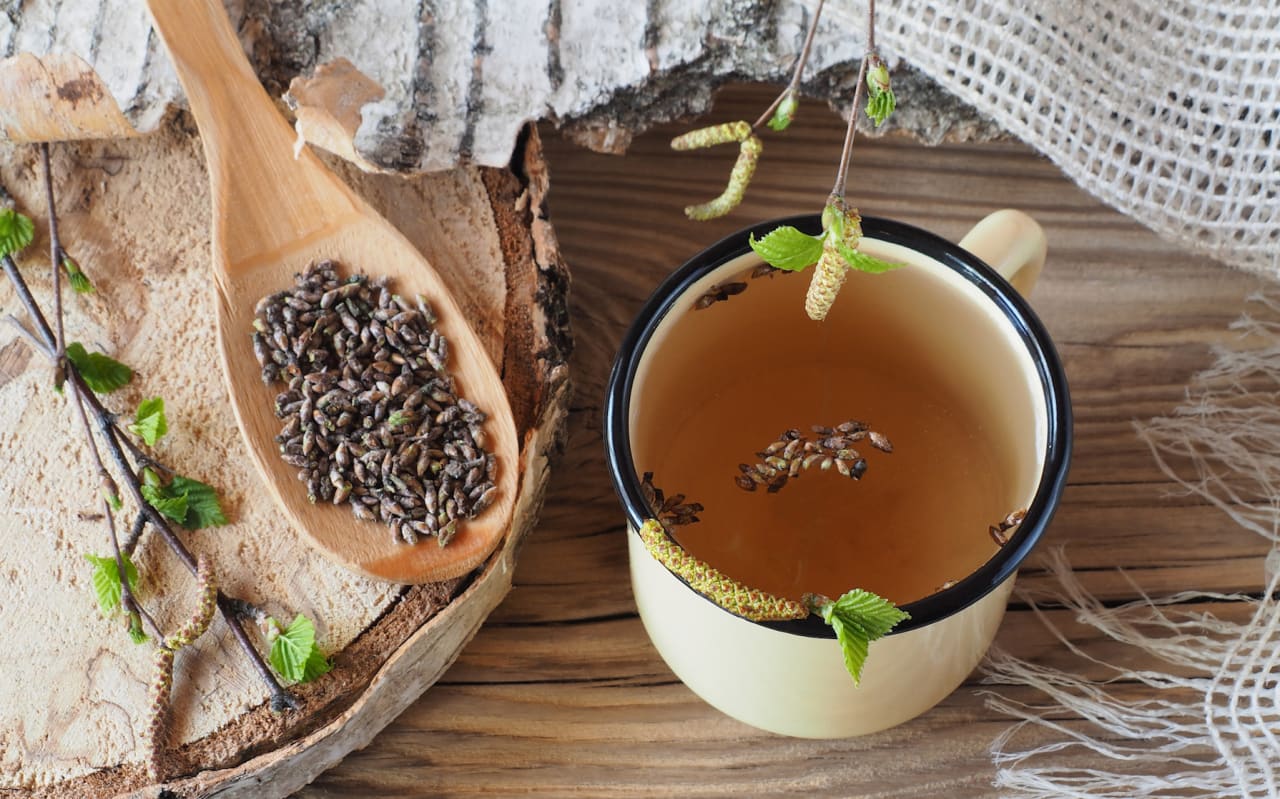
Natural Dewormer: What Should You Recommend?
Published on: Tuesday, April 08, 2025, Updated on: Wednesday, October 28, 2026
Intestinal parasites can sometimes go unnoticed, despite their significant impact on the body. They are found in both children and adults and are often transmitted through simple contact or by ingesting contaminated food. These worms, known as helminths, live in the digestive tract. Some people experience persistent discomfort, while others are unaware of the presence of these parasites. Conventional treatments exist, but many people are interested in gentler, natural methods.
Contents
What is a Dewormer?
Why Use a Dewormer?
Some parasites spread easily, especially when hand hygiene is not strictly observed or when environmental conditions favour the proliferation of eggs and larvae. In many cases, the infestation goes unnoticed, as the initial symptoms are sometimes subtle. However, several factors make it advisable to use a human dewormer, whether natural or synthetic. Intestinal worms can disrupt the balance of the digestive tract and cause varying degrees of discomfort, ranging from itching to persistent digestive issues. Even when asymptomatic, these parasites can multiply and lead to various long-term health issues. Using a dewormer (natural or otherwise) for humans, combined with good hygiene, helps reduce the parasite population and limits transmission within the household.
Pinworms
Pinworms (small white worms also known as Enterobius vermicularis) are among the most common parasites. Their presence may go unnoticed for some time, especially if the parasite load is moderate. However, as the infection progresses, it is often accompanied by severe anal itching, particularly at night. Some people also experience mild abdominal pain or nausea. By quickly eliminating these worms, a dewormer helps prevent discomfort and break the cycle of infection, especially in children, who are more likely to become reinfected by scratching and putting their fingers in their mouths.
Ascaris
Roundworms (which can measure several centimetres in length) proliferate in the intestine and can cause more severe abdominal pain, sometimes accompanied by various digestive issues (alternating diarrhoea and constipation). The infected person may experience chronic fatigue, as some nutrients may be diverted to feed the parasites. An appropriate deworming treatment, often combined with strict hygiene practices (handwashing, thorough cooking of food), prevents the infestation from worsening and minimises the risk of transmission within the family.
Tapeworms and Other Intestinal Worms
The tapeworm (also known as the solitary worm) is another parasite capable of embedding itself in the intestinal wall. It can grow to an impressive size, and, as with other worms (whipworms, hookworms, etc.), clinical symptoms vary: abdominal discomfort, weight loss, and even nutritional deficiencies if the infestation is widespread. Using a dewormer is therefore helpful to eliminate these large worms, prevent bothersome symptoms, and limit potential complications, such as intestinal inflammation or a weakened immune system.
What are the Benefits of Deworming Treatments?
Worm treatments for humans, whether natural or synthetic, offer several benefits:
Parasite elimination: They expel or neutralize worms, thereby reducing intestinal infestation
Reduction of symptoms: They alleviate itching, stomachaches, and gastric discomfort
Preservation of intestinal flora: Some gentle dewormers respect the balance of the microbiota, thereby promoting better digestion
Reduced risk of contamination: They break the parasite cycle within the household by reducing the egg and larva load
Overall support for the body: By eliminating unwanted hosts, these products help restore energy and reduce intestinal irritation
What are Natural Dewormers for Humans? Is It Possible to Get Rid of Intestinal Worms Naturally?
The use of gentle methods to eliminate parasites is gaining interest among many people. Some prefer plant-based products, while others simply want to support their bodies without immediately resorting to conventional treatments. It is true that several plants and spices are central to traditional medicine and are recognised for their antiparasitic properties, although scientific evidence varies depending on the specific plant species.
Natural remedies are sometimes suggested, such as garlic (Allium sativum), whose sulphur compounds are believed to inhibit certain intestinal worms. Thyme, cloves, and cinnamon also possess antiseptic properties that may hinder the survival of certain parasites. In other cultures, papaya seeds or pumpkin seed extracts are recommended to cleanse the digestive tract.
However, it is important to note that the effectiveness of these approaches depends on individual factors. Some people see significant improvements, while others notice little difference. It is possible to naturally eliminate certain mild infestations, particularly when maintaining strict hygiene (handwashing, frequent cleaning of surfaces, and regular changing of bedding). Nevertheless, in more severe cases, conventional medical treatment may prove faster and more appropriate.
For those who opt for natural dewormers for humans, caution is still advised. Each plant must be used in accordance with standard dosages and any potential contraindications.
How Should Dewormers Be Used?
In humans, the use of a dewormer (natural or otherwise) is part of a comprehensive approach to care and hygiene. Conventional treatments prescribed by a doctor, based on compounds such as albendazole, mebendazole, or pyrantel pamoate, are generally administered in the form of tablets or oral suspensions. These products act directly on the parasites’ nervous system, forcing them to detach from the intestinal wall.
When opting for natural dewormers for humans, several methods of use are possible. Some choose herbal infusions. Others turn to mixtures containing raw, chopped garlic, which is swallowed on an empty stomach. There are also concentrated extracts, sold in the form of capsules or mother tinctures. The dosage and frequency of use vary depending on the plant and individual sensitivity. Garlic, for example, is often taken in small amounts to avoid stomach irritation.
Finally, the use of any deworming treatment must be accompanied by enhanced hygiene. It is recommended to wash your hands after each trip to the toilet, regularly clean surfaces (toilet seats, doorknobs, etc.), and thoroughly cook susceptible foods (meat, fish). Washing household linens at high temperatures can also help prevent reinfection by destroying parasite eggs and larvae.
Precautions for Use
Although natural products are available, their use requires careful consideration. Before making any decision, it is advisable to assess the extent of the infestation. Medical advice is often necessary, particularly to determine the type of parasite involved and the most appropriate treatment approach. For pregnant or breastfeeding women, particular caution is advised, as certain natural ingredients may cross the placental barrier or end up in breast milk.
Expert Advice
By practising strict hygiene (handwashing, food protection, surface cleaning), the risk of parasite contamination is greatly reduced. Remedies made from herbs, spices, or essential oils may be considered as a complementary option for those seeking an alternative approach. However, it is important to be vigilant regarding dosage, duration of use, and existing contraindications. Consulting a healthcare professional is necessary when discomfort persists or when symptoms worsen. Understanding the parasite in question can help guide treatment and support a return to intestinal balance.
Meet Our Expert Writer: Stéphanie Le Guillou

Stéphanie is a pharmacist (since 2010) and holds a PhD in molecular biology (since 2012). Passionate about writing, she has produced medical content for nearly 15 years. Her goal is to make information accessible and easy to understand, without ever sacrificing scientific accuracy.
Bibliography
ameli.fr. Intestinal worms: pinworm infection and symptoms. February 2025.
Vidal.fr. Intestinal Worms. December 2023.


Frequently Asked Questions
Associated tips

Digestion, detox & gut microbiota

Digestive comfort


