

Understanding Melon's Calorie Content and Nutritional Benefits

Understanding Melon's Calorie Content and Nutritional Benefits


By The Aroma-Zone editorial team

Published on: Tuesday, August 12, 2025, Updated on: Wednesday, October 28, 2026

Contents

Related products

What Is A Melon?

Origin and History

Melon, the quintessential summer fruit, belongs to the Cucurbitaceae family, just like the courgette, for example. Native to Africa and Western Asia, it was already being cultivated in ancient times, particularly in Egypt and the Mediterranean region. Introduced to France in the Middle Ages, it gradually became established in the south of the country, where the climate is favourable for its cultivation. Today, melon is a staple of French summer markets.

The Different Varieties

There are several varieties of melon, each with its own specific flavour and nutritional characteristics:

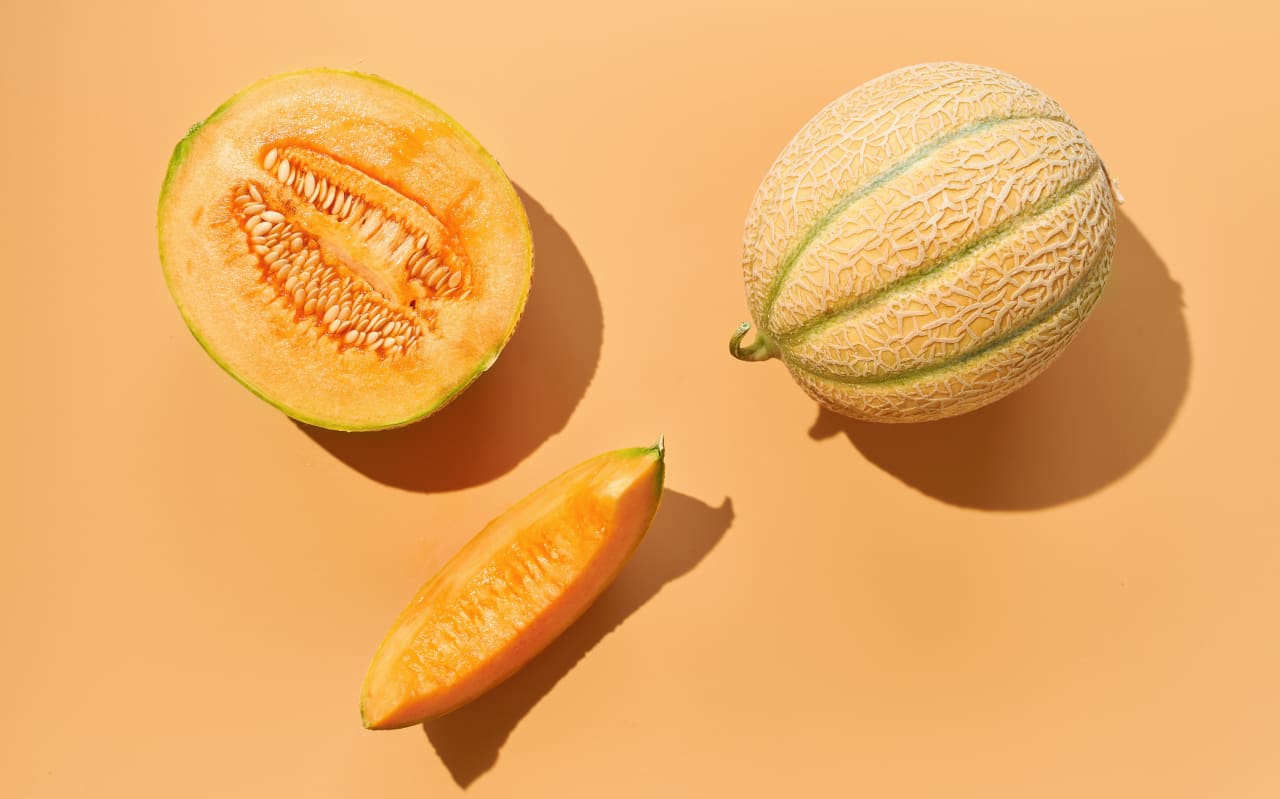
  • Charentais Melon: Orange flesh, very fragrant and sweet; this is the most widely consumed variety in France. Calories in Charentais melon: Approximately 34kcal per 100g

  • Yellow Melon: Bright yellow skin, white to greenish flesh, crisp texture. Calories in yellow melon: Approximately 32kcal per 100g

  • Galia Nelon: Netted skin, pale green flesh, sweet and fragrant flavour. Calories in Galia melon: Approximately 35kcal per 100g

  • White melon: White flesh, delicate flavour, less common in France. Calories in white melon: Approximately 30kcal per 100g

  • Green Melon: Green flesh, sweet, and refreshing taste. Calories in green melon: Approximately 35kcal per 100g

Botanical Characteristics and Cultivation

The melon (Cucumis melo) is an annual creeping plant with hairy stems and large, lobed leaves. It thrives in warm, sunny climates and in rich, light, and well-drained soil. Growing melons requires regular watering, mulching to retain moisture and protection from the cold. The fruits, which are round or oval, weigh on average between 800g and 1.5kg depending on the variety. They are harvested from June to September, mainly in the south and west of France.


Melon Calories: Essential Information for a Natural Diet

Melon: Fruit or Vegetable?

Botanically speaking, melon is a fruit, derived from a flower and containing seeds. Its sweet flavour and high water content distinguish it from vegetables, even though it is sometimes served as a starter or in savoury dishes.

Calorie Content

Per 100g: 34kcal

Fresh melon provides around 34kcal per 100g, making it a light and thirst-quenching fruit.

As a standard portion of 100g of melon contains 34kcal, it is easy to adjust your intake according to individual needs.

In comparison, watermelon, a cousin of the melon, is even lower in calories at around 30kcal/100g, making it one of the lightest fruits.

Per unit (average): approximately 270–340 kcal

A whole melon generally weighs between 800 and 1,000g and has between 270 and 340kcal, depending on the variety and size. This is a moderate for a fruit of this size.

Per half melon: 135–170kcal

Half a medium-sized melon contains 135 to 170kcal, making it easy to include in a meal or as a snack.

Dried Version: 250–300kcal/100g; approximately 75kcal per portion (30g)

Dried melon concentrates the sugars and provides between 250 and 300kcal per 100g, or around 75kcal per 30g portion. It should therefore be consumed in moderation, particularly as a snack or in energy-boosting recipes.

Analysis of Nutritional Composition

Nutrient

Per 100g

Energy (kcal)

34

Protein (g)

0.8

Carbohydrates (g)

7.5

Of which sugars (g)

7.4

Fat (g)

0.2

Fibre (g)

0.9

Vitamin C (mg)

18

Vitamin B9 (μg)

165

Key minerals

Potassium (280mg), Magnesium (11mg)

Nutritional value (fresh)

Melon consists of 90 % water on average, which explains its low calorie content. It mainly contains carbohydrates in the form of natural sugars (melon carbohydrates), as well as essential vitamins and minerals.

What Are the Benefits?

Health Benefits

Melon is a natural source of antioxidants, particularly Vitamin C and beta-carotene (a precursor of Vitamin A), which help protect cells against oxidative stress. Its high water content promotes hydration, which is essential during the summer months. The potassium it contains supports muscle and heart function. Thanks to its moderate glycaemic index, it fits easily into a varied diet, including for those monitoring their blood sugar levels.

Benefits for the Skin

In natural cosmetics, melon is prized for its moisturising, softening and regenerating properties. Melon extracts, oils, or powders can be incorporated into face and body care products to give the skin a healthy glow and suppleness, thanks to their high content of vitamins, antioxidants, and minerals.

Incorporating Them Into a Diet

Melon, which is low in calories and high in water content, promotes a feeling of fullness while providing a natural sweetness. It is perfectly suited to diets aimed at weight management or maintaining a varied and light diet. The fibre and Vitamin C it contains are ideal for supporting a balanced nutritional approach.

A Word from the Dietitian

"A unique enzyme, melon is naturally rich in SOD (superoxide dismutase), a key antioxidant enzyme that helps neutralise free radicals and reduce cellular oxidative stress. A clinical study published in the Nutrition Journal (2009) showed that supplementation with melon extract, rich in SOD, could significantly reduce perceived fatigue and improve stress management in healthy adults. These beneficial effects are in addition to those of Vitamin C and beta-carotene, which are naturally present in the fruit."

Raquel Barros – Dietitian, Nutritionist

The Role of Melon in a Balanced Diet

Melon is a natural part of a balanced diet. It can be enjoyed for breakfast, as a starter, a dessert or a snack. It enhances fruit salads and smoothies, and also complements savoury dishes, adding a touch of freshness. Its moderate carbohydrate content and high water content make it an ideal choice on hot days or after physical activity.

How to Incorporate It Into Your Daily Meals

Melon is easy to incorporate into meals: diced in a mixed salad, blended into a smoothie, or enjoyed on its own, sliced. It pairs perfectly with cured ham, feta, or fresh herbs such as mint for delicious combinations.

For Snacks and Sporting Activities

Thanks to its rapid supply of water and minerals, melon is ideal as a snack, either before or after physical activity. It helps with hydration and provides a light source of energy, suited to the needs of athletes or active individuals.

Practical Tips for Incorporating Melon Into Your Daily Diet

Recommended Portions and Tips to Avoid Overeating

A portion of melon is generally 150–200g (roughly 1/4 to 1/5 of a medium-sized fruit). To get the most out of its benefits, it is advisable to vary your fruit intake and not to exceed 300g of melon per day, taking into account your overall fruit intake. Eating in moderation helps to avoid an excess of natural sugars while still reaping its nutritional benefits.

Is It Possible to Eat as Much Melon as You Like? Although melon is low in calories, it is best to eat it in moderation so as not to excessively increase your intake of simple sugars. Sensible consumption, as part of a varied diet, is recommended.

How Much Melon Can You Eat Per Day? It is advisable to eat between 150 and 300g of melon per day, taking into account the total amount of fruit consumed throughout the day.

Natural and Balanced Recipes With Melon

Can It Be Used in Natural Cosmetics?

Melon is used in the form of an oil macerate, powder or extract in homemade cosmetic preparations. It leaves the skin moisturised, soft, and radiant.

Consumption Advice

Consume in Moderation According to Individual Calorie Requirements

The amount of melon you should eat depends on your age, level of physical activity, and energy requirements. It is essential to take your overall diet into account when adjusting portion sizes.

Optimal Storage and the Origin of Melons

Choose organically grown or locally sourced melons to preserve their nutritional quality. Store the whole fruit at room temperature until ripe, then place it in the fridge once cut to retain its freshness and flavour. Eat it soon after cutting.

Possible Allergies Associated with Melon

Allergic reactions, although rare, can occur in some people who are sensitive to cucurbits. It is recommended that melon be introduced gradually into children’s diets and that parents remain alert to any signs of intolerance.

Bibliography

  1. ANSES – Ciqual Table 2024

  2. USDA FoodData Central – Melon, raw

  3. Guiné, R. P. F. et al. (2019). Nutritional and bioactive value of melon (Cucumis melo L.): A review. Food Science and Nutrition.

  4. WHO / PNNS recommendations

  5. INRAE – Fruit and vegetables: nutritional guidelines (2023)

  6. National Federation of Melon Producers – Guide to French melons

Frequently Asked Questions

Frequently Asked Questions

Associated tip