
L-Carnitine is a compound naturally synthesised by the body from two amino acids: lysine and methionine. It is primarily produced by the liver and kidneys, then stored in the muscles, heart, and brain—tissues with high energy demands. It is also found in high concentrations in seminal fluid, where it supports sperm maturation and motility. It plays a central role in energy metabolism: it facilitates the transport of long-chain fatty acids to the mitochondria, the “powerhouses” of cells, where these fats are converted into energy. This process is essential for proper cellular function, particularly in energy-demanding tissues such as muscles. The effects of L-Carnitine are therefore often associated with vitality, physical recovery, and metabolic balance. It is also found in food, particularly in animal products, or as a dietary supplement, depending on individual needs.
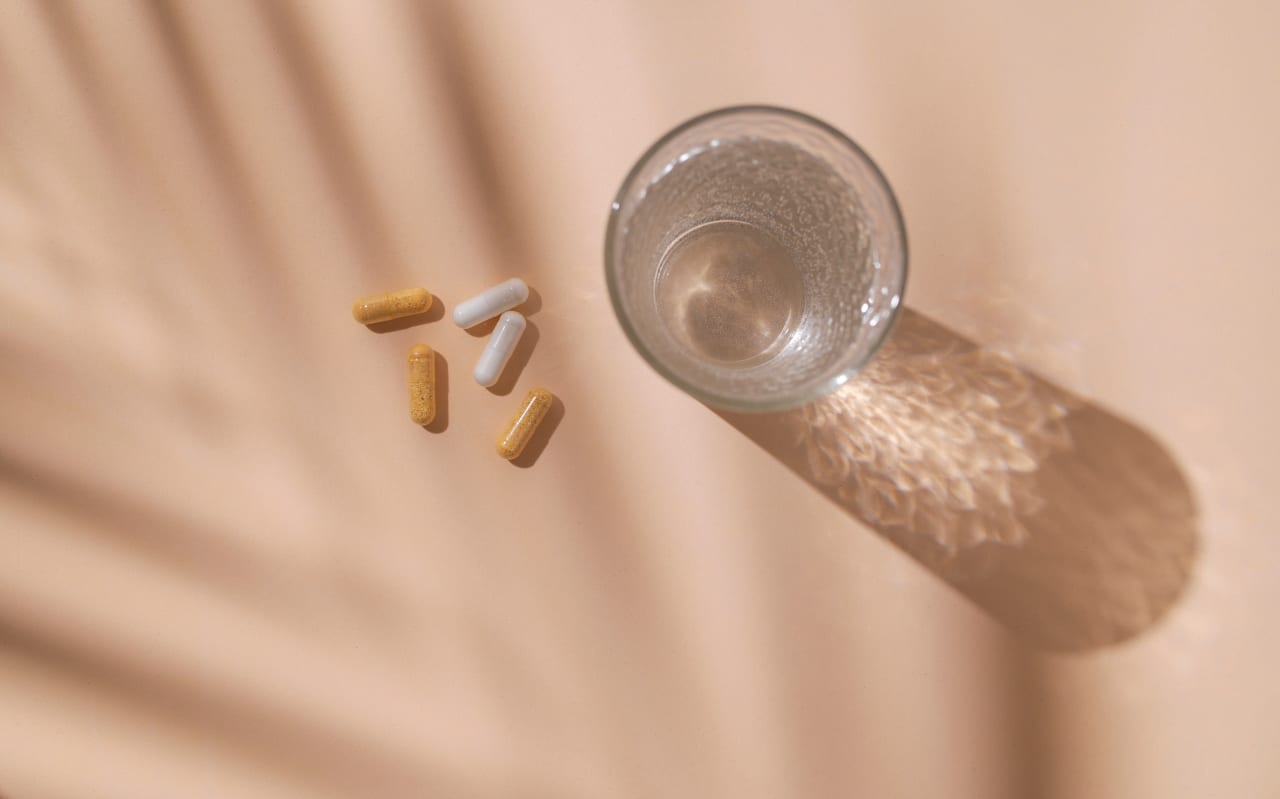
L-Carnitine: What Are Its Effects on the Body?
Published on: Friday, July 18, 2025, Updated on: Wednesday, October 28, 2026
Essential to energy metabolism, L-Carnitine is known for its role in converting fat into energy within our cells. Naturally produced by the body, it helps transport fatty acids to the mitochondria, where they're used as fuel. What real benefits can you expect from it? Is it useful for fatigue, or to support a weight-loss journey? Discover its role, its uses, and tips for using it in a way that suits your needs.
Contents
Related products

£5.00
10 ml
Firming
Sport
£22.00
250 g
Moisturising
Plumping
£4.00
10 ml
What is L-Carnitine and what are its effects?
What is L-Carnitine used for?
To support endurance and physical energy: By facilitating the use of fats as a fuel source, L-Carnitine can be helpful during prolonged physical activity or periods of temporary fatigue.
To support weight management goals: Its role in lipid metabolism makes it a valuable ally when combined with an active lifestyle and a balanced diet.
For muscle recovery: For active individuals or athletes, L-Carnitine may help reduce post-exercise muscle discomfort and promote faster athletic recovery.
For people following a vegetarian or vegan diet: Since L-Carnitine is found primarily in animal products, supplementation may be considered when dietary intake is insufficient.
To support healthy cellular function as we age: Endogenous production of L-Carnitine tends to decrease with age. An external source can therefore help maintain metabolic energy.
What are the benefits of L-Carnitine?
L-Carnitine has multiple effects, primarily on energy metabolism, with potential benefits for vitality, recovery, and body composition:
Optimisation of energy metabolism: By facilitating the transport of fatty acids to the mitochondria, L-Carnitine helps improve cellular energy production
Support for endurance and physical performance: it may improve exercise tolerance, particularly during prolonged activities
Effect on muscle recovery: Some studies suggest a potential role in reducing feelings of fatigue and post-exercise stiffness
Weight management support: By promoting the use of fats for energy, L-Carnitine is sometimes used in the context of fat loss
Cell protection: Thanks to its action on mitochondria, it may help maintain oxidative balance in cells, particularly with age.
According to European health authorities (EFSA and the European Commission), the effects of L-Carnitine mentioned above cannot be the subject of official claims on dietary supplements, as there is currently insufficient scientific evidence to support them. Their effectiveness may therefore vary from person to person and cannot be systematically guaranteed.
Who is it recommended for?
L-Carnitine may be beneficial for various individuals, depending on their specific needs. It may be recommended for people who are:
Active or athletic: It can support endurance, fat utilisation during exercise, and muscle recovery.
Tired or lacking energy: It contributes to the proper functioning of energy metabolism, particularly during periods of overwork or convalescence.
As you age: Since natural synthesis decreases over time, a targeted intake can help maintain vitality.
Following a vegetarian diet or a diet low in animal protein: Since dietary sources of L-Carnitine are primarily animal-based, intake may be reduced.
To support a weight management program: When used in this context, L-Carnitine may promote fat oxidation, in addition to a healthy lifestyle.
Where can you find L-Carnitine naturally in your diet?
Carnitine is primarily found in animal-based foods. The richest sources are red meat, particularly lamb and beef, as well as organ meats like liver. It is also found in smaller amounts in fish, poultry, and dairy products. Intake from a plant-based diet is very low, which explains why people following a vegetarian or vegan diet may have lower levels. A balanced and varied diet generally meets the needs of people who are not deficient.
When is the best time to take L-Carnitine as a supplement?
The ideal time to take L-Carnitine and reap its benefits depends on your specific goal. To support performance or recovery, it is generally recommended to take it before or immediately after physical activity to maximise the use of fat as an energy source. As part of a vitality program or weight management, taking it in the morning on an empty stomach or before main meals may be considered. If in doubt, it is always advisable to adjust your intake to fit your lifestyle, while adhering to the recommended dosages.
In what form and at what dosage should it be used?
L-Carnitine is available in various forms, depending on your needs and preferences: in capsules, as a powder to be mixed with water, or in liquid form. There are also specific versions, such as acetyl-L-carnitine, known for its higher bioavailability and potentially enhanced action at the cellular level. Dosages vary depending on the intended use, but studies generally indicate a range of 500 mg to 3 g per day, taken in one or two doses. It is recommended to start with the lowest dose and then gradually adjust as needed, in consultation with a healthcare professional. Adhering to the daily doses indicated on the supplement is essential for safe use.
What are the side effects of carnitine?
L-Carnitine is generally well-tolerated when taken at recommended doses. However, like any supplement, it may cause certain digestive discomfort in sensitive individuals, such as nausea, abdominal cramps, or mild intestinal upset. If you are undergoing medical treatment or have a chronic condition, it is best to consult a healthcare professional before taking any supplements.
Precautions for use
L-Carnitine is well-tolerated in moderate doses, but is not recommended for pregnant women, people with epilepsy, or those with kidney, liver, or cardiovascular conditions without medical advice. It may interact with certain medications, particularly neurological or metabolic treatments. Excessive intake may cause digestive issues or unusual body odor; it is therefore essential to listen to your body.
Expert Advice
L-Carnitine can be helpful during periods of fatigue, when resuming physical activity, or to optimise fat utilisation during exercise. To get the most out of it, combine it with a balanced diet, regular hydration, and at least some physical activity, even if it’s moderate. Start with a gradual dose to assess your tolerance, and listen to your body. If you experience discomfort or any unusual effects, stop taking it and consult a healthcare professional.
Spotlight on Our Nutrition and Food Expert, Marie-Anne Vion

Faced with digestive disorders such as IBS and SIBO, Marie-Anne turned to nutrition and natural solutions. Passionate about wellbeing, she is now studying dietetics and nutrition. She shares her expertise through articles that offer accessible advice and insights. Drawn to the brand's natural approach, she helps promote a balanced diet and self-reliance in health matters.
Bibliography
Wikipedia
https://fr.wikipedia.org/wiki/Carnitine
Vidal
https://www.vidal.fr/parapharmacie/complements-alimentaires/l-carnitine-levocarnitine.html
PubMed
https://pubmed.ncbi.nlm.nih.gov/32958033/
PubMed
https://pubmed.ncbi.nlm.nih.gov/31743774/

Frequently Asked Questions
Associated recipe

Associated tip

Dietary supplements


