
Is moringa dangerous?

Moringa originates from the southern Himalayan region. Used for thousands of years by Indian and Nepalese populations, it is now cultivated in tropical and subtropical regions for its therapeutic and medicinal properties. What are the benefits of moringa and how should it be consumed? Are there any risks associated with moringa?

By The Aroma-Zone editorial team

Reading time: 0 min.

What is Moringa?

Moringa (Moringa oleifera), nicknamed the "tree of life," is a subtropical plant belonging to the Moringaceae family. This tree is highly resistant to drought, grows very quickly and can reach a height of up to 12 meters. With an exceptional content of vitamins, minerals, and trace elements, Moringa is particularly rich in vitamins A, B, and C, calcium, iron, and potassium. It also contains all eight essential amino acids, making it a suitable food for vegetarians and vegans who do not consume animal proteins. Moringa also contains omega 7 and 9, anti-inflammatory fatty acids that are essential for the body, as well as flavonoids, polyphenols, chlorophyll, and powerful antioxidants that protect our cells from potential damage.

Except for the roots, which are not edible, all parts of the Moringa tree can be consumed.

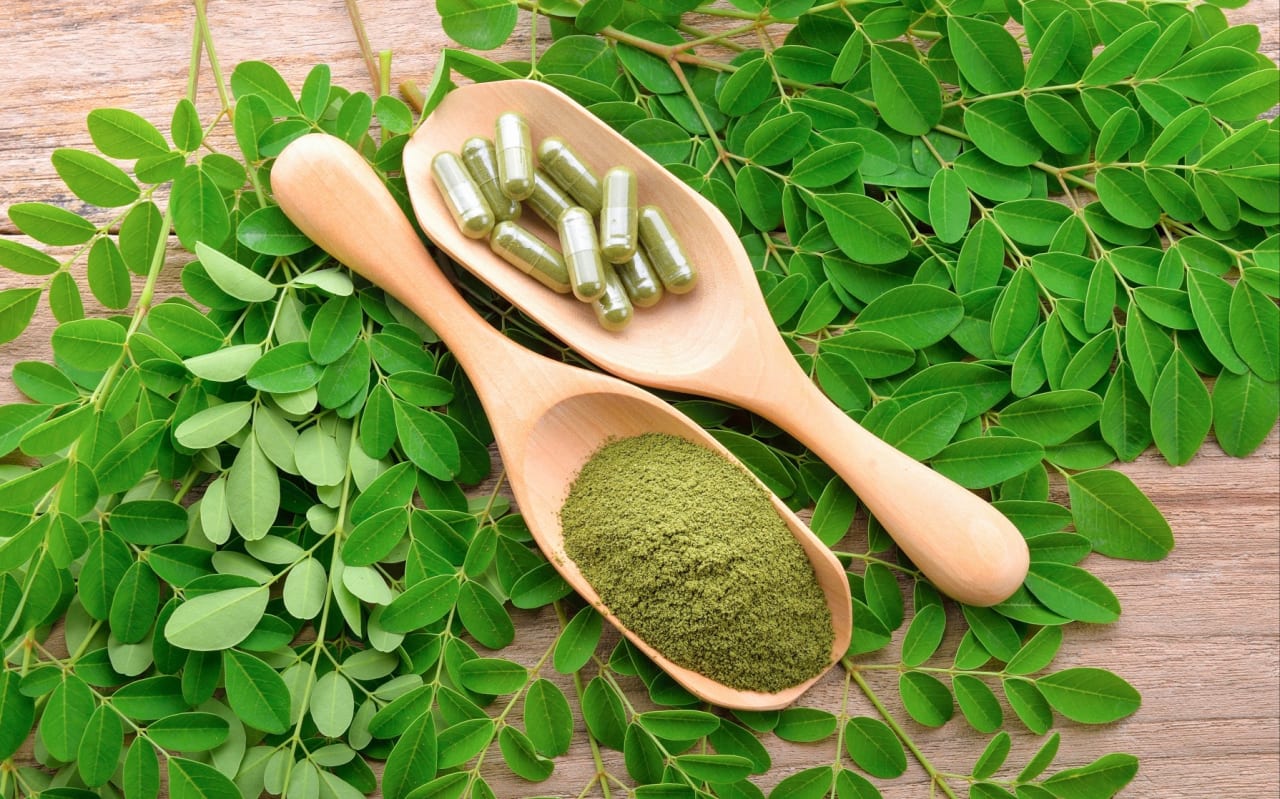
The leaves, which are the most nutritious part, can be eaten cooked, in curries, couscous, or broth. They can also be dried and used in herbal teas. Today, they are found in many dietary supplements, but they can also be added to natural cosmetics (poultices, homemade masks, toothpaste) for their beneficial effects on hair and skin.

The seeds can be roasted, while the flowers can be eaten raw in a salad or added to a hot dish.
Focus on our Moringa-based products

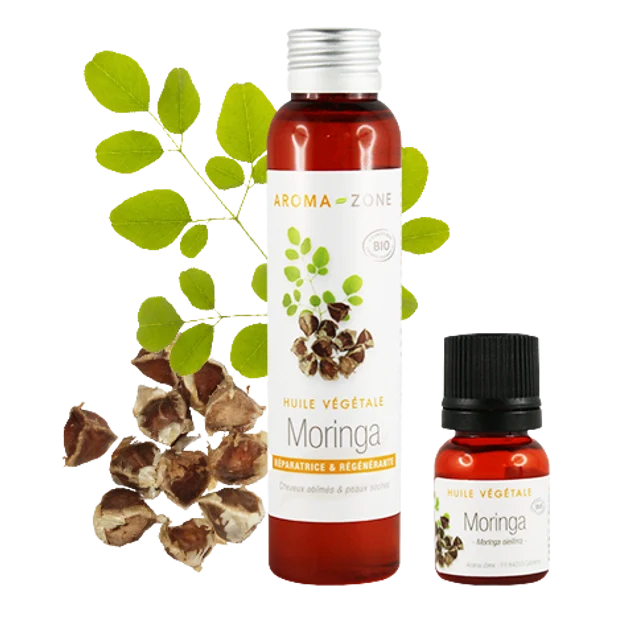
Organic virgin Moringa oil

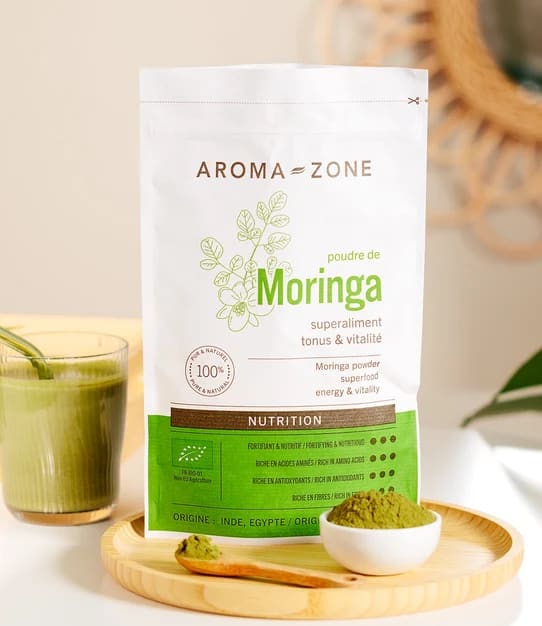
Moringa leaf powder

Are there any risks associated with taking moringa?

Often presented as a superfood, Moringa also raises questions about its tolerance and possible side effects. As with any active plant, its use should be supervised, especially in certain individuals or at high doses.

Does moringa pose a risk to the liver?

The liver plays a key role in filtering waste, storing certain nutrients (vitamins A, D, E, K, B9, B12 and iron), metabolising carbohydrates, fats and proteins, and producing bile, which is essential for proper digestion. It also stores sugars in the form of glycogen for later use, releasing them into the bloodstream when the body needs energy.

A study published in the Journal of Nutrition and Metabolism concluded that Moringa oleifera leaf extract contributes to a significant improvement in the liver’s histopathological characteristics. However, at high doses, moringa may be toxic to the liver. It is therefore essential to follow the recommended dosage to avoid any potential risk.

Moringa: its effects on diabetes

Instructions for use

Moringa can be consumed in various forms. Choose the one that suits you best according to your needs:

  • Powder : the most common form, to be mixed into drinks, smoothies, yogurts, soups, or consumed as a supplement.

  • Capsules : convenient for regular, measured doses, often made from dried leaf powder.

  • Oil : obtained from Moringa seeds, it is often used in cosmetics for skin and hair.

  • Dried leaves : these can be enjoyed as an infusion.

Dosage

To consume Moringa powder safely, be sure to follow the recommended dosages:

  • 1 teaspoon of Moringa powder in your soups and sauces, after cooking.

  • 1/2 to 1 teaspoon of Moringa powder in your smoothies and shakes.

  • 1/2 teaspoon of Moringa powder in your favorite tea or herbal tea.

Moringa dosage and instructions for use

Dried leaves: Moringa leaves are mainly found in dried form. They can be enjoyed as an infusion, 2 to 3 cups a day for up to three weeks. Place a teaspoon in a cup of hot water and filter the mixture after 10 minutes.

Capsules: Moringa is also available in capsule form. We recommend taking 2 to 5 g a day over a period of three months as part of a course of treatment.

Powder: If you don't mind the slightly bitter, pungent taste of Moringa, you can choose to take it in powder form. Mix 1 to 2 teaspoons of Moringa powder into a juice, glass of water, smoothie or yoghurt to boost your energy during periods of low vitality. Moringa can also be sprinkled on savoury dishes to spice things up, or mixed into pastries like matcha in homemade cakes.

Expert advice

Moringa has a strong vegetable taste, often described as herbaceous, slightly bitter and pungent, sometimes reminiscent of spinach or arugula. This particular flavor may not suit all palates. You can mix Moringa powder with fruit juices, smoothies, yogurt, compote, or even soups to soften its bitterness. Add a little honey or lemon to an infusion or preparation to mask its taste and add a sweet or tangy touch. Incorporate Moringa powder into savory recipes (sauces, cakes, vinaigrettes) or pastries for a more balanced and subtle flavor.

Find out more

Does Moringa lower blood pressure?

Yes, Moringa can lower blood pressure, which is why it is important to consult a healthcare professional before starting a treatment.

How much Moringa should you consume per day?

The recommended dose of Moringa powder is 2 to 5 grams per day, to be adjusted according to your needs and the form used. It is recommended to start gradually to allow your body to get used to it. To consume Moringa safely, be sure to follow the recommended dosage.

Who should not take Moringa?

Consuming Moringa may be dangerous for pregnant or breastfeeding women, children, people suffering from low blood pressure or hypoglycemia, or those undergoing treatment for high blood pressure, diabetes, or coagulation disorders, as well as for those who are allergic to the plant.

Bibliography

1

Effects of Moringa oleifera Leaf Extract on Liver Histopathology: A Systematic Review. Journal of Nutrition and Metabolism