What Does This Plant Look Like?
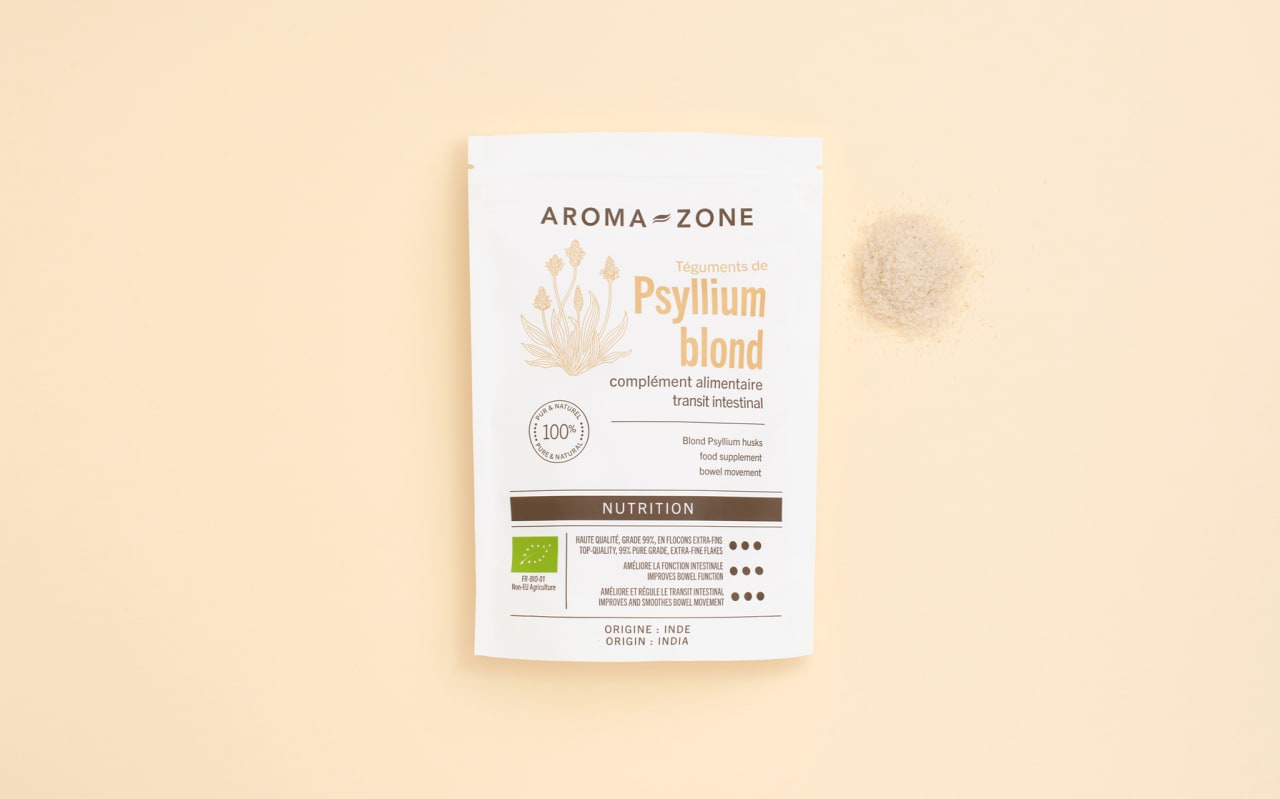
Blond psyllium is available in several forms to suit individual preferences. It can be found as a powder, whole husks, or as food supplements in capsules or sachets. The powder form is obtained by grinding blond psyllium husks, making it easy to dissolve in liquids. Organic blond psyllium is recommended for those looking for a natural option, grown according to organic farming principles to ensure a product free from pesticides and chemical additives.
When Should You Take Psyllium: Before or After a Meal?
It is generally recommended to take golden psyllium about 30 minutes before meals. By taking it before eating, the gel formed by the fibres in the stomach creates a feeling of fullness, helping to control appetite and reduce calorie intake. This can be particularly helpful for people looking to lose weight or maintain a healthy weight.
However, psyllium can also be taken after meals to promote digestion and help regulate bowel movements. The key is to consume it with enough liquid to ensure its effectiveness and avoid side effects.
Dosage: How Much Blond Psyllium Should You Take Per Day?
Recommended dosage: The recommended daily dose of blond psyllium generally ranges from 1 to 3 teaspoons per day, divided into one to three doses. To start a cleanse, it is recommended to begin with 1 teaspoon of blond psyllium mixed with 200 ml of liquid, such as water or fruit juice. This amount can be gradually increased according to your needs and tolerance, up to 20 g per day (around 4 tablespoons).
It is essential to follow the recommended daily dosage and not exceed it without medical advice. Adequate hydration is crucial when taking blond psyllium. Make sure to drink at least 200 ml of liquid with each dose and maintain sufficient water intake throughout the day. This allows the fibres to swell properly and form the gel needed to support intestinal transit.
Are There Any Contraindications to Using Blond Psyllium?
Although blond psyllium is generally considered safe for most people, certain contraindications should be taken into account.
People suffering from intestinal obstruction, digestive stricture, megacolon, undiagnosed rectal bleeding, or an inability to defecate related to laxative use should not take psyllium. In cases of esophageal or cardia disorders, a potential or existing intestinal blockage, intestinal paralysis, or swallowing difficulties, the use of golden psyllium is not recommended. Similarly, in cases of unexplained abdominal pain, nausea, or vomiting, it is best to consult a healthcare professional before starting a treatment regimen.
People who are allergic to psyllium or to plants from the Plantaginaceae family should also avoid using it. People with type 1 diabetes, or those taking heart medication, blood thinners, or epilepsy treatments, should seek medical advice before taking psyllium, as it may interact with certain medications and affect their absorption. Psyllium should not be taken at the same time as medications that inhibit intestinal peristalsis.
Can Psyllium Cause Side Effects?
Blond psyllium is generally well tolerated, but minor side effects may occur, particularly during the first few days of use. Bloating, flatulence, or an excessive feeling of fullness may be experienced due to the increased fibre intake. These symptoms are usually temporary and tend to disappear over time.
In rare cases, allergic reactions may occur, including skin rashes, itching, or breathing difficulties. If you experience any of these symptoms, stop taking psyllium immediately and seek medical advice. Similarly, if you notice blood in your stools, severe abdominal pain, or signs of intestinal obstruction, prompt medical attention is required.