Hammam ritual: how to make black soap and a kessa scrubbing glove?

A real beauty secret from the east, the hammam ritual stimulates the sebaceous glands to cleanse the skin and induce deep relaxation. It complements its Nordic cousin, the sauna, whose dry heat activates the sweat glands and encourages the elimination of toxins. Hammam actually means "source of heat" in Arabic. In today's collective imagination, the term refers to a steam-filled room with a temperature of up to 50 degrees. However - and this is where its richness lies - the hammam ritual does not stop at this immersion in a hot, humid environment! It is usually accompanied by a scrub using black soap and a kessa glove. Discover everything about the hammam and learn how to make a black soap and kessa scrubbing glove yourself.

By The Aroma-Zone editorial team

Reading time: 0 min.

What is a black exfoliating soap?

As part of the hammam ritual, it is applied to the body with vigour and to the face in a more gentle way. Afterwards, the skin is left feeling incredibly soft and toned, silky and firm.

Why use a black soap and kessa scrubbing glove?

The main purpose of the black soap scrub is to remove dead skin. To maximise its effectiveness, we recommend combining black soap with an exfoliating accessory. The two most commonly used are a crepe scrubbing glove, known as a Kessa glove, or a washcloth made from plant fibres, known as a loofah sponge in Egypt. This combination results in softer, smoother, more radiant skin. It is suitable for all skin types.
What are the benefits of black soap?

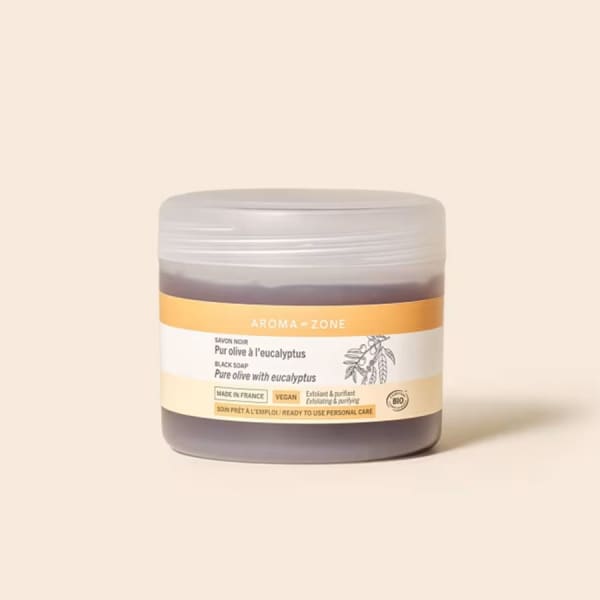
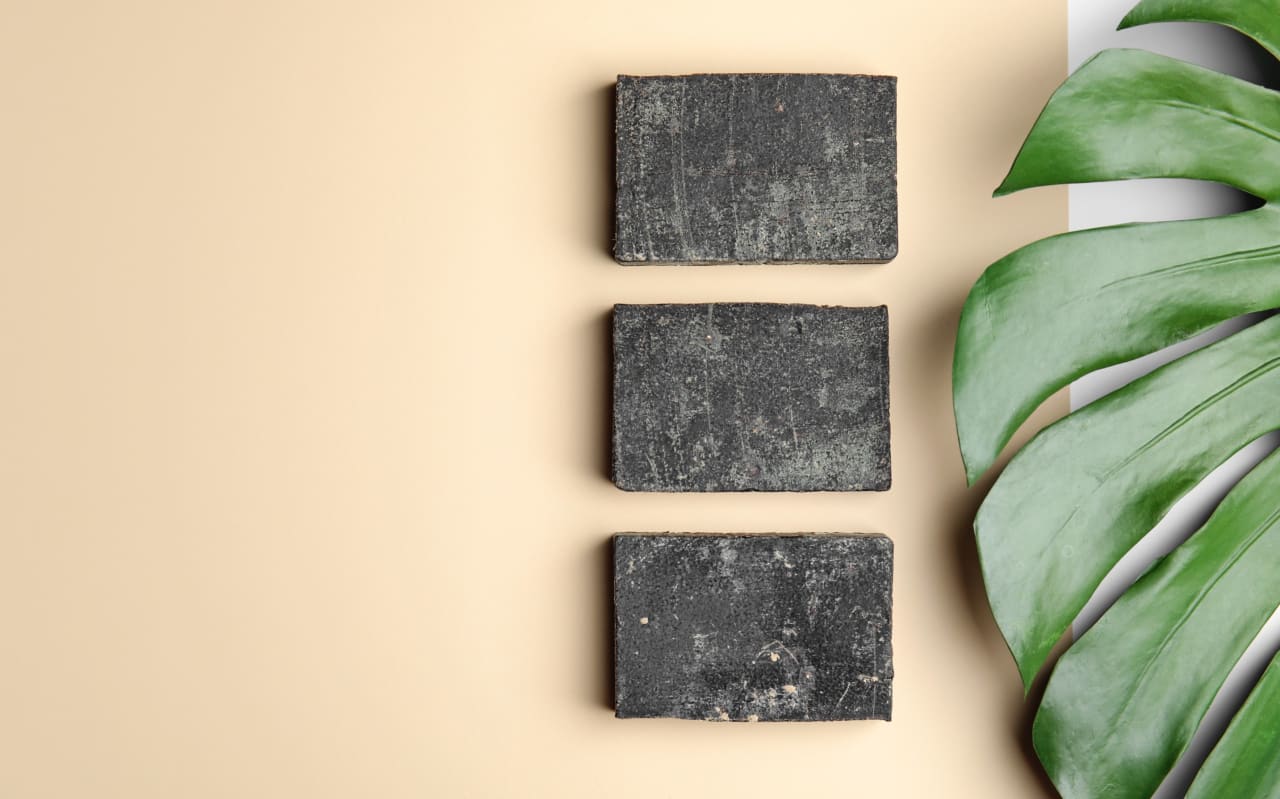
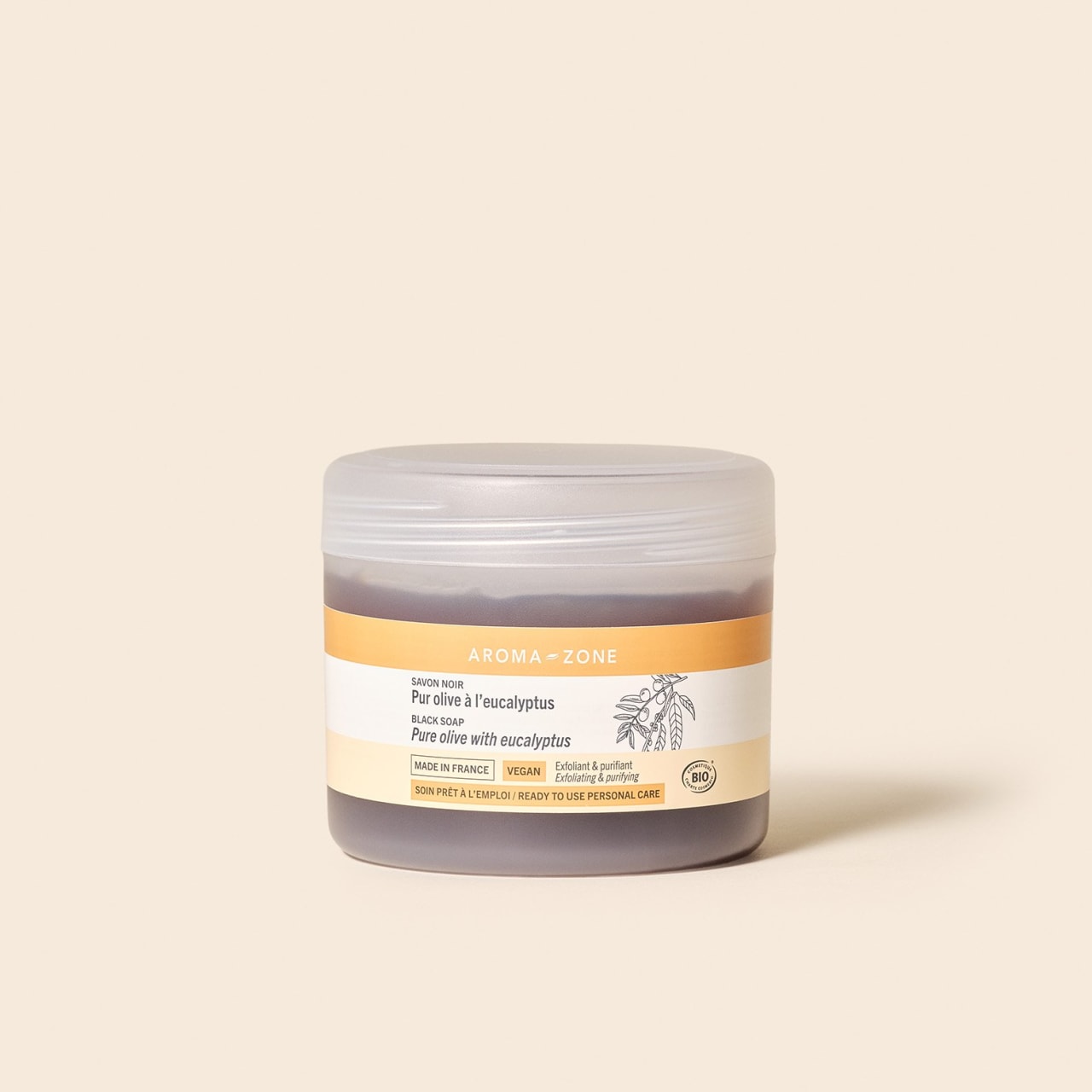
ORGANIC Eucalyptus essential oil black soap

What are the benefits of using a kessa glove?

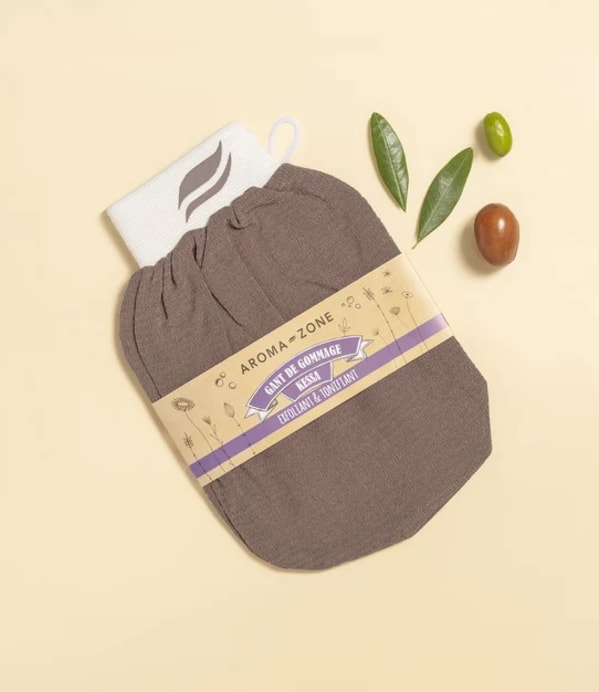
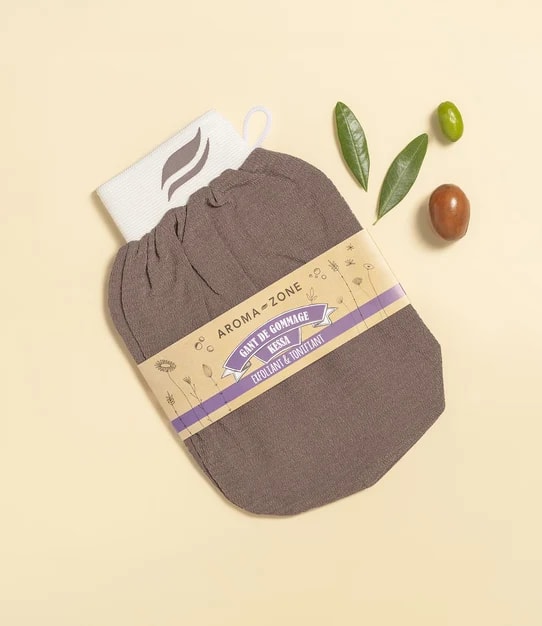
Moroccan Kessa exfoliating scrubbing glove

How do you prepare your skin for exfoliation with black soap?

Before exfoliating, it's essential to prepare the skin properly:

  1. To open the pores and soften the skin, take a hot shower. This will make it easier to remove impurities and dead skin cells. The combination of heat and moisture dilates the pores and helps eliminate tension. And that's not all it does: it also clears the respiratory tract. Enjoy this moment of relaxation for 10 to 15 minutes.

  2. Moisten your skin before applying the scrub for better absorption and to avoid irritation.

  3. Before exfoliating, we recommend that you leave the black soap to work for a few minutes (5 to 10 minutes). This will soften the skin even more and maximise the effectiveness of the scrub.

How to make exfoliating black soap at home?

As mentioned, the exfoliating black soap is part of a series of preparatory and enhancing steps. So here's the complete home hammam ritual, with a special focus on the kessa scrubbing glove. Allow 30 minutes to 1 hour.

  1. Cleaning with black soap: Take your black soap. Rub it all over your body and leave for a further 10 to 15 minutes.

2. Exfoliating with a kessa glove: To rid the skin of dead cells and impurities, the crepe-like texture of the kessa glove or the plant fibres of the loofah sponge are an undeniable asset. But to get rid of the most stubborn blackheads, you'll also need to be vigorous: your movements should be firm, brisk and lively, and you should use a circular motion. For the most sensitive skin, you'll need to adapt the firmness of your movements and use less abrasive accessories.

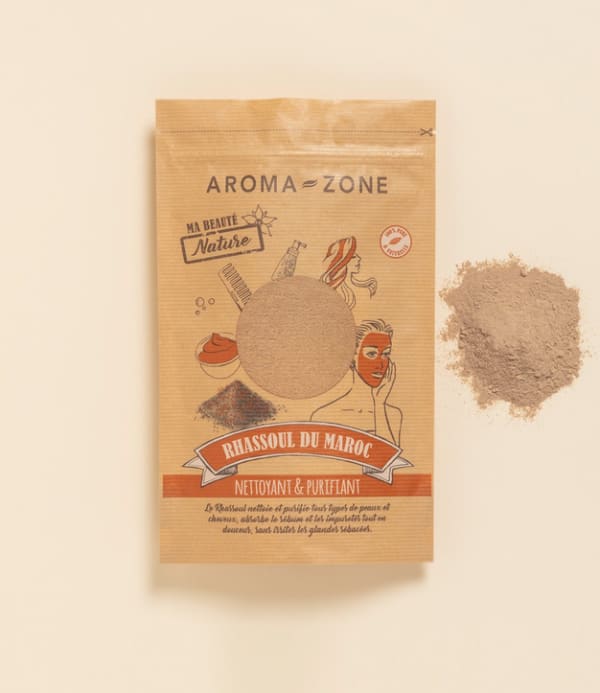
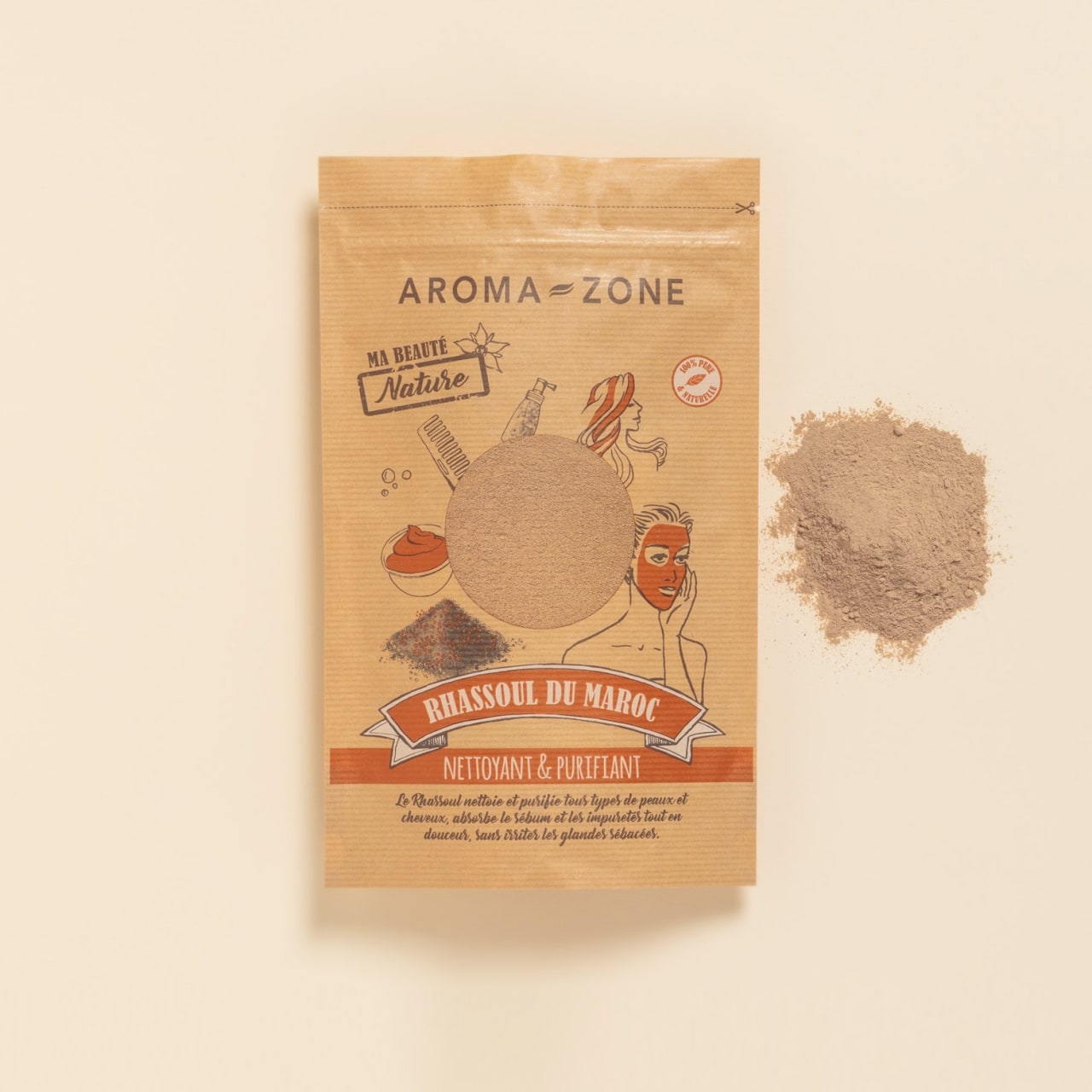
3. Rhassoul body wrap: Have you got a bit of time left? Make the most of it by preparing a Rhassoul body wrap, for even greater softness and relaxation. To do this, mix your Rhassoul powder with water - spring water if possible - to obtain a creamy paste. Then apply it all over your body, and to your face if you wish, leaving it on for 10 to 15 minutes before rinsing.

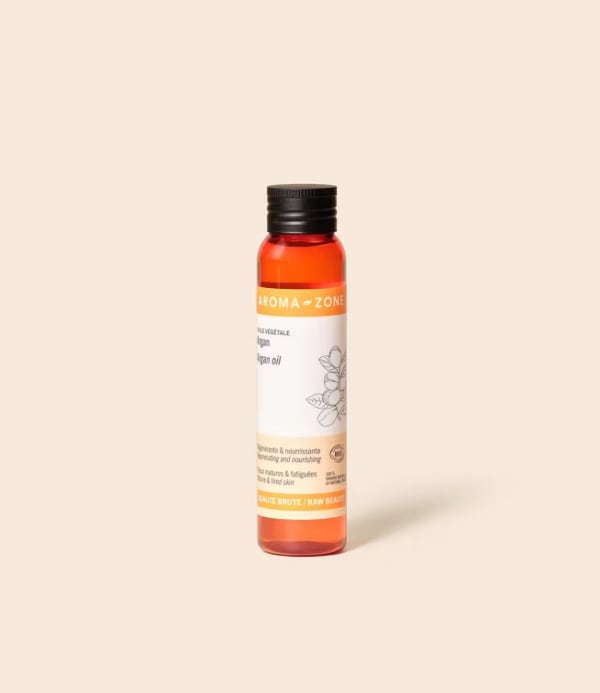
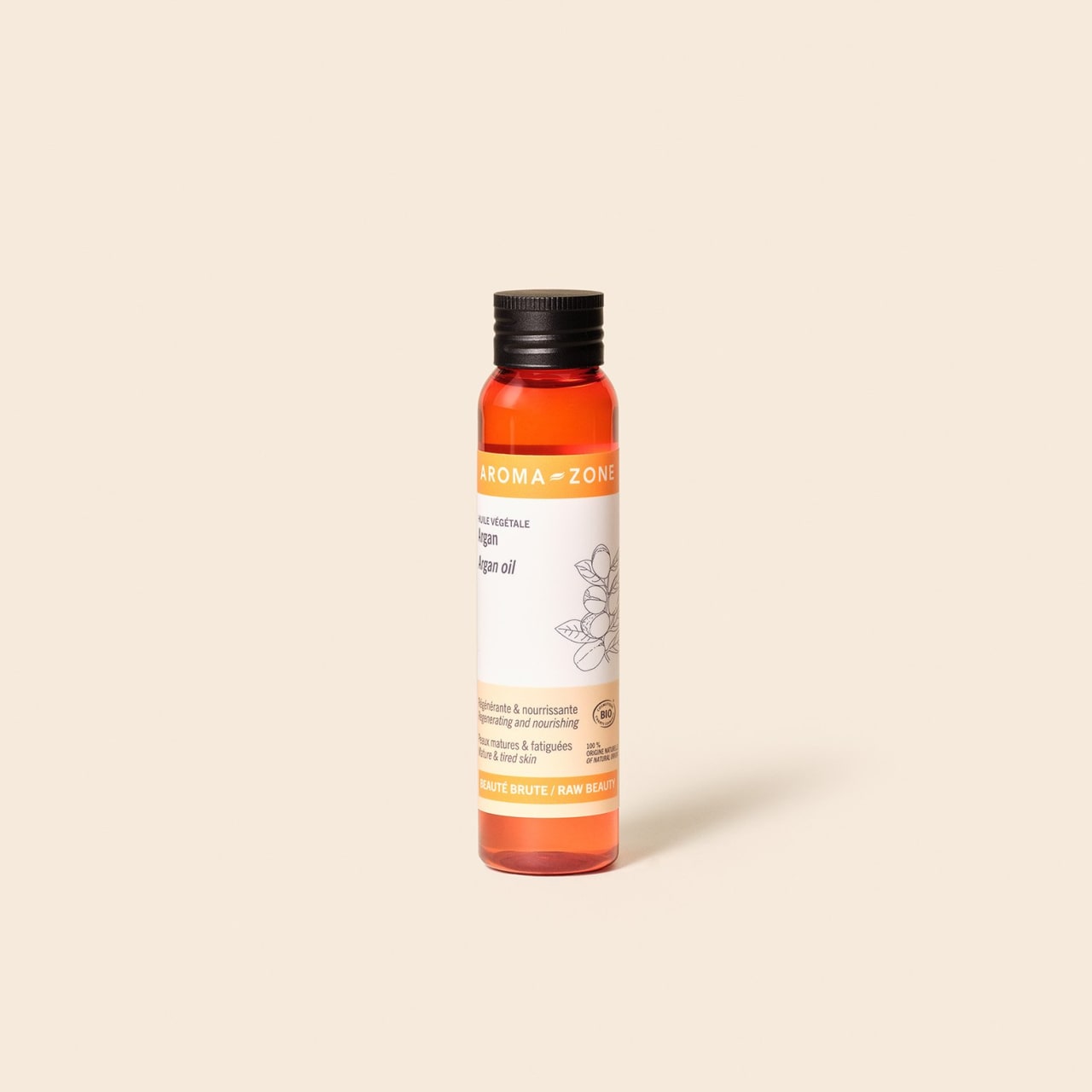
4. Argan massage oil: The final touch to nourish and leave the skin feeling satin-smooth after this homemade treatment? A self-massage with Argan oil: Take the last 5 minutes to nourish the skin while once again activating the circulation in your body and face.

Contraindications

Scrubs should be applied to healthy skin. If you have wounds, cuts or burns on your skin, you should never exfoliate, as this could delay healing and aggravate the lesions. For people with skin conditions such as eczema or psoriasis, scrubbing may intensify the symptoms.

Making your own black soap

Hammam black soap

1

Place the black soap in a bowl and melt over a low heat in a bain-marie to obtain a soft paste.

2

Remove from the heat and add the remaining ingredients, stirring between each addition.

3

Pour the mixture into your jar.

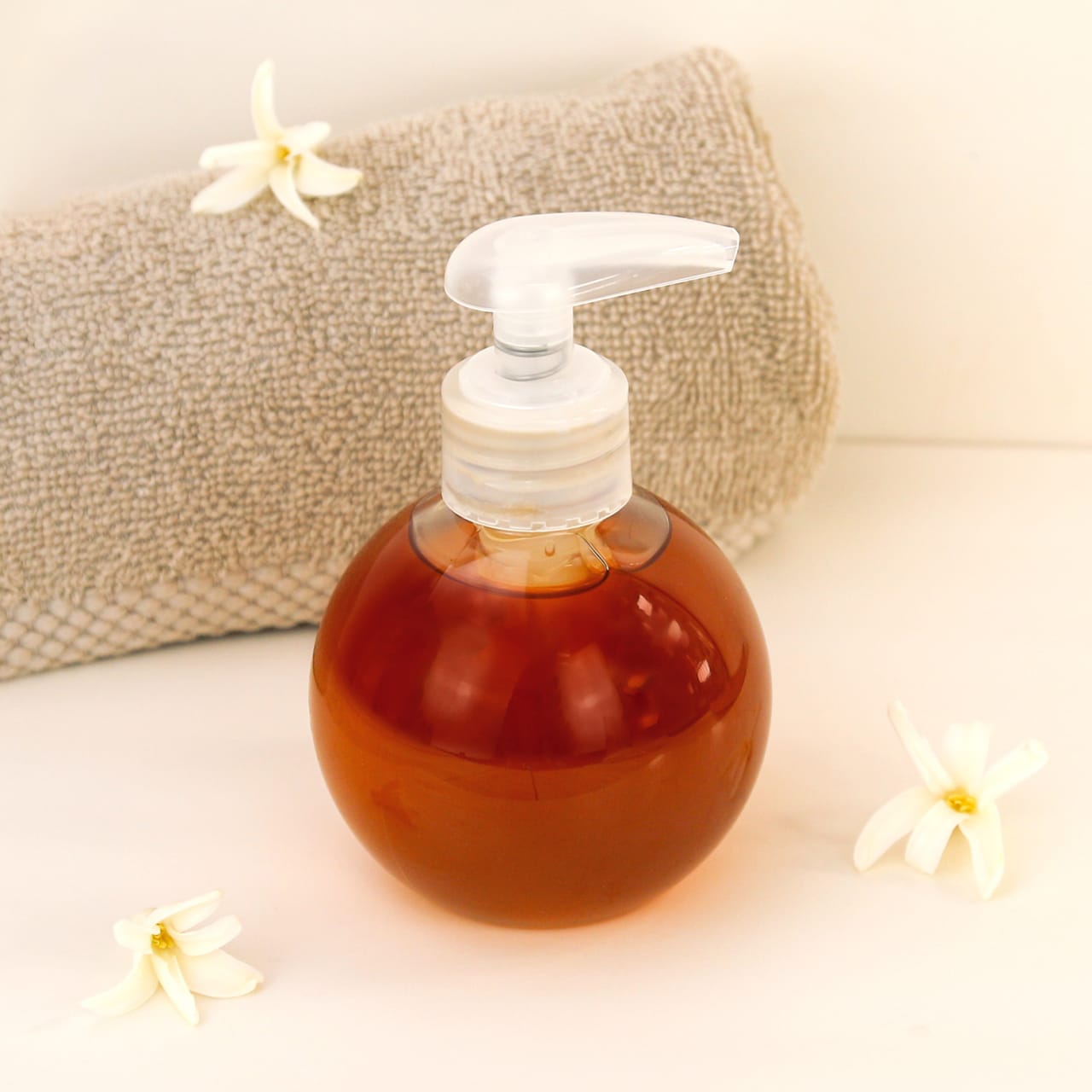
Black soap with honey & jasmine

1

Place all the ingredients in a bowl and mix to blend.

2

Transfer the product into your bottle using the funnel if necessary.

Expert advice

Remember to moisturise your skin as you should. This applies at every level: so don't forget to hydrate from the inside! The ritual of mint tea at the end of the hammam makes perfect sense. But drinking water at room temperature is also effective. Drink as much as you like, until you're no longer thirsty.

Find out more

How often should I exfoliate?

We recommend that you use the Kessa glove to exfoliate your skin with black soap no more than once a week. More regular scrubbing could irritate the skin.

Can other gloves be used for exfoliation?

Yes, other plant-fibre gloves such as the loofah sponge can also be used. However, the Kessa glove is particularly popular for its effectiveness.

Why is it important to moisturise the skin after exfoliation?

Moisturising the skin after a scrub is essential to restore its hydrolipidic film. What's more, it helps prolong the benefits of the scrub by keeping the skin soft and supple.

Bibliography

1

Béguin, J. (2019).

Les bienfaits du savon noir dans les soins corporels. Journal de la Cosmétique Naturelle, 12(3), 45-50.