Using an LED Mask? Here's What You Need to Do Before and After

Using an LED Mask? Here's What You Need to Do Before and After


By May Gransart

Published on: Thursday, November 20, 2025, Updated on: Monday, November 09, 2026

Ageing well, fewer blemishes, a brighter glow: LED masks have become a popular part of high-tech beauty routines. But while the promises are appealing, how well they work depends largely on what you do around them. Before and after each session, what you do matters. Here's how to get the most from the light without undermining the effects.

Contents

Related products

Before LED Light Treatment: Prepare Your Skin, Not Just Your Device

An LED session on poorly prepared skin is like applying a treatment to a barrier - its effectiveness is reduced. Before each use, there are certain rules to follow.

  • Cleanse the skin thoroughly with a gentle, sulphate-free and alcohol-free gel. The aim is to remove residue, excess sebum or impurities without damaging the skin barrier

  • Avoid applying oils, rich creams, or occlusive skincare products. These may block the light from penetrating the skin

  • Stop using exfoliating or sensitising products (such as acids or retinoids) just before your session, especially if you have sensitive skin.

Clean, dry, bare skin: this is the foundation of a successful LED treatment.

To find out more, see our guide: How to Cleanse Your Skin Properly
After LED Light Treatment: The Right Steps to Take in the First 10 Minutes

Immediately after LED treatment, the skin may be more receptive. The light is thought to activate microcirculation, stimulate cellular activity and increase tissue oxygenation, which may help skincare products work more effectively. Applying a serum at this stage can help with:

  • Soothing the skin

  • Preserving hydration

  • Optimising the effects of the light with complementary active ingredients

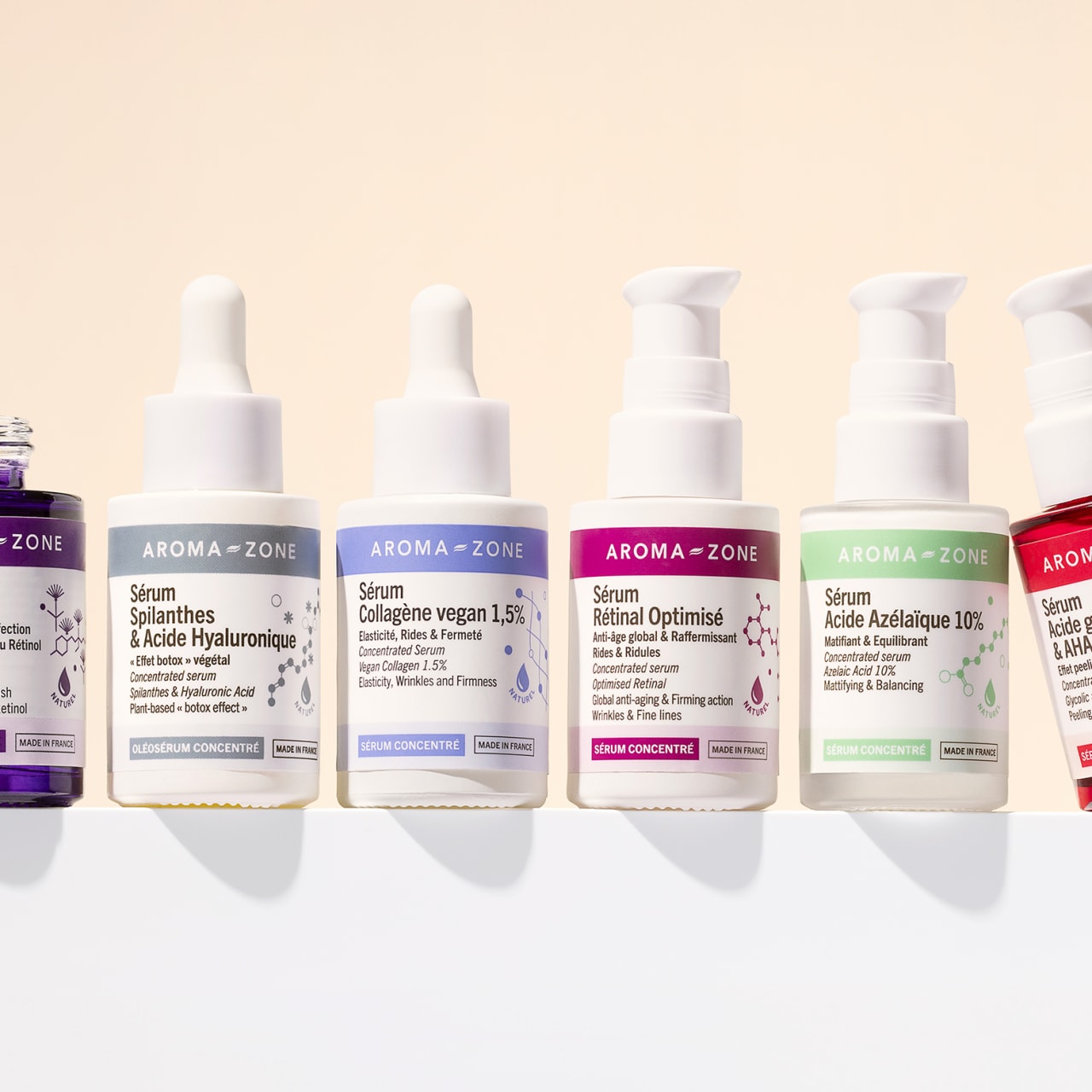
Choose a serum that is water-based, fragrance-free and alcohol-free, formulated with active ingredients tailored to the type of light used:

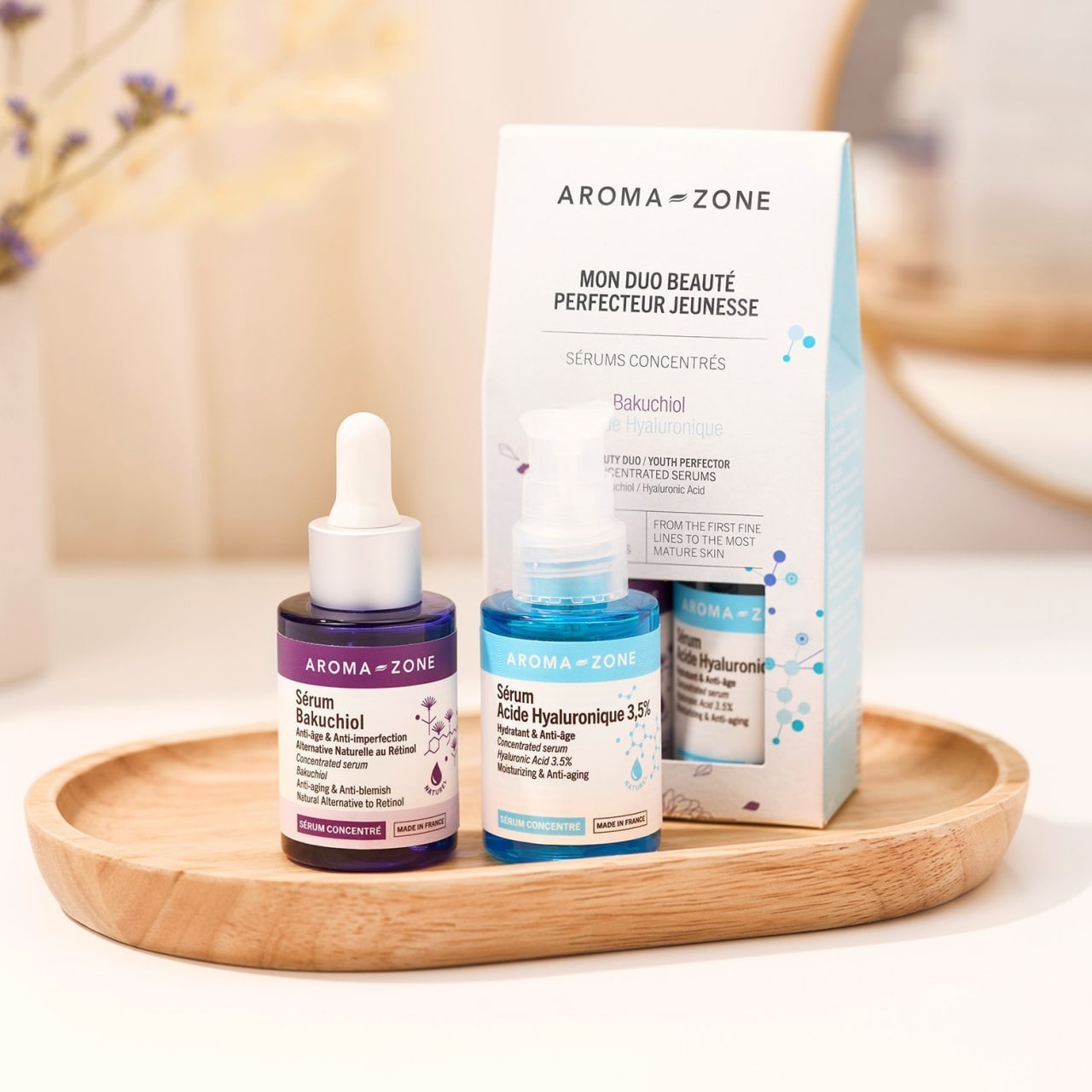
  • Red Light: Hyaluronic acid, bakuchiol, and peptides to boost firmness

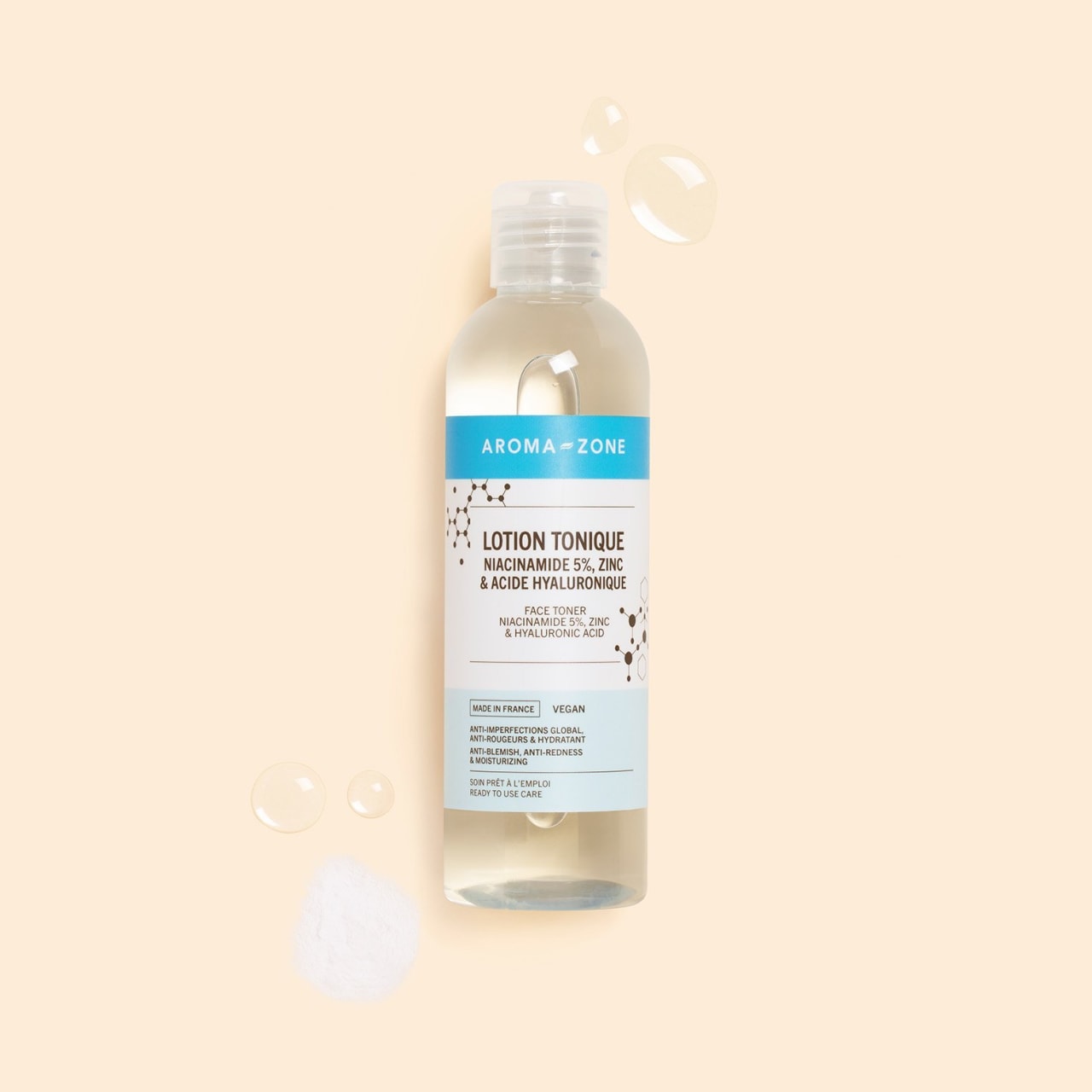
  • Blue Light: Niacinamide and zinc to purify and regulate

  • Yellow Light: Vitamin C and antioxidants to boost radiance

By targeting the skin’s needs immediately after LED treatment, these serums enhance the effects of the treatment while ensuring comfort and protection.

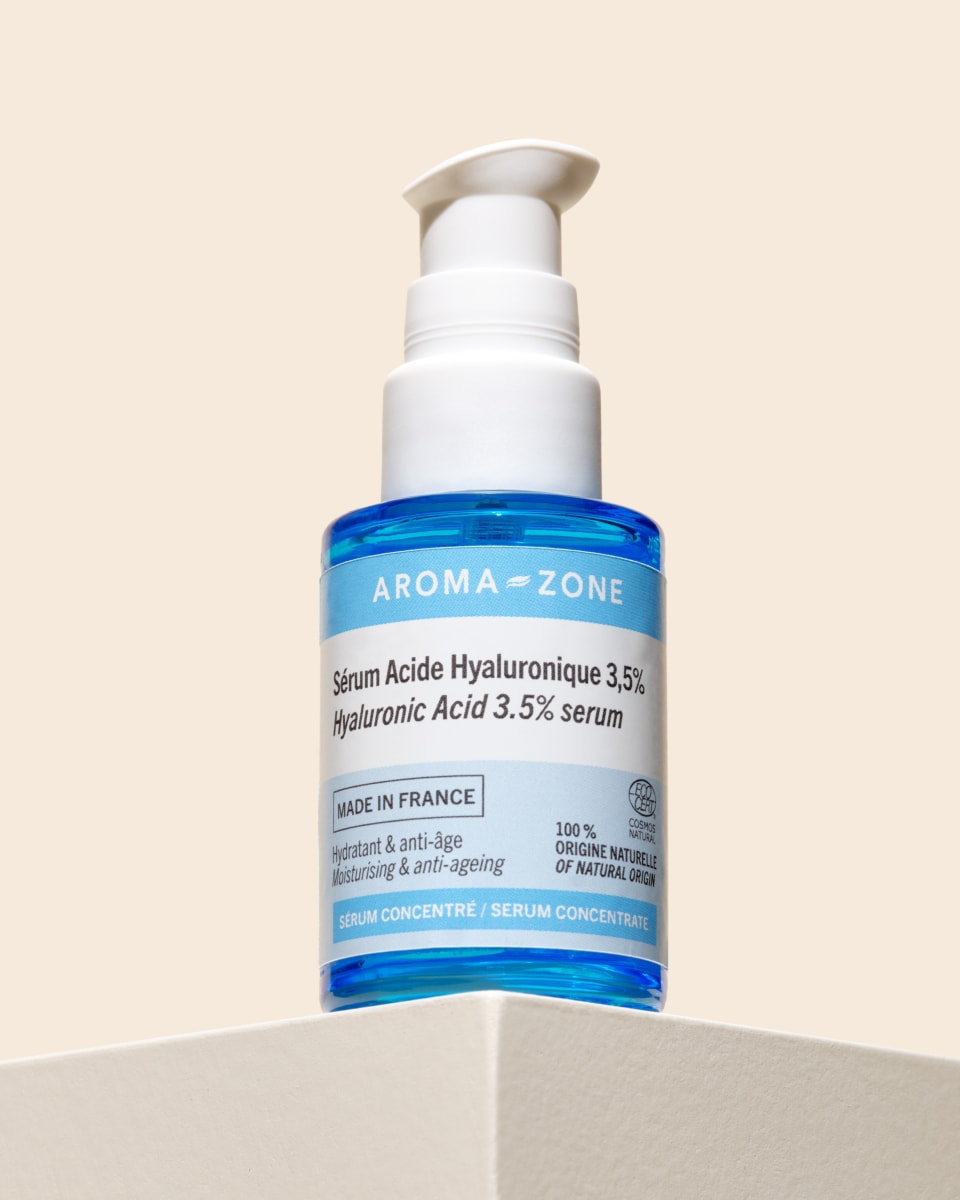
3.5% Concentrated Hyaluronic Acid Serum

Spotlight on the 3.5% Concentrated Hyaluronic Acid Serum

Renowned for smoothing, moisturising and plumping the skin, its fresh, naturally gel-like texture absorbs instantly without leaving a sticky residue or causing tightness. Its effectiveness as an anti-ageing serum has been tested and proven to fill in wrinkles, moisturise and improve the skin’s elasticity. Our hyaluronic acid serum also works wonders on dry and damaged hair, softening and restructuring it. This anti-ageing facial moisturising serum can be used on its own or combined with active ingredients to personalise it. Its new formula is alcohol-free.

Discover our 3.5% Hyaluronic Acid Concentrated Serum

What Really Makes a Difference: Consistency and Regularity

The results of an LED mask aren’t instant. They’re achieved through gradual, regular use: two to three times a week, over several weeks.

What really matters is:

  • Consistency in your routine (preparation, treatment session, post-LED care)

  • Patience (benefits appear on average after 3 to 4 weeks)

  • Adaptation to your skin’s actual needs, depending on the light you choose

Used correctly, LED treatment can help improve the radiance and quality of your skin. Without the right supporting steps, though, you may not see its full benefit.

Spotlight on our expert writer: May Gransart

May Gransart

May has been a writer for nearly 20 years, working for various media outlets and major organisations. She specialises in beauty, health, and parenting! As the mum of a little girl, she pays close attention to the ingredients in the products she chooses for the whole family, without compromising on texture or fragrance!

Bibliography

  1. Avci, P., Gupta, A., Sadasivam, M. et al.

    (2013). Low-level laser (light) therapy (LLLT) in skin: stimulating, healing, restoring. Seminars in Cutaneous Medicine and Surgery, 32(1), 41–52. https://doi.org/10.12788/j.sder.2013.032

  2. Barolet, D., & Boucher, A.

    (2008). LED photoprevention: reduced MED response following multiple LED exposures. Lasers in Surgery and Medicine, 40(2), 106–112. https://doi.org/10.1002/lsm.20625

  3. Darlenski, R., & Fluhr, J. W.

    (2012). Light therapy: is it all illumination or is there something more? Clinics in Dermatology, 30(4), 478–483. https://doi.org/10.1016/j.clindermatol.2012.08.003

  4. Goldman, M. P.

    (2017). LED Light Therapy for Skin Rejuvenation and Acne. Journal of Clinical and Aesthetic Dermatology, 10(1), 25–30. Photobiomodulation Academy. (2020). Mechanisms of Action of LED Light Therapy in Dermatology. https://www.photobiomodulation.org