Dermocosmetics: our targeted skincare range for sensitive and balanced skin

Dermocosmetics: our targeted skincare range for sensitive and balanced skin


By Charlie Morel

Published on: Friday, June 13, 2025, Updated on: Wednesday, October 21, 2026

Dermocosmetics is a field that combines the science of dermatology with the benefits of cosmetics. It offers skincare products tailored to sensitive skin or skin prone to various imbalances, focusing on the effectiveness and tolerability of the formulations. Designed to treat, soothe and strengthen the skin, these products fit easily into a natural skincare routine.

Let’s explore together what dermocosmetics really are, what benefits they offer our skin, and how to incorporate them into a daily natural skincare routine.

Contents

Related products

What are dermocosmetics?

Dermocosmetics refers to all skincare products designed to address specific skin concerns whilst respecting the skin’s natural balance. It lies at the intersection of two disciplines: cosmetics, which acts on the surface to improve the skin’s appearance, and dermatology, which focuses on its physiological disorders.

Dermocosmetic products are generally formulated with active ingredients rigorously selected for their proven efficacy, optimal tolerability and their ability to penetrate deeper into the skin, reaching the dermis. Examples include ingredients such as hyaluronic acid, niacinamide, ceramides, and zinc.

These skincare products can be used on their own or alongside a dermatological treatment, particularly to support skin prone to acne, atopic dermatitis or sensitivity, or affected by conditions such as eczema, psoriasis or rosacea.
What are the benefits of dermocosmetics?

Dermocosmetics act at the source of skin imbalance. Dermocosmetic products, composed of fine molecules, penetrate down to the dermis, the middle layer of the skin. As a reminder, the skin consists of three layers: the epidermis (outer layer), the dermis and the hypodermis (the deepest layer). As the dermis is well-vascularised, it is at this level that a cosmetic treatment will have the greatest effect on the skin. Dermocosmetics are therefore characterised by their targeted action and clinical efficacy. They offer a wide range of key benefits:

  • Restoring the skin’s balance: by strengthening the hydrolipid barrier, it helps the skin to defend itself naturally against external aggressors.

  • Deeply nourish: thanks to moisturising and lipid-replenishing active ingredients such as hyaluronic acid or fine plant oils.

  • Soothes inflammation: many dermocosmetic products are formulated to soothe redness, itching or a burning sensation associated with skin hypersensitivity.

  • Repairing damaged skin: dermocosmetic formulas work deep within the epidermis to promote cell regeneration and minimise marks or scars.

  • Correcting imperfections: certain formulations are specifically designed to regulate sebum, unclog pores or reduce pigmentation marks.

For which skin types?

One of the great advantages of dermocosmetics is their high tolerance, which makes them suitable for all skin types, including the most sensitive or reactive. They are particularly suited to:

Sensitive or allergy-prone skin: prone to redness, tightness and discomfort: dermocosmetic products are formulated to minimise reactions, thanks to gentle, fragrance-free and alcohol-free textures enriched with soothing active ingredients

Acne-prone or oily skin: which requires purifying, sebum-regulating yet non-drying care: ingredients such as zinc, niacinamide or salicylic acid are used to unclog pores whilst respecting the skin’s natural balance.

For dry to very dry skin: which needs intense hydration and a lipid boost: creams rich in ceramides, essential fatty acids or plant-based butters help to restore the hydrolipidic film.

For mature skin: seeking antioxidant, firming and regenerating skincare: these often contain plant-based collagen, hyaluronic acid or anti-ageing plant extracts.

For atopic skin or skin prone to eczema: which requires lipid-replenishing and protective skincare.

For dehydrated skin: regardless of skin type (oily, dry or combination), to restore deep hydration with humectants such as glycerine or hyaluronic acid.

Please note

However, dermocosmetics are also suitable for normal to combination skin types seeking balanced, simple and effective skincare that does not overload the skin. They can be used occasionally or on an ongoing basis, depending on the skin’s changing needs.

Why use dermocosmetics for your skin?

Unlike some conventional cosmetics, whose formulas are sometimes overloaded with fragrances or irritants, dermocosmetics focus on simplicity, effectiveness and safety. They are particularly recommended for mild to moderate skin imbalances, or as a follow-up to more targeted dermatological treatments.

The skin, as a living organ, can be affected by numerous factors: stress, pollution, an unbalanced diet, hormonal changes, medication… Dermocosmetics help to restore the integrity of the skin barrier and to revitalise the skin’s natural defence, regeneration and skin hydration.

It is therefore not only a tool for daily skincare, but also a preventative measure, particularly against skin ageing, chronic inflammation and allergic reactions.

Dermocosmetics and natural cosmetics: What’s the difference?

No, dermocosmetics and natural cosmetics are not exactly the same thing, even though they can sometimes overlap.

Dermocosmetics is defined by a scientific and clinical approach to skincare. It is based on dermatologically tested formulations, often used to treat or alleviate skin imbalances (acne, eczema, rosacea, etc.). It is primarily developed to ensure tolerance, efficacy and safety, and is aimed at sensitive or problem skin.

Natural cosmetics, on the other hand, are based on the use of ingredients of natural origin (vegetable oils, hydrolats, plant extracts, etc.), without controversial substances (parabens, silicones, PEGs, etc.). They aim to respect both the skin and the environment, with more minimalist formulations.

At Aroma-Zone, dermocosmetics take the form of natural dermocosmetics, that is to say, skincare products formulated using plant-based or mineral active ingredients, but meeting high dermatological standards (tolerance tests, proven efficacy, appropriate pH, etc.).

Which products are suitable for this approach?

Many products are part of a dermocosmetics approach, thanks to their formulas rich in naturally derived active ingredients, tested for tolerance and efficacy.

Among these are the targeted serums, which should be applied to cleansed skin, before your moisturiser, for deep and specific skincare.

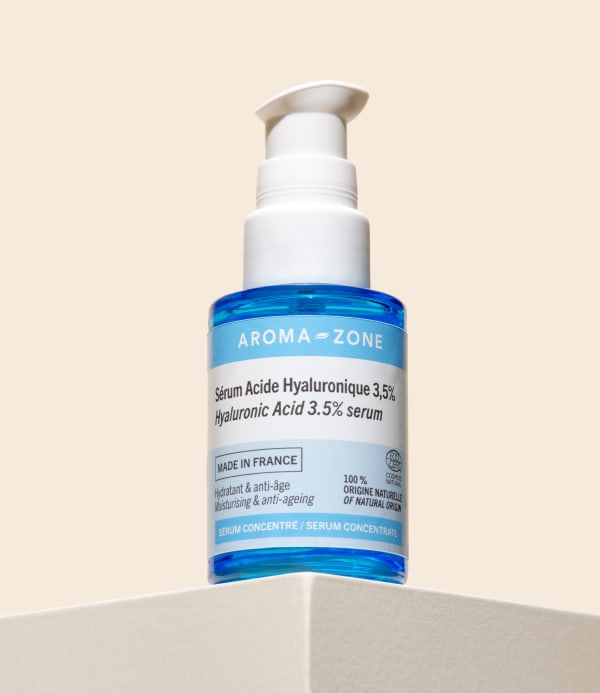
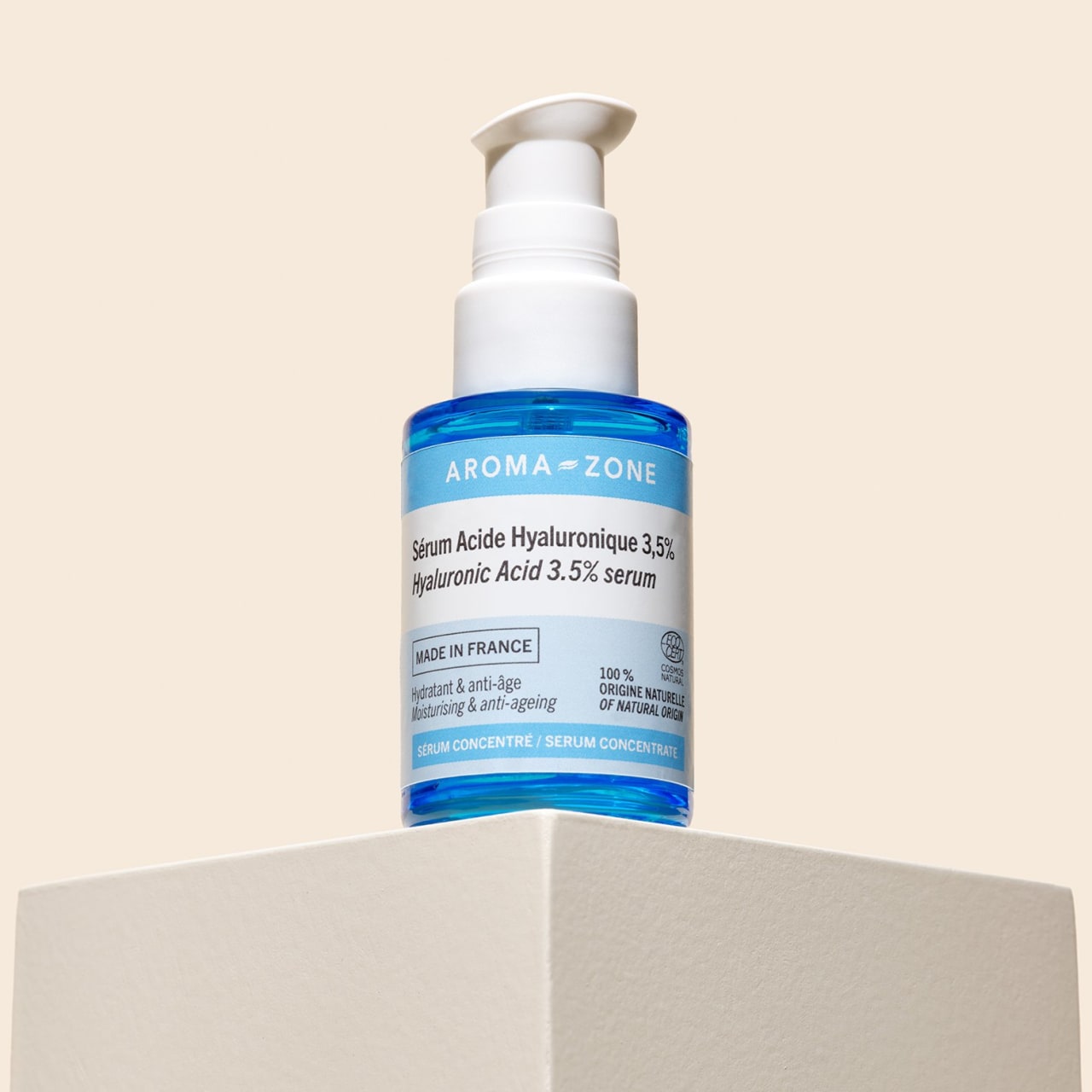
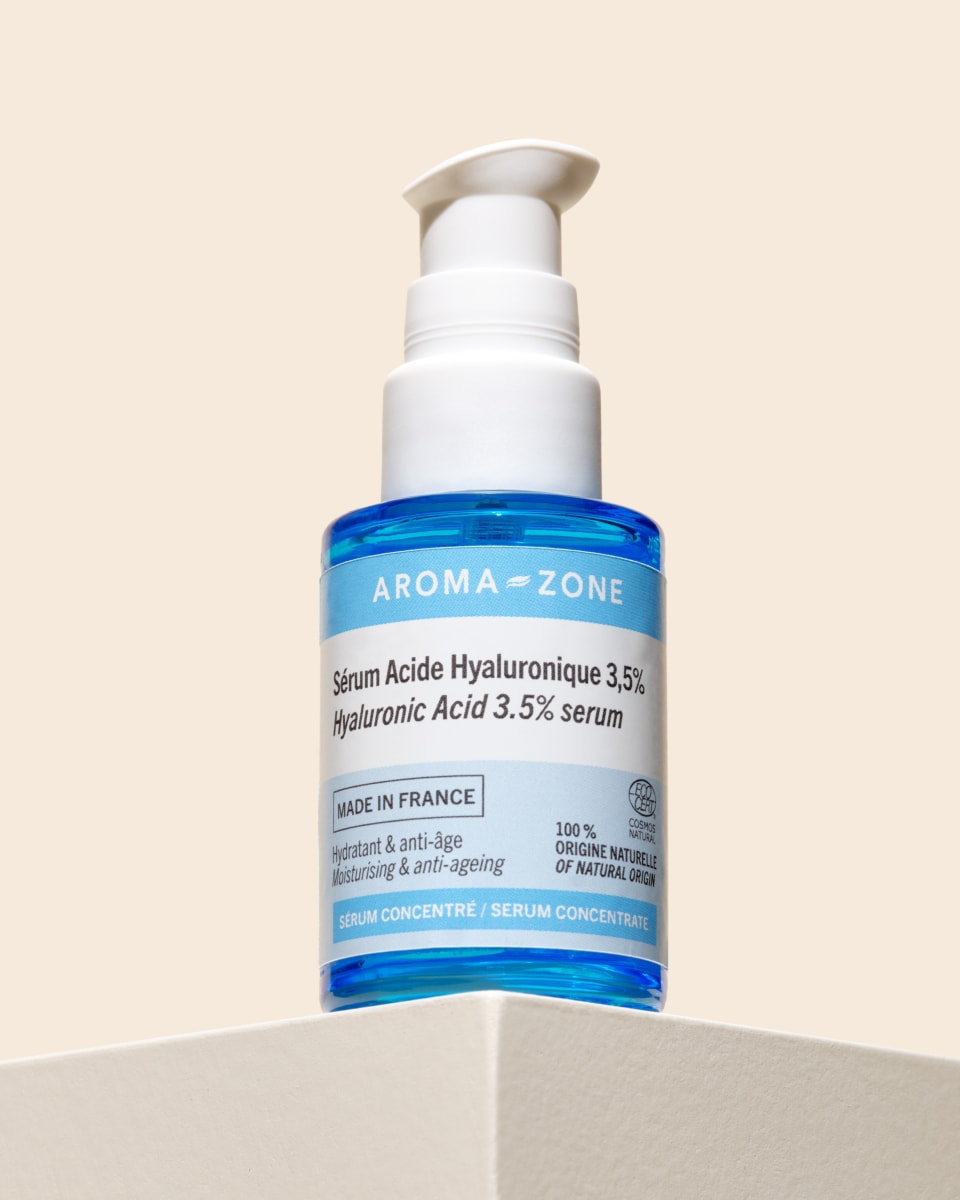
3.5% Concentrated Hyaluronic Acid Serum

3.5% Concentrated Hyaluronic Acid Serum

The 3.5% Concentrated Hyaluronic Acid Serum is an ultra-hydrating, anti-ageing skincare product, formulated from 100% natural ingredients. Thanks to its exceptionally high concentration of hyaluronic acid with varying molecular weights, it plumps the skin, smooths out wrinkles and improves skin elasticity. Dermatologically tested, it provides intense hydration, leaving the skin radiant and comfortable.

Discover the 3.5% Concentrated Hyaluronic Acid Serum
image

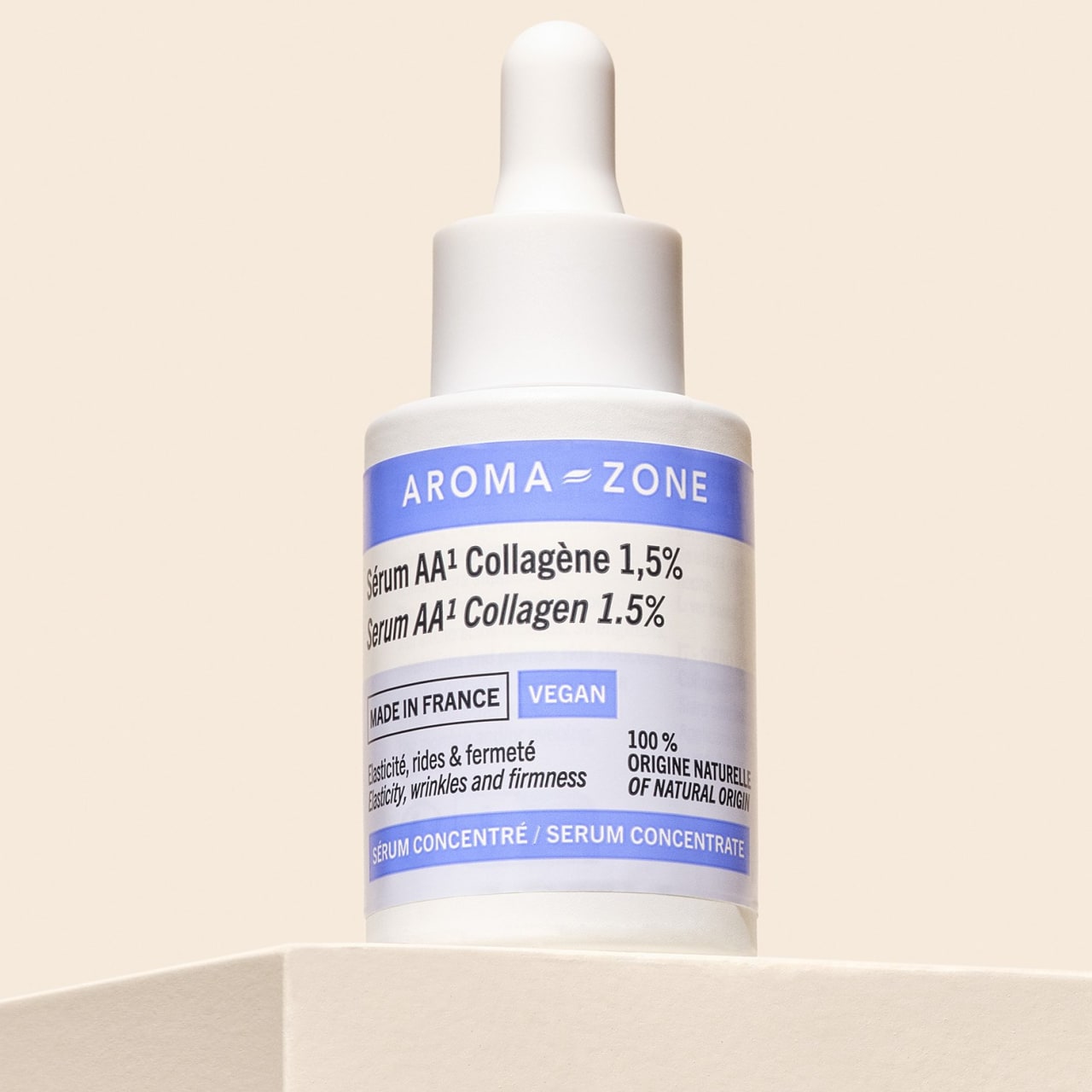
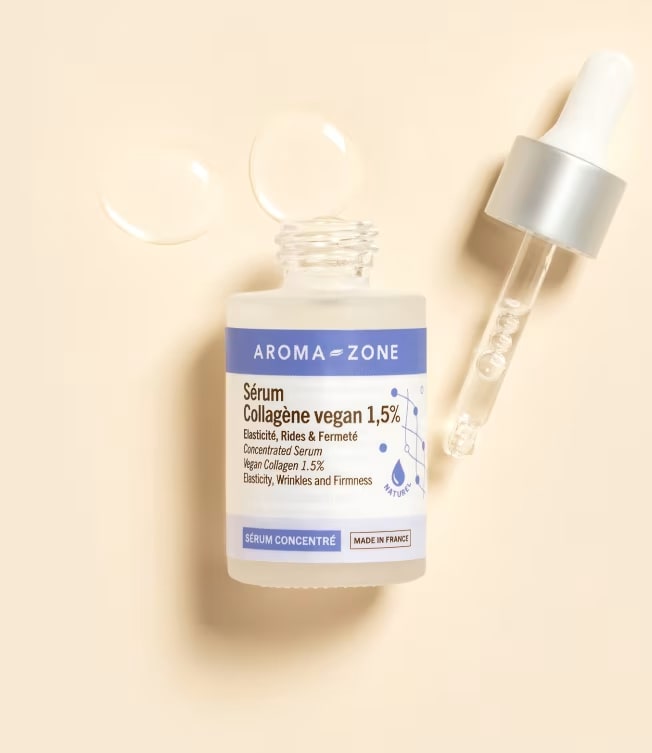
1.5% Vegan Collagen Concentrated Serum

The 1.5% Vegan Collagen Concentrated Serum is a comprehensive anti-ageing treatment, ideal for mature, sagging or dehydrated skin. Thanks to its biomimetic complex of plant-derived peptides and amino acids, it redensifies the skin, improves its elasticity and reduces the appearance of wrinkles. Enriched with hyaluronic acid, it intensely hydrates and strengthens the skin barrier, leaving the skin visibly firmer, smoother and plumper.

Discover the 1.5% Vegan Collagen Concentrated Serum

Please note

These products are designed to be incorporated into a personalised skincare routine, tailored to your skin type and its specific or long-term needs.

What routine should you follow?

An effective dermocosmetics routine is based on consistency, gentleness and personalisation. Here is an example of a daily routine to follow in the morning and evening, adapting the products used to suit your skin type.

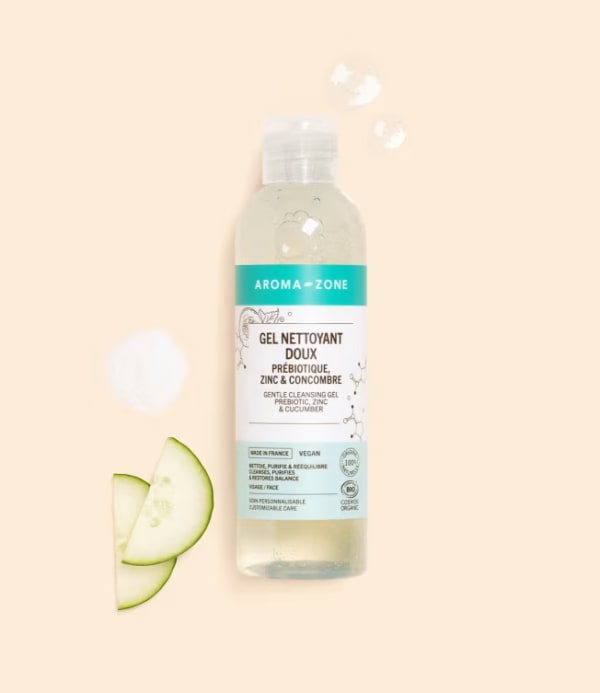
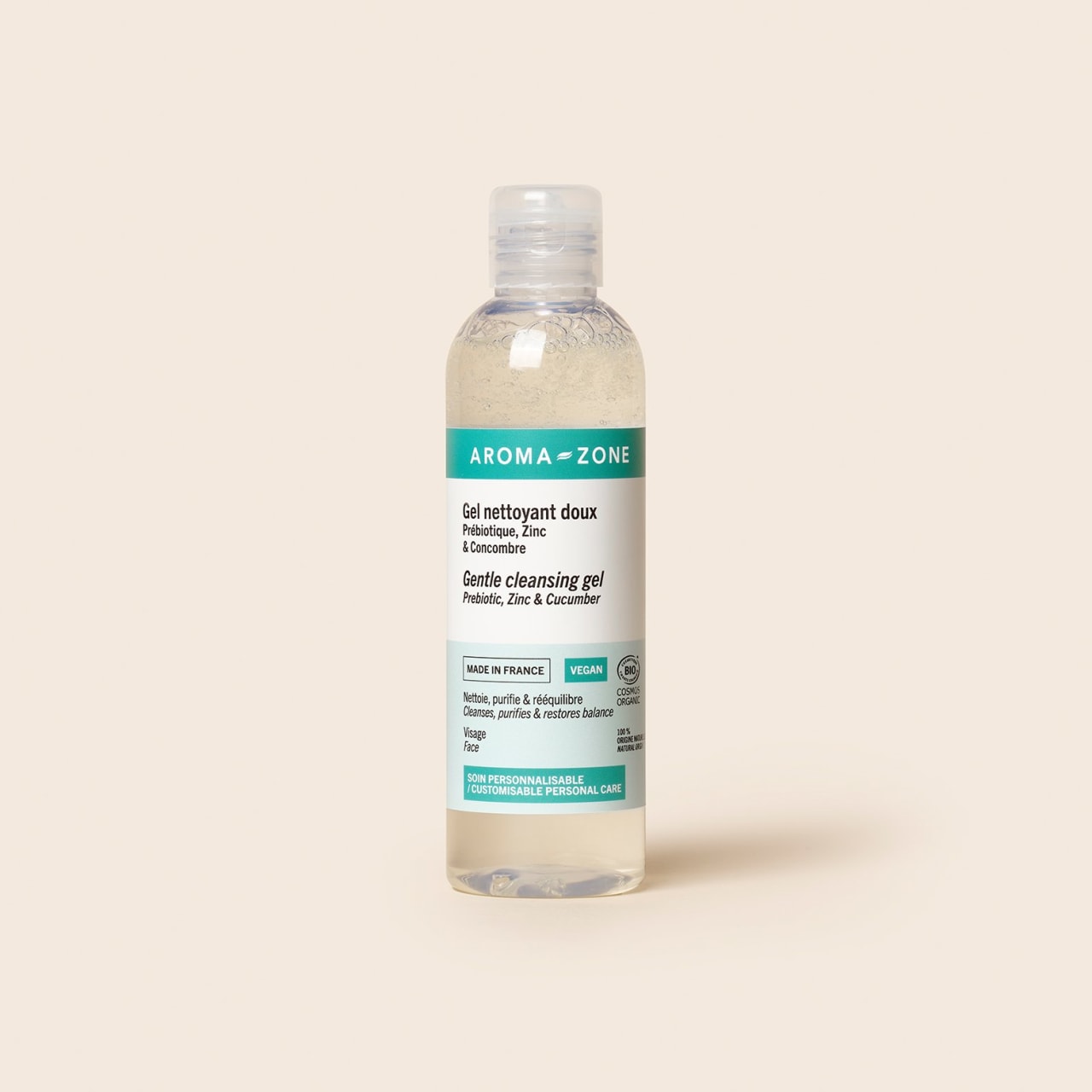
Gentle Prebiotic, Zinc & Cucumber Cleansing Gel

1. Start by cleansing your face, using a gentle cleanser suited to your skin type (gel, milk, micellar water). For example, our gentle Prebiotic, Zinc & Cucumber Cleansing Gel is perfect for cleansing and purifying combination to oily skin.

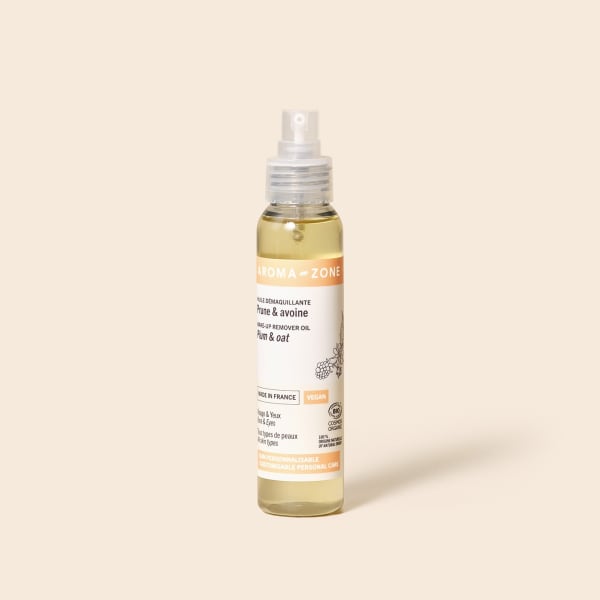
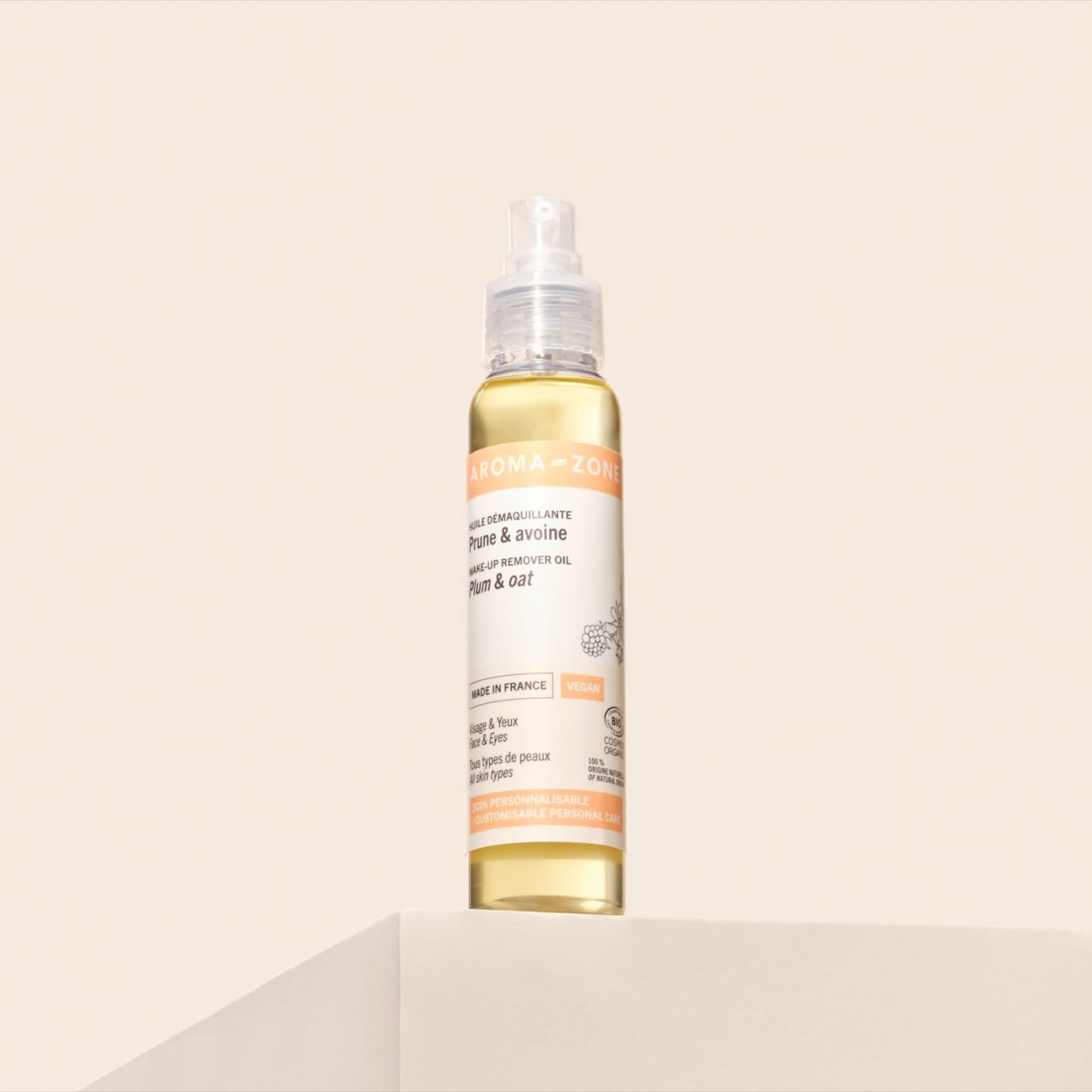
Plum & Oat Cleansing Oil

2. In the evening, carry out a double cleanse by removing your make-up first; you can use our make-up remover oil, which is ideal for all skin types. Then spray on some hydrolat to complete the cleansing process.

3.5% Concentrated Hyaluronic Acid Serum

3. Apply a targeted skincare product, such as a serum or active ingredient, suited to your skin type; we generally recommend hyaluronic acid, which is ideal for all skin types. 

4. Follow this up with a moisturising or lipid-replenishing cream to strengthen the skin barrier.

5. In the morning, don’t forget to finish with sun protection, which is essential for protecting your skin from UV rays!

Once or twice a week, it is important to exfoliate your skin, whatever your skin type, to remove accumulated dead skin cells and promote cell renewal. Use a gentle enzymatic exfoliator. Then apply a moisturising or soothing mask to restore radiance and comfort.

Expert advice

Dermocosmetics bridges the gap between skincare and health. What makes it unique is its ability to gently address skin concerns without compromising on effectiveness. For those with sensitive, acne-prone or eczema-prone skin, it is often a relief to find products that are simple, safe and tailored to their needs. My advice: start with a short, well-targeted routine tailored to your specific skin concern.

Spotlight on Our Specialist Writer: Charlie Morel

charlie.jpg

Charlie holds a Master’s degree in cosmetic formulation. Passionate about cosmetology but also a great lover of words, she decided in 2020 to become a web editor specialising in cosmetics and beauty. It was her desire for a career change that gave her the idea of going freelance, as she wanted to be able to work from anywhere in the world.

Bibliography

  1. M.-D. Thouvenin, K. Siala, H. Coubetergues. Efficacy of a dermocosmetic product in adults and adolescents with acne: a comparative clinical study. Annales de Dermatologie et de Vénéréologie. Volume 147, Issue 12, December 2020.

  2. Aurélia Guidevaux. The dermocosmetics market through the evolution of services and the introduction of ranges dedicated to cancer. Pharmaceutical Sciences. 2024.

Frequently Asked Questions

Frequently Asked Questions

Associated recipe