Can Royal Jelly be dangerous?

Royal Jelly: caution, danger? Not necessarily, but it's best to be sure before starting a course of treatment. Although Royal Jelly is natural, there are a number of contraindications to be aware of. Similarly, it can sometimes cause undesirable effects. These will depend mainly on your previous history and your state of health. So be careful when introducing this superfood into your daily routine. And if you have the slightest doubt, always seek the advice of a health professional (doctor or pharmacist).

Reading time: 0 min.

Dangers of Royal Jelly: what should you do?

The benefits of Royal Jelly are based above all on evidence of its empirical use (as far back as ancient China). Even today, although its composition is known, it has effects that escape the scientific community.

For those of you about to embark on a course of treatment, this means two things. Firstly, that you must remain reasonable in view of the expected benefits. Secondly, that you cannot ignore certain risks, in particular its potential dangers and undesirable effects.

This article is not intended to frighten you. Its sole purpose is to help you feel more confident about taking it orally or applying it topically. Under no circumstances does it replace the advice of a medical professional.

What is Royal Jelly?

What is Royal Jelly used for?

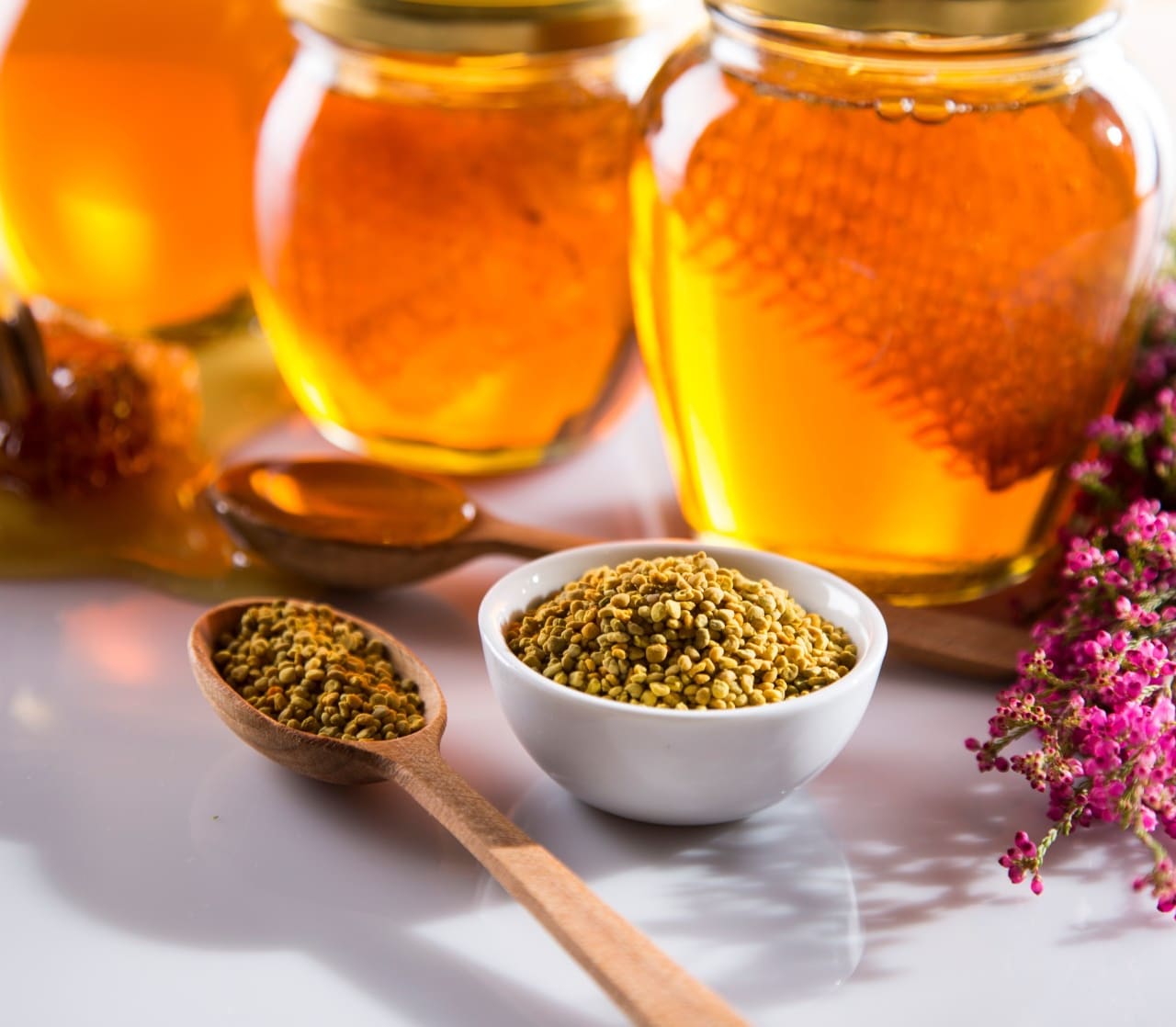
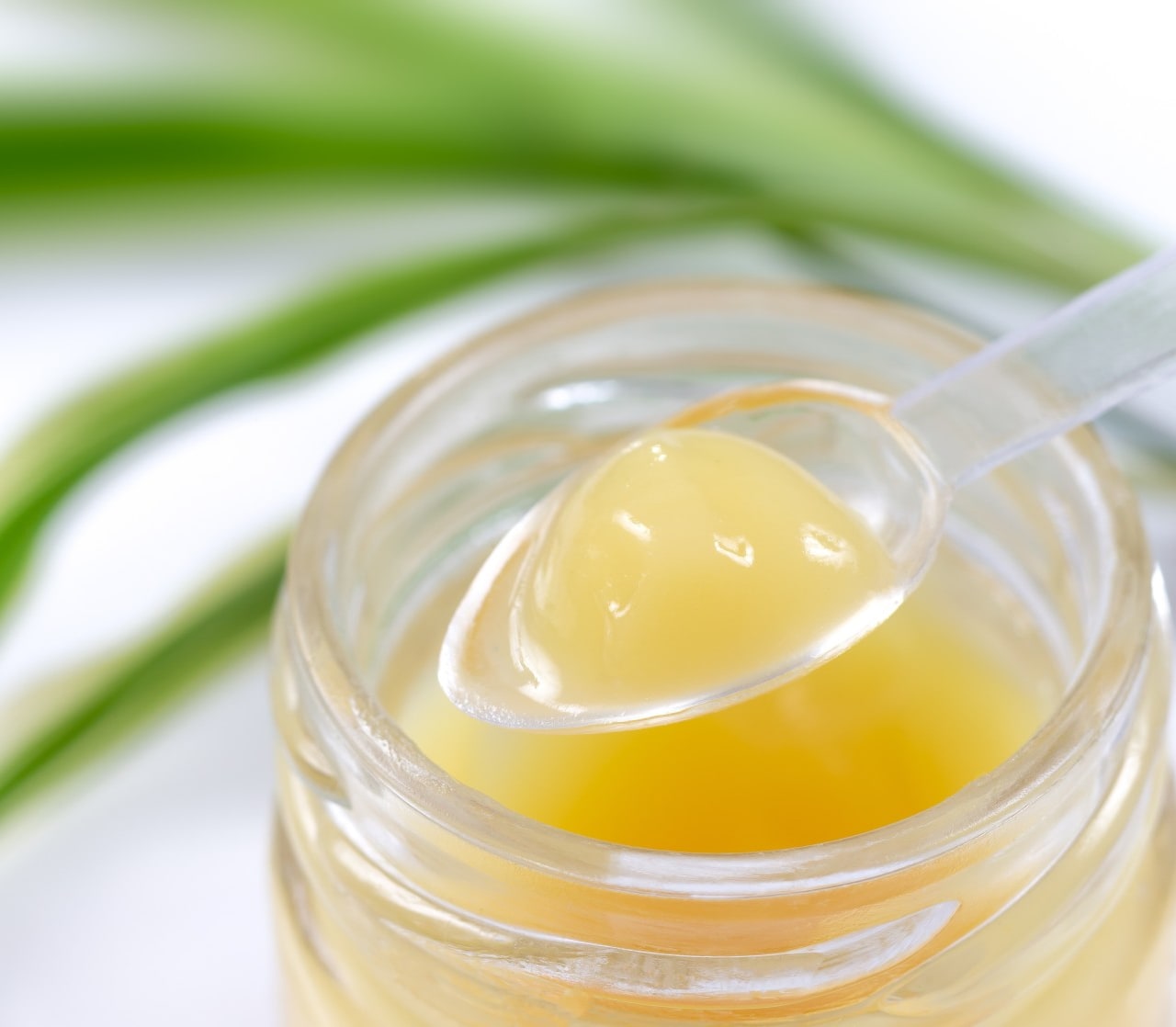
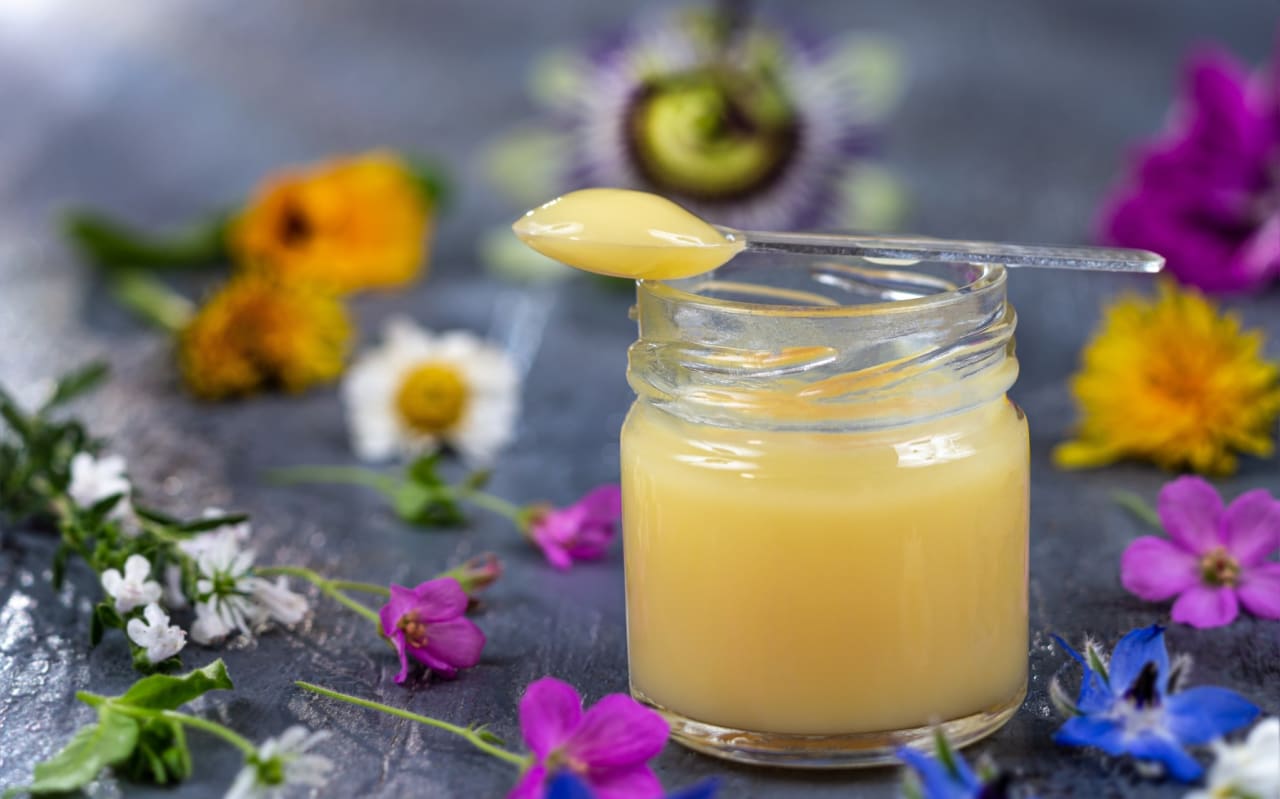
The main danger with Royal Jelly lies in its origin. Although it is natural, it belongs to the world of insects. Initially, nothing predestined it for human consumption. It is a bee product, in the same way as honey, pollen, propolis and beeswax. It comes from the secretions of worker bees, which are temporarily given the role of "nurse bees". Its primary function is to feed the larvae of the brood and to fuel the growth of the queen. It is also known as "bee milk". It is therefore a precious substance, rich in nutritional benefits. Its composition is complex, but well known to beekeepers.

The main components of Bee milk

  • Vitamins (particularly those in the B group, with a majority of B5).

  • Minerals and trace elements (copper, iron, potassium, calcium, silica, phosphorus, sulphur, magnesium, among others).

  • Carbohydrates (glucose, sucrose, fructose).

  • Lipids (including its main active ingredient, 10-hydroxy-2-decenoic acid or 10-HDA).

  • Proteins (apalbumin-1, royalactin, etc.).

  • Amino acids (including the 8 essential for humans).

What are the beneficial effects of Royal Jelly?

Before we talk dangers, let's talk benefits. Today, Royal Jelly is widely used as a food supplement. It is also sometimes recommended as a topical application. It can be found in fresh form (raw, often in jars) or freeze-dried (in ampoules or capsules). It is thought to have toning and fortifying properties that are potentially beneficial in the following cases.

  • Well-being: supporting the immune system, preserving sexual vigour and fertility, regulating cholesterol levels, digestive and appetite problems, reduced physical and mental energy, menopausal problems.

  • Beauty: skin and haircare, moisturising the upper layers of the epidermis, preventing the signs of ageing, combating excessive hair loss.

How long does a course of Royal Jelly last?

Like all food supplements, Royal Jelly can be dangerous if the dosage is not respected. Taking too high a dose can upset fragile organisms, particularly those of children. A scientific study showed that an overdose was toxic in mice.

As a guideline, we generally recommend taking a maximum of 750 mg of fresh Royal Jelly per day (for a person weighing 75 kg). Dosages are lower when freeze-dried. Refer to your supplement manufacturer's instructions.

Similarly, by definition, a Royal Jelly cure is not meant to last forever. Limit its consumption to 4 to 6 weeks. If necessary, you can repeat it later in the year.

What about the potential dangers of Propolis?

Known adverse effects

Research has identified a number of adverse effects associated with the consumption of Royal Jelly. These (often rare) cases must of course be analysed with the necessary hindsight. However, they should not be overlooked in the list of dangers associated with Royal Jelly.

  • Allergic reaction and anaphylactic shock. This inconvenience has mainly occurred in people suffering from asthma or atopic eczema.

  • Haemorrhagic rectocolitis (UC) . This is a chronic inflammatory bowel disease. It was diagnosed in a woman in her fifties after taking it for 25 days.

  • Potential drug interactions, particularly with anticoagulants and antihypertensive drugs.

Precautions

You can limit most of the dangers associated with Royal Jelly by applying the famous precautionary principle.

  • Follow the dosage instructions on your Royal Jelly ampoules or capsules.

  • Store your fresh jelly away from air and light, in an airtight jar. Store in a cool place, between 2 and 5°C. This will preserve its nutritional value. Consume within one year of opening (unless otherwise stated by the manufacturer).

  • Introduce your Royal Jelly food supplement gradually into your daily routine. Increase the doses little by little.

  • Stop taking Royal Jelly immediately if you notice any adverse reactions or signs of allergy. Make an appointment with your GP as soon as possible.

  • If you are ill, undergoing treatment, under medical supervision or at risk of hormone-dependent cancer, always seek advice from a health professional.

Contraindications

The properties of Royal Jelly are almost universal. However, it is not suitable for everyone. Here are a few examples of contraindications.

  • Asthma and allergies. Taking Royal Jelly is not recommended for people who are allergic to honey, bee stings (venom) or hive products. You should also avoid taking any supplements if you suffer from allergies to plants in the Asteraceae family (daisies, dandelions, etc.).

  • Hormone-dependent cancer. In a study of breast cancer, beeswax was implicated in the proliferation of tumour cells. So avoid consuming it if you have a hormone-sensitive cancer (thyroid, prostate, uterus, ovaries, etc.). The same applies if your family has already had cases of hormone-dependent cancers.

  • Pregnancy, breast-feeding and children under 6 (unless otherwise advised by your doctor or paediatrician).

Find out more

Propolis or Royal Jelly: what's the difference?

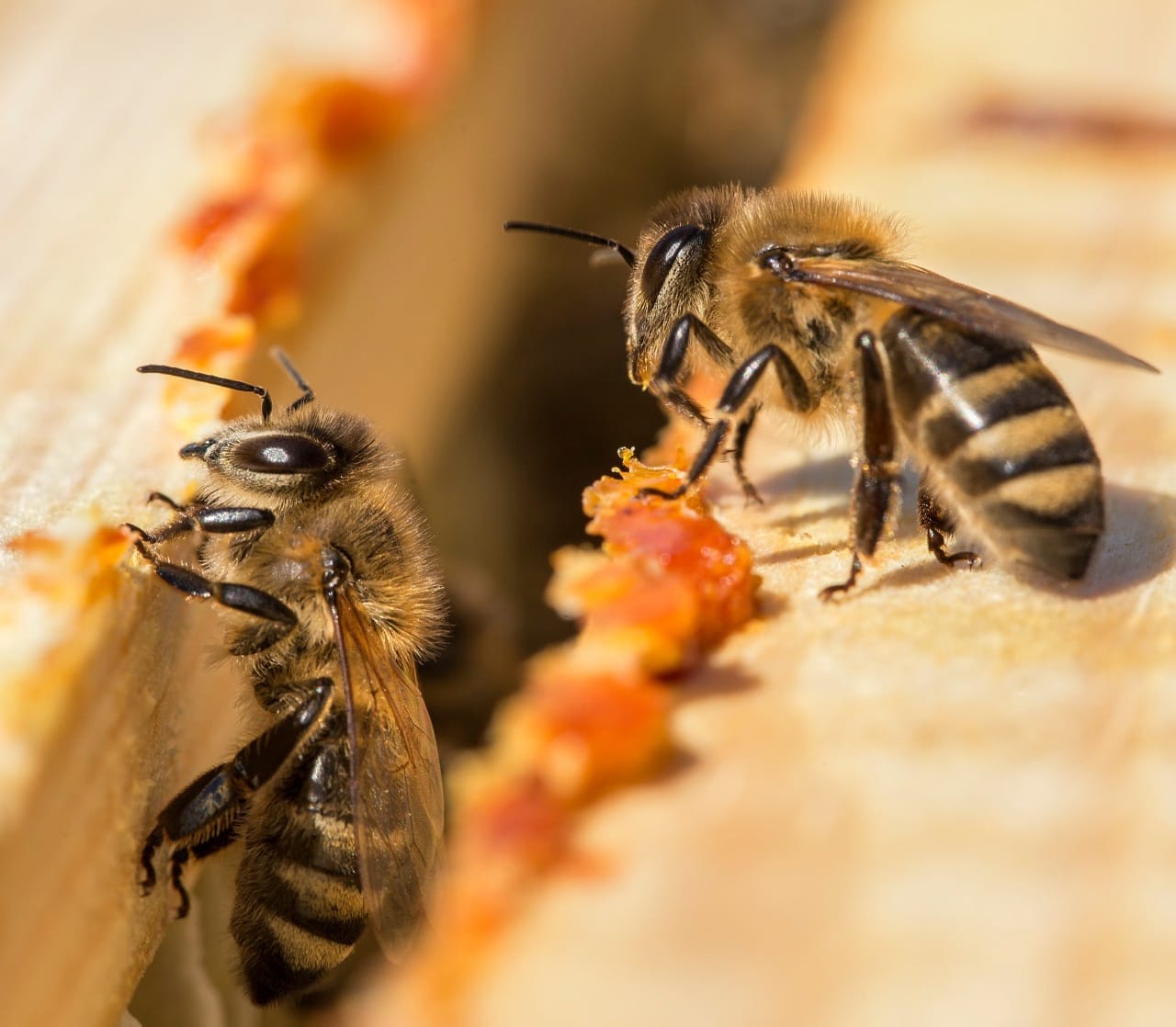
Royal Jelly is not the same as propolis. Propolis is a resinous substance that bees take from the buds and bark of trees, particularly conifers. They then mix it with wax and a little saliva. The resulting mixture is used as mortar to consolidate the hive. Rich in active ingredients, propolis is also said to have benefits for the body. Some food supplements combine Royal Jelly and Propolis.

Can Royal Jelly be taken during pregnancy?

Royal Jelly should not be consumed in pregnancy. It appears to interact with the expression of 260 genes. There is therefore a risk that it could hinder the development of the foetus. Caution should also be exercised while breastfeeding.

Is Royal Jelly good for the heart?

According to current research, the benefits of Royal Jelly could extend to cardiovascular health. Its cardioprotective effects have been the subject of several studies. It is also thought to play a role in regulating blood pressure. However, the scientific findings are still too patchy to conclude that it has a convincing effect on heart health.

Can Royal Jelly be taken all year round?

You can consume Bee Milk throughout the year, but over several short periods. Favour times of seasonal changes (early spring and autumn) to support your body's natural functions.

Spotlight on our specialist editor, Hélène Betoux

Hélène Betoux is a French beauty journalist specialising in web media. Every day she writes tips, advice and guides to help consumers choose the right beauty products. With a strong interest in natural, organic and clean cosmetics, she analyses and shares trends and innovations in the sector.