

Breastfeeding shells - how to use them?

Breastfeeding shells - how to use them?


By Coralie Techer

Published on: Friday, March 08, 2024, Updated on: Wednesday, October 28, 2026

Breastfeeding can be a wonderful experience, but it can also present challenges, particularly when it comes to engorgement, milk leakage and sensitive nipples. Breastfeeding shells are small devices designed to provide natural and discreet support for these common issues. In this article, we’ll explore what they are, how to use them, and the benefits they can offer to breastfeeding mums.

Contents

Related products

What are nursing shells used for?

Breastfeeding shells, also known as breast shells or baby shells, are clever devices designed to make breastfeeding easier. They are also recognised as a 100% natural remedy for nipple sensitivity and cracks during breastfeeding and milk let-down.

Discreetly placed inside the bra, these shell-shaped cups collect milk that flows naturally between feedings. Made from safe materials such as medical-grade silicone or BPA-free plastic, they offer a practical and gentle solution for all breastfeeding mothers.

Thanks to their discreet design and placement inside the bra, they allow breastfeeding moms to go about their daily activities without restriction. These shells thus embody an innovation that combines practicality with respect for physiological needs. Their discreet use and body-safe materials make them invaluable companions for breastfeeding moms throughout this period.
What are the benefits of nursing shells?

Breastfeeding shells are devices worn over the nipples between breastfeeding sessions. They can offer several potential benefits for breastfeeding mothers:

  • Nipple protection: Nursing shells can help protect sensitive or irritated nipples from friction caused by underwear and clothing rubbing against the breasts.

  • Healing of cracks: By keeping the nipples free from irritation, nursing shells can help relieve pain and promote healing of cracked or chafed nipples. They are said to provide a cooling and soothing sensation.

  • Collecting leaked milk: Nursing shells can collect leaked milk after a feeding. Used as collection cups, the milk can be saved for later use, such as for storing breast milk. They replace breast pads.

  • Protection against infections: By preventing nipples from remaining damp due to breast milk or sweat, breast shells can help reduce the risk of fungal or bacterial infections on the nipples.

It is important to note that nursing pads are not necessary for all breastfeeding mothers, and some women may find that they are not suitable for their situation or needs. It is always recommended to consult a healthcare professional for advice on the use of nursing pads and other methods for managing breastfeeding-related issues.

Breastfeeding shells: when to use them?

The nursing shell is a natural method used to prevent potential discomforts associated with the start of breastfeeding and/or to prevent cracks that have already formed. We therefore recommend using nursing shells at the very beginning of this process (in particular) but also during and after.

  1. Between feedings: Breast shells can be worn between feedings to protect sensitive or irritated nipples from friction caused by clothing or bras. This can help relieve pain and promote healing of cracks or skin lesions on the nipples.

  2. During breastfeeding: Some breast shells are designed to collect breast milk that flows from the unused breast while the baby is feeding from the other breast. This allows you to collect breast milk that would otherwise be lost and can be used for feeding or milk storage.

  3. During breast engorgement: In cases of breast engorgement, breast shells can be used to collect breast milk that leaks from the breast between feedings, which can relieve the pressure and discomfort associated with engorgement.

  4. During the healing phase: If the mother has cracked or damaged nipples, nursing shells can be worn to protect the nipples and promote healing by keeping them shielded from friction and moisture.

Breastfeeding shells: how do you use them?

Using nursing shells is simple, but it’s essential to follow a few steps to ensure a comfortable and effective experience. Here’s a step-by-step guide on how to use nursing shells:

  1. Choosing the shells: Select nursing shells that match your bra cup size. Make sure they are made from body-safe materials, such as medical-grade silicone or BPA-free plastic.

  2. Initial cleaning: Before first use, thoroughly clean the nursing shells according to the manufacturer’s instructions. Make sure they are clean and sterile.

  3. Proper placement in the bra: Insert the nursing shells into your bra, with the curved side facing outward and the flat side against your skin. Make sure they fit snugly to prevent leaks.

  4. Wearing them during the day: Wear the nursing shells during the day, especially between feedings. They will collect the milk that naturally flows from the breast, preventing stains on your clothes and helping to prevent breast engorgement.

  5. Emptying regularly: Empty the shells regularly to prevent them from overflowing. The collected milk can be stored for later use or discarded, depending on your preference.

  6. Avoid sleeping with them: It is generally recommended not to sleep with the shells to avoid any risk of blocked milk ducts or discomfort during the night.

  7. Continuous hygiene: Be sure to maintain good hygiene by regularly cleaning the breast shells. Follow the manufacturer’s instructions for cleaning and sterilisation.

Seek professional advice if problems arise: If you experience frequent engorgement, discomfort, or other breastfeeding-related issues, consult a healthcare professional, such as a lactation consultant, for advice tailored to your situation.

Our natural solutions for relieving nipple pain

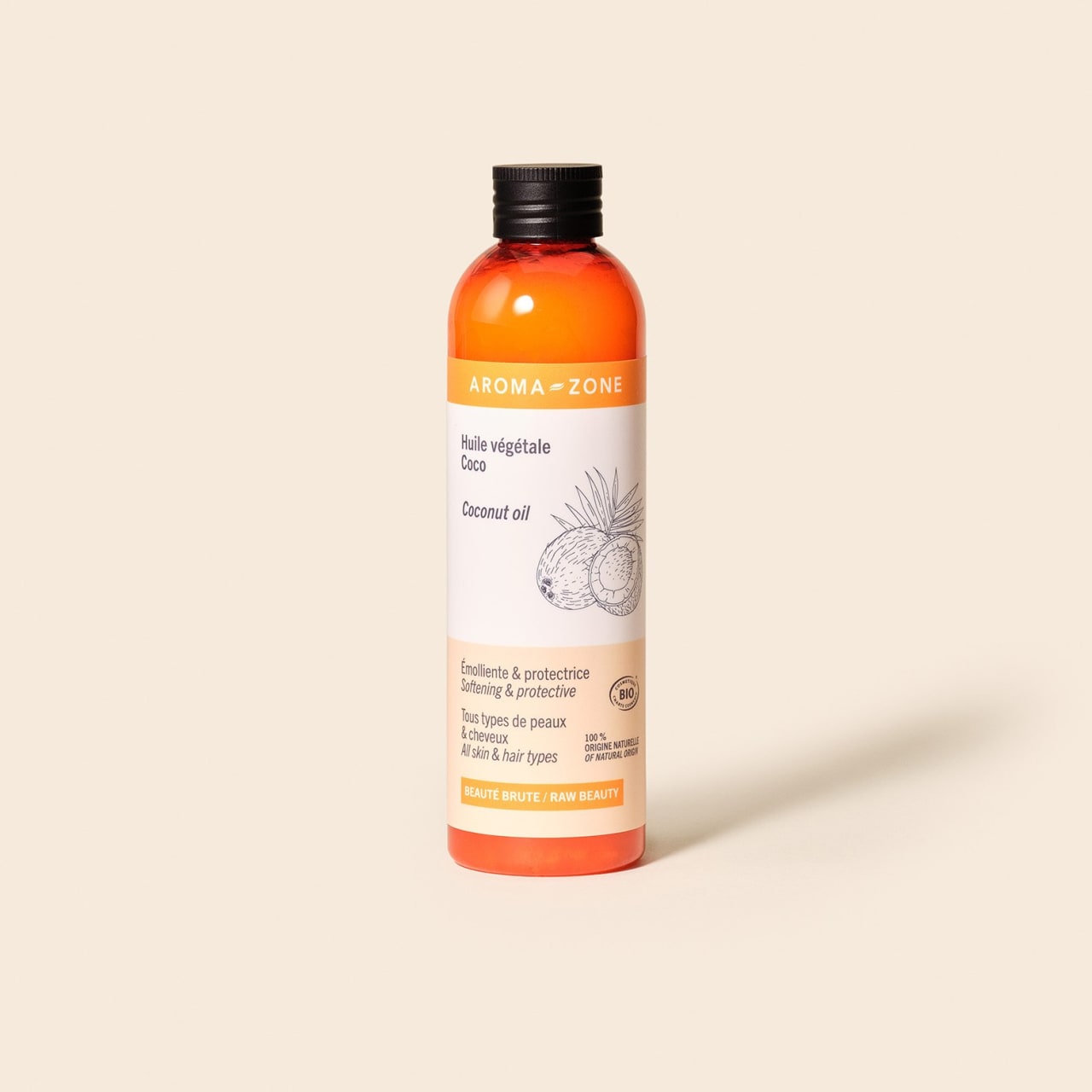
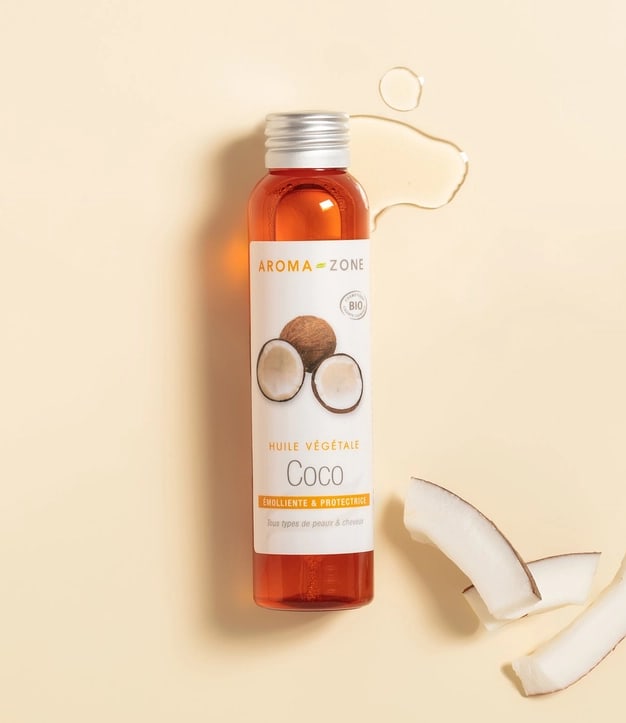
Spotlight on our Organic Coconut Oil

This cosmetic- and food-grade oil is 100% pure and natural, extra-virgin, cold-pressed, and certified organic. It can be used to make mouthwashes inspired by the “oil pulling” technique, such as here. You can also combine it with other vegetable oils that offer similar benefits for gum health (e.g., sesame oil).

Discover our Organic Coconut Oil

  • Let them air dry: After each feeding, let your nipples air dry for as long as possible. Avoid using pads or towels to dry your nipples, as this can further irritate the skin.

  • Use warm or cold compresses: Apply a warm or cold compress to your nipples to relieve pain and reduce inflammation. You can use a warm compress by soaking a washcloth in warm water, or a cold compress by using an ice pack wrapped in a towel.

  • Use proper breastfeeding positioning: Make sure your baby is properly positioned at the breast to avoid strain and excessive irritation on the nipples. Improper breastfeeding positioning can contribute to nipple sensitivity.

  • Avoid harsh soaps: Avoid using scented or harsh soaps on your nipples, as this can dry out the skin and worsen irritation. Instead, opt for mild, unscented cleansers, such as our black soap.

Spotlight on Our Writer: Coralie Técher

Coralie Técher

Coralie has been a journalist and editor specialising in women’s interests for seven years. With a particular interest in topics related to beauty and wellbeing, she is passionate about highlighting the solutions nature offers for self-care and is always keen to stay informed on the subject so she can share the very best insights. 

Bibliography

  1. Gaskin, Ina May.

    The Guide to Natural Breastfeeding: Nurturing Your Child with Freedom. Mama Editions, 2012.(https://books.google.com/books?hl=fr&lr=&id=TCAXCwAAQBAJ&oi=fnd&pg=PT5&dq=coquillage+allaitement+&ots=7LfGSZGTrL&sig=k3_2mfx1Qs0g7QZhLFyhmMd2LYs)

  2. Clere, Nicolas.

    "Feeding the Newborn." Pharmaceutical News 53.533 (2014): 40-42. (https://www.sciencedirect.com/science/article/pii/S0515370013006095)

  3. GREMMO-FEGER, Gisèle and FRANCHE-COMTÉ PERINATALITY NETWORK.

    How to Get Off to a Good Start with Breastfeeding. Institut Conaître, 2006, vol. 34. (https://www.co-naitre.net/wp-content/uploads/2016/04/demarrageallaitementGGFaug06.pdf)

  4. Turck, Dominique, and the Nutrition Committee of the French Society of Pediatrics.

    "Breastfeeding: Health Benefits for the Child and Mother." Archives of Pediatrics 12 (2005): S145-S165. (https://www.sciencedirect.com/science/article/pii/S0929693X05005518)

Frequently Asked Questions

Frequently Asked Questions
