
Boils on the Thigh: What Are the Natural Solutions?

Boils on the Thigh: What Are the Natural Solutions?


By Guillaume Renaud

Published on: Tuesday, August 05, 2025, Updated on: Wednesday, October 28, 2026

A boil on the thigh is one of the more uncomfortable places for this kind of skin infection to appear. This area comes under constant strain while walking and rubs against clothing, which can make every movement painful. Sitting for long periods becomes difficult, and the infection can take a real toll on everyday life. Given how disruptive this can be, natural solutions offer a gentle, considerate way to help ease your symptoms.

Contents

Related products

What Is a Boil?

A boil is a bacterial infection of the pilosebaceous follicle, mainly caused by Staphylococcus aureus.

The pilosebaceous follicle is a component of the epidermis that consists of a sebaceous gland, the hair bulb, and its arrector muscle. This sebaceous gland is the ‘factory’ that produces sebum, which forms part of the hydrolipidic film that covers our skin and protects it from external aggressions. The arrector muscle and hair help regulate body heat. This muscle contracts, for example, when we get goosebumps.

A boil therefore results from an infection of this hair follicle caused by a bacterium naturally present on our skin. This is known as the skin microbiota (the collection of living organisms that inhabit our skin). Amongst this flora is the well-known Staphylococcus aureus, which accounts for 20 to 30 per cent of the microorganisms present on our skin.

Under normal conditions, this flora is completely harmless to our bodies, but when the balance is disrupted, certain bacteria can gain the upper hand and cause an infection. This is the case with a boil. The development of a boil on the thigh follows a characteristic pattern:

  1. Initial stage: Formation of an inflammatory nodule – hard, warm and painful – centred at the base of a hair. This lesion is usually 1 to 2 centimetres in size.

  2. Suppuration phase: The lesion develops into a pustule that produces pus. The pain worsens, and the inflammation gradually spreads around the infected area.

  3. Drainage phase: The boil bursts, and the pus drains from the lesion. The pain then subsides, and the boil reaches the end of its infection cycle.

  4. Healing phase: Once the pus has drained, the lesion resolves and heals within 1 to 2 weeks. Residual marks may remain, such as a paler patch or a slight indentation where the boil was.

It is important to distinguish a thigh boil from other common skin conditions in this area, such as:

  • Pilonidal cysts: These are cysts that form around a hair.

  • Lymphangitis: An infection of the lymphatic vessels which manifests as red streaks on the skin and may resemble the spread of inflammation caused by a thigh boil.

What Causes Boils?

Several possible causes can lead to a boil on the thigh. Some characteristics are common to boils in general, whilst others are specific to this particular location.

An imbalance in the microbiome

The skin microbiome is a balance of various microorganisms, including Staphylococcus aureus, which can infect the pilosebaceous follicle. In a healthy state, Staphylococcus aureus is kept at a level that poses no risk of causing disease. However, the skin microbiome can sometimes be disrupted by external factors (excessive hygiene, antibiotic treatment, changes in skin pH, etc.). This imbalance can lead to an overgrowth of Staphylococcus aureus and cause infection in a more vulnerable area.

Local factors

Certain factors affecting the thigh can contribute to the development of a boil. This is the case, for example, with repeated mechanical friction. Indeed, walking often causes regular friction on the thighs. It can also be caused by the seams of clothing, which can lead to microtrauma. Other factors include sweating and skin trauma (caused, for example, by shaving or hair removal), which can lead to ingrown hairs – a contributing factor. Another cause is the blockage of the hair follicle by dead skin cells, sebum or cosmetic residues.

General predisposing factors

Certain factors create conditions that are conducive to the development of boils on the thighs. For example, stress can affect the immune system and make us more vulnerable. Or, in the case of someone with diabetes, high blood sugar levels promote bacterial growth and impair the healing process. Similarly, androgenic hormonal imbalances can contribute to blocked hair follicles and make it easier for a boil to develop on the thigh.

What are the symptoms of a boil on the thigh?

Certain symptoms are more specific to the location of the boil. These include, for example: 

  • Mechanical pain: Pain is a major symptom of this infection. It is intense and exacerbated by flexion and extension movements of the thigh. This pain may be throbbing or pulsating. The person affected may develop a limping gait to relieve the pain during movement.

  • Difficulty finding a comfortable position: prolonged sitting may be uncomfortable or even impossible, particularly if the boil is located on the inner thighs. This also affects work and leisure activities. It can even be difficult to find clothing that does not put pressure on the infected area.

  • Localised inflammation: The infection triggers the immune system, leading to localised inflammation with the familiar signs: redness, warmth, swelling and pain. This inflamed area can extend several centimetres around the lesion.

  • Skin tightness: the skin feels tighter and appears shinier. This causes discomfort and a constant feeling of tightness. This sensation becomes more pronounced during the suppurative phase.

Other signs may be observed, such as the appearance of red streaks radiating out from the lesion in a star-like pattern. If accompanied by a fever, this is a warning sign that should prompt you to consult your doctor, as it may indicate that the infection is spreading.

What Are the Natural Remedies for Relieving a Boil?

It is best to consult a doctor to put an appropriate treatment plan in place. However, many natural remedies can provide daily relief while you wait for the lesions to clear up completely.

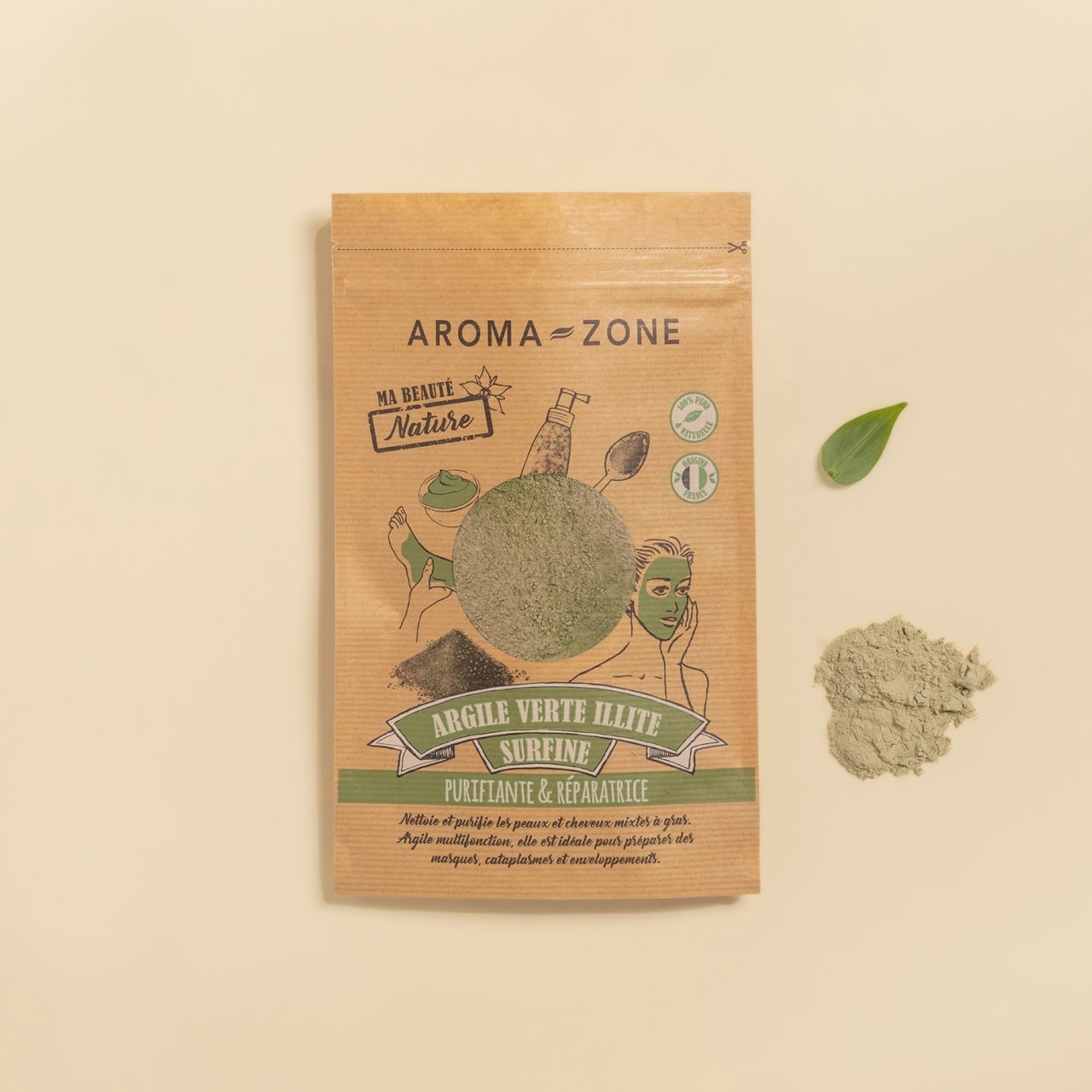
Extra-fine Illite Green Clay: Known for its purifying properties, it absorbs excess sebum, bacteria, and dirt. This will enhance its anti-inflammatory properties. Apply the clay locally to form a poultice. Leave on for 5 to 10 minutes, then remove the clay by rehydrating it with water and a cotton pad.

Discover our Extra-Fine Illite Green Clay

How Can You Prevent Boils from Developing?

Preventative measures rely on gentle, appropriate hygiene.

  1. Choose your clothing: Opt for clothes made from natural fibres such as cotton or breathable fabrics. Where possible, avoid rough or prominent seams to minimise friction. During physical activity or when performing repetitive movements, ensure you are wearing suitable and comfortable clothing. Also, keep a change of clothes to stay dry after intense physical exertion or during periods of high heat.

  2. Adjust your hygiene routine: It is important to practise gentle hygiene. Use suitable skincare products such as syndets, cleansing oils, or ultra-moisturising soaps. Moisturise your skin and limit products containing alcohol and other drying ingredients. This helps maintain an effective skin barrier and reduces the risk of disrupting the microbiome.

  3. Change your razor regularly: If you shave, follow best practice: use a clean, sharp razor, shave with the grain, apply a suitable shaving foam or gel, and moisturise your skin after shaving. Avoid shaving if your skin is already irritated or has micro-tears. And remember to change your blade regularly to minimise the risk of bacterial growth and cuts.

Precautions

If in doubt, do not hesitate to consult your doctor. They can quickly determine whether it is a boil, an abscess, or something else. They will then advise you on the appropriate treatment. 

Expert Advice

A boil on the thigh requires a careful approach because of its location. Unlike other parts of the body, this area is constantly under strain during our daily movements. My main advice is to create an optimal healing environment by wearing loose, breathable clothing and avoiding prolonged sitting whenever possible. Use our natural remedies to complement this, but above all, never give in to the temptation to squeeze or tamper with the boil. Healing takes time – between one and two weeks – but treating your skin with care will help you avoid complications and unsightly scars.

Spotlight on Our Specialist Writer: Guillaume Renaud

guillaume-renaud-health-and-cosmetics-editor (1)

Guillaume is a pharmacy technician specialising in dermocosmetics. With more than ten years’ experience in the pharmacy sector, he now supports health and cosmetics brands with writing blog articles. Having studied naturopathy, he takes part in podcasts to explain health and cosmetics in accessible terms.

Bibliography

  1. AMELI – recognising a boil

    https://www.ameli.fr/assure/sante/themes/furoncle/reconnaitre-furoncle

  2. Medical Sciences – Histology of Hair and Skin

    https://www.medecinesciences.org/en/articles/medsci/full_html/2006/03/medsci2006222p131/medsci2006222p131.html

  3. Livi – How to treat a boil

    https://www.livi.fr/sante/maladie-de-peau/furoncle/

Frequently Asked Questions

Frequently Asked Questions
