
Why add preservatives to your cosmetics?
Adding preservatives to your cosmetics is essential to ensure their safety and durability. Cosmetics are often exposed to conditions that are conducive to the growth of bacteria, fungi, and other microorganisms. Preservatives prevent microbiological contamination, ensuring that your products remain safe to use throughout their shelf life. By preventing the proliferation of microorganisms, preservatives safeguard the quality of your products and reduce the risk of potential skin or eye infections.
Different types of preservatives
There are a variety of preservatives used in the cosmetics industry, each with a specific role:
Antibacterial/antifungal preservatives play a crucial role in preventing the growth of bacteria and fungi. They thus ensure product safety by preventing microbiological contamination. Among these preservatives, parabens and phenoxyethanol are found in traditional cosmetics and are known for their effectiveness in preventing the deterioration of cosmetic products.
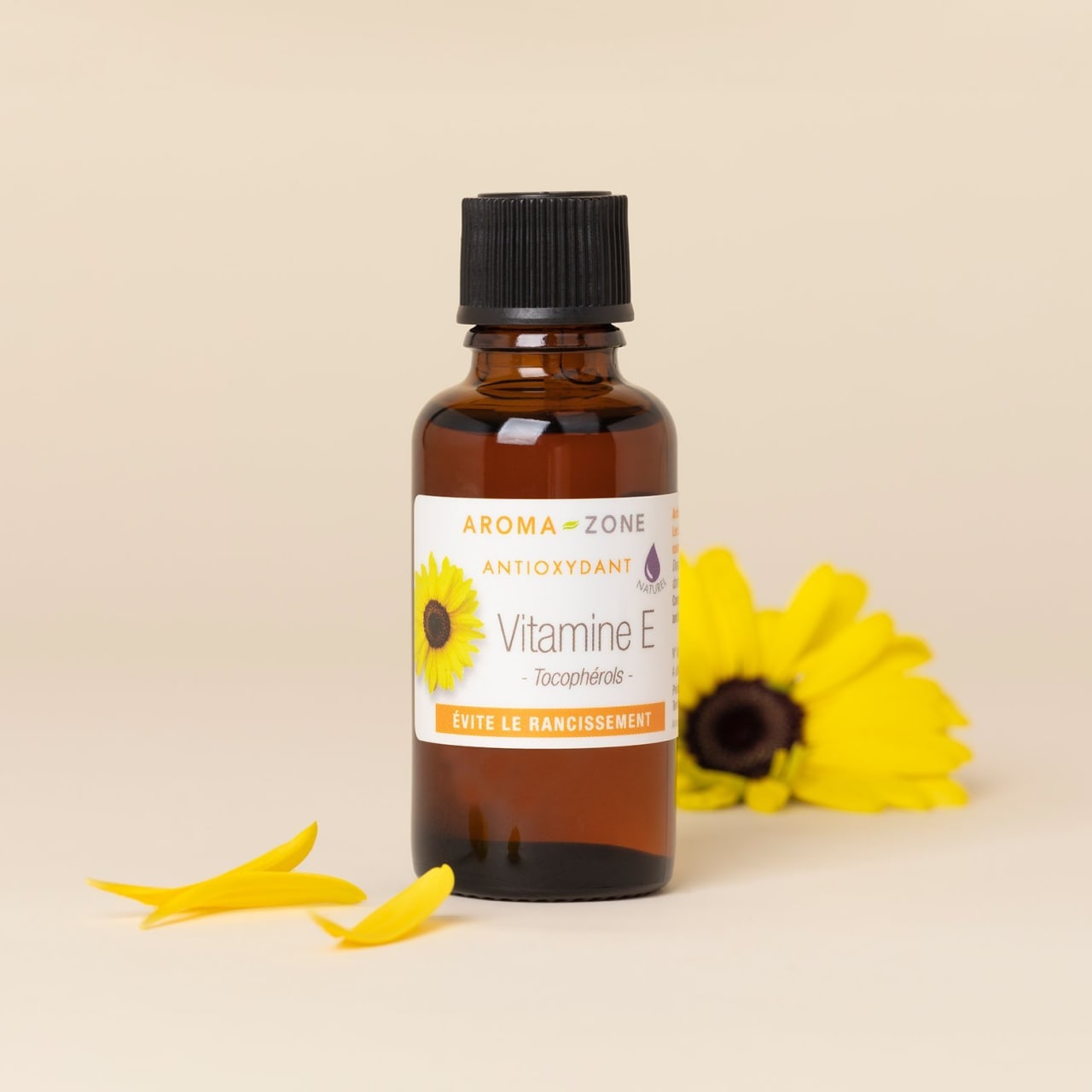
Antioxidants are also essential in cosmetics; they protect products from oxidation and rancidity. Oxidation can alter the texture, colour, and smell of products, making them less pleasant to use. Antioxidants, such as vitamin E (tocopherol) and plant extracts rich in polyphenols, preserve the quality of formulations by neutralising free radicals and preventing the oxidation of oils and sensitive ingredients.
Preservatives authorised in organic cosmetics
Even in organic cosmetics, the use of preservatives is essential to ensure product stability. However, organic preservatives are carefully selected to minimise risks to the skin and health. The most common include:
Benzoic acid (INCI: benzoic acid)
Sorbic acid (INCI: sorbic acid)
Benzyl alcohol, known as Cosgard (INCI: benzyl alcohol)
Dehydroacetic acid, often called DHA or Geogard (INCI: dehydroacetic acid)
Potassium sorbate (INCI: potassium sorbate)
These preservatives comply with organic standards while ensuring the quality and safety of cosmetic products.
As for antioxidants, the two main ones used in organic cosmetics are vitamin E, found under the INCI name Tocopherol or Tocopheryl acetate, and CO2 extract of rosemary, Rosmarinus officinalis leaf extract.
Which preservatives should be avoided?
Some preservatives raise serious health concerns, making them a controversial topic. While some have been scientifically linked to health problems, others are still under investigation. In any case, it is best to take a preventive approach by avoiding them. Here are some of the most notorious ones:
Parabens: Associated with health issues such as breast cancer and reproductive effects. Some have been banned since 2014.
Triclosan: May cause antibiotic resistance, endocrine disruption, thyroid, reproductive, and developmental problems.
Formaldehyde and formaldehyde releasers: Linked to irritation and allergic reactions.
Cetrimonium bromide: May cause skin irritation and allergies.
Thiazolinones: Highly allergenic, particularly Kathon CG.
Phenoxyethanol: Linked to allergies, neurological problems, and reproductive impacts. Particularly restricted in baby products.
In addition, we recommend to avoid the antioxidant preservatives BHT and BHA, which also raise health concerns.


