
What is a natural fragrance?
A natural fragrance is an aromatic composition obtained from natural aromatic substances, such as essential oils, capturing the true essence of plants and flowers. They are distinguished by their natural origin, purity, and richness in aromas, offering a healthy alternative to synthetic fragrances.
How is it obtained?
They are created from natural aromatic substances, which can be essential oils or fractions of essential oils, as well as components obtained from plant raw materials through natural processes such as fermentation or hydrolysis. These natural components capture the true essence of plants and flowers, offering rich and complex aromas.
The difference between perfume and fragrance
Natural fragrances offer many advantages over their synthetic counterparts:
Purity and authenticity: Fragrances, whether derived from essential oils or natural processes, preserve the purity and authenticity of natural aromas. They capture the true essence of plants and flowers, offering rich and complex aromas.
Wellbeing: Fragrances, especially those based on essential oils, can have beneficial properties for your wellbeing. Some can promote relaxation, while others can invigorate the mind. They thus help to create an atmosphere conducive to relaxation.
Environmentally friendly: The production of natural fragrances is based on sustainable and environmentally friendly practices. It promotes biodiversity and the preservation of ecosystems.
Fewer harmful chemicals: Unlike synthetic fragrances, which may contain potentially harmful chemicals, natural fragrances are free from many problematic synthetic compounds. This makes them gentler on your health and the environment.
Safety and animal welfare: Natural fragrances are safe and non-photosensitising, meaning they do not cause skin reactions when exposed to sunlight. In addition, they are often certified vegan and not tested on animals, making them an ethical choice for consumers concerned about animal welfare.
7 tips for using fragrances
Fragrances offer exceptional versatility in terms of use. You can integrate them harmoniously into your daily routine, whether for your personal wellbeing or to create natural, fragrant cosmetics. Here are a few tips to get the most out of these wonderful natural fragrances:
Room diffusers: Use a room diffuser to spread natural fragrances throughout your living space. This creates a relaxing or invigorating atmosphere, depending on your needs.
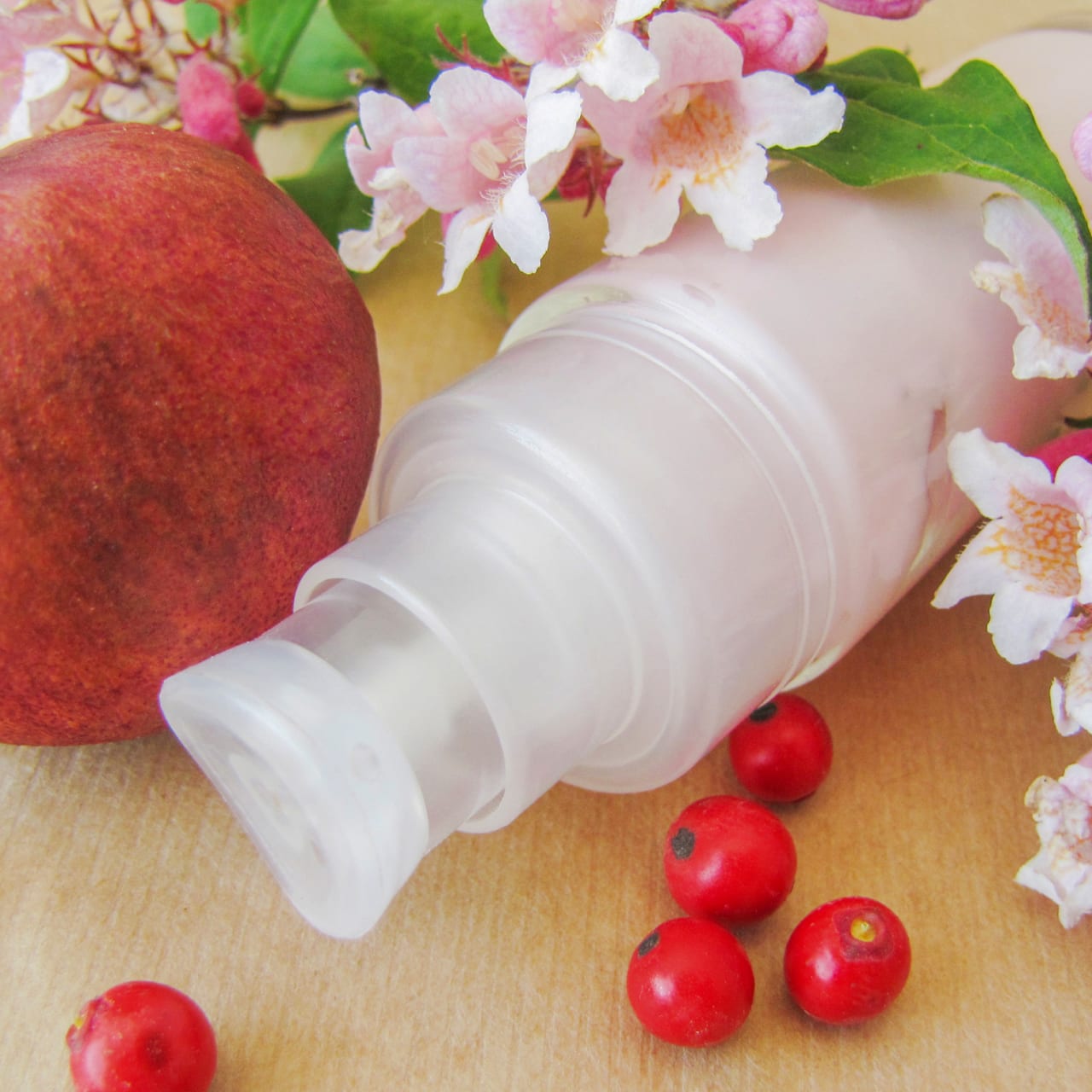
Homemade cosmetics: Add fragrances to your homemade beauty products to give them a pleasant, natural scent. You can incorporate them as ingredients in scrubs, hair masks, nourishing oils, face creams, dry oils, solid products, after-sun care, shower gels, body care, and hair care.
Personal perfume: Create your own personal perfume by blending natural fragrances. This allows you to express your individuality and wear a unique scent that suits you.
Duvet covers and scented sachets: Use fragrances to scent your duvet covers, cushions, or scented sachets. Place them in your closets or drawers to give your linens a pleasant, natural scent.
Laundry care: Add a few drops of fragrance to the rinse cycle of your washing machine to scent your clothes and linens.
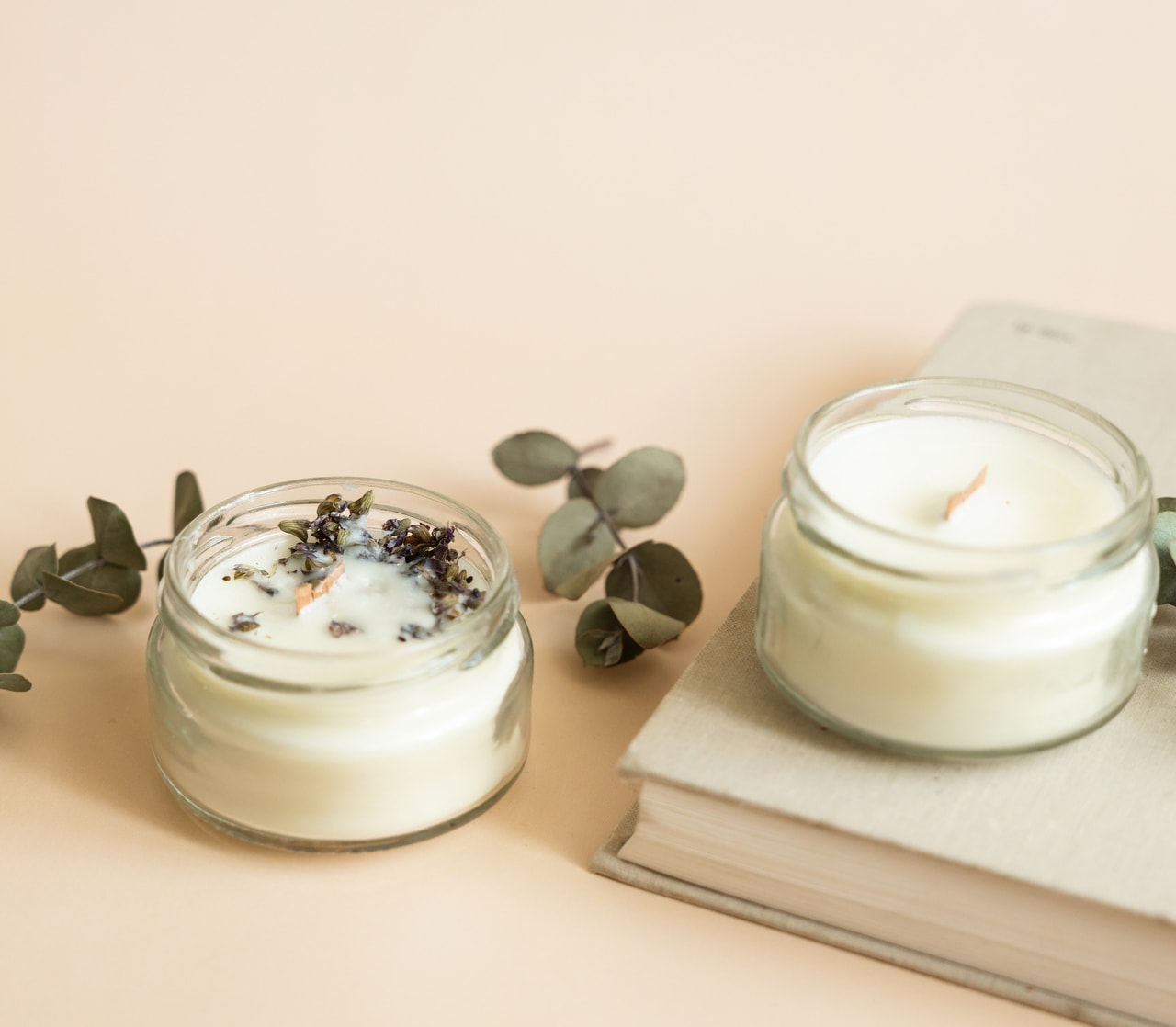
Handcrafted creations: If you enjoy arts and crafts, incorporate fragrances into your handcrafted creations, such as candles, homemade soaps, or bath and beauty products.
Aromatherapy: Explore the benefits of aromatherapy by using natural fragrances to promote relaxation, sleep, or concentration. Diffuse them in your workspace or meditation area.
Precautions for use
Although natural fragrances are generally milder than their synthetic counterparts, it is important to take a few precautions when using them:
Proper dilution: When using pure essential oils, be sure to dilute them properly in an appropriate base to avoid skin irritation.
Skin sensitivity: Some people may be sensitive to essential oils. Perform a patch test by applying a small diluted amount to a small area of skin and check for irritation before using more extensively.
Keep out of reach of children: Keep natural fragrances, especially essential oils, out of the reach of children and pets. Also avoid use during pregnancy.
Moderate use: Only use the recommended amount of essential oils in your diffusers and home fragrances to avoid overexposure to the aromas.


