
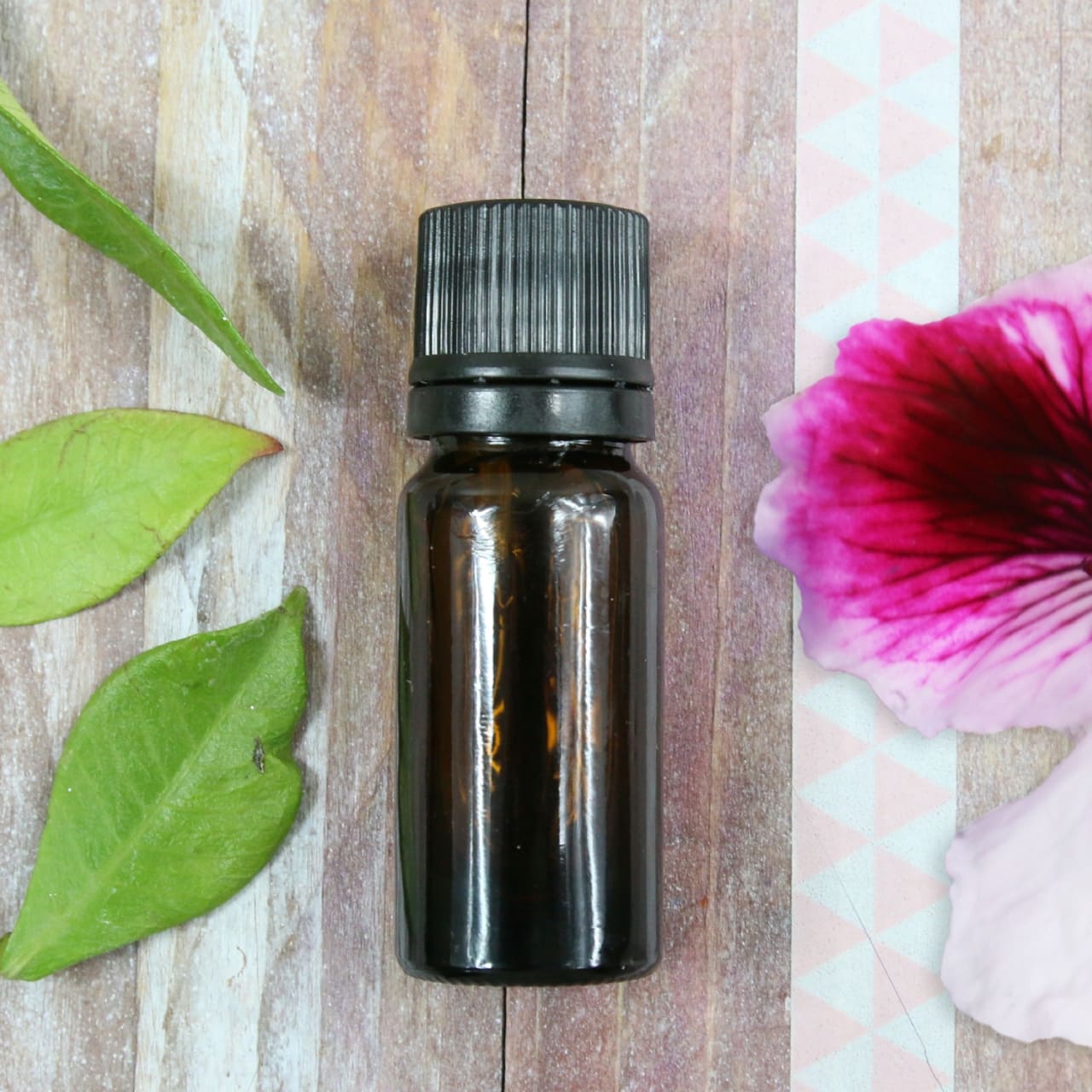
Essential oil diffusers are ingenious devices designed to subtly release the soothing and beneficial aromas of essential oils into the air. Their purpose is to create a harmonious and healthy atmosphere in your living space. There are different types available with different functions depending on your needs, the size of the room, and the desired effect.
Why choose an essential oil diffuser?
Essential oil diffusers are wonderful companions for creating a soothing and healthy atmosphere in your living space. Here are 5 reasons to adopt them:
1. Health benefits: A diffuser releases essential oils into the air, allowing you to enjoy their benefits, such as relaxation, stress reduction, improved sleep quality, and a stronger immune system.
2. Air purification: By diffusing oils with antibacterial and antiviral properties, you help purify the air in your home by eliminating airborne germs and bacteria.
3. Creating ambiance: You can choose from a variety of essential oils to create the ambiance you desire, whether it's a relaxing atmosphere, an energizing one, or simply a pleasant scent in your home.
4. Odor reduction: Diffusers are effective at eliminating unwanted odors, whether from cooking, pets, or tobacco. They replace these odors with natural, fresh scents.
5. Natural alternative to chemical air fresheners: Traditional air fresheners can contain chemicals that are harmful to your health. Essential oil diffusers offer a natural, non-toxic alternative to freshen up your home.
The different types of diffusers and how they work
There are several types of essential oil diffusers, each with its own particular advantages. Here is an overview of the most common types:
Nebulizing diffuser: This type of diffuser uses compressed air to vaporize essential oils into fine droplets in the air. It preserves the purity of the oils, but can be noisy.
Humidifier Diffuser: These diffusers use water to disperse essential oils as a cool mist. They are quiet and add moisture to the air.
Gentle heat diffuser: These diffusers use a heat source to slowly evaporate essential oils. They are quiet but can alter the chemical composition of the oils.
Reed diffuser: This type of diffuser uses rattan reeds to absorb and slowly diffuse essential oils into the air. They are ideal for continuous, gentle diffusion.
Ecru diffuser pebble: Diffuser pebbles are small clay or ceramic devices that absorb essential oils and slowly diffuse them into the air. They are perfect for small spaces or for creating a subtle ambiance.
Explore our range of diffuser accessories.
Choosing the right diffuser
To choose the model that best suits your needs, here are a few things to consider during your search:
Diffuser type: First, determine which type of diffuser suits your preferences from those listed above. Each type has its own advantages and specific functions, so choose the one that best meets your needs.
Room size: Consider the size of the room where you want to use the diffuser. Some models are more suitable for larger spaces (diffusers), while others are ideal for small rooms or workspaces (pebbles).
Tank capacity: Water tank capacity varies from one diffuser to another. If you prefer continuous diffusion without having to refill the tank frequently, opt for a model with a larger capacity.
Operating time: Some diffusers are designed to operate for short periods, while others offer continuous diffusion. Choose according to your habits and how often you want to use the diffuser.
Aesthetics: Diffusers come in a variety of designs and materials. Select a model that complements your interior décor and appeals to you visually.
Ease of use: Make sure the diffuser you choose is easy to use and maintain. Ease of use ensures a hassle-free experience.
Additional features: Some diffusers offer additional features, such as mood lighting or programmable timers. Explore these options to customize your diffusing experience.
Selecting the best essential oils for your diffuser
The choice of essential oils depends on your personal preferences and the atmosphere you want to create. Here are a few suggestions:
For relaxation: Lavender, chamomile, frankincense.
For energy: Lemon, peppermint, rosemary.
For purification: Tea tree, eucalyptus, lemongrass.
For a warm atmosphere: Cinnamon, orange, vanilla.
Essential oils not recommended for diffusion & general precautions
Not all essential oils are suitable for diffusion. Some may be too powerful for the respiratory tract or not recommended because they are not suitable for prolonged inhalation. This is the case, for example, with:
Essential oils rich in phenols: compact oregano, thyme thymol, mountain savory;
Essential oils rich in aromatic aldehydes (Ceylon cinnamon, Java lemongrass);
Dermocaustic or spicy essential oils (clove, exotic basil, star anise).
Highly viscous or resinous essential oils such as myrrh are not recommended for diffusion as they will saturate your device and not diffuse properly.
Diffusing essential oils is also generally not recommended for pregnant or breastfeeding women, young children, people with asthma, epilepsy, or respiratory allergies. Also avoid diffusing in an enclosed space in the presence of animals.
To diffuse safely:
Always choose essential oils recommended for diffusion (check our technical data sheets);
Follow the recommended dosages;
Diffuse for a maximum of 5 to 10 minutes at a time.
Tips for diffuser maintenance and cleaning
Regular maintenance of your diffuser is essential to ensure it works properly and to extend its life. Here are a few simple tips:
Clean your diffuser after each use by emptying it and wiping the inside with a clean, dry cloth.
Use warm water and mild soap to clean the reservoir.
Use a cotton swab or soft brush to clean hard-to-reach corners.
Avoid leaving water standing in the reservoir for long periods of time.
By following these tips, you can get the most out of your essential oil diffuser and create a pleasant and healthy atmosphere in your home.
Learn more about diffusing essential oils.


