Which Sun Cream Should You Use if You Have Allergies?

Which Sun Cream Should You Use if You Have Allergies?


By Stéphanie Le Guillou

Published on: Monday, August 05, 2024, Updated on: Wednesday, October 28, 2026

Using sun cream is essential to protect the skin from harmful UV rays, particularly during the summer months. However, some people may develop allergic reactions to these products, making it harder to choose the right one. It is therefore important to understand how to identify a sun cream allergy, relieve symptoms, and choose a suitable sun cream.

Contents

Related products

What Is a Sun Cream Allergy?

An allergy to sun cream is caused by an excessive reaction of the immune system to certain ingredients in the product. Chemical filters, preservatives and fragrances are often to blame. These reactions can range from mild irritation to severe rashes.

What Is a Sun Allergy?

Sun allergy, or photodermatosis, is a skin reaction triggered by exposure to UV rays. Symptoms may include redness, itching, blisters, and rashes. It is sometimes referred to as solar urticaria. Managing this allergy involves avoiding direct sun exposure, wearing protective clothing and a wide-brimmed hat, and using appropriate sunscreens.

How Do You Know if You’re Allergic to Sun Cream?

The symptoms of a sun cream allergy can vary depending on the individual’s sensitivity and the product’s ingredients. Here are some common signs of an allergic reaction.

Symptoms

  • Skin Redness: Redness often appears shortly after applying sun cream. The skin may turn bright red, with the redness spreading to the areas exposed to the product

  • Intense Itching: Itching is a common symptom of an allergy. It may be localised to the area where the product was applied or spread more widely, causing significant discomfort

  • Rashes: Rashes appear as small red bumps or raised patches across the skin. These rashes may resemble eczema and are often accompanied by itching

  • Swelling: Swelling, or oedema, may occur in the areas where the sun cream has been applied. This symptom is the result of fluid build-up under the skin in response to irritation

  • Blisters: In more severe cases, blisters may form. These fluid-filled blisters are painful and indicate a severe allergic reaction requiring medical attention

  • Burning or Stinging Sensation: The skin may feel a burning or stinging sensation after applying sun cream. This sensation is usually caused by the product’s ingredients irritating the skin

  • Peeling: Peeling occurs following an allergic reaction. The damaged skin begins to flake off, which can be uncomfortable and unsightly

It is important to watch out for these symptoms after applying sun cream, especially if you are using a new product for the first time. If you experience an allergic reaction, stop using the product immediately.

What Should You Do if You’re Allergic to Sun Cream? How Can You Relieve the Symptoms Using Natural Remedies?

If you experience an allergic reaction, you must act quickly. Immediately wash the affected area with lukewarm water and mild soap to remove any traces of sun cream. Apply a cold compress to reduce inflammation and itching. Natural remedies may be helpful, such as: 

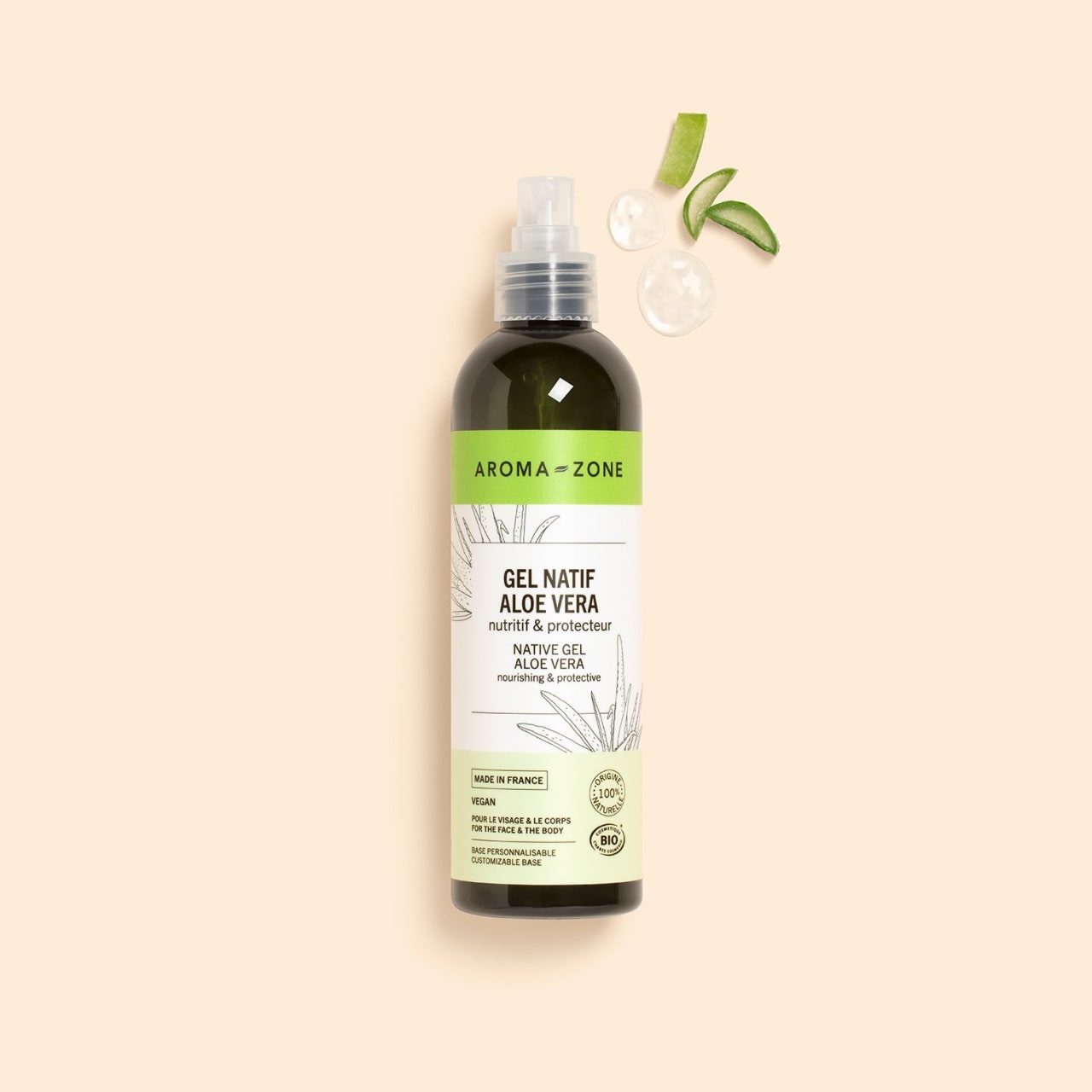
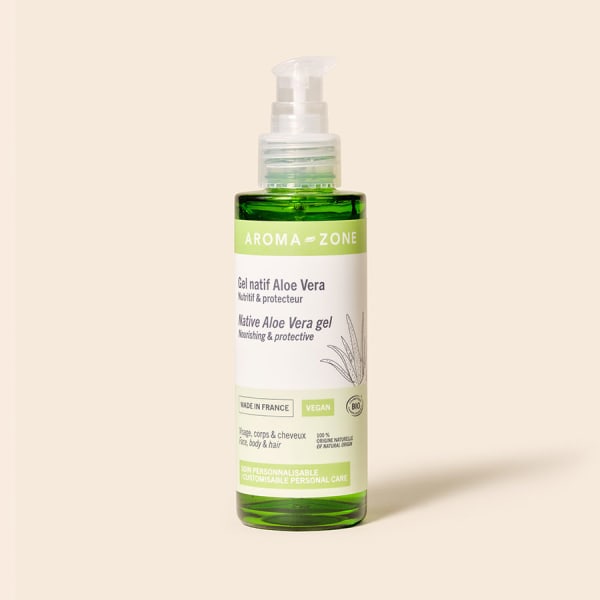
native-aloe-vera-gel-nourishing-and-protective-mc

Aloe Vera Gel

This has the property of soothing irritation and itching. It can be applied directly to the skin.

Discover Aloe Vera Gel

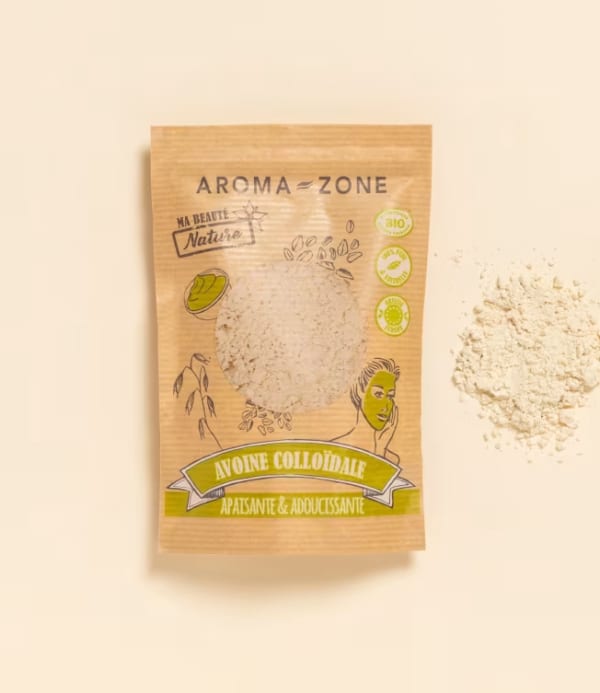
Organic Colloidal Oat Powder

Oatmeal

Oatmeal soothes itching and reduces redness.

Discover Oat Powder

If symptoms persist or worsen, consult a doctor or, at the very least, ask your pharmacist for advice.

Which Sun Creams Should You Choose if You Have an Allergic Reaction? Are there any hypoallergenic sun creams?

For those prone to allergies, it is recommended to choose sun creams with hypoallergenic, fragrance-free formulas. Opt for mineral sunscreens containing zinc oxide, which are less likely to cause allergies. Read the labels carefully to look for dermatologically tested products and avoid those containing parabens, sulphates, and artificial colourings.

Which Ingredients Should You Avoid if You Have Sensitive Skin?

People with sensitive skin should choose skincare products carefully to avoid allergic reactions and irritation. Here are the main ingredients to avoid:

Oxybenzone: A UV filter commonly used in chemical sunscreens. However, it is often linked to skin reactions and can irritate sensitive skin. Furthermore, oxybenzone is a potential endocrine disruptor.

Octinoxate: Another chemical sunscreen, it is also known to cause skin allergies. Like oxybenzone, it is suspected of being an endocrine disruptor and may cause irritation in some people.

Parabens: Preservatives used to extend the shelf life of cosmetic products. Although effective, they can cause skin irritation and allergic reactions, particularly in people with sensitive skin. Some parabens have also been linked to hormonal disruption.

Sulphates: Such as sodium lauryl sulphate (SLS) and sodium laureth sulphate (SLES), are foaming agents commonly found in face and body cleansers. They can dry out the skin and cause irritation, especially with frequent use.

Artificial Fragrances: Added to skincare products to give them a pleasant scent. However, they commonly cause allergies and skin irritation. People with sensitive skin should choose fragrance-free products or those with natural fragrances.

Artificial Colourings: Used to enhance product appearance, they can irritate the skin. They are not necessary for the products’ effectiveness, and their presence may increase the risk of allergic reactions.

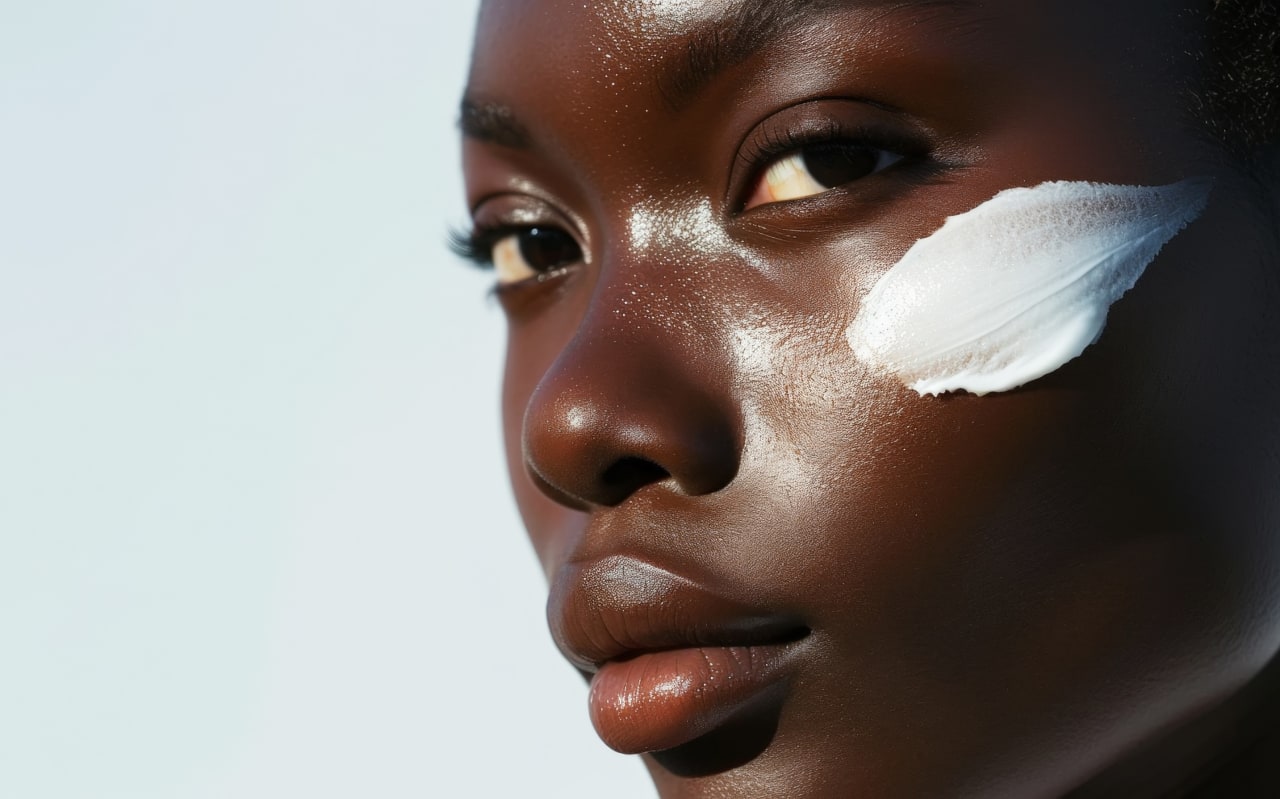
Allergies and Natural Remedies: Precautions to Take

When using natural remedies to relieve skin allergies, it is important to take certain precautions. Carry out a patch test before using a new natural product to check your tolerance. If symptoms persist or worsen, you should see a doctor.

Expert Advice

It can be tempting to skip sun protection if you’ve had allergic reactions to sun creams in the past. However, this is a very bad idea! The sun’s UV rays can be harmful to your health. And there are sun creams specifically designed for allergy-prone skin (mineral filters).

Meet Our Expert Writer: Stéphanie Le Guillou

Stéphanie is a pharmacist (since 2010) and holds a PhD in molecular biology (since 2012). Passionate about writing, she has produced medical content for nearly 15 years. Her goal is to make information accessible and easy to understand, without ever sacrificing scientific accuracy.

Bibliography

  1. ameli. Recognising an allergy. October 2013.

Frequently Asked Questions

Frequently Asked Questions