What is the best time of day to take glutamine?
Very popular in the world of sports and digestive wellness, glutamine is becoming increasingly intriguing. This amino acid, naturally present in the body, is often consumed to support muscle recovery, gut health, or during periods of intense fatigue. But one question comes up regularly: is there a best time of day to take glutamine to maximize its effects?
Why is glutamine so widely consumed?
Glutamine, also known as L-glutamine in dietary supplements, is one of the most abundant amino acids in the human body. It plays an important role in several physiological functions, including:
supporting intestinal cells,
muscle recovery,
the immune system,
protein synthesis.
During periods of intense physical stress—such as sports, fatigue, rigorous training, or digestive issues—glutamine requirements may increase.
This is why it is now widely used as a dietary supplement, both by athletes and in wellness routines focused on digestion and recovery.
Before deciding on the best time to take it, it may also be helpful to better understand the benefits of L-glutamine on the body.
Should you take glutamine in the morning or at night?
There is no single “universal” ideal time to take glutamine. It all depends mainly on your specific goal.
In the morning: to support gut health and digestive well-being
Taking it in the morning on an empty stomach is often preferred in routines focused on digestive comfort. Some experts believe this may promote better availability of glutamine to intestinal cells.
This is one of the main reasons why many people incorporate it into their morning routine with a glass of water before breakfast.
After exercise: for muscle recovery
In the sports world, glutamine is frequently taken after a workout. The goal is to support muscle recovery following intense exercise.
Although studies remain divided on its direct effects on performance, some research suggests that it may help support the body after prolonged or very demanding workouts.
In the evening: for recovery routines
Some people also choose to take their glutamine in the evening, particularly as part of routines focused on overall recovery or nighttime digestive comfort.
However, consistency in taking it seems more important than the exact time of day.

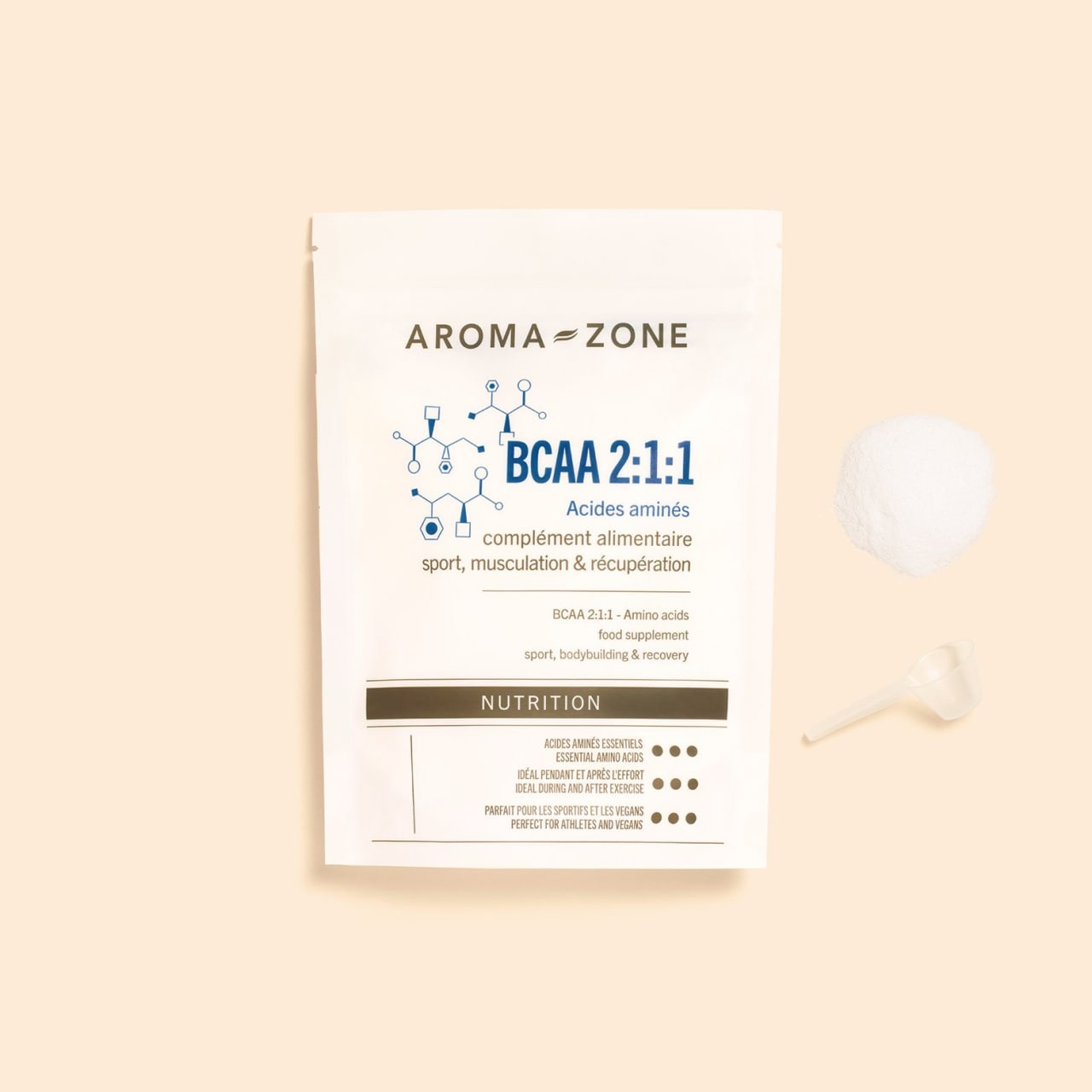
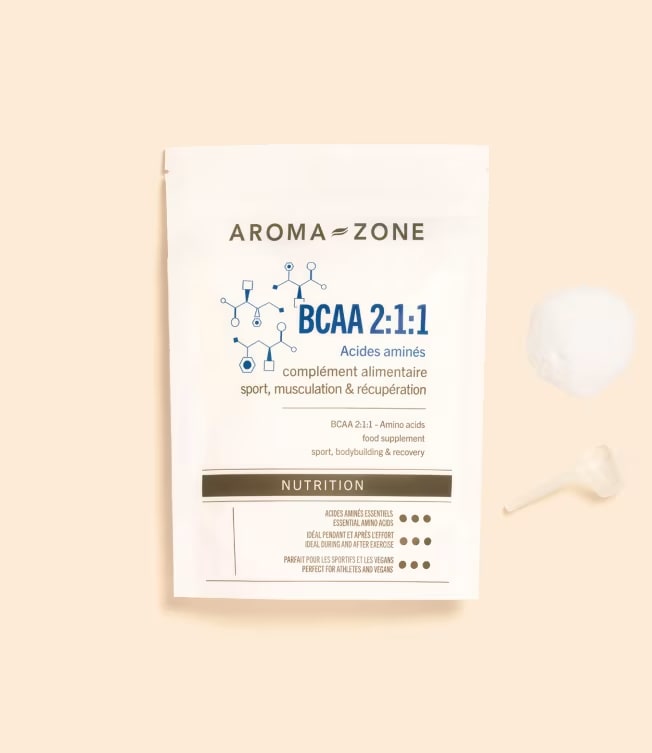
Spotlight on our BCAA 2:1:1 dietary supplement
Optimize your workout with this 2:1:1 BCAA powder, essential for maintaining muscle mass. Its synergy of essential amino acids—L-leucine, L-isoleucine, and L-valine—ensures unmatched effectiveness. Biofermented and soluble, these BCAAs are ideal for a vegan lifestyle and convenient use, combining quality and performance in your daily routine.
Can you take glutamine every day?
Glutamine is naturally produced by the body and is also found in certain protein-rich foods. As a dietary supplement, it is generally used in cycles.
Dosage and duration of use may vary depending on individual needs and profiles. As with any supplement, it is recommended to follow the manufacturer’s instructions and seek medical advice if in doubt or if you have a specific medical condition.
Focus on our editor, Solène Bonnet

Solène Bonnet, former editorial director of Marie Claire Idées, brings her specialised expertise in editorial strategy and writing. For eight years, she led the editorial team, ensuring the production of innovative content. As a mother of two, she pays particular attention to product ingredients and all the little details that can improve daily life. Passionate about an authentic and health-conscious approach, Solène favours products with healthy ingredients that align with an eco-friendly philosophy.
Bibliography
1
Cruzat V. et al.,
Glutamine: Metabolism and Immune Function, Nutrients
2
National Institutes of Health (NIH) –
Amino acids and glutamine metabolism
3
Journal of Nutrition –
Glutamine and gut health
4
Castell L.M. & Newsholme E.A.,
The effects of oral glutamine supplementation on athletes
5
Clinical Nutrition Journal –
glutamine supplementation and recovery