
Vomiting without a fever is simply what happens when the body naturally expels the contents of the stomach without the presence of an infection. The absence of a fever generally means that the body has not detected a viral or bacterial infection and does not deem it necessary to raise the temperature. If your child is vomiting but their temperature remains stable, it is likely that their body is simply reacting to poorly digested food. However, vomiting is still a symptom that should be closely monitored. It may indicate a digestive imbalance or an intolerance that warrants medical evaluation.
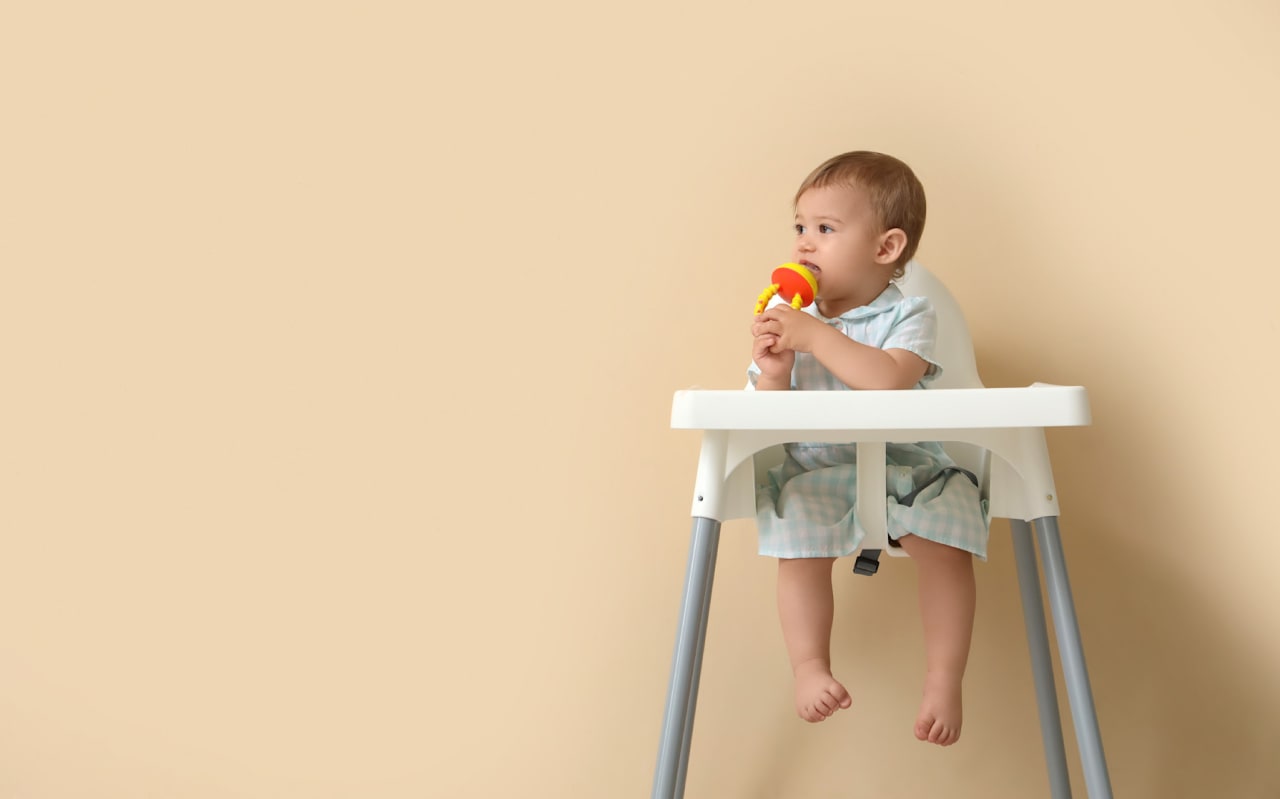
Vomiting in a 2-year-old without a fever: causes and precautions
Published on: Thursday, October 02, 2025, Updated on: Wednesday, October 28, 2026
Seeing your 2-year-old vomit can be alarming for parents and raise many questions, especially when there is no fever. Generally, it is simply a case of temporary and mild digestive issues. However, vomiting can sometimes indicate a more serious underlying issue, such as food intolerance, or gastroesophageal reflux. In the absence of a fever, it’s natural to wonder what’s causing your baby’s digestive issues without causing a rise in body temperature. In this article, we review the possible causes of this phenomenon as well as the steps to take to support your child, in accordance with official pediatric recommendations.
Contents
What is vomiting without a fever?
Good to know: In a 2-year-old child, caution is of course advised when vomiting occurs, with or without a fever. Do not hesitate to consult a healthcare professional to quickly rule out any more serious causes.
Why does a 2-year-old vomit without a fever?
Vomiting in young children is common and is often triggered by benign causes. It is important to be familiar with the possible reasons why a baby might vomit without a fever so that you can respond appropriately and, above all, know when to seek medical advice. Here are the possible reasons why your baby is vomiting without a fever:
Food indigestion
A meal that is too rich, too large, or eaten too quickly can cause vomiting in a 2-year-old. When the body detects gastric overload, it triggers processes to expel the stomach’s contents to restore balance. If this is the case with your child, the episode is likely isolated and will resolve on its own.
Food intolerance
A food intolerance or allergy in a toddler can result in vomiting. The main culprits? Lactose, gluten, eggs, etc. In such cases, vomiting is often accompanied by digestive issues such as diarrhoea, constipation, bloating and flatulence.
Gastroesophageal reflux
Reflux (GERD) that persists beyond early childhood remains a possible cause. It occurs when stomach contents flow back into the esophagus, causing regurgitation, discomfort, and sometimes even vomiting.
Early-stage gastroenteritis
Vomiting is a key symptom of gastroenteritis, particularly before a fever sets in. If your child is vomiting without a fever, a viral or bacterial infection cannot necessarily be ruled out. Fever, diarrhoea, or abdominal pain may develop in the following hours. It is therefore essential that you closely monitor your child’s symptoms at this stage.
Motion sickness
Children are particularly prone to "motion sickness," especially in the car. This motion sickness is caused by the immaturity of their vestibular system, which is easily thrown off balance and can trigger vomiting when there is a conflict between visual information and input from the inner ear.
Stress and strong emotions
In young children, significant stress or intense emotions (conflict, changes in routine, a chaotic environment, etc.) can manifest physically. Vomiting can be one of these emotional expressions of a psycho-emotional state that is difficult for the baby to manage.
What are the associated symptoms?
In a 2-year-old child, vomiting without a fever may be accompanied by various typical signs. Here are the accompanying symptoms to keep in mind to better understand what is happening in your little one’s body:
Nausea: a feeling of "queasiness" accompanied by small amounts of regurgitation may occur during episodes of vomiting without a fever.
Bloating: Your child may have a swollen belly and pass more gas than usual, signs of disrupted digestion.
Behavioural changes: Your baby may be irritable, seem more tired, or even have a decreased appetite if they are vomiting.
Signs of dehydration: a dry mouth, dark circles under the eyes, and fewer wet diapers are signs of dehydration, which is common when vomiting.
Changes in bowel movements: You may notice a change in your baby’s stools, which may become harder or softer than usual.
Skin rashes: If the vomiting is caused by a food intolerance, it may be accompanied by skin issues such as eczema, for example.
When should you seek medical advice for vomiting in a 2-year-old?
In a 2-year-old child, a single episode of vomiting without a fever may be harmless and does not necessarily require parental concern. However, there are situations where a medical consultation is necessary. You should seek medical attention promptly if the vomiting is not an isolated incident, if it occurs multiple times throughout the day, or if it is accompanied by signs of dehydration (dry mouth, lack of urine, extreme thirst), unusual drowsiness, or marked weakness. The presence of blood, green bile, or severe abdominal pain is also a warning sign. In these cases, only a healthcare professional can properly assess the situation and determine whether further testing is necessary.
What are the recommendations for vomiting without a fever in a 2-year-old child?
Vomiting without a fever in a 2-year-old is usually mild and temporary. However, caution is always advised when it comes to your little one’s health. Here are our recommendations to help you care for your baby safely:
Consult your pediatrician
Even without a fever, vomiting can be a sign of conditions requiring medical attention, such as reflux or food intolerance. Don’t hesitate to consult your pediatrician to fully understand the cause of the vomiting and to put your mind at ease.
Keep your child well-hydrated
If a toddler is vomiting, it is important to actively prevent dehydration. If you are breastfeeding, don’t hesitate to offer feedings regularly. A small amount of baby-safe mineral water can be given via a bottle, dropper, or even a small spoon, depending on your child’s age and preferences.
Good to know: oral rehydration solutions may be considered if necessary. Don’t hesitate to ask for advice at the pharmacy.
Divide your baby’s meals into smaller portions
After an episode of vomiting, feel free to offer small, frequent portions rather than large meals. For a few days, avoid meals that are too high in fat and opt for vegetable purees and fruit compotes with whole grains. This approach allows the stomach to recover and reduces the risk of further vomiting.
Give the digestive system a rest
If your baby seems to have lost their appetite after vomiting, give them time to recover. As long as they are staying properly hydrated (breast milk, infant formula, or drinking water if they are over 12 months old), don’t insist if they refuse to eat as much as usual. Gastrointestinal rest is a natural process that helps your little one recover more quickly and comfortably.
How can I prevent vomiting in my child?
Preventing vomiting in a toddler isn’t always possible. However, you can certainly prioritise these healthy habits to minimise such episodes as much as possible. Here are our gentle, natural tips to help prevent vomiting without a fever:
Practice good hygiene: Teach your child early on to wash their hands regularly (before eating, after using the potty, etc.). Also remember to follow good hygiene practices in the kitchen (washing fruits and vegetables, safely preparing bottles, following storage guidelines, etc.). This helps reduce the risk of germ-related digestive issues.
Offer a healthy diet: To prevent vomiting, be sure to provide high-quality meals made up of nutritious and balanced foods for your baby’s diet. Offer your child portions appropriate for their needs and respect their cues of fullness if they indicate they are no longer hungry.
Encourage good posture during meals: Always sit your child upright when they are eating or drinking. This reduces reflux and promotes better swallowing. If your baby is still bottle-fed or breastfed, don’t forget to encourage them to burp to prevent spitting up.
Provide a predictable daily routine: Toddlers benefit greatly from a daily routine they can rely on. This allows their nervous system to rest and prevents physical symptoms (such as vomiting) caused by stress and emotional upheaval.
Introduce foods gradually: To easily detect a possible food intolerance, be sure to always introduce new foods little by little, giving your baby’s body time to adapt and show signs of discomfort (changes in bowel movements, skin rash, etc.).
Provide a quiet time after meals: Whether your baby still takes an afternoon nap or not, try to provide a quiet time after meals to promote gentle digestion.
Precautions
The advice provided in this article is for informational purposes only. It does not replace the advice of your pediatrician. If in doubt, do not hesitate to seek medical advice to rule out any underlying medical causes.
Expert advice
Vomiting can be a source of stress and anxiety for parents who wonder what is wrong. Keep in mind that spitting up and vomiting are common during the first few years of life, while your child’s digestive system is still immature and they are learning to eat. While remaining cautious and consulting your pediatrician if necessary, try not to panic at the slightest sign of vomiting and simply seek help calmly and confidently if you feel the need.
Spotlight on Our Naturopathic Writer: Marine Leleux

Marine is a naturopath specialising in children’s well-being and a parenting coach. With 10 years’ experience supporting families, she now channels her passion into serving her community by sharing natural and caring advice.
Bibliography
Vomiting, Institut national de santé publique du Québec,
https://www.inspq.qc.ca/mieux-vivre/sante/problemes-sante-courants/vomissements
Cyclic Vomiting Syndrome in Children, ScienceDirect,
https://www.sciencedirect.com/science/article/abs/pii/S0929693X17303172
Gastroenteritis in Children, Nantes University Hospital,
https://www.chu-nantes.fr/la-gastro-enterite
Diarrhea and Gastroenteritis in Children, VIDAL,
https://www.vidal.fr/maladies/chez-les-enfants/diarrhee-enfant-gastro-enterite.html

Frequently Asked Questions
Associated tips

Digestive comfort

Respiratory and ENT discomfort solutions


