
In infants, gastroenteritis primarily manifests through digestive symptoms. The main symptom is diarrhoea—stools that are looser than usual and more frequent. If you notice two to three watery stools within a few hours, it is gastroenteritis. Additionally, diarrhoea may be accompanied by cramps and abdominal pain or stomachaches, nausea and vomiting, fatigue and fever.
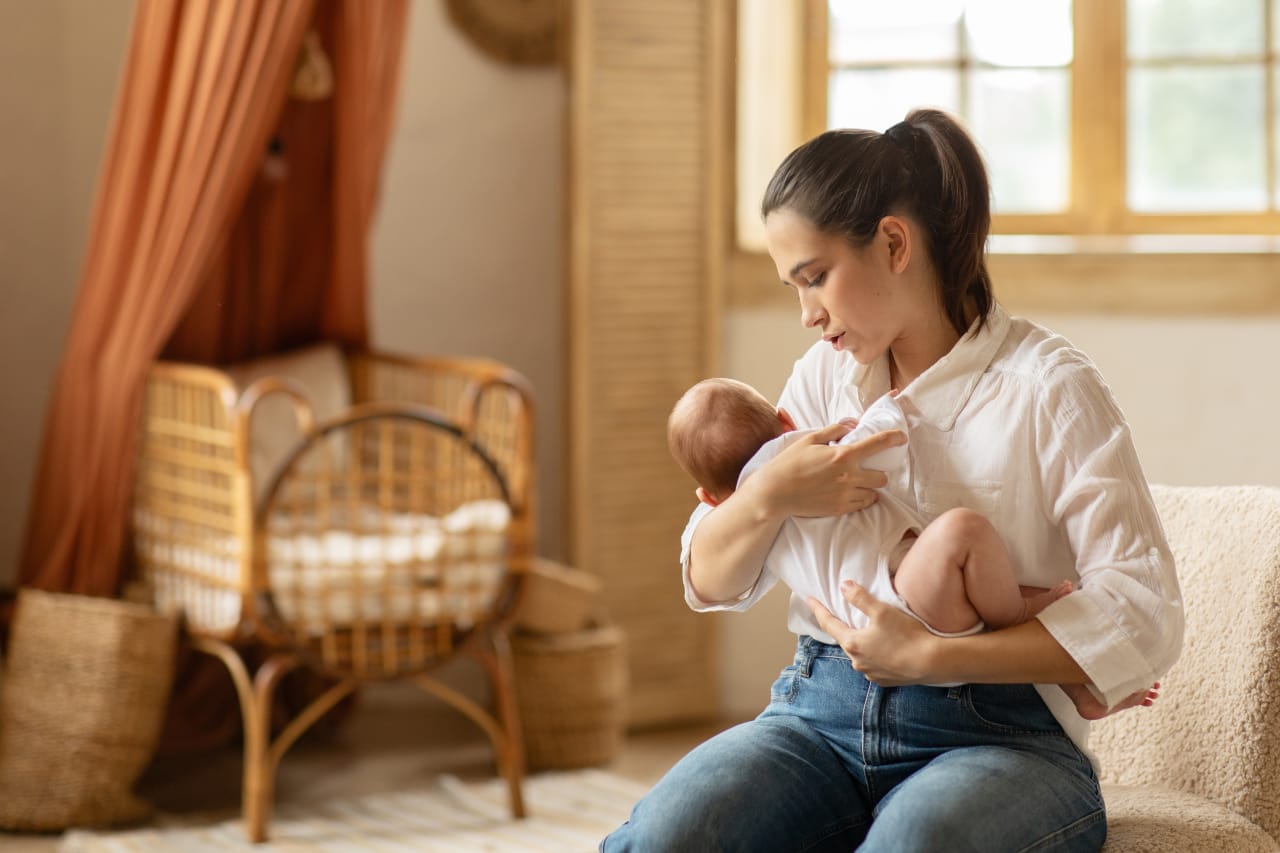
Stomach flu in babies: how to relieve it naturally?
Published on: Friday, January 12, 2024, Updated on: Wednesday, October 28, 2026
Stomach flu is always worrisome in a baby. New parents don’t always know how to handle it, and seeing your child suffer from vomiting and diarrhoea can be unsettling. The most important thing when a baby has stomach flu is to prevent dehydration and seek medical advice without delay. Let’s explore the symptoms of stomach flu in babies.
Contents
Symptoms of gastroenteritis
My baby has the stomach flu—when should I be concerned?
The risk of dehydration is very high when a baby has gastroenteritis. Indeed, vomiting and diarrhoea cause significant fluid loss. This includes water, but also minerals such as potassium, chloride and sodium. These are essential for the body to function properly. Certain signs may alert you to potential dehydration:
Dark circles under the eyes.
The soft spot on a baby’s head is sunken.
A dry tongue.
There is a persistent crease in the skin of the abdomen when pressed.
Decreased urine output, or no urine at all, and dark-coloured urine.
Drowsiness and weakness.
What should you do if your baby has the stomach flu?
According to UK health authorities, if your baby has gastroenteritis, continue feeding them without changing their routine, whether with breast milk or their usual formula. Similarly, you can continue to feed them baby food jars, but reduce the portions. They should eat very small amounts on a regular basis. Space out the number of times you give them a bottle or a jar of baby food. Also, don’t force your infant to eat if they don’t want to; try again a little later.
An oral rehydration solution is also necessary, as dehydration can occur in just a few hours. Even before consulting your doctor, this solution will rehydrate your baby and help replace lost water and electrolytes.
How to treat gastroenteritis in a baby?
There is no miracle cure for treating gastroenteritis in babies. Give them a rehydration solution and consult a healthcare professional.
The first thing to do when you notice symptoms of gastroenteritis in your infant is to consult your doctor or paediatrician. Call them or go directly to their office. Continue to keep your infant hydrated, even if they have diarrhoea or are vomiting. Opt for smaller, more frequent meals to prevent rejection, but continue to feed them often.
Gastroenteritis in children over 2 years old
Similarly, if your child is over 2 years old and has symptoms of gastroenteritis, such as vomiting and/or acute diarrhoea, they must drink enough fluids. Give them rehydration solutions, as well as vegetable broth, and foods that are easy to digest and help stop diarrhoea: rice, applesauce, bananas and toast. It is crucial to avoid malnutrition. Once the diarrhoea has stopped, they can return to their normal diet. If the gastroenteritis lasts more than two days or if symptoms in children over 2 years old worsen, consult your doctor.
To rehydrate your child over 2 years old, opt for oral rehydration solutions containing mineral salts and sugar in appropriate amounts, vegetable broth, or rice water. Although often recommended, sodas are not a good idea, as these drinks are too sugary.
Stomach flu in infants: tips
Do not give your infant any medication; they are contraindicated for babies. Similarly, avoid home remedies to relieve your baby’s symptoms. Consult your doctor or paediatrician for advice.
How long does stomach flu last?
Gastroenteritis generally lasts between 24 and 72 hours.
Can gastroenteritis be prevented?
As part of the routine vaccination schedule, the rotavirus vaccine is now administered as a liquid to babies aged 6 weeks to 7 months. This vaccine protects infants against gastroenteritis. However, a baby can still get gastroenteritis, since the vaccine only protects against rotavirus.
Spotlight On Our Writer: Lauréna Valette

Lauréna is a journalist specialising in lifestyle, wellness and psychology. Alongside her writing, she travels the world, discovering all it has to teach us.
Bibliography
Gastroenteritis in children: what to do and when to seek medical advice?
https://www.ameli.fr/paris/assure/sante/themes/gastro-enterite-enfant/que-faire-quand-consulter


