
Shingles and Foods to Avoid: A Focus on Foods to Limit

Shingles and Foods to Avoid: A Focus on Foods to Limit


By Hélène Durand

Published on: Monday, September 29, 2025, Updated on: Wednesday, October 28, 2026

A viral infection caused by the reactivation of the varicella-zoster virus, shingles causes skin inflammation that can be very painful and drains the body’s resources. While certain nutrients support immunity and help the body get through an episode of shingles, others, on the contrary, may worsen symptoms. In this article, find out which foods to limit if you have shingles and why.

Contents

Related products

What is shingles?

Shingles, also known as herpes zoster, is a viral infection caused by the reactivation of the varicella-zoster virus, the same virus responsible for chickenpox in children. After a bout of chickenpox, the virus remains dormant in the nerve ganglia near the spine and brain and can reactivate years later in the form of shingles.

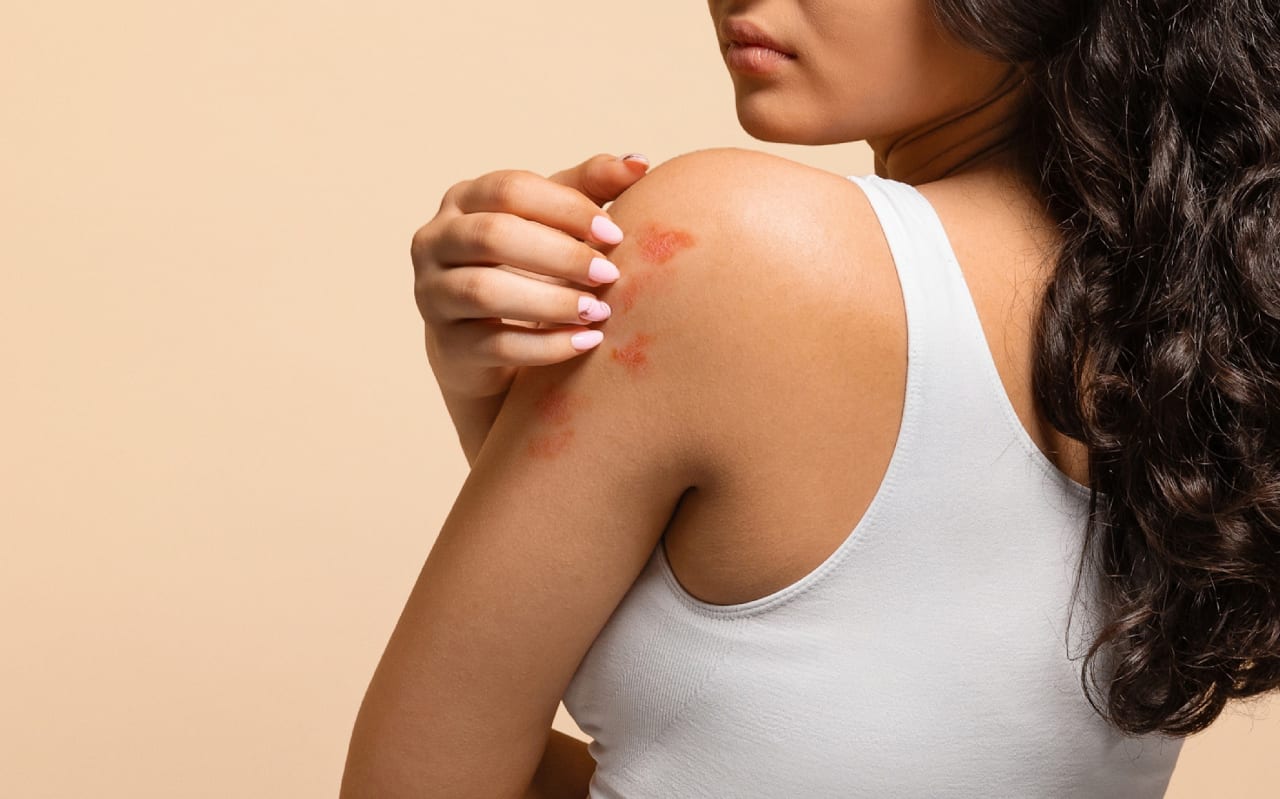
Shingles causes a painful rash, often localised and following the path of a nerve. This rash first appears as redness, then as fluid-filled blisters that eventually form a scab. Shingles most often occurs on one side of the body and can affect different areas, such as the chest, abdomen, and face.

What causes it?

Shingles has several causes:

  • Reactivation of the varicella-zoster virus (VZV): after chickenpox, the virus responsible (VZV) remains dormant in nerve tissue near the spinal cord or brain. Years later, it can reactivate and cause shingles.

  • Weakened immune system: A weakened immune system (due to immunosuppressive medications, certain chronic infections, or autoimmune diseases) can no longer effectively control the virus’s latency.

  • Stress: Significant or prolonged stress can reduce the immune response and promote reactivation of the virus. Traumatic situations, periods of extreme fatigue, or severe emotional stress are often cited as possible triggers for shingles.

  • Ageing: Ageing leads to a natural decline in immune function. This is why shingles is much more common in people over the age of 50.

  • Other contributing factors: Other factors, such as malnutrition, severe fatigue, and acute infections, can also influence the onset of shingles by affecting the body’s natural defences.

What are the symptoms?

Shingles is characterized by:

  • Localised pain: This is the very first sign of shingles, often felt before skin lesions appear. The pain, sometimes described as a sharp burning sensation or tingling, often follows the path of a nerve.

  • A red rash that develops into blisters: The rash develops a few days after the painful symptoms. It begins as a red patch, then clusters of small blisters containing clear fluid appear on the affected area. These blisters eventually burst and form scabs.

  • Itching: As the blisters develop, itching—sometimes very intense—may accompany or replace the pain.

  • Sensitivity to touch: The area affected by shingles becomes hypersensitive. Even light touch or pressure can be painful. Sometimes, conversely, the area becomes numb and loses some sensitivity. Normal skin sensations are disrupted.

  • Fever and chills: As with many viral infections, a mild fever accompanied by chills may occur. This is a sign that the body is fighting the reactivated virus.

  • Headaches: Headaches are common during a shingles outbreak. They are related to the inflammatory response and nerve pain.

  • General fatigue: Feeling fatigue can accompany shingles. The body mobilises energy to fight the infection and manage the inflammation.

These symptoms generally resolve over 2 to 3 weeks, but residual pain may sometimes persist beyond that, especially in older adults or those with weakened immune systems.

Shingles: Which Foods Should You Avoid?

When you have shingles, the foods to avoid are primarily:

  • Foods high in arginine: Arginine, an amino acid, stimulates the replication of the shingles virus. Walnuts, almonds, seeds (chia, flax, sunflower, pumpkin, hemp), peanuts, chocolate, whole grains, and certain dairy products contain it, which is why it’s best to limit your intake of these foods.

  • Ultra-processed foods and saturated fats: Fried foods (french fries, doughnuts, nuggets) and processed meals (pizza, hamburgers, hot dogs) promote inflammation and weaken the immune system.

  • Refined sugars: Sodas, cookies, cakes, and chips increase oxidative stress and exacerbate inflammation.

  • Spices: Pepper, paprika, chili, and mustard stimulate the nerves and can worsen itching.

  • Alcohol: Alcohol, like tobacco, weakens the body’s natural defenses, increases inflammation, and disrupts skin healing.

What are the recommendations?

Only a healthcare professional can definitively confirm the presence of shingles. The doctor prescribes treatment appropriate for the patient’s condition (antiviral treatment may be necessary), explains the steps to take, and may recommend a shingles vaccine to reduce the risk of recurrence or long-term complications, especially in older adults or those with weakened immune systems.

How can you prevent shingles?

  1. Maintain a varied and balanced diet: Eat fresh, seasonal foods rich in vitamins C and E (citrus fruits, kiwis, bell peppers, spinach), zinc (oysters, cashews), and omega-3s (small fish, cold-pressed vegetable oils). Proper nutrition supports the body’s natural defences and the proper functioning of the nervous system.

  2. Stay well-hydrated: Drink water, herbal teas, or broths to help eliminate toxins and maintain overall good health.

  3. Choose foods rich in lysine: This amino acid is believed to inhibit viral replication. It is found in fish, eggs, and legumes.

  4. Get enough rest: Quality sleep and recovery time are essential to allow the body to regenerate and maintain a strong immune system.

  5. Engage in regular physical activity: Exercise helps relieve stress, strengthens the body, and promotes immune and nervous system balance.

  6. Avoid prolonged fatigue and intense stress: Stress and exhaustion are major factors in reactivating the shingles virus. Taking care of yourself, taking breaks, and engaging in relaxing activities reduces the risk.

  7. Follow certain protective measures: Keep your home clean, avoid contamination through direct contact with infected individuals, and follow preventive measures (handwashing, do not share linens).

Precautions

If you have shingles, to prevent symptoms from worsening and reduce the risk of complications, it is recommended that you wash your hands thoroughly after touching the lesions. Keep the lesions clean and dry and apply simple bandages. Wear loose-fitting clothing to minimise friction on the affected areas. Keep your nails short, keep them clean, and avoid scratching.

If you have any concerns, consult your doctor, especially if the shingles affects your face or eye.

Expert Advice

Shingles is not directly contagious. In fact, a person with shingles does not transmit shingles itself, but can transmit the varicella-zoster virus to someone who has never had it through contact with the fluid from the blisters. To avoid infecting others, do not share your towels or bedding, and avoid going to the pool or playing contact sports until the lesions have healed. Cover the lesions with compresses or bandages to prevent direct contact with others who have never had chickenpox.

Spotlight on Our Writer: Hélène Durand

FEATURED PHOTO – Hélène Durand_Ok

With a dual background in literature and marketing, Hélène Durand uses her writing to explore topics that are meaningful to her: natural beauty, well-being, and a healthy lifestyle. Through her articles, she aims to share a supportive perspective and practical advice.

Bibliography

  1. Thesis by Romain Mosser, Shingles and Its Complications in the Pharmacy, Part 7. Dietary Advice and Dietary Supplements, 2019.

    https://dumas.ccsd.cnrs.fr/dumas-02434385v1/file/MOSSER%20Romain.%20Th%C3%A8se%20d%27exercice%202019.pdf

Frequently Asked Questions

Frequently Asked Questions
