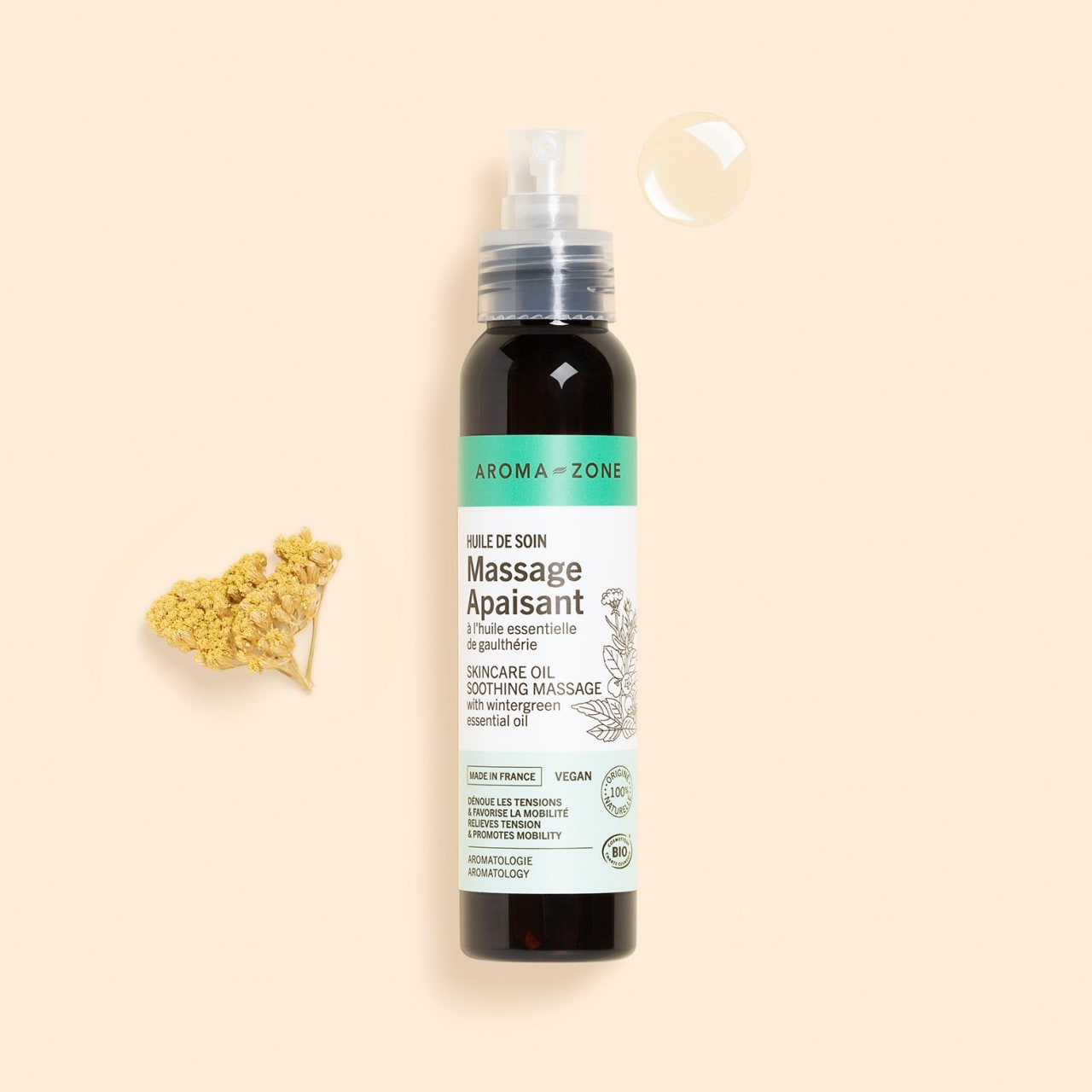
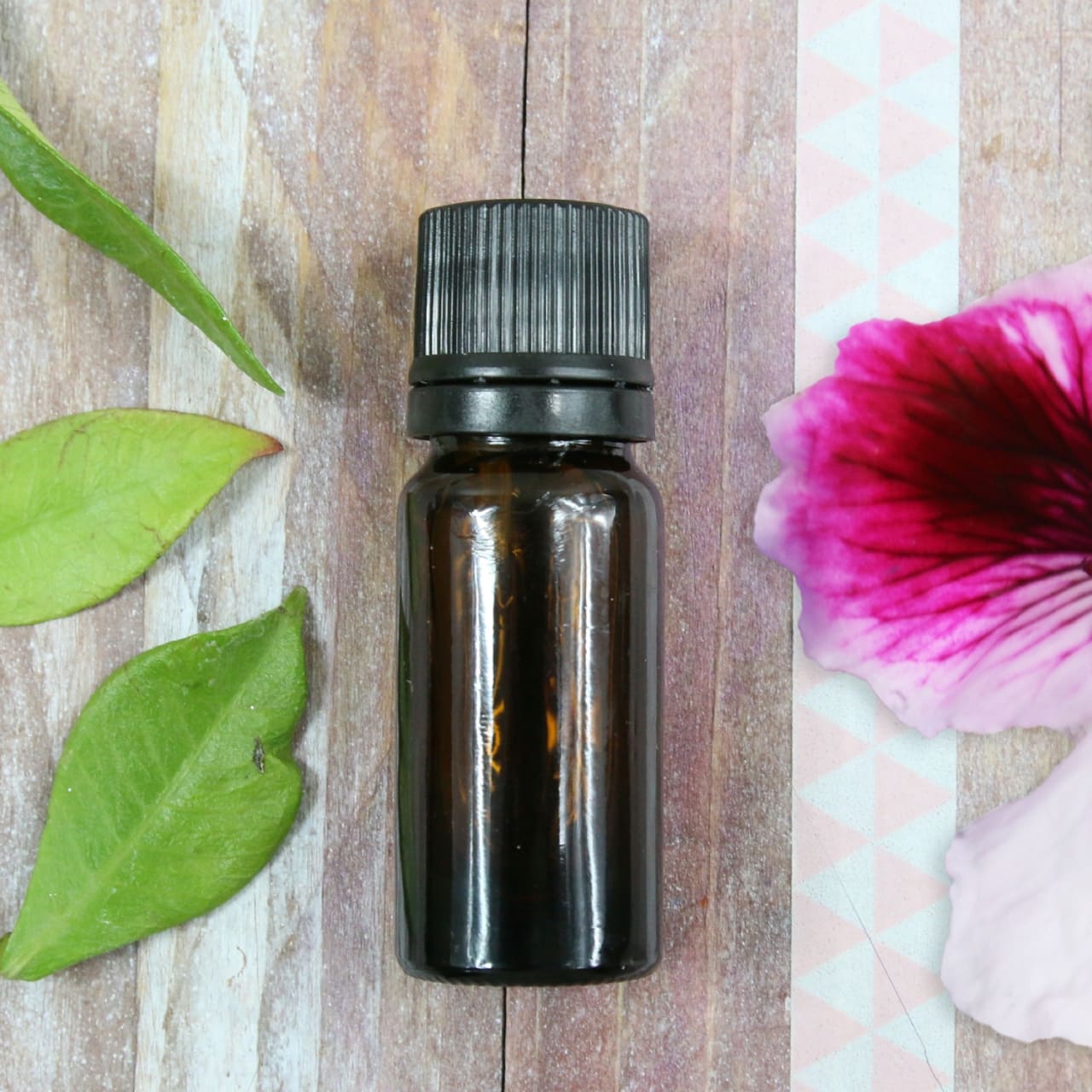
Essential oil blend to diffuse to keep mosquitoes and insects at bay
Mosquito repellents: the 5 best old-fashioned remedies
The sun’s out, and so are the mosquitoes! These tiny pests have a nasty habit of ruining our summer evenings with their buzzing and biting. Fortunately, our grandmothers already knew the best mosquito repellents. These traditional remedies can be found in nature and in your kitchen cupboards. They offer an affordable and accessible alternative to conventional mosquito repellents, which are often formulated with biocides or questionable chemicals. And you’ll see, there’s more to it than just citronella.

What is a mosquito repellent?
A mosquito repellent is a product or substance that has the ability to repel mosquitoes. These are often products that give off a scent which Culicidae do not like. Female mosquitoes that bite are, in fact, very sensitive to odours whilst hunting. They use their sense of smell to navigate and find their way to their target (potentially, us).
According to old wives’ tales, there are three types of mosquito repellent. Some are applied directly to the skin to prevent mosquito bites. Others are placed in a room or outdoors (near a dining table, for example) to keep the mosquitoes at bay. Sometimes they also involve eating certain foods to alter our natural scent.
What attracts mosquitoes?
Mosquitoes are particularly attracted to kairomones. These are chemical substances (often fragrant) that we naturally emit. They are detected by species other than our own and trigger a behavioural response. In this case, they enable blood-feeding mosquitoes to locate their future hosts. They are found in particular in:
our sweat, which is rich in lactic acid and ammonia;
Our sebum, particularly if it is rich in carboxylic acid;
Our breath, which releases CO₂, known to attract mosquitoes;
Our body odour, which varies depending on our diet.
Good to know
Although there may be some variations in preference between species, mosquitoes are also said to be attracted to high body temperatures and blood group O.
What keeps mosquitoes away?
Nowadays, most conventional repellents (sprays, sticks, creams, etc.) contain DEET. This is the acronym for N,N-diethyl-m-toluamide, an active ingredient that disrupts mosquitoes’ sense of smell and also affects their nervous system. Although its effectiveness is well established, this ingredient is now the subject of controversy. Nevertheless, it remains difficult to replace in areas affected by chikungunya and malaria, where mosquito control is a public health priority.
In geographical areas not affected by this health risk, one may choose to opt for more natural solutions that are closer to the traditions of our ancestors. Most often, homemade mosquito repellents inspired by traditional remedies involve plants, foods or strongly scented substances. The principle is to ‘mask’ our own odours with even more powerful scents designed to confuse mosquitoes. Certain scent molecules naturally present in plants, such as eugenol, are said to have genuine repellent effects as an added bonus.
What is the smell that mosquitoes hate most of all?
Mosquitoes dislike the smell of lemongrass, fennel, pelargonium, basil, mint (spearmint or peppermint), geranium and lavender. Geranium is often grown on windowsills for this very reason.
All these plants can also be used in the form of hydrosols or essential oils to repel insects, taking all necessary precautions (please consult our technical data sheets before use).
What home remedies can you use to keep mosquitoes at bay?
White vinegar
Mosquitoes (just like us…) are said to be repelled by the smell of white vinegar. Its repellent properties are also said to work for repelling other pests, such as flies and ants. If you don’t have any at home, apple cider vinegar is just as effective (if not more so!)
In practice: place a glass of vinegar on your windowsill if you sleep with the window open. Some people also recommend spraying the window panes and frames directly. Avoid doing this if your window frames are made of untreated or varnished wood… Another old wives’ tale: taking it orally to alter your body odour (for example, in a salad dressing).
Cloves
Do you have any cloves gathering dust in your kitchen cupboards? Keep them – they’re excellent mosquito repellents recommended by our ancestors. A study by Soonwera and Phasomkusolsil (2016) suggests that its essential oil may have larvicidal effects on several species of mosquito. Its high eugenol content also acts as a powerful natural repellent.
In practice: stick a few cloves into an orange, a mandarin or a lemon cut in half. Yes, it’s basically like making an ‘apple of amber’ (a Christmas tradition) in the middle of summer! Mosquitoes wouldn’t be too keen on flitting about near citrus fruits…
Java citronella
It’s undoubtedly one of the best-known traditional remedies for repelling mosquitoes! Citronella contains high levels of citronellol, citronellal and geraniol. These compounds are thought to act as a natural mosquito repellent by disrupting the insects’ chemical receptors.
In practice: a simple pot of lemongrass grown near your living areas can do the trick. Alternatively, opt for lemongrass candles, essential oil sprays or even a diffuser.
Fennel
Its repellent effects are said to be comparable to those of citronella, particularly against the female tiger mosquito (Aedes aegypti). It is mainly its essential oil that is said to be effective, which explains its inclusion in certain plant-based mosquito repellents.
In practice: traditionally, Ethiopians would boil its root and drink it as a tea to keep mosquitoes at bay. The simplest method is to place a few fresh fennel leaves on your bedside table, your balcony, or wherever you like.

Grandma’s tips for keeping mosquitoes at bay

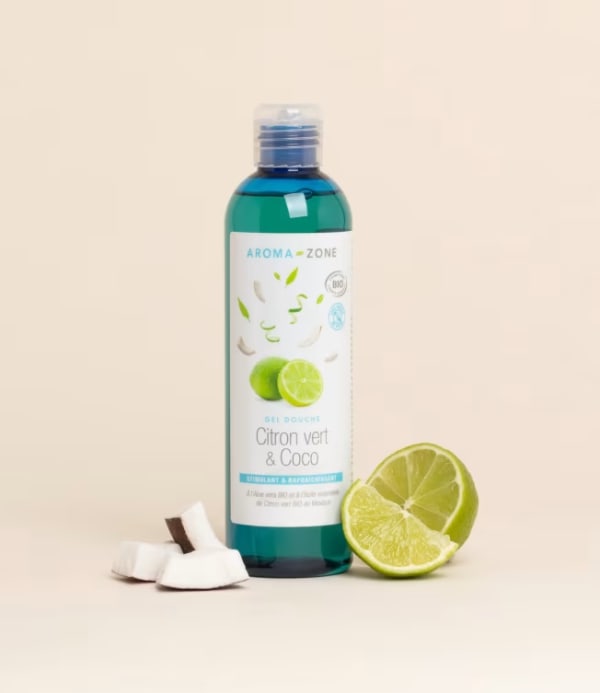
1. Start by washing your body, hands and face. A shower will help wash away sweat and excess sebum – which can turn you into a mosquito magnet. Try, for example, the Organic Lime & Coconut Shower Gel to get you in the summer mood whilst preventing your skin from drying out.

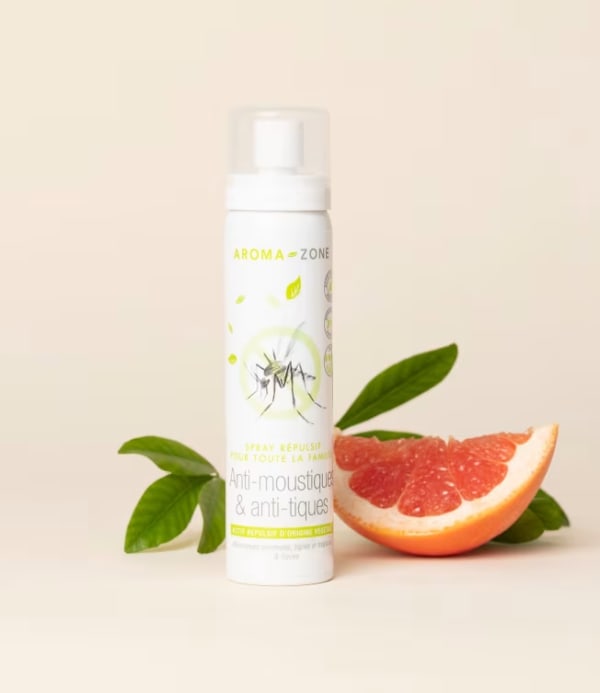
2. Spray our Mosquito Repellent for Adults and Children onto your skin (once it’s dry). Apply a maximum of 6 sprays to your body and 1 spray to your face. Its repellent action is effective for up to 7 hours after application against tiger mosquitoes and common mosquitoes. You can use it up to 3 times a day to renew your protective ‘shield’.

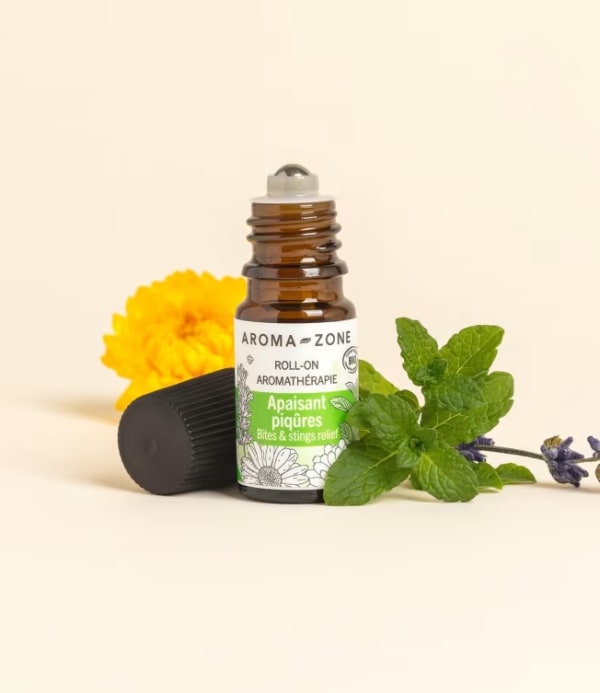
3. Too late – you’ve already been bitten? Apply the Soothing Bite Roll-on onto the bite. Its 100% naturally derived blend (organic essential oils + organic plant extracts) provides an immediate cooling sensation to relieve itching. Extra tip: you can also use it for stings from nettles or other plants.
Our traditional recipes to use as mosquito repellents

A blend of essential oils to diffuse to keep mosquitoes and insects at bay

A blend of essential oils to diffuse to keep mosquitoes and insects at bay

A blend of essential oils to diffuse to keep mosquitoes and insects at bay

Protective and soothing mosquito repellent roll-on

Protective and soothing mosquito repellent roll-on

Protective and soothing mosquito repellent roll-on

Geranium Anti-Bite Calming Candle

Geranium Anti-Bite Calming Candle

Geranium Anti-Bite Calming Candle
Geranium Anti-Bite Tranquillity Candle
Precautions for using our natural mosquito repellents
Organic Lime & Coconut Shower Gel: Avoid contact with the eyes. In case of contact with the eyes, rinse immediately with clean water.
Mosquito Repellent for Adults and Children: Keep out of reach of children. Keep away from flames or sources of ignition. Avoid contact with the eyes. Do not swallow. Do not use on babies under 6 months. There is insufficient data to recommend the use of this spray on pregnant or breastfeeding women, so we advise against it. Dangerous. Follow the safety precautions. Use the Mosquito and Tick Repellent Spray with care. Before use, read the label and product information. Formula type: Hydroalcoholic lotion based on organic plant alcohol. Active ingredient: Cymbopogon winterianus oil, fractionated, hydrated cyclised (CAS: 42822-86-6): 30% (m/m). Flammable liquid and vapour. Causes severe eye irritation (if splashed into the eyes, due to the presence of alcohol). Contains citronellol, linalool and limonene. May cause an allergic reaction.
Soothing Insect Bite Roll-on with Essential Oils: Keep out of reach of children. Avoid contact with the eyes. Do not use on pregnant or breastfeeding women or on children under 3 years of age. Do not swallow.
Expert advice
Repelling mosquitoes: yes; killing them: best avoided… Even though they’re a nuisance and carriers of many diseases, these Culicidae play an important role in our ecosystem. For example, they help pollinate certain flowers. In their larval stage, they help to ‘filter’ water contaminated by micro-organisms and produce the organic matter necessary for plant growth. These insects also serve as food for several predators, which themselves have many roles to play… So let’s try to use these traditional remedies and mosquito repellents as responsibly as possible.
Find out more

How can you keep mosquitoes away from your garden?

How can you keep mosquitoes away from your garden?
You can try attracting mosquitoes’ natural predators. These are mainly bats and insectivorous birds (swallows, swifts). If you have a water source (mosquitoes love to lay their eggs there), consider introducing frogs and the black-spotted minnow.

How can you keep mosquitoes at bay without using anything?

How can you keep mosquitoes at bay without using anything?
If your cupboards really are empty and you don’t have any of the above solutions to hand, the simplest thing is to wash before heading outdoors. This is particularly important if you sweat a lot and/or live in a region with humid summers. If you’re really worried about bites, also avoid drinking alcohol on a terrace (it’s a proven fact that it attracts mosquitoes).
Focus on Our Writer, Hélène Betoux

Hélène Betoux is a French beauty journalist specialising in web media. Every day she writes tips, advice and guides to help consumers choose the right beauty products. With a strong interest in natural, organic and clean cosmetics, she analyses and shares trends and innovations in the sector.
Bibliography
1
Repellency of aerosol and cream products containing fennel oil against mosquitoes under laboratory and field conditions.
Kim SI, Chang KS, Yang YC, Kim BS, Ahn YJ. Pest Manag Sci. 2004 Nov;60(11):1125-30. doi: 10.1002/ps.921. PMID: 15532688.
2
Marianne Buclet, Fennel: benefits and contraindications, 27 April 2021, online: https://doctonat.com/fenouil-bienfaits/
3
Effect of Cymbopogon citratus (lemongrass) and Syzygium aromaticum (clove) oils on the morphology and mortality of Aedes aegypti and Anopheles dirus larvae.
Soonwera M, Phasomkusolsil S. Parasitol Res. 2016 Apr;115(4):1691-703. doi: 10.1007/s00436-016-4910-z. Epub 2016 Jan 21. PMID: 26796022.
4
Repellent Screening of Selected Plant Essential Oils Against Dengue Fever Mosquitoes Using Behavioural Bioassays.
Deng W, Li M, Liu S, Logan JG, Mo J. Neotrop Entomol. 2023 Jun;52(3):521–529. doi: 10.1007/s13744-023-01039-z. Epub 16 March 2023. PMID: 36928838; PMCID: PMC10181966.