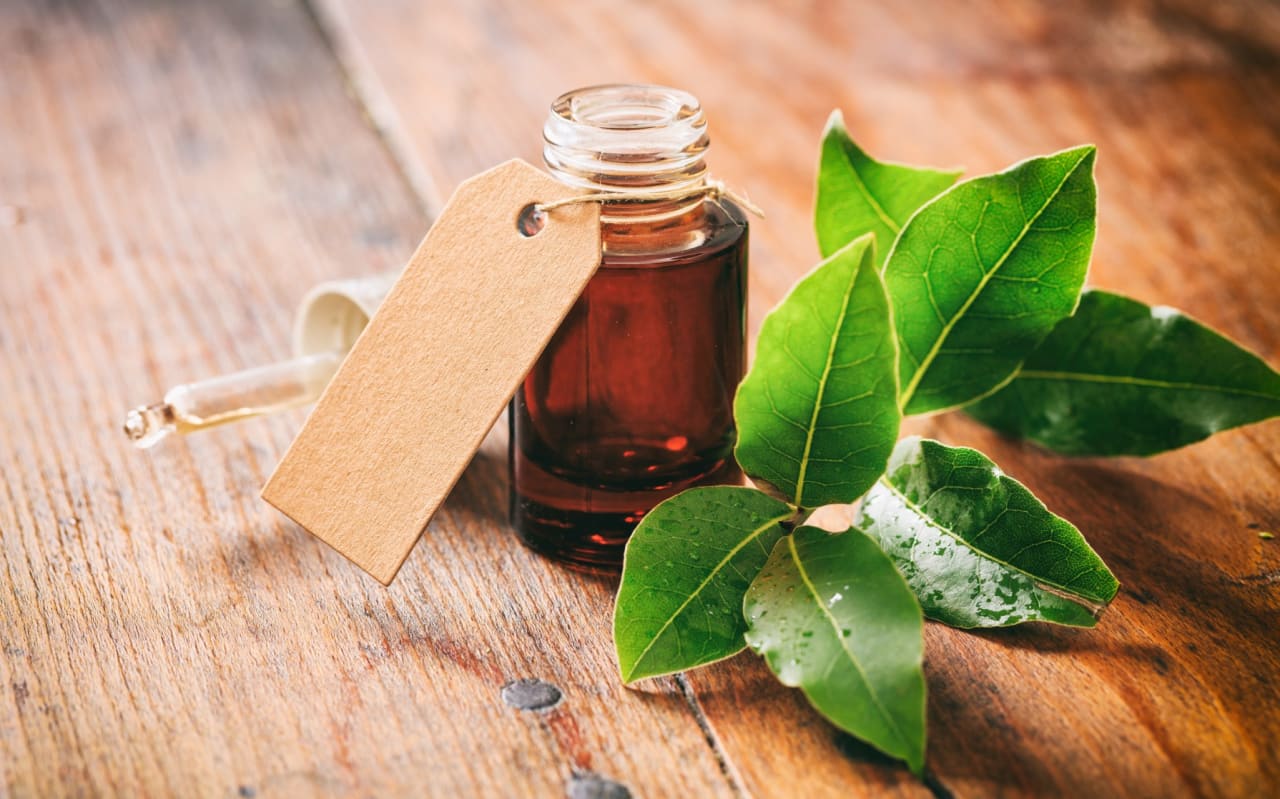
Laurel (Laurus nobilis): Definitions, Properties, and Benefits

Laurel (Laurus nobilis): Definitions, Properties, and Benefits


By Catherine Gilette

Published on: Thursday, July 11, 2024, Updated on: Thursday, October 29, 2026

Known as the plant of Apollo, scholars, and victors, laurel has also found its way into our kitchens thanks to its subtle aroma. In addition to its culinary uses, bay laurel has traditionally been valued for its digestive properties and may help support well-being during periods of physical or mental fatigue. Let’s explore the history of this emblematic plant and discover its many uses and benefits!

Contents

Related products

Bay Laurel: What You Need to Know

The bay laurel, Laurus nobilis, also known as the common bay laurel, belongs to the Lauraceae family. It is a very ancient, hardy shrub (it survived the Quaternary ice ages) and is believed to be native to Asia Minor, although it has been naturalised throughout the Mediterranean Basin for a very long time.

Laurus is thought to derive from the Latin aur, meaning “gold,” associated with the sun and Apollo. The Greeks called it Daphnê, after the nymph pursued by Apollo who was transformed into a laurel tree; an allegory of dawn pursued by the sun. Laurus may also derive from Laus, meaning “praise.” Indeed, those deemed worthy of praise were crowned with laurel. This practice spread from antiquity into the Middle Ages, when young doctors were crowned with a laurel wreath adorned with berries, the bacca laurea, hence the origin of the word “baccalaureate.” As it is an evergreen shrub, known as semper virens (“evergreen”), the laurel has become a symbol of immortality, especially since the tree is rot-resistant.

Growing 2 to 10m tall, depending on its environment, the noble laurel has an elongated crown, and its bark, more or less smooth, is dark in color, almost black. Its stiff branches are upright and bear lanceolate, alternate, slightly leathery leaves with wavy edges. They are dark green on the upper surface and lighter on the underside. They give off an aromatic scent when crushed. It is a dioecious species, meaning that the laurel bears either male or female flowers. The flowers, which appear from March to May, are white and are grouped in clusters of 4 to 5 in small umbels. In the fall, the fruits, which are green, oval-shaped drupes, turn black-purple when ripe, typically in mid-fall. Each drupe contains a single seed. Bay laurel fruits are highly prized by birds. A vegetable oil is also extracted from these fruits, which is used to make the famous Aleppo soap.

The laurel prefers well-drained, rich soil, sunny locations, and protection from cold winds. It does not tolerate excess water, but it does withstand drought and sea spray well. Hardy, it withstands temperatures below -12°C, and even if it appears frozen, its suckering roots sprout anew in the spring. Highly tolerant of pruning, it is thus suitable for creating laurel hedges.

Bay leaves can be harvested year-round since the plant is semper virens; that said, the best time is in the morning during summer, as the summer sun allows the leaves to develop their aroma. When dried, they retain their flavor for quite a long time and are used in the famous herb bundle. The berries are harvested when they have turned black.
Tip

Bay leaves should be dried in a cool, well-ventilated place, away from direct light.

What Are the Properties of Bay Laurel?

The Composition of Bay Leaves

  • Polyphenols: With protective properties for the cardiovascular system; antioxidant and thus free-radical scavenging; anti-inflammatory; antiviral 

  • Polysaccharides: Which improve digestive transit with a beneficial effect on the intestinal flora; which act as antitussives and soothe dry coughs; immunomodulatory.

  • Isoquinoline alkaloids: With antispasmodic activity (particularly on the smooth muscles of the digestive system).

  • Volatile oils: Laurel contains approximately 3% plant essence, i.e., essential oil. This is composed in part of 1,8-cineole, which is antiviral, expectorant, and mucolytic, as well as sesquiterpene lactones, which are anti-inflammatory.

Properties of the bay leaf

  • Mental and physical stimulant (for nervous and physical fatigue)

  • Digestive aid (helps with digestion, lowers blood sugar, LDL cholesterol, and triglycerides)

  • Protects the cardiovascular system

Properties of Noble Laurel Oil

The berries contain up to 25% green vegetable oil, which has a bitter taste, a strong scent, and a creamy texture at room temperature, a characteristic it owes to the trilaurin it contains. Laurel butter contains many types of fatty acids, such as lauric acid (ideal for soap-making).

  • Purifying

  • Astringent and toning

  • Repairing and protective

Good to Know

Laurel oil is obtained by immersing the berries in boiling water. They burst, releasing a viscous liquid that rises to the surface, where it is then collected. This is known as decoction extraction.

What Are the Benefits of Bay Laurel?

What Are the Benefits of Bay Leaves?

  • Balances the nervous system and restores energy (e.g., during convalescence)

  • Aids digestion (spasms, fermentation, flatulence, etc.)

  • Helps lower blood sugar, LDL cholesterol, and triglyceride levels, while increasing HDL levels

  • Supports the body in treating ENT disorders (coughs, colds, etc.)

What Are the Benefits of Bay Berries?

  • Purifies skin prone to acne

  • Protects flaky and dry skin

  • Can be used to make soap

How Can You Incorporate Bay Leaves Into Your Daily Life?

  1. As a Tea: Bay leaves aid digestion after a meal, help fight viral infections, and support the body during colds and flu

  2. In the Kitchen: Bay leaves prevent bacterial growth and add an incomparable flavor to dishes

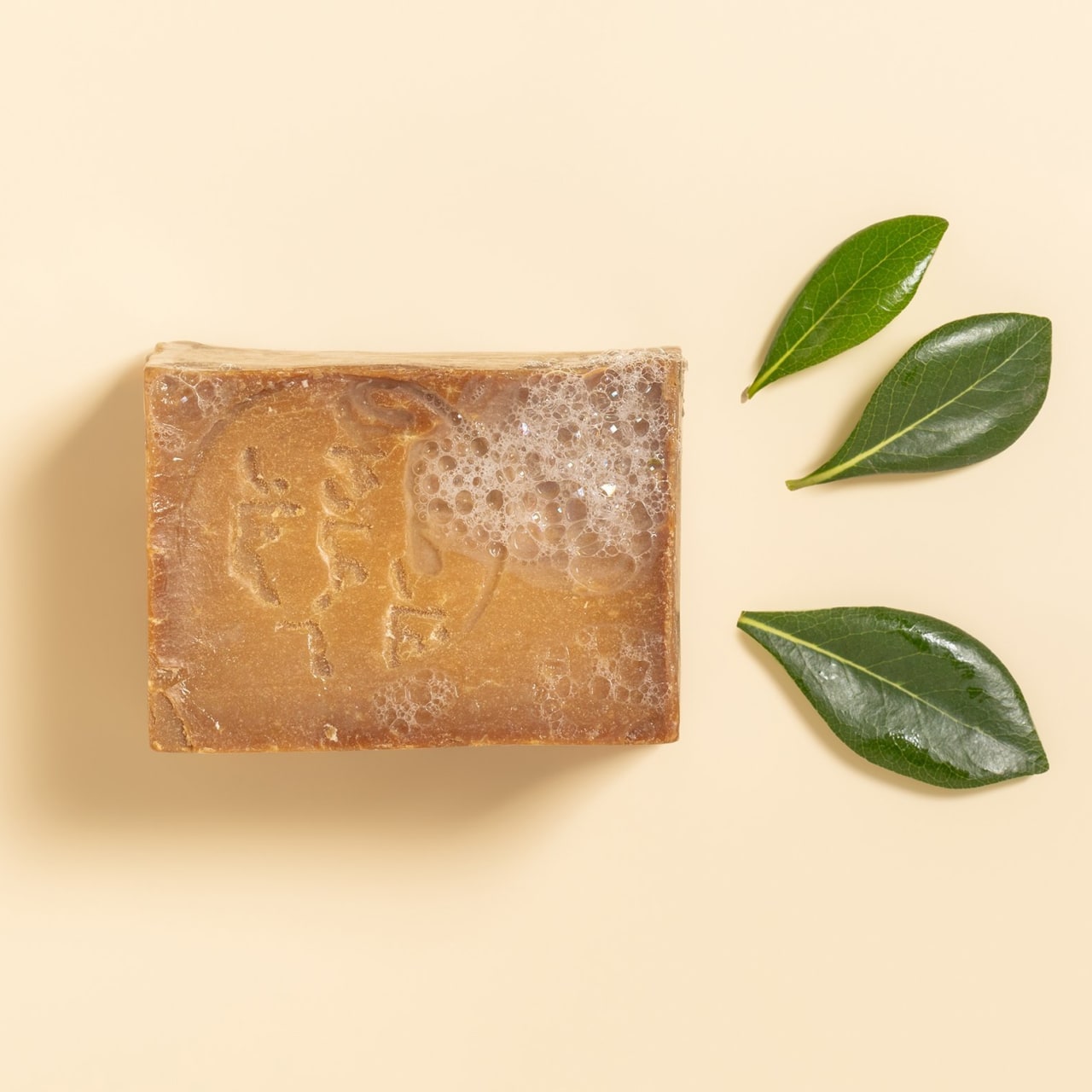
  3. In Cosmetics: Bay leaf oil is used to make soap and can be used pure or blended with other oils for skincare. There is also a bay leaf hydrosol that is very effective in cosmetics, for both skin and hair

  4. As Dietary Supplements: For those who do not like the taste of bay leaves, dried extracts are available on the market in capsule form, as liquids in ampoules, or as a mother tincture. Essential oil is also available, most often obtained from the leafy branches and sometimes from the berries.

Laurel: Dosage

As an Herbal Tea: We recommend steeping 16 to 30g of leaves in one litre of water, to be taken in several doses, such as after meals to aid digestion and between meals to combat lung ailments or invigorate both mind and body.

Cooking: Bay leaves are used in the same way as other aromatic herbs such as thyme, rosemary, sage, basil, or chives. There is no exact dosage; it is a matter of taste and common sense.

As dietary supplements: The various formulations are specific to the manufacturer and it is therefore best to refer directly to the dosage recommended by the manufacturer.

Our Bay Leaf-based Products

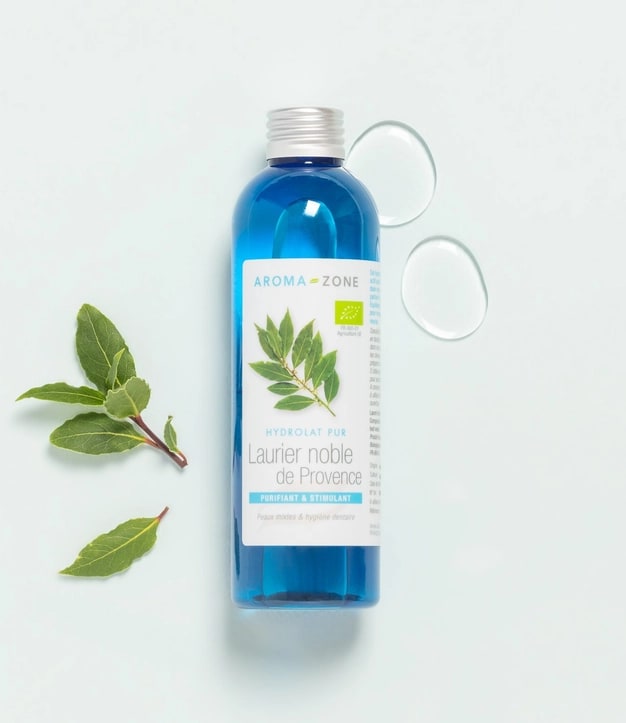
Organic Noble Laurel Hydrosol from Provence

Purifying and astringent, this hydrosol is ideal for creating skincare products for oily and blemish-prone skin. It is also known for balancing the mind and giving the courage to express oneself.

Discover our Organic Noble Laurel Hydrosol from Provence

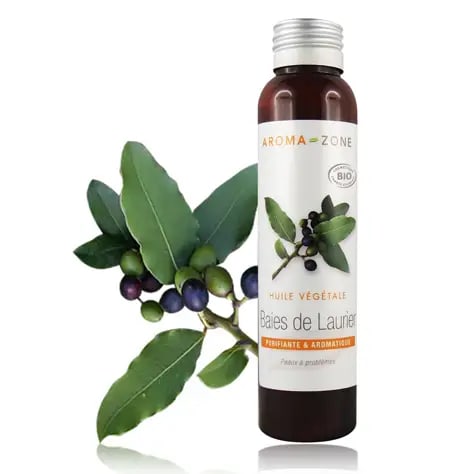
Organic Bay Berry Oil

This powerful and aromatic oil, with purifying and restructuring properties, is used to prepare treatments for blemished skin and scalps with dandruff. It is also the essential oil for making your Aleppo soaps.

Discover our Organic Bay Berry Oil

Our Natural Recipes Featuring Bay Leaf

Precautions for Use

There are no specific precautions regarding the use of bay leaves in herbal medicine. This is not the case for its essential oil, the use of which must be supervised by an aromatherapist.

Expert Advice

The bay laurel prevents physical and mental ageing. It is the plant par excellence for combating all forms of sclerosis (physical and mental) and keeping the mind alert.

Spotlight on Our Specialist Writer: Catherine Gilette

ada2d2_d8651e3eb63b4f06b1e322964cd90ca6-mv2.webp

Catherine is passionate about plants and their properties. She studied natural cosmetics at the École Lyonnaise des Plantes Médicinales in the early 2000s. Driven by curiosity, she has continued to explore the richness and potential of plants. This led her to train in aromatherapy at the École Française d’Aromathérapie Intégrative. She discovered an almost unexplored world in olfactotherapy, and valuable tools for getting to know herself better and practising what she calls inner ecology.

Bibliography

  1. Jean Bruneton Pharmacognosy, Phytochemistry, Medicinal Plants, 5th edition, ED.Lavoisier Tec et doc

  2. P. P. Botan, Dictionary of the Most Active and Common Medicinal Plants and Their Therapeutic Applications, p. 177.

  3. François Couplan, Le régal végétal: edible wild plants, Editions Ellebore, 2009

  4. Chahra Chbili, Maher Maoua, Mejda Selmi, and Sawssen Mrad, “Evaluation of Daily Laurus nobilis Tea Consumption on Lipid Profile Biomarkers in Healthy Volunteers,” Journal of the American College of Nutrition, vol. 0, no. 0, March 26, 2020, pp. 1–6

  5. Esam Y. Qnais, Fuad A. Abdulla, Eziden G.

    Kaddumi and Shtaywy S. Abdalla, “Antidiarrheal Activity of Laurus nobilis L. Leaf Extract in Rats,” Journal of Medicinal Food, vol. 15, no. 1, November 14, 2011, pp. 51–57

  6. M. Sayyah, G. Saroukhani, A.

    Peirovi and M. Kamalinejad, “Analgesic and anti-inflammatory activity of the leaf essential oil of Laurus nobilis Linn.,” Phytotherapy Research, vol. 17, no. 7,‎ 2003, pp. 733–736

  7. Dmitry A. Konovalov and Naida M.

    Alieva, “Phenolic compounds of Laurus nobilis (review),” Фармация и фармакология, vol. 7, no. 5 (Eng), 2019

Frequently Asked Questions

Frequently Asked Questions