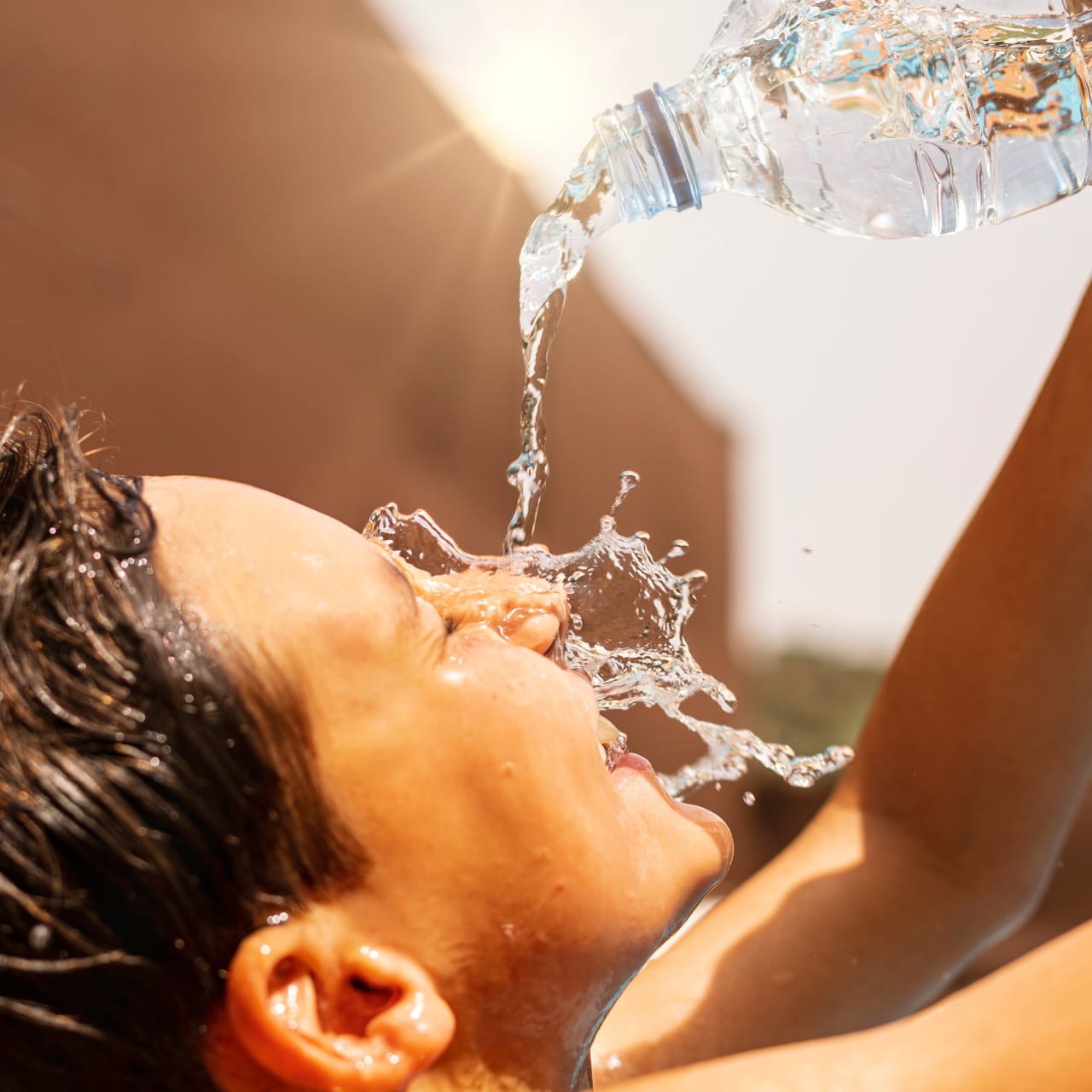
Medically speaking, sunstroke is a condition of hyperthermia caused by prolonged exposure to the sun. Put simply, during sunstroke, the human body temperature rises very sharply. Whilst the normal body temperature is 37 °C, during sunstroke it is much higher. Sunstroke has several stages depending on its severity.
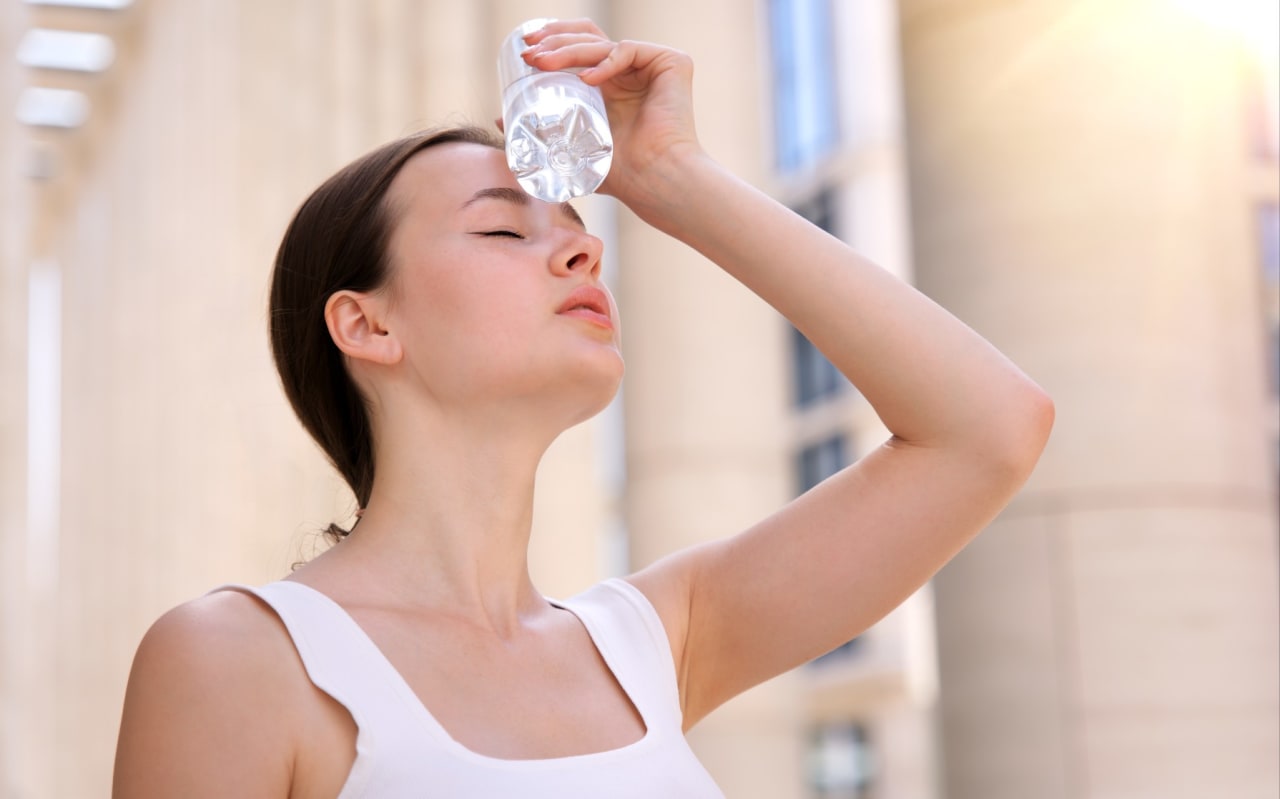
How long does sunstroke last?
By Gipsy Dauge
Published on: Tuesday, July 02, 2024, Updated on: Friday, October 02, 2026
In hot weather, sunstroke can occur very quickly. Although it is usually not serious, sunstroke can cause discomfort. In this article, you’ll find out everything you need to know about sunstroke.
Contents
What is sunstroke?
What causes sunstroke?
Sunstroke is always caused by prolonged exposure to the sun, and more specifically to its rays. Other factors can increase the risk of sunstroke, such as taking certain medicines, fatigue, obesity, alcohol consumption or exercising in hot weather.
The symptoms usually seen in cases of sunstroke are as follows:
A flushed face
Dry skin
Headaches
Dizziness, light-headedness or vertigo
A rapid pulse
Muscle cramps
Vomiting
Severe fatigue
Extreme thirst
A high fever of over 39.5 °C
How long does sunstroke last?
Generally speaking, the symptoms of sunstroke last from a few hours to a few days. Some symptoms, such as redness and skin pain, can appear quickly after exposure to the sun and persist for one to two days. Headaches, tiredness and nausea, on the other hand, can last for several days. To aid recovery, it is particularly important to rest and stay in a cool place.
What can you do to relieve sunstroke?
To relieve sunstroke, you need to lower your body temperature. Here are our tips for dealing with sunstroke:
Rest in a cool, well-ventilated place
Cool down, particularly your face, using a wet flannel
Take cool showers – not too cold – to minimise the thermal shock
Rehydrate by drinking plenty of water
Discover our traditional home remedies for sunstroke.
How can you prevent sunstroke? What should you do in hot weather?
Avoid exposure to the sun during the hottest part of the day
Protect yourself from the sun’s rays by wearing, for example, a cap or a hat...
Avoid wearing thick clothing
Make sure you stay well hydrated throughout the day (at least 2 litres of water a day)
Apply cold compresses to your face to cool down
Avoid strenuous physical activity in hot weather
When outdoors, choose shaded areas
Apply sun cream regularly.
What is the difference between sunstroke and heatstroke?
Sunstroke and heatstroke are two forms of hyperthermia. Sunstroke is milder than heatstroke. Furthermore, heatstroke occurs following intense physical exertion or in a very hot environment, whilst sunstroke results from exposure to the sun’s rays on the head, scalp or skin.
Criteria | Sunstroke | Heatstroke |
|---|---|---|
Main cause | Direct exposure to the sun | High ambient temperature |
Body temperature | > 39°C | > 40°C |
Sweating | Often absent | Present, then stops abruptly |
Severity | Moderate to severe | Potentially life-threatening |
Context | Sun, beach, outdoor sport | Poorly ventilated indoor areas, intense physical exertion. |
Expert advice
If your sunstroke develops into heatstroke and you feel unwell or lose consciousness, we advise you to make an appointment with a healthcare professional as soon as possible.
Spotlight on Our Writer: Gipsy Dauge

Gipsy graduated from ESJ Paris. After 10 years in the general and women's specialist press, she chose to specialise in health and well-being. Now a certified Yin Yoga teacher, she skillfully combines her passion for writing with her love of yoga. Her goal goes far beyond simply informing the reader. She is passionate about helping readers embrace simple, practical habits that support their well-being while encouraging a more mindful approach to the world around them. Each article invites readers to adopt a healthier, more balanced, and fulfilling lifestyle.
Bibliography
https://fr.wikipedia.org/wiki/Insolation